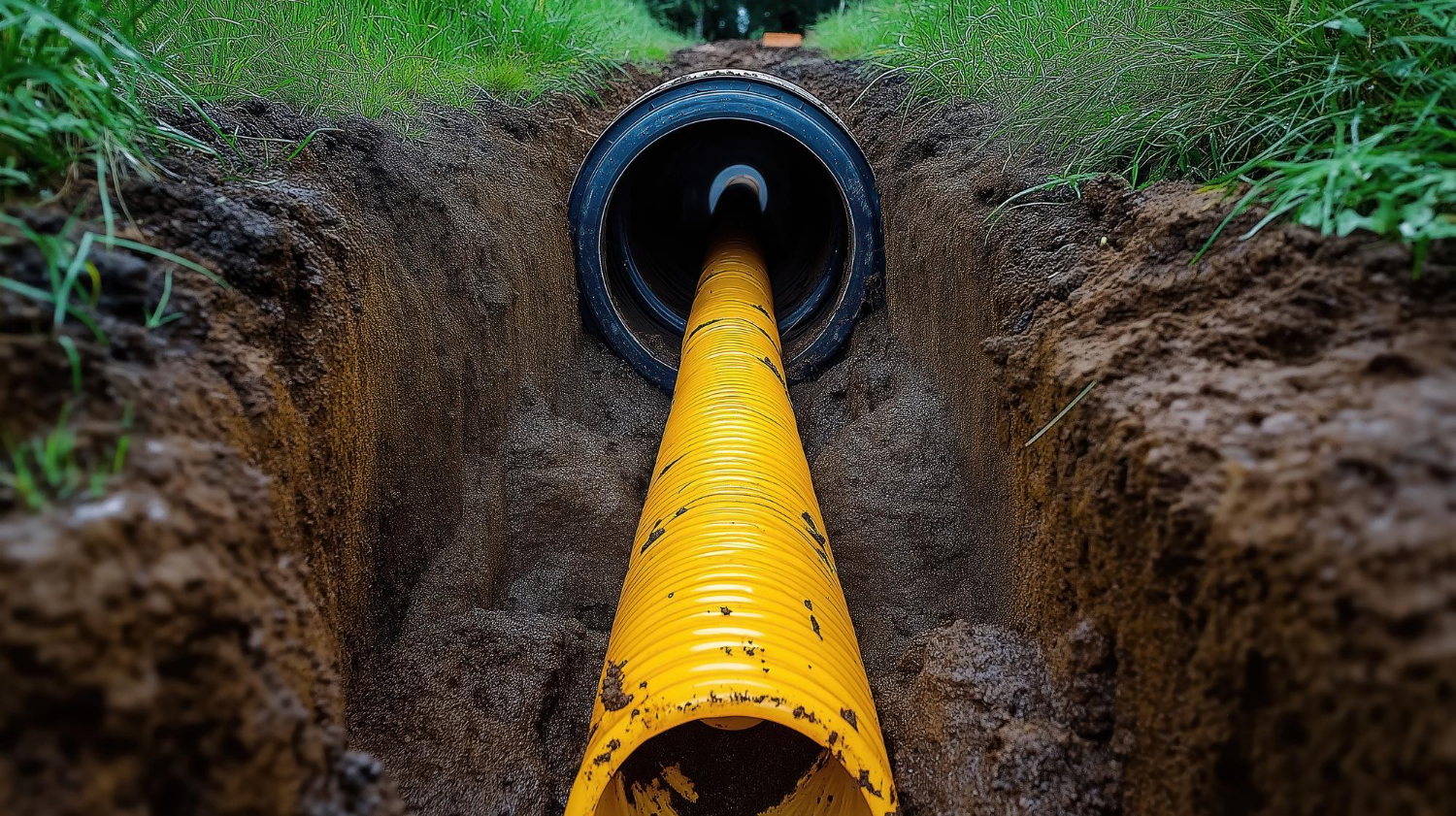


Professional sewer replacement involves removing the old, damaged pipe and installing a new sewer line that can last for decades with proper care.
Sewer line problems can cause serious damage to homes and properties in the Seacoast NH area. When a sewer line fails, it can lead to sewage backups, foul odors, and expensive water damage. Homeowners need to know when repair is no longer enough and full replacement becomes necessary.
Local contractors in the Seacoast region use modern methods to complete this work quickly and safely. The process may seem overwhelming, but understanding what to expect helps property owners make smart decisions about their plumbing systems.
This guide covers everything homeowners need to know about sewer replacement, from identifying warning signs to choosing the right contractor.
Here’s what you’ll find below:
- What is sewer replacement?
- Signs you need sewer replacement
- Common causes of sewer line failure
- How professional sewer replacement is performed
- Benefits of professional sewer replacement
- DIY vs professional sewer replacement
- How to maintain your sewer line after replacement
- Why choose Seacoast Sewer and Drain for sewer replacement
Keep reading! Learn about what causes sewer lines to fail, how professionals perform replacements, and steps to protect your investment after installation.
What is sewer replacement?
Sewer replacement involves removing old or damaged pipes that carry wastewater from a property to the municipal system and installing new ones. This major repair becomes necessary when pipes suffer from extensive damage, persistent blockages, or age-related deterioration that simple repairs cannot fix.
Signs your sewer line needs replacement
Multiple drains backing up at once indicates a serious problem with the main sewer line. When toilets, sinks, and showers all drain slowly or overflow together, the issue goes beyond a simple clog.
Foul odors coming from drains or the yard suggest sewage is leaking from cracked pipes. Sewage smells should never be present in a properly functioning system.
Patches of extra green grass or soggy spots in the yard often mean sewage is leaking underground and fertilizing those areas. These wet spots may appear even during dry weather.
Cracks in the foundation or settled areas around the property can result from soil erosion caused by leaking sewer lines. Water from broken pipes washes away soil that supports the foundation.
Frequent backups that return shortly after professional cleaning point to structural damage rather than simple blockages. If drain cleaning only provides temporary relief, the pipe itself is likely compromised.
Residential vs commercial sewer replacement
Residential sewer repair typically involves smaller diameter pipes ranging from 4 to 6 inches. Homes usually have a single main line running from the house to the street connection. The process often takes 1 to 3 days for a standard replacement.
Commercial sewer replacement deals with larger pipe systems that handle greater wastewater volumes. These pipes can range from 6 to 12 inches or more in diameter. Commercial properties may have multiple connection points and more complex routing.
Commercial projects require more extensive permits and inspections due to the scale and public health considerations. Businesses face additional challenges because they must maintain operations or plan for temporary closures during the work.
The cost difference reflects these complexities. Commercial replacements generally cost significantly more due to larger materials, longer work hours, and specialized equipment needs.
Benefits of professional sewer replacement
Professional sewer line replacement eliminates recurring blockages and backups that waste time and money. Once new pipes are installed, property owners avoid the cycle of temporary fixes and emergency calls.
Modern pipe materials last 50 to 100 years with minimal maintenance required. PVC and HDPE pipes resist corrosion, root intrusion, and chemical damage better than older clay or cast iron pipes.
Property value increases when the sewer system is updated and documented. Buyers view recent sewer replacement as a major plus that removes a significant future expense.
Professional contractors handle all permits, inspections, and code compliance requirements. They know local Seacoast NH regulations and ensure the work meets current standards.
Trenchless replacement methods minimize yard damage and restoration costs. These techniques often allow contractors to replace pipes with limited digging compared to traditional excavation.
Per the Federal Highway Administration’s trenchless technology guidance, methods like pipe bursting and cured-in-place pipe reduce pavement cuts and surface disruption—and therefore restoration needs—compared with traditional open-cut excavation.
Signs you need sewer replacement
Homeowners in the Seacoast NH area should watch for clear warning signs that indicate sewer line problems. Acting quickly when these issues appear can prevent expensive repairs and protect property from water damage.
Frequent backups or slow drains
Multiple drains backing up at the same time signals a main sewer line problem. When water drains slowly from several fixtures or toilets bubble when other drains are used, the issue goes beyond a simple clog.
A single slow drain usually means a local blockage. But when all the drains in a home act sluggish, the main sewer line likely has damage or buildup that restricts water flow.
Frequent toilet backups are especially concerning. If plunging no longer solves the problem or backups happen repeatedly, the sewer line may have cracks, root intrusion, or collapsed sections. These problems only get worse over time and can lead to sewage backing up into the home.
Foul odors or sewage in the yard
A properly sealed sewer line keeps all odors contained. Strong sewage smells inside the home or yard indicate cracks or breaks in the pipes that allow gases and waste to escape.
Sewage odors near drains, in the basement, or around the foundation point to serious line damage. These smells mean waste is leaking somewhere in the system.
Visible sewage pooling in the yard is a clear emergency sign. Wet, dark patches of grass that smell like sewage show that the underground line has failed. This creates health hazards and contaminates the soil around the property. Raw sewage contains harmful bacteria that can make people and pets sick.
According to the Centers for Disease Control and Prevention (CDC), people who handle human waste or sewage face increased risk of illness and should minimize contact by using proper PPE and hygiene practices.
Cracks, corrosion, or shifting pipes
Older sewer lines made from clay, cast iron, or Orangeburg pipe break down over time. Cast iron pipes corrode and develop holes. Clay pipes crack and separate at the joints. These materials typically last 50 to 60 years before needing replacement.
Ground movement from frost heaves, soil settling, or tree root pressure causes pipes to shift and separate. Once pipes move out of alignment, they develop gaps where waste leaks out and soil gets in.
Tree roots seek out water sources and grow into small cracks in sewer lines. The roots expand inside the pipes and create blockages. They also widen existing cracks until whole sections need replacement. A camera inspection can reveal the extent of root damage and pipe deterioration.
Wet spots or water damage around the home
Unexplained wet areas in the yard or basement often trace back to leaking sewer lines. These damp spots may appear even during dry weather and often have a foul smell.
Water stains on basement walls or floors indicate possible sewer line leaks beneath or near the foundation. This moisture creates mold growth and damages building materials. The longer water leaks undetected, the more expensive the repairs become.
Lush green patches in the lawn where grass grows faster than surrounding areas can mean sewage is fertilizing that spot. While it might look healthy, this indicates waste water is leaking underground and needs immediate attention.
Common causes of sewer line failure
Sewer lines fail for several reasons that homeowners in Seacoast NH need to understand. Tree roots, old pipes, soil shifts, and poor maintenance create the most common problems that lead to replacement.
Tree root intrusion
Tree roots cause one of the most frequent types of sewer line damage. Roots naturally grow toward sources of water and nutrients, which makes sewer pipes an attractive target. Small cracks or loose joints in pipes allow moisture to escape, drawing roots closer.
Once roots find a way in, they grow quickly inside the pipe. The roots create blockages that stop waste from flowing properly. They also expand as they grow, which cracks and breaks the pipe walls.
Common trees that cause sewer problems include:
- Willows
- Maples
- Oaks
- Birch trees
- Poplar trees
The damage often starts small but gets worse over time. Property owners may notice slow drains or frequent backups before discovering root intrusion. Professional inspection reveals the extent of root damage and whether the line needs replacement.
Pipe corrosion or aging materials
Older sewer pipes break down as materials wear out over time. Cast iron pipes, common in homes built before 1980, corrode from the inside out. The corrosion creates rough surfaces that catch debris and eventually develop holes.
Clay pipes crack and crumble as they age. These materials were popular decades ago but don't last as long as modern options. Seacoast NH's soil conditions and freeze-thaw cycles speed up the breakdown of older pipe materials.
Metal pipes rust when exposed to certain chemicals in wastewater. The rust eats through the pipe walls, creating leaks and weak spots. Homes over 40 years old often have pipes that reached the end of their useful life.
Shifting soil or ground movement
Ground movement puts stress on sewer lines that weren't designed to flex. Seacoast NH experiences soil shifts from seasonal freezing and thawing. The expansion and contraction of soil pushes pipes out of alignment.
Heavy construction nearby causes vibrations that disturb underground pipes. Poor soil compaction during original installation leaves gaps where pipes can settle unevenly. This settling creates low spots called bellies where waste pools instead of flowing.
Saturated soil from heavy rain or flooding adds pressure on buried pipes. The weight of waterlogged earth can crack or collapse older, weaker pipes. Changes in the water table also affect how soil supports sewer lines.
Heavy use or improper maintenance
Sewer systems handle significant daily stress from household waste and water. Flushing inappropriate items like wipes, paper towels, or grease damages pipes over time. These materials create clogs that increase pressure inside the line.
Lack of regular inspections means small problems grow into major failures. Homeowners who ignore slow drains or gurgling sounds miss early warning signs. Professional maintenance catches issues before pipes fail completely.
Chemical drain cleaners corrode pipes from the inside. These harsh products offer quick fixes but weaken pipe walls with repeated use. Properties with multiple residents or high water usage put extra strain on aging sewer systems.
How professional sewer replacement is performed
Professional sewer replacement follows a structured process that starts with camera inspection and ends with thorough testing. Contractors use proven methods to protect property, minimize disruption, and deliver results that last for decades.
Inspection using sewer cameras
Professional plumbers start every sewer replacement project with a detailed camera inspection. They insert a waterproof camera through existing access points to view the entire pipe system on a monitor.
The camera reveals the exact location and severity of damage. Plumbers can see cracks, root intrusions, collapsed sections, and corrosion without digging up the yard.
This inspection helps determine whether repair or full replacement is necessary. The video footage also shows the pipe material, diameter, and depth.
Most camera inspections take 30 to 60 minutes to complete. The plumber provides a recording and explains what needs to be done based on the findings.
Trenchless vs traditional sewer replacement
Traditional sewer replacement requires digging a trench along the entire pipe length. Contractors excavate the yard, remove the old pipe, and install new pipe in the ground. This method works for severely damaged pipes or when complete access is needed.
Trenchless sewer repair offers a less invasive option. Contractors dig only two small access points at each end of the damaged section. They either pull a new pipe through the old one (pipe bursting) or insert a resin liner that hardens inside the existing pipe (pipe lining).
Method
Excavation Required
Timeline
Yard Disruption
Traditional
Full trench
3-5 days
Extensive
Trenchless
Two access points
1-2 days
Minimal
Trenchless methods cost more upfront but save money on landscaping restoration. Traditional replacement suits properties with landscaping planned for removal or extremely collapsed pipes.
Removing old pipes and installing new lines
For traditional replacement, crews excavate the trench to expose the damaged pipe completely. They disconnect the old pipe from the house connection and city main, then remove it in sections.
Workers install new pipe with proper slope to ensure wastewater flows correctly. Most contractors use PVC or HDPE pipe because these materials resist corrosion and root intrusion.
Each pipe section connects with secure joints that prevent leaks. The crew beds the pipe in gravel or sand to provide stable support and proper drainage around the pipe.
For trenchless replacement, the process differs significantly. Pipe bursting uses a cone-shaped head that breaks apart the old pipe while pulling new pipe into place. Pipe lining inserts an epoxy-coated sleeve that cures to form a new pipe inside the old one.
Both methods require skilled technicians who understand proper installation techniques. The new pipes typically last 50 to 100 years when installed correctly.
Post-installation testing and verification
After installation, contractors perform multiple tests to verify the system works properly. They run water through the new line to check flow and drainage speed.
A smoke test or dye test confirms all connections are sealed. The crew also conducts another camera inspection to document the installation quality and ensure no defects exist.
Pressure testing verifies the pipes can handle normal operating conditions without leaking. Contractors check the grade to confirm proper slope throughout the line.
Most professionals provide video documentation of the final inspection. This gives homeowners proof of quality work and a baseline for future maintenance needs.
Benefits of professional sewer replacement
Professional sewer replacement provides homeowners in Seacoast NH with a reliable plumbing system that prevents expensive emergency repairs and protects property from water damage. Working with trained specialists ensures the job meets local codes and gets completed quickly with modern equipment.
Long-term reliability of plumbing system
A new sewer line installed by professionals can last 50 to 100 years depending on the material used. PVC and cast iron pipes resist corrosion and tree root intrusion better than older clay or Orangeburg pipes.
Professional installers properly grade the pipes to ensure waste flows correctly without settling or pooling. They also use quality materials designed for underground use that won't crack or collapse under soil pressure.
Modern sewer line materials include:
- PVC pipes - Lightweight, resistant to chemicals, expected lifespan of 100 years
- Cast iron - Extremely durable, handles heavy loads, lasts 75-100 years
- HDPE (High-Density Polyethylene) - Flexible, resistant to freezing, 50-100 year lifespan
The installation process includes proper bedding and backfill techniques that protect pipes from shifting soil and temperature changes. This attention to detail during installation prevents premature failure and maintains consistent performance throughout the system's lifespan.
Reduced risk of backups and water damage
Old or damaged sewer lines allow sewage to back up into homes through drains and toilets. This creates health hazards and can cause thousands of dollars in damage to floors, walls, and personal belongings.
A professionally replaced sewer line eliminates cracks, breaks, and root intrusions that cause blockages. The new system handles waste flow efficiently without restrictions that lead to slow drains or sudden backups.
Professional contractors also ensure proper connection points and secure joints that won't separate over time. They test the entire system before finishing the job to confirm everything works correctly. This testing catches potential problems before they affect the home.
Compliance with plumbing codes
Local plumbing codes in Seacoast NH specify requirements for pipe materials, installation depth, slope, and connection methods. Licensed professionals know these regulations and ensure all work meets current standards.
Proper permits and inspections protect homeowners from future legal issues when selling the property. Code violations can delay home sales or require expensive corrections discovered during inspections.
Professional contractors carry insurance that covers any damage during installation. They also provide warranties on their work, giving homeowners protection if problems develop after completion.
Faster and more efficient service
Professional sewer replacement teams use specialized equipment that completes work faster than attempting repairs independently. They have excavators, pipe cutters, and inspection cameras that make the job efficient.
Experienced crews coordinate each step of the process to minimize disruption to the property. They know how to locate utilities, work around landscaping, and restore disturbed areas properly after installation.
Most professional replacements take 1-3 days compared to weeks of dealing with repeated repairs on failing pipes. The team handles all aspects including excavation, old pipe removal, new pipe installation, testing, and site restoration. This streamlined approach gets homes back to normal operation quickly while ensuring quality results.
DIY vs professional sewer replacement
Replacing a sewer line requires specialized knowledge, proper equipment, and an understanding of local building codes. Mistakes during installation can lead to expensive repairs, health hazards, and structural damage to a property.
Risks of improper installation
Sewer replacement involves complex underground work that requires precise measurements and proper pipe connections. A homeowner without professional training may struggle to identify the correct pipe slope, which must fall at least 1/4 inch per foot for proper drainage. Incorrect slopes cause wastewater to pool in pipes, leading to clogs and backups.
Improper pipe joints create weak points where tree roots can enter the system. These gaps also allow sewage to leak into the surrounding soil, contaminating groundwater and creating health risks. Professional plumbers use specific joining techniques and materials that create watertight seals.
Choosing the wrong pipe material for Seacoast NH soil conditions shortens the system's lifespan. The region's rocky terrain and freeze-thaw cycles require materials that can withstand ground movement and temperature changes. Professionals assess soil type, depth requirements, and environmental factors before selecting materials.
Potential for property damage or injury
Digging for sewer replacement requires knowledge of underground utility locations. Striking electrical lines, gas pipes, or water mains during excavation causes dangerous situations and expensive emergency repairs. Licensed contractors call 811 before digging to mark all underground utilities.
Trench collapse poses serious injury risks when proper shoring isn't used. Excavations deeper than five feet require protective systems to prevent cave-ins. Professional crews use trench boxes, shields, and slope configurations that meet OSHA safety standards.
According to OSHA’s trenching and excavation safety guidance, a protective system is required for excavations at depths of 5 feet (1.5 m) or greater unless the excavation is made entirely in stable rock, with additional safeguards for soil classification and access/egress.
Heavy equipment operation without training leads to property damage. Excavators and backhoes can destroy landscaping, driveways, and building foundations when operated incorrectly. Experienced contractors know how to minimize surface disruption and restore affected areas properly.
Ensuring long-lasting and code-compliant results
Local building codes in Seacoast NH specify exact requirements for sewer line installation, including pipe depth, material standards, and inspection procedures. Professional contractors obtain necessary permits and schedule required inspections throughout the project. Work completed without permits may need to be removed and redone, doubling costs.
Licensed plumbers provide warranties on their work, protecting homeowners from defects in materials and installation. These guarantees typically cover 1-5 years and include repairs at no additional cost. DIY installations lack this protection, leaving homeowners responsible for all future problems.
Professional installations include proper backfill techniques and compaction that prevent ground settling. Contractors also install cleanout access points at required intervals, making future maintenance easier and less expensive.
How to maintain your sewer line after replacement
A new sewer line represents a significant investment in a home's infrastructure. Proper maintenance protects that investment and prevents future problems through regular inspections, careful usage habits, ongoing monitoring, and professional cleaning services.
Regular inspections and preventive maintenance
Homeowners should schedule professional sewer line inspections every two to three years after replacement. These inspections use camera technology to check the interior condition of pipes and identify potential issues before they become serious problems.
A licensed plumber can spot early signs of deterioration, minor blockages, or joint separations during these routine checks. The inspection process typically takes one to two hours and provides detailed information about pipe condition.
Annual inspections may be necessary for properties with large trees nearby or older landscaping. Tree roots can penetrate even new sewer lines through joints or small cracks if left unchecked.
Keeping detailed maintenance records helps track the sewer line's condition over time. These records prove valuable when selling a home or filing insurance claims.
Avoid flushing debris, grease, or foreign objects
Only human waste and toilet paper should go down toilets. Items like wet wipes, cotton swabs, dental floss, and feminine hygiene products do not break down in sewer lines and cause blockages.
Kitchen drains require special attention to prevent grease buildup. Grease solidifies as it cools inside pipes and creates stubborn clogs. Homeowners should collect cooking oil and grease in containers and dispose of them in the trash instead.
Food scraps should go in the garbage or compost bin rather than down the drain. Even homes with garbage disposals benefit from limiting what goes down the sink. Coffee grounds, eggshells, and fibrous vegetables are particularly problematic.
Installing drain screens in sinks and showers catches hair and debris before they enter the sewer line. These simple devices cost a few dollars and prevent many common clogs.
Monitor for early warning signs of clogs or damage
Several indicators suggest potential sewer line problems that need attention. Slow draining sinks, tubs, or toilets often signal developing blockages in the line.
Multiple fixtures backing up at the same time points to a main sewer line issue rather than isolated drain problems. Gurgling sounds from drains or toilets indicate air trapped in the line due to partial blockages.
Water pooling in the yard or soggy patches of grass may mean a leak in the underground sewer line. Foul odors near drains or in the yard also warrant immediate investigation.
Addressing these warning signs quickly prevents minor issues from becoming expensive emergencies. A small blockage cleared early costs far less than a complete backup that floods a home.
Schedule professional cleaning periodically
Professional hydro-jetting cleans sewer lines thoroughly every three to five years after replacement. This process uses high-pressure water to remove buildup from pipe walls and maintain proper flow.
Hydro-jetting removes grease, soap scum, and mineral deposits that accumulate over time despite careful usage. The cleaning extends the life of new sewer lines by preventing deterioration from residue buildup.
Properties with heavy usage or hard water may benefit from more frequent cleaning every two to three years. Commercial drain cleaners should be avoided as their harsh chemicals can damage pipe materials and joints.
A qualified plumber assesses the specific needs of each sewer system and recommends an appropriate cleaning schedule. This preventive service costs less than emergency repairs and maintains optimal system performance.
Why choose Seacoast Sewer and Drain for sewer replacement
Seacoast Sewer and Drain brings over 20 years of experience to sewer replacement projects throughout Southern Maine and Seacoast New Hampshire. The locally owned company combines advanced technology with fast response times and proven expertise to handle both routine replacements and emergency situations.
Experienced residential and commercial specialists
Seacoast Sewer and Drain has spent two decades serving property owners across the region. The team handles sewer replacement projects for homes, businesses, and commercial properties of all sizes.
Their experience covers various pipe materials, soil conditions, and property layouts common to the Seacoast area. This local knowledge helps them plan replacements that account for regional factors like water tables, frost lines, and coastal soil conditions.
The company maintains full insurance coverage and licensing for both residential and commercial work. Their technicians understand building codes and permit requirements specific to New Hampshire and Maine communities. This expertise helps projects move forward without delays or compliance issues.
Advanced equipment and trenchless technology
The company uses high-pressure water jetting equipment to clean pipes and prepare them for replacement. Their video camera inspection systems allow technicians to examine pipe conditions and identify the exact locations requiring replacement.
These cameras provide clear footage of cracks, root intrusion, collapsed sections, and other damage. This eliminates guesswork and helps property owners understand what repairs are needed.
Modern equipment enables more options for sewer replacement. While traditional excavation remains necessary in some cases, newer technology can reduce digging in many situations. The company's tools help them complete projects efficiently while minimizing disruption to lawns, driveways, and landscaping.
Fast, reliable service with local expertise
Seacoast Sewer and Drain offers 24/7 emergency sewer services for urgent situations. When a sewer line fails completely, they respond quickly to assess damage and begin replacement work.
Being locally owned means shorter response times compared to distant companies. Their familiarity with Seacoast communities helps them navigate to job sites quickly and source materials from nearby suppliers.
The team schedules projects efficiently and communicates clearly about timelines. They explain each step of the replacement process and keep property owners informed about progress. Their focus on reliability means showing up on time and completing work as promised.
Proven customer satisfaction and professional results
The company has built its reputation on quality work and customer service. Reviews from neighbors throughout Exeter and surrounding areas reflect their commitment to satisfaction.
Seacoast Sewer and Drain offers competitive pricing for sewer replacement projects. They provide detailed estimates that explain costs for materials, labor, and any additional services needed. This transparency helps property owners make informed decisions about their sewer systems.
Their work comes backed by professional standards and attention to detail. The team ensures replaced sewer lines meet code requirements and function properly for years to come. They clean up job sites thoroughly and restore disturbed areas whenever possible.
Conclusion
Sewer replacement in the Seacoast NH area is a service that homeowners sometimes need when dealing with serious plumbing problems. Local companies in towns like Exeter, Hampton Beach, and surrounding communities offer this work.
Getting a sewer line replaced solves issues that simple repairs cannot fix. Old pipes, tree root damage, and major breaks often require full replacement rather than patches or temporary fixes.
The area has experienced plumbers and excavation companies that handle these projects. They serve communities throughout Southern New Hampshire and parts of Maine and Massachusetts.
Property owners should contact licensed contractors when they notice signs of sewer line failure. These signs include frequent backups, slow drains throughout the home, or wet spots in the yard. A qualified professional can assess whether repair or replacement is the right choice.
The process may seem like a big project, but local contractors have the equipment and skills to complete it efficiently. Modern techniques can sometimes reduce the amount of digging needed. This helps protect landscaping and keeps costs more reasonable.
Request a sewer replacement estimate today with Seacoast Sewer & Drain, and we’ll perform a camera inspection and provide clear, itemized pricing.
Recent Blog Post
Customer Reviews