

When a sewer line collapses or sewage backs up into your home, every hour of delay increases property damage, health exposure, and repair costs. Emergency sewer excavation is a fast-response service that involves digging up and repairing or replacing severely damaged sewer lines that pose immediate risks to your property, health, or safety.
Most sewer issues give you warning signs before they become full emergencies. However, once a line fails completely, you need professionals who can respond quickly with the right equipment and expertise. Emergency excavation crews work around the clock to access buried pipes, fix the damage, and restore your sewer system.
Understanding when excavation is necessary and what the process involves helps you make quick decisions during a crisis. This guide covers the warning signs to watch for, what causes emergency sewer failures, how the excavation process works, and ways to prevent these urgent situations from happening in the first place.
In this guide, you'll find:
- Understanding emergency sewer excavation
- Warning signs of urgent sewer issues
- Leading causes of critical sewer line failures
- Steps involved in emergency sewer excavation
- Proactive strategies to avoid sewer emergencies
Keep reading to learn how to recognize the signs of imminent failure, what to expect during an emergency excavation, and how to protect your home before a crisis develops.
Understanding emergency sewer excavation
Emergency sewer repair excavation addresses critical failures that threaten your property, health, or public safety. The timing and approach differ significantly from routine maintenance, and delays can lead to extensive damage and costly repairs.
When excavation becomes urgent
Certain sewer problems require immediate excavation to prevent serious consequences. Burst water mains, sewer line collapses, and gas leaks near sewer infrastructure all demand swift action.
You need emergency excavation when raw sewage backs up into your home or property. This creates immediate health hazards and can damage your foundation, flooring, and belongings. According to the U.S. Environmental Protection Agency, there are at least 23,000 to 75,000 sanitary sewer overflows per year across the U.S., not counting sewage backups into buildings. That volume of incidents reflects how common urgent sewer failures are and why a fast, qualified response matters.
Sinkholes appearing in your yard often indicate damaged underground sewer pipes. These can worsen rapidly as wastewater saturates the surrounding soil and erodes more ground.
Severe clogs that don't respond to standard cleaning methods may require excavation. If multiple drains back up simultaneously or sewage overflows from cleanouts, the damage likely extends beyond what trenchless methods can fix.
Differences between emergency and scheduled sewer repair
Emergency excavation happens without advance planning when failures occur suddenly. Scheduled repairs follow inspections that identify problems before they cause immediate crises. Understanding the distinction between needing a Seacoast emergency plumber versus booking a routine service call can save you hours of costly delay.
Time frames differ drastically between these approaches. Emergency work begins within hours and often continues around the clock until crews restore basic function. Scheduled repairs let you plan the work during convenient times and compare contractor bids.
Cost varies significantly. Emergency services charge premium rates for immediate response and after-hours work. You also face potential expenses from property damage that occurs before repairs start.
Safety protocols remain essential in both scenarios, but emergency situations add complexity. Workers must address active hazards like flooding, contamination, or structural instability while performing repairs.
Risks of delaying sewer excavation
Postponing necessary excavation allows small problems to become major disasters. A minor crack can expand into a complete pipe collapse within weeks or months.
Water damage spreads through your property as leaking sewage saturates soil and seeps into basements. This moisture promotes mold growth and compromises your home's structural integrity.
Your repair costs increase substantially with delays. What might start as a localized pipe replacement can turn into extensive excavation affecting landscaping, driveways, or building foundations. Scheduling a plumbing leak repair service at the first sign of trouble is almost always less expensive than waiting for a structural failure.
Health risks grow as exposure to sewage continues. Raw sewage contains bacteria and pathogens that endanger your family and neighbors. Contaminated groundwater can also affect wells and local water supplies.
Warning signs of urgent sewer issues
Sewage backups inside your home, ground collapse in your yard, and strong odors with visible leaks indicate serious sewer emergencies that need immediate attention. These problems can cause property damage, health risks, and expensive repairs if you wait too long to act.
Sudden sewage backups in the home
Sewage backing up into your bathtub, shower, or floor drains means your main sewer line has a serious blockage or failure. This happens when wastewater has nowhere to go and flows back into your home through the lowest drains.
You might notice water or sewage coming up in multiple fixtures at once. If you flush a toilet and sewage appears in your shower, this signals a major problem in your main line rather than a simple drain clog. Understanding the common causes of sewer backup problems in Seacoast NH helps you assess quickly whether the source is a localized clog or a main line collapse that needs excavation.
Common backup patterns include:
- Sewage in basement floor drains
- Water rising in bathtubs when you run the washing machine
- Multiple toilets backing up at the same time
- Dark water appearing in sinks or showers
A complete loss of drainage throughout your entire home requires emergency help. Raw sewage contains harmful bacteria and poses serious health risks to your family. If you recognize these patterns, contact an emergency plumbing service without delay.
Sinkholes or ground collapse in the yard
A sinkhole or sunken area in your yard often means your sewer line has collapsed underground. The leak saturates the soil and washes it away, creating a void that eventually caves in.
You might see sudden depressions near your sewer line path or areas where the ground feels soft and spongy. Grass may look greener in certain spots because sewage acts as fertilizer.
These structural problems get worse quickly. A small depression can turn into a large hole that threatens your home's foundation or creates dangerous conditions in your yard. The broken pipe continues leaking and eroding more soil until you fix it. Water line leak detection methods can help confirm whether the source is a sewer lateral or a water supply line before crews begin digging.
Strong sewer odors and visible leaks
Strong sewage smells throughout your house indicate sewer gas escaping from a damaged line. The odor comes from methane and hydrogen sulfide in the sewer system, which should stay contained in properly sealed pipes.
Visible sewage leaking in your basement, crawl space, or yard requires immediate action. You might see wet patches, standing water with waste material, or soil that stays constantly damp even in dry weather.
Sewer gas creates health hazards and can be explosive in high concentrations. Visible leaks spread contamination and damage your property while attracting pests. These signs mean your sewer line has failed and needs emergency excavation. Knowing when to call for emergency drain cleaning in Portsmouth NH versus when the situation has escalated to a full excavation emergency is a judgment call that an experienced local team can help you make in real time.
Leading causes of critical sewer line failures
Sewer line emergencies that require excavation typically stem from three major problems: structural collapse of pipes, tree roots breaking through pipe walls, and deterioration from age or corrosion. Each of these issues can cause complete system failure and demands immediate attention.
Collapsed or broken sewer pipes
A collapsed sewer pipe represents one of the most severe emergencies you can face. When pipes break or cave in, wastewater has nowhere to go and backs up into your home or floods your property.
Broken sewer pipe excavation becomes necessary when the damage is too extensive for trenchless repair methods. Heavy vehicle traffic above your sewer line can crush older pipes. Soil shifting and settling puts pressure on pipes until they crack or break apart completely.
Poor installation also causes pipe failure. If contractors used low-quality materials or didn't properly support the pipes during installation, they're more likely to break. Ground freezing and thawing cycles expand and contract the soil, which stresses the pipes over time. Pipe freeze prevention service each fall reduces the thermal stress that accelerates cracking in older lines through New Hampshire winters.
Common signs of pipe collapse include:
- Multiple drains backing up at once
- Sewage odors in your yard
- Sinkholes or depressions in your lawn
- Foundation cracks near sewer lines
Severe tree root intrusion
Tree roots cause some of the most aggressive damage to sewer lines. Roots naturally grow toward moisture sources, and your sewer pipes provide exactly what they need. Once roots find a small crack or joint in your pipe, they force their way inside and expand.
The roots form thick mats that block wastewater flow completely. They also crack and break pipes as they grow larger. Large trees like willows, maples, and oaks are the biggest offenders because their root systems spread 20 to 30 feet from the trunk.
Root intrusion happens faster in older clay or concrete pipes with loose joints. Modern PVC pipes resist roots better, but they're not immune if the joints aren't sealed properly. When roots have broken through the pipe walls entirely, root intrusion jetting cannot address the structural damage, and sewer line collapse emergency repair becomes unavoidable.
Aging or corroded plumbing systems
Sewer pipes don't last forever. Cast iron pipes typically last 50 to 60 years before corrosion weakens them. Clay pipes can last longer but become brittle and crack easily. If your home was built before 1980, your sewer line may be approaching or past its expected lifespan.
Corrosion eats away at pipe walls from the inside out. The hydrogen sulfide gas in sewage creates sulfuric acid that dissolves metal and concrete. You'll see rust, holes, and eventually complete pipe failure.
Materials and their typical lifespans:
Pipe material
Expected lifespan
Cast iron
50-60 years
Clay
50-100 years
Orangeburg
30-50 years
PVC
100+ years
Chemical drain cleaners speed up corrosion by damaging pipe interiors. Ground movement and soil acidity also accelerate the aging process. Once corrosion weakens your pipes enough, they'll crack, break, or collapse without warning. A proactive sewer line inspection is the most reliable way to catch advanced corrosion before it triggers an emergency.
Steps involved in emergency sewer excavation
Emergency sewer excavation follows a structured process to locate the problem, access the damaged pipe, and complete necessary repairs. Each step requires careful execution to restore sewer function while maintaining safety standards.
Rapid inspection and damage assessment
The first step involves identifying the exact location and severity of the sewer failure. Your plumbing team will use sewer camera inspection equipment to examine the inside of your sewer line and pinpoint damaged sections. These cameras reveal cracks, blockages, root intrusion, or complete pipe collapse.
The inspection team marks the ground above the damaged area for excavation. They also review utility maps to identify other buried lines like water, gas, or electrical cables in the work zone. This prevents accidental strikes during digging.
Your contractor evaluates whether you need a spot repair or urgent sewer line replacement of a longer section. They measure the depth of the pipe and check soil conditions. This assessment determines the equipment needed and the size of the excavation required.
Digging and exposing the damaged sewer line
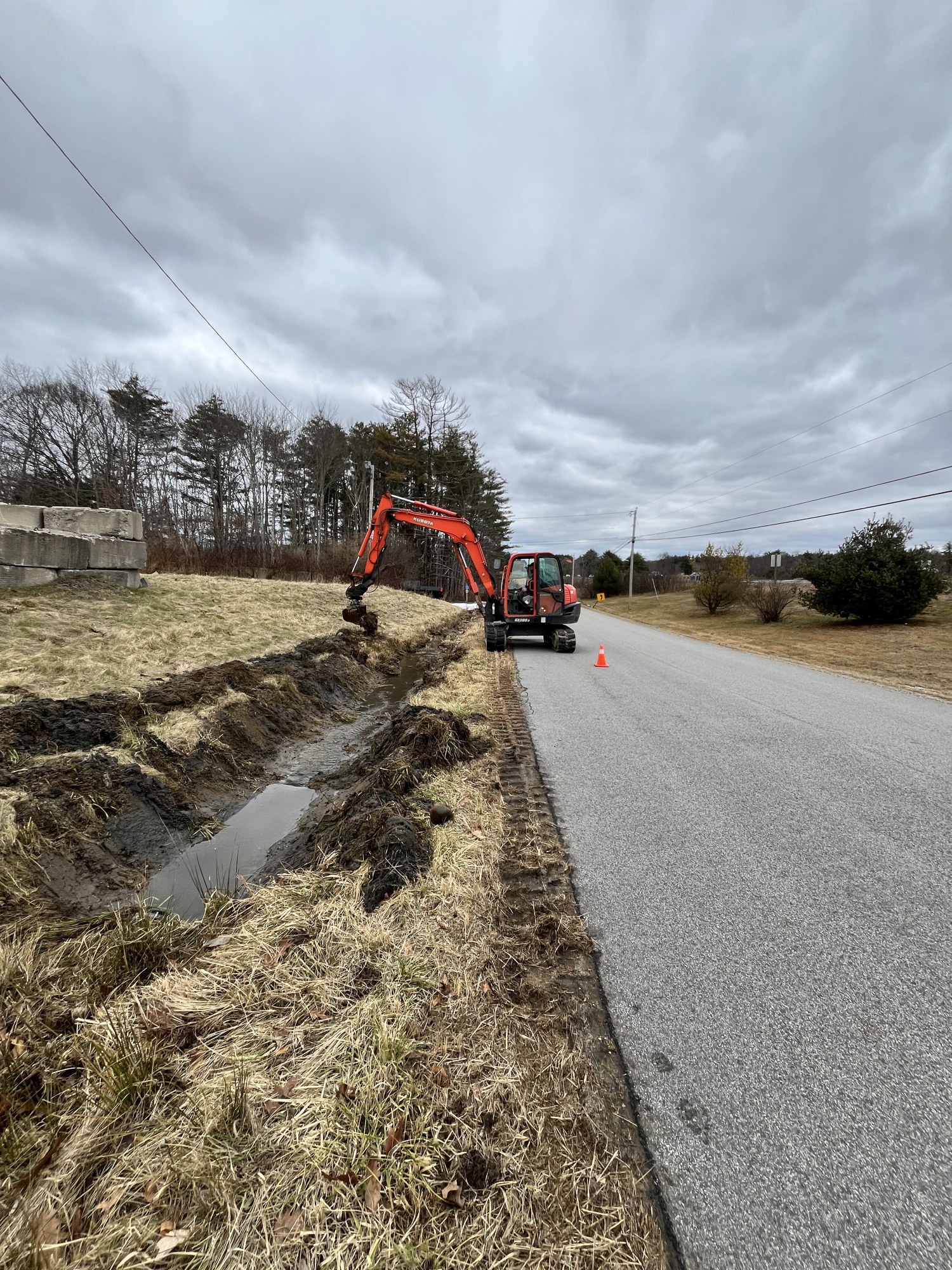
Excavation begins after the damaged area is marked and utilities are located. Heavy equipment like backhoes or excavators removes soil to reach the sewer line. The crew digs carefully as they get close to the pipe to avoid causing additional damage.
Workers create a trench wide enough to allow access for repairs. They install trench boxes or shoring to prevent soil collapse and protect anyone working in the excavation. OSHA requires these safety measures for trenches deeper than five feet.
Emergency excavation plumbing services often work around the clock to minimize sewer downtime. The team removes soil in sections and places it nearby for backfilling after repairs. They expose enough pipe on both sides of the damage to complete the repair or replacement properly.
Immediate repair or full pipe replacement
Once the damaged section is exposed, your plumber determines the best repair method. Small cracks or holes may receive spot repairs using epoxy liners or repair clamps. These solutions work for minor damage and restore function quickly.
Severe damage requires cutting out the broken section and installing new pipe. The crew measures and cuts replacement pipe to match the existing line. They connect the new section using approved couplings or by joining pipes according to local plumbing codes. If you want to understand how contractor selection affects both quality and price, reviewing how to choose sewer line repair contractors in Portsmouth, NH gives you a solid framework before committing.
After completing repairs, workers test the line for leaks and proper flow. They backfill the trench with soil in layers, compacting each layer to prevent settling. The site is restored to match surrounding grade levels and surface materials.
Proactive strategies to avoid sewer emergencies
Taking preventive steps protects your property from expensive excavation and major repairs. Regular inspections, system upgrades, and careful landscaping choices help you catch problems before they turn into emergencies.
Regular sewer inspections and maintenance
You should schedule professional sewer inspections every 18 to 24 months to identify potential issues early. Pipe camera diagnostics allow technicians to examine your pipes without excavation, revealing cracks, blockages, and deterioration before they cause system failure.
Routine drain cleaning removes buildup that leads to clogs. High pressure drain jetting uses high-pressure water to clear grease, debris, and minor root intrusions from your lines. This preventive measure costs far less than emergency repairs.
According to the U.S. EPA's region 1 guidance on eliminating sanitary sewer overflows, implementation of effective preventive maintenance programs has been shown to significantly reduce the frequency and volume of untreated sewage discharges. That finding directly supports the case for scheduled inspections and cleaning as a lower-cost alternative to emergency calls. An early year plumbing inspection is one of the simplest ways to act on that guidance before freeze-thaw season stresses aging pipes.
Keep records of your inspections and maintenance work. This documentation helps you track your system's condition over time and plan for future repairs.
Upgrading old piping systems
Older sewer pipes made from clay, cast iron, or Orangeburg deteriorate over time and become prone to collapse or leaks. If your home was built before 1980, your sewer lines likely need replacement or upgrading.
Modern PVC or HDPE pipes resist corrosion, root intrusion, and cracking better than older materials. These upgrades prevent future emergencies and increase your property value. Trenchless pipe lining can reinforce existing pipes without extensive digging, creating a new pipe inside the old one.
You should consider upgrading if you experience frequent backups, slow drains throughout your home, or visible settling in your yard above the sewer line. A video pipe inspection gives you the documentation needed to make that decision with confidence. Reviewing the cost factors for sewer replacement in Seacoast NH before pipes fail lets you budget for a planned upgrade rather than an emergency excavation.
Managing tree growth near sewer lines
Tree roots cause significant damage to sewer lines as they search for water and nutrients. Roots can penetrate small cracks and expand inside pipes, creating complete blockages that require excavation to fix.
Plant new trees at least 10 feet away from your sewer lines. Larger species like willows, poplars, and maples need 30 feet of clearance because their root systems spread extensively.
If you already have mature trees near your sewer lines, install root barriers made from metal or thick plastic. These vertical sheets redirect roots away from your pipes. You can also apply copper sulfate or foaming root killers down your drains twice yearly to prevent root growth inside pipes without harming the tree. If roots have already begun encroaching on your line, hydro jetting in Dover NH is a reliable method for clearing early-stage intrusion before it causes structural damage.
Remove tree stumps completely rather than leaving them to decay near your sewer system. Decaying root systems attract moisture and can create pathways along which new roots from neighboring trees travel toward your pipes.
Conclusion
Emergency sewer excavation requires quick action and proper planning. When you face a sewer emergency, you need to act fast to prevent property damage and health risks.
You should know that excavation and trenching work involves serious safety concerns. Your contractor must follow OSHA standards and have a proper emergency response plan before starting any dig.
Modern repair methods give you options beyond traditional excavation. Trenchless repairs can fix some problems with less digging. However, traditional excavation remains necessary for certain types of damage or collapsed lines.
You can minimize damage by responding quickly when problems first appear. Small issues often turn into major emergencies if you ignore them. Preventative drain snaking service and residential drain cleaning on a regular schedule are two of the simplest habits that keep your lines clear and reduce the risk of a sudden failure.
Working with qualified professionals protects your property and keeps workers safe. Your contractor should coordinate with local utilities, manage traffic if needed, and restore your property after repairs. Proper execution of emergency sewer excavation protects public health and gets your system working again.
Contact Seacoast Sewer & Drain the moment you notice warning signs, and get an expert on-site before a manageable problem turns into a full excavation emergency.
Recent Blog Post
Customer Reviews