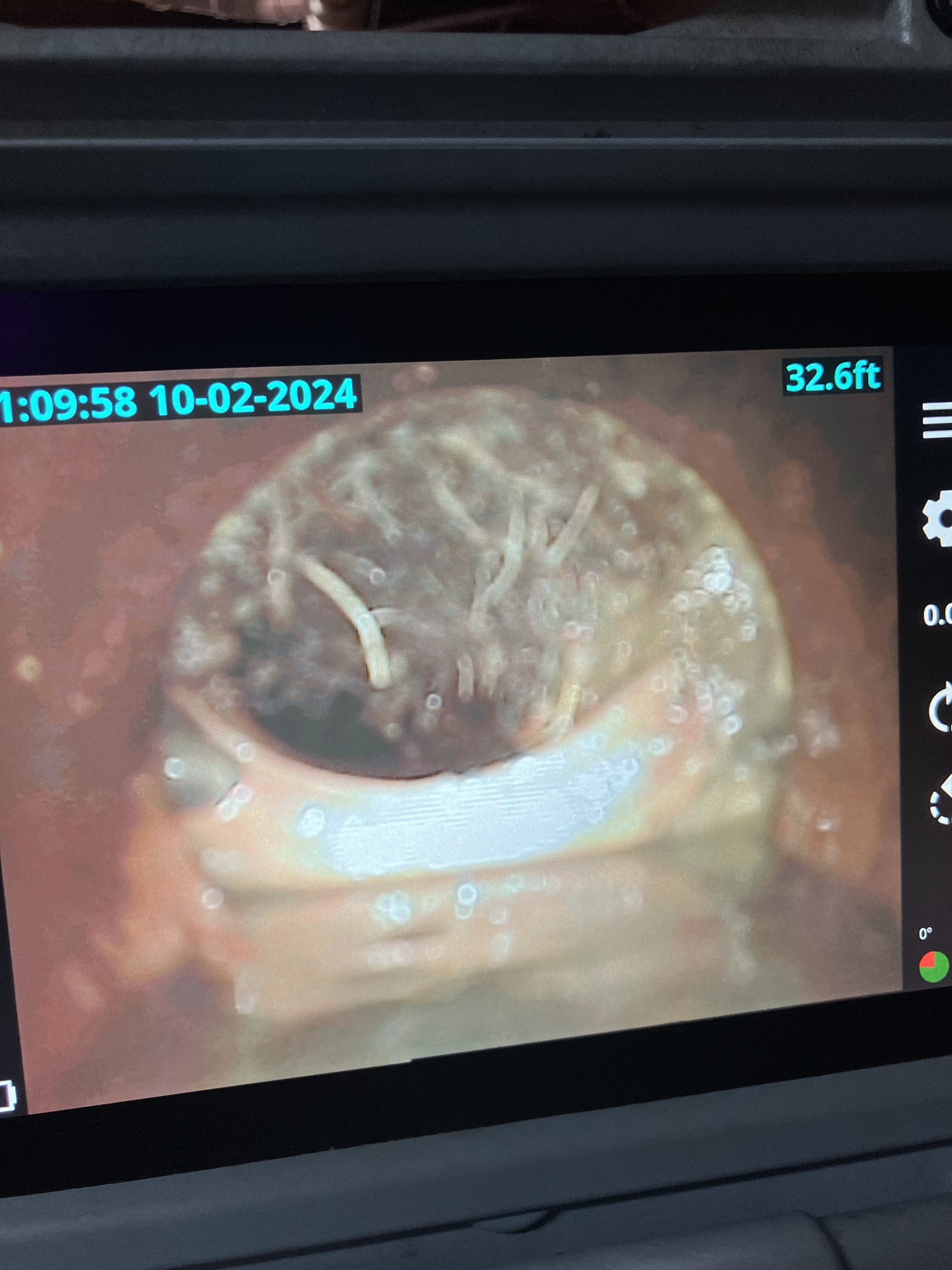


A sewer camera inspection in Portsmouth NH uses a high-resolution camera attached to a flexible cable to examine the inside of your sewer lines and identify problems like blockages, cracks, and root intrusion before they turn into expensive repairs. This technology helps homeowners and buyers make informed decisions about their plumbing systems.
Sewer problems can disrupt your home and cost thousands of dollars if left unchecked. In Portsmouth, NH, where properties range from historic waterfront homes to modern condos, what's happening beneath the ground can affect your property's value and your daily life. A sewer camera inspection gives you a clear view of your underground pipes without digging up your yard.
This article will walk you through what happens during an inspection, what problems these cameras can find, and when you should consider scheduling one for your Portsmouth property.
Here's what you'll find below:
- What is a sewer camera inspection?
- Common sewer line problems detected with camera inspections
- Benefits of sewer camera inspections in Portsmouth
- Signs you may need a sewer camera inspection
- What to expect during a professional sewer camera inspection
Whether you're buying a home, dealing with slow drains, or just want to check on your aging pipes, understanding how sewer camera inspections work can save you time and money.
What is a sewer camera inspection?
A sewer camera inspection uses specialized waterproof video equipment to examine the inside of your pipes without digging up your property. This technology allows trained technicians to identify problems in your drain and sewer lines quickly and accurately.
How video cameras inspect sewer and drain lines
A pipe camera inspection in Portsmouth involves inserting a small waterproof camera attached to a flexible cable into your sewer or drain line. The camera travels through your pipes and sends live video footage to a monitor above ground.
The equipment includes high-resolution cameras with built-in LED lights. These lights illuminate the dark pipe interiors so technicians can see clearly. The flexible cable can navigate bends and turns in your plumbing system.
As the camera moves through your pipes, technicians watch the video feed in real time. They look for specific problems like blockages, cracks, root intrusions, and pipe misalignments. The camera can also reveal corrosion, collapsed sections, and grease buildup.
Most systems include recording capabilities. This means you can receive a copy of the inspection video for your records or to share with contractors.
Difference between camera inspections and traditional methods
Traditional sewer diagnostics required guessing where problems were located. Plumbers often had to dig multiple holes in your yard to find the issue. This approach was expensive, time-consuming, and destructive to landscaping.
Underground sewer line inspection in Portsmouth with cameras eliminates most digging. Technicians only need access through existing cleanouts or drain openings. They can pinpoint the exact location of problems before any excavation begins.
Camera inspections provide visual proof of what's wrong. You can see the problem with your own eyes instead of relying solely on a technician's description. This transparency helps you make informed decisions about repairs.
The process is also much faster. A drain video inspection in Portsmouth NH typically takes 30 to 60 minutes, while traditional methods could take hours or days.
Why Portsmouth homeowners rely on professional inspections
Professional sewer line diagnostics require specialized training and equipment. Trained technicians know how to identify subtle warning signs that untrained eyes might miss. They understand pipe materials, typical failure patterns, and local soil conditions that affect Portsmouth properties.
The equipment itself is expensive and delicate. Professional-grade cameras cost thousands of dollars and need proper handling. Technicians also have the tools to access difficult inspection points safely.
Portsmouth homes range from historic properties to modern builds. Each has unique plumbing challenges. Professionals understand these differences and adjust their inspection approach accordingly.
According to the U.S. Environmental Protection Agency, the majority of the nation's sewer collection infrastructure is between 30 and 100 years old, placing it at elevated risk for leaks, blockages, and malfunctions caused by material deterioration — and the longer these problems go unresolved, the more serious they become.
Licensed inspectors also provide detailed reports with their findings. These reports include measurements, photos, and recommendations for repairs or maintenance.
Common sewer line problems detected with camera inspections
Camera inspections identify specific issues inside your sewer pipes that would otherwise remain hidden until they cause serious damage. These problems range from invasive tree roots to deteriorating pipe materials and accumulated blockages.
Tree root intrusion in sewer lines
Tree roots are one of the most common problems found during sewer camera inspections in Portsmouth. Roots naturally seek out moisture and nutrients, making your sewer lines an attractive target. They enter pipes through small cracks or loose joints and quickly expand inside.
Per the U.S. EPA — Sanitary Sewer Overflow Frequent Questions, tree roots entering sewer lines through defects or openings are a confirmed cause of blockages in sanitary sewer systems — alongside grease, sediment, and materials marked as flushable — underscoring the value of proactive camera inspections to detect intrusion before blockages develop.
Once inside, roots create thick masses that trap debris and restrict water flow. You'll notice slow drains, gurgling sounds, or frequent backups when roots have invaded your line. The camera reveals these intrusions as dark, tangled masses or hair-like tendrils extending into the pipe.
Root intrusion typically occurs in older clay or concrete pipes with separated joints. Trees planted near your sewer line increase this risk significantly. Willows, maples, and poplars are particularly aggressive in seeking out water sources.
Cracks, corrosion, and collapsed pipes
Pipe damage shows up clearly on camera inspections through visible breaks, holes, or complete collapses. Cracks develop from ground shifting, heavy traffic above the line, or natural aging of pipe materials. Even small cracks allow soil and water to enter your sewer system.
Corrosion appears as rough, deteriorated surfaces or holes eaten through the pipe walls. Cast iron and steel pipes are especially vulnerable to corrosion over time. The camera captures the extent of rust damage and wall thinning that weakens your pipes.
Collapsed sections occur when pipes can no longer support the weight above them. These appear on camera as complete blockages or crushed sections of pipe. Collapsed pipes require immediate attention since they prevent all waste flow and can cause sewage backups into your home.
Grease, sludge, and debris buildup
Camera inspections reveal accumulations of grease, sludge, and solid debris coating your pipe walls. Grease buildup starts as a thin film but hardens over time into thick deposits that narrow your pipe diameter. You'll see this as light-colored or yellowish layers on the camera feed.
Sludge appears as dark, thick material settled at the bottom of pipes. This consists of decomposed waste, soap residue, and minerals from your water. Heavy sludge buildup reduces flow capacity and creates conditions for complete blockages.
Foreign objects like wipes, feminine products, and small toys also show up during inspections. These items don't break down and catch other debris passing through your line.
Pipe misalignment and sagging sections
Bellied or sagging pipe sections create low spots where waste and water collect instead of flowing properly. The camera shows these areas as dips in the pipe where debris accumulates. Ground settling or poor installation typically causes these alignment issues.
Separated joints appear as gaps between pipe sections where connections have pulled apart. Water and waste leak through these openings into the surrounding soil. You'll see light coming through the gaps or soil visible in the pipe interior.
Offset pipes occur when sections no longer line up correctly, creating a lip or step inside the line. These misalignments catch debris and lead to recurring clogs even after cleaning.
Benefits of sewer camera inspections in Portsmouth
Sewer camera inspections give Portsmouth homeowners clear answers about their underground pipes without digging up yards or driveways. These inspections save time and money while providing detailed information about what's actually happening inside your sewer lines.
Accurate problem identification before excavation
A sewer camera shows the exact location and nature of problems in your pipes. The high-resolution camera moves through your sewer line and sends live video to a monitor above ground. This means technicians can see cracks, blockages, tree root intrusions, and pipe damage without guessing.
The camera records precise measurements of how far into the pipe each problem exists. You get specific information like "tree roots at 45 feet from the house" instead of vague estimates. This accuracy matters when you need repairs because workers know exactly where to focus their efforts.
Traditional methods required plumbers to dig in multiple spots to find issues. Camera inspections eliminate this guesswork entirely. The waterproof camera can navigate bends and turns in your sewer line while capturing clear images of the pipe's interior condition.
Saves money on unnecessary repairs
You only pay to fix problems that actually exist. Camera inspections prevent contractors from recommending expensive repairs based on assumptions. The video evidence shows whether you need a full pipe replacement or just a targeted repair.
Portsmouth homeowners often discover that their sewer issues require simple solutions. A blockage that seemed serious might just need hydro jetting instead of excavation. Small cracks might not require immediate replacement if they're not causing active problems.
The inspection itself costs far less than exploratory digging. You avoid paying crews to excavate your property just to locate a problem. The camera does this work in a fraction of the time at a fraction of the cost.
Helps plan targeted maintenance
Video footage from your sewer line helps you plan for future needs. You can see early warning signs like small cracks or minor root infiltration before they become emergencies. This information lets you budget for repairs on your timeline instead of dealing with sudden failures.
The inspection reveals the overall condition of your pipes. You'll know if your sewer line has 5 years or 20 years of useful life remaining. This knowledge helps you make smart decisions about home improvements and long-term property planning.
Regular camera inspections catch problems when they're still manageable. Annual or biannual checks give you a documented history of your pipe condition over time.
Provides video evidence for insurance or real estate needs
The recorded footage serves as proof when you file insurance claims. You have clear documentation showing what caused damage to your sewer line. This evidence supports claims for tree root damage, ground shifts, or other covered incidents.
Buyers often request sewer inspections before purchasing Portsmouth homes. You can provide recent video documentation to show your sewer line's condition. This transparency builds trust and can speed up real estate transactions.
The footage also protects you from liability disputes. If a city claims your private sewer line damaged public infrastructure, your inspection video shows the actual condition and any pre-existing issues.
Signs you may need a sewer camera inspection
Your home's sewer system often shows warning signs before major problems develop. Recognizing issues like persistent drainage problems, strange smells, yard flooding, or planning to buy an older home can help you address sewer line concerns early.
Slow drains or recurring backups
Multiple slow drains throughout your home signal a problem in your main sewer line. When water backs up in your toilets, showers, or sinks on a regular basis, the issue goes beyond a simple clog.
You might notice water backing up in your basement floor drain or bathtub when you flush the toilet. These symptoms point to a blockage or damage in your main sewer line rather than individual drain pipes.
Standard drain cleaning products won't fix main line problems. A sewer camera inspection shows you the exact location and cause of the blockage, whether it's tree roots, collapsed pipes, or buildup inside the line.
According to the U.S. EPA — NPDES Compliance Inspection Manual, grease and tree roots are the primary causes of sewer pipe blockages in residential collection systems, and sewer service connections to individual homes are among the most common points where blockages and failures occur.
Recurring backups that return after temporary fixes indicate deeper problems. The camera inspection reveals if you're dealing with pipe deterioration, severe root intrusion, or other structural issues that need professional repair.
Unpleasant odors coming from drains
Sewage smells inside your home or around your property indicate breaks or cracks in your sewer line. These odors mean wastewater gases are escaping through damaged sections of pipe.
Your sewer system should be completely sealed. When you smell sewage near drains or in your basement, it signals compromised pipe integrity that lets gases escape into your living spaces.
Bad smells in your yard, especially near where your sewer line runs, point to leaks or cracks underground. A camera inspection identifies the damaged sections so repairs can target the exact problem areas.
Don't ignore persistent sewage odors even if your drains seem to work normally. Small cracks or loose connections can release gases while still allowing wastewater to flow, but these issues will worsen over time.
Wet spots or drainage issues in your yard
Unexplained soggy patches in your lawn often indicate a leaking sewer line underneath. You might see areas of grass that stay wet even during dry weather or grow unusually green and lush from the extra nutrients in wastewater.
Sinkholes or indentations forming in your yard signal that soil is washing away beneath the surface due to a sewer leak. These depressions typically appear along the path of your sewer line from your home to the street connection.
Foundation cracks or settling near your home can result from sewer leaks undermining the soil. The camera inspection determines if your sewer line is the source of moisture problems affecting your property's structural integrity.
Pre-purchase home plumbing inspections
Older homes in Portsmouth need sewer line inspections before you finalize the purchase. Properties built before 1980 may have outdated materials like clay or cast iron pipes that deteriorate over time.
A sewer camera inspection costs between $200 and $500 but can save you thousands in unexpected repairs. Major sewer line replacements run from $3,000 to $15,000 depending on the damage extent and accessibility.
The inspection video provides documentation you can use in negotiations with the seller. You can request repairs, a price reduction, or ensure you understand the full scope of maintenance needs before closing.
Trees and mature landscaping on the property increase the risk of root intrusion into sewer lines. The camera reveals existing root damage and helps you assess the long-term condition of the underground plumbing system.
What to expect during a professional sewer camera inspection
A sewer camera inspection follows a clear process from locating access points to reviewing footage with a trained technician. You'll work with a plumber who uses specialized equipment to examine your pipes and provide a detailed assessment of any problems.
Preparation and access points for the camera
The technician starts by locating the best entry point for the camera. Most homes in Portsmouth NH have a cleanout port, which is a Y-shaped pipe fitting with a removable cap that connects to your main sewer line. You'll usually find this cleanout in your basement, crawl space, or outside near your foundation.
If your home doesn't have a cleanout, the plumber may need to access the line through a toilet, drain, or vent stack. The technician will explain which access point they plan to use before starting.
Before inserting the camera, the plumber prepares the equipment and may clear any standing water from the access point. They'll also discuss what specific issues prompted the inspection, such as slow drains or sewage backups. This helps them know which areas to examine closely during the inspection.
Live camera insertion and navigation
The plumber feeds a flexible cable with a waterproof camera head into your drain or sewer line. The camera transmits live video to a monitor that you can watch alongside the technician. Most cameras include LED lights to illuminate the inside of dark pipes.
As the cable moves through your pipes, the technician controls the speed and direction. They can pause to examine problem areas more closely. The camera travels through the entire accessible length of your sewer line, from the entry point to where your line connects with the municipal system or septic tank.
During navigation, the technician looks for blockages, cracks, root intrusion, corrosion, and pipe misalignment. The camera's footage shows the exact location and severity of any issues found.
Recording and analyzing footage
The technician records the entire inspection for detailed review and documentation. This footage includes time stamps and distance markers that pinpoint the exact location of any problems within your pipe system.
After completing the camera run, the plumber reviews key sections of the footage with you. They'll show you specific problem areas and explain what the camera revealed. You'll see the actual condition of your pipes rather than relying on estimates.
The recorded footage serves as a permanent record of your pipe's condition. You can request a copy for your records or to share with other contractors if needed.
Recommendations for repair or maintenance
Based on the camera inspection findings, the technician provides specific repair or maintenance recommendations. Minor issues like small root intrusion might only need hydro jetting to clear the blockage. More serious problems such as collapsed pipes or severe cracks may require pipe replacement or trenchless repair methods.
The plumber explains each option's scope, timeline, and cost. They prioritize recommendations based on urgency—some issues need immediate attention while others can be monitored over time.
You'll receive a written report that details all findings and suggested solutions. This documentation helps you make informed decisions about repairs and can be valuable for insurance claims or home sales.
Conclusion
A sewer camera inspection gives you clear answers about what's happening in your underground pipes. You can avoid surprise repairs and costly damage by knowing the condition of your sewer lines before problems get worse.
Portsmouth homes range from historic properties near the waterfront to newer builds throughout the city. No matter when your home was built, the sewer system needs attention. Camera inspections work for all types of properties and plumbing systems.
Professional inspection services in Portsmouth use high-resolution cameras to examine your entire sewer line. The camera feeds live video as it moves through your pipes. You can often watch the inspection happen and see exactly what the technician finds.
Schedule an inspection if you notice slow drains, frequent backups, or unusual odors. These signs point to problems that a camera can identify right away. You should also consider an inspection before buying a property or if your home is more than 20 years old.
Local inspection companies serve Portsmouth and nearby areas including Hampton, Exeter, and the seacoast region. Most inspections take just a few hours to complete.
Contact Seacoast Drain & Sewer to schedule a professional sewer camera inspection in Portsmouth NH and get a clear, documented view of your pipe condition before a hidden problem turns into an emergency repair.
Recent Blog Post
Customer Reviews