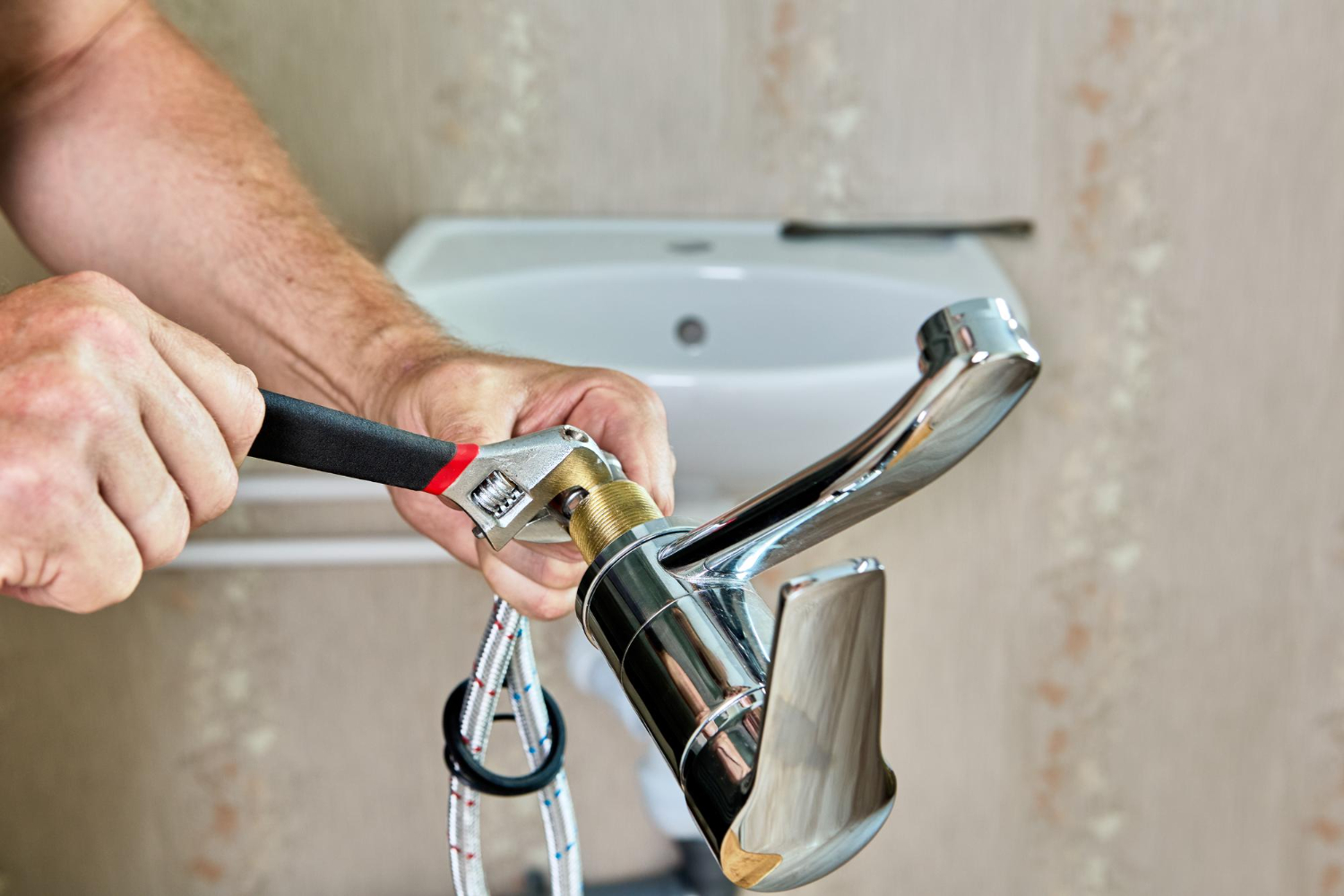


Water leaking from pipes, faucets, or fixtures can waste hundreds of gallons each month and cause serious damage to your home. A plumbing leak repair service finds and fixes these leaks before they lead to bigger problems like water damage, mold growth, or high water bills.
Professional plumbers use special tools to detect hidden leaks in walls, floors, and underground pipes, then provide fast and lasting repairs.
You might notice wet spots on walls or ceilings, hear dripping sounds, or see an unexpectedly high water bill. These are clear signs that you need help from a leak repair expert. Small leaks can seem minor at first, but they often get worse over time and cause expensive damage if ignored.
Licensed plumbers handle all types of leak repairs, from simple faucet drips to complex pipe breaks hidden behind walls. In this article, you’ll learn how a plumbing leak repair service identifies hidden water loss, stops active leaks, and restores safe water flow before damage spreads.
Here’s what you need to know:
- What is a plumbing leak repair service?
- Signs you need a plumbing leak repair service
- Common causes of plumbing leaks
- How professional leak repair works
- Benefits of hiring a professional plumbing leak repair service
- Preventative tips to avoid future plumbing leaks
Keep reading! Understanding when to call for help and what to expect from the repair process can save you money and protect your property from water damage.
What is a plumbing leak repair service?
A plumbing leak repair service fixes damaged pipes, fixtures, and connections that cause water to escape from your plumbing system. These services handle everything from visible drips under sinks to hidden leaks behind walls, using specialized equipment and trained technicians to restore your water system.
Repairing leaking or burst pipes in homes and businesses
Plumbing leak repair services fix damaged pipes in both residential and commercial properties. Technicians replace worn washers, O-rings, and gaskets in faucets and fixtures. They also repair or replace sections of damaged pipe that have cracked, corroded, or burst completely.
For residential plumbing repair, professionals handle leaks in bathrooms, kitchens, basements, and outdoor spigots. They fix connections between pipes that have loosened over time.
Commercial plumbing repair involves larger systems with more complex piping networks. Businesses need fast repairs to avoid disrupting operations and losing money.
Repair methods depend on the leak's severity and location. Minor leaks may only need resealing connections or replacing small parts. Burst pipes require cutting out damaged sections and installing new pipe segments.
Detecting hidden leaks with advanced tools
Water leak detection finds problems you cannot see with your eyes alone. Many leaks occur inside walls, under concrete slabs, or underground where they damage your property before you notice them.
Professional services use specialized equipment to locate hidden leaks:
- Acoustic listening devices that pick up the sound of water escaping from pipes
- Thermal imaging cameras that detect temperature changes from water leaks
- Moisture meters that measure water content in walls and floors
- Video inspection cameras that travel through pipes to spot cracks and damage
These tools find leaks without tearing apart your walls or floors unnecessarily. Technicians pinpoint the exact location before starting repairs, which saves you time and money. Early detection prevents mold growth, foundation damage, and high water bills.
Preventing structural and water damage
Leak repair services protect your property from serious damage. Water that escapes from pipes soaks into walls, floors, and foundations. This moisture weakens building materials and creates conditions for mold to grow.
Even small leaks waste hundreds of gallons of water over time. A slow drip from a faucet can waste 3,000 gallons per year. Larger leaks from damaged pipes waste much more and increase your utility costs significantly.
Quick repairs stop water from rotting wood framing, rusting metal supports, and crumbling drywall. They prevent ceiling stains, floor warping, and carpet damage. Fixing leaks also protects your belongings from water damage and keeps your indoor air quality healthy by preventing mold spores.
Offering emergency and scheduled repair services
Emergency leak repair services respond to urgent plumbing problems 24 hours a day, seven days a week. These situations include burst pipes flooding your home, major leaks causing active damage, or complete loss of water supply.
Emergency services dispatch technicians quickly to minimize damage. They shut off water flow, assess the problem, and make temporary or permanent repairs right away.
Scheduled repairs handle less urgent issues during regular business hours. You book an appointment for problems like slow drips, minor fixture leaks, or preventive maintenance. This option costs less than emergency calls and gives you time to prepare.
Both options use trained professionals with the right tools and parts. They diagnose problems correctly and fix them according to plumbing codes and safety standards.
Ensuring safe and reliable water flow
Plumbing leak repair services restore your water system to proper working condition. They make sure water flows where it should and stays contained within your pipes. Proper repairs maintain correct water pressure throughout your home or business.
Technicians test their work after completing repairs. They check for additional leaks, verify connections are secure, and confirm water pressure meets normal levels. This testing ensures repairs will last and your plumbing operates safely.
Safe water flow means your faucets, showers, toilets, and appliances receive clean water without contamination from leaks. Reliable systems give you consistent access to water when you need it. Professional repairs also meet local building codes and protect your property value.
Signs you need a plumbing leak repair service
Water leaks can waste thousands of gallons annually and cause serious damage to your home if left unchecked. Recognizing the warning signs early helps you avoid expensive repairs and protect your property from structural issues.
Unusually high water bills
A sudden increase in your water bill often signals a hidden leak somewhere in your plumbing system. If your water usage habits haven't changed but your bill has jumped significantly, you likely have water escaping through damaged pipes or fixtures.
Even small leaks can waste large amounts of water over time. According to the U.S. EPA WaterSense program, a faucet leak that drips once per second can waste more than 3,000 gallons of water per year, which is why even “small” drips should be treated as a repair issue, not a nuisance.
This wasted water adds up quickly on your monthly bill.
Compare your current bills to previous months. If you notice an unexplained increase of 10% or more, contact a plumbing leak repair service to inspect your system.
Wet spots, puddles, or standing water
Unexplained moisture in your home points directly to a plumbing leak. You might notice damp patches on walls, ceilings, or floors where water has seeped through from hidden pipes.
Check these common problem areas:
- Under sinks and around toilets
- Basement walls and floors
- Ceiling stains below bathrooms
- Warped flooring or buckling baseboards
- Exterior walls near plumbing lines
Standing water or persistent puddles indicate an active leak that needs immediate attention. Water damage can lead to mold growth, creating health risks for your family. Soft spots in your flooring or walls suggest water has been accumulating for some time and may have already caused structural damage.
Per the CDC, mold can grow in water-damaged buildings if materials aren’t dried out within 24–48 hours, so stopping the leak and drying affected areas quickly is a key part of preventing secondary damage
Low water pressure or inconsistent flow
A noticeable drop in water pressure throughout your home often means water is escaping through a leak before it reaches your faucets. When pipes develop cracks or holes, water pressure decreases because not all the water makes it to its intended destination.
Pay attention if your shower suddenly produces a weak stream or your faucets take longer to fill containers. Low pressure in multiple fixtures suggests a leak in your main water line or a significant problem in your plumbing system.
Inconsistent flow patterns also indicate trouble. If water pressure fluctuates without explanation or certain fixtures work fine while others struggle, you need professional leak detection. These symptoms often point to hidden leaks within walls or underground pipes that require specialized equipment to locate.
Strange sounds from pipes
Your plumbing system should operate quietly. When you hear unusual noises, it typically means something has gone wrong with your pipes.
Listen for these warning sounds:
- Hissing or whistling when water runs
- Dripping sounds inside walls
- Banging or clanging when you turn faucets on or off
- Running water when all fixtures are off
A hissing sound often indicates water spraying from a crack under pressure. Dripping noises behind walls or ceilings reveal leaks you can't see but definitely need to address. If you hear water running through pipes when you're not using any fixtures, water is leaking somewhere in your system.
Discolored or foul-smelling water
Brown, yellow, or rust-colored water coming from your taps suggests corroded pipes that may be leaking. While discoloration doesn't always mean you have a leak, it shows your pipes are deteriorating and likely to fail soon.
A musty or moldy smell in your water or around certain areas of your home indicates moisture problems. This odor often comes from mold and mildew growing where water has leaked and created damp conditions. Sewage-like smells point to potential leaks in your drainage system.
Clear water with an unusual metallic taste also signals pipe corrosion. As pipes break down, they release particles into your water supply and become more prone to developing leaks. Contact a plumbing leak repair service to inspect your pipes before small issues turn into major failures.
Common causes of plumbing leaks
Plumbing leaks happen for many different reasons, from natural wear and tear to outside forces affecting your pipes. Understanding these causes helps you spot problems early and avoid expensive damage to your home.
Aging or corroded pipes
Pipes don't last forever. Over time, the materials that make up your plumbing system break down and weaken.
Metal pipes rust from the inside out when they carry water for years. This corrosion eats away at the pipe walls until they become thin and develop holes. Older homes often have galvanized steel or iron pipes that are more likely to corrode than newer materials.
The age of your pipes matters a lot. Most metal pipes last between 20 to 50 years depending on the material and water quality. Hard water speeds up corrosion because it contains minerals that build up inside pipes and cause damage faster.
You might notice rusty or discolored water coming from your faucets when pipes start to corrode. This is a warning sign that your pipes may leak soon if they aren't already.
Ground shifting or foundation movement
The ground under your home moves more than you might think. These shifts put pressure on your pipes and can cause them to crack or separate at joints.
Soil expands when it gets wet and contracts when it dries out. This constant movement stresses underground pipes, especially in areas with clay soil that changes volume dramatically. Your foundation can also settle over time, which pulls on pipes connected to your home.
Earthquakes and minor ground tremors affect pipe stability even if you don't feel them. Small movements add up over months and years. Heavy construction nearby or large vehicles driving close to your property create vibrations that weaken pipe connections.
Pipes that run through your foundation are at high risk. When the foundation moves even slightly, it can bend or crack rigid pipes that can't flex with the movement.
Tree root intrusion
Tree roots naturally grow toward water sources, and your pipes provide exactly what they need. Roots can sense moisture from small leaks and grow into pipes through tiny cracks or loose joints.
Once inside a pipe, roots expand and create bigger openings. They act like a net that catches debris and causes clogs. The roots keep growing and can completely fill a pipe over time.
Large trees with extensive root systems pose the biggest threat. Oak, willow, maple, and poplar trees have aggressive roots that travel long distances to find water. Even trees planted far from your home can reach your pipes if their roots grow 20 to 30 feet or more.
Sewer lines and main water lines are common targets because they're buried underground where roots grow. Clay pipes and older pipe materials with joints are easier for roots to penetrate than modern PVC pipes.
Freezing or extreme temperature changes
Water expands when it freezes, and this expansion creates massive pressure inside your pipes. If the pressure gets too high, your pipes can burst or develop cracks.
According to the U.S. EPA, water expands by about 9% when it freezes, which helps explain why frozen lines can crack or burst and why freeze protection reduces emergency leak risk.
Pipes in unheated areas are most at risk. Your attic, basement, crawl spaces, and exterior walls don't always have enough warmth to keep pipes from freezing. Even a short cold snap can freeze pipes if temperatures drop below 32 degrees Fahrenheit for several hours.
The damage might not show up right away. Frozen pipes often develop small cracks that you won't notice until the ice melts and water starts flowing again.
Sudden temperature swings also stress your pipes. When pipes heat up and cool down quickly, the materials expand and contract. This repeated movement weakens joints and can cause pipes to separate or crack at connection points.
Poor installation or defective materials
Not all plumbing work is done correctly, and mistakes during installation often lead to leaks. Pipes need proper support, correct connections, and appropriate materials for each specific use.
Loose fittings happen when connections aren't tightened enough or when the wrong type of connector is used. Over-tightening causes problems too because it can crack fittings or strip threads. Using incompatible materials like connecting copper pipes directly to galvanized steel creates chemical reactions that cause corrosion.
Low-quality materials fail faster than proper plumbing supplies. Cheap washers, seals, and gaskets wear out quickly. Thin-walled pipes can't handle normal water pressure and may develop pinhole leaks.
Common installation mistakes include:
- Wrong pipe size for the water pressure
- Missing or damaged pipe hangers
- Improper slope on drain lines
- Connections without proper sealant
- Mixing different metal types without proper fittings
Your plumbing should meet local building codes, which exist to prevent these problems. Work done without permits or by unlicensed workers often misses important installation requirements.
How professional leak repair works
Professional plumbers follow a structured process to find and fix leaks in your home's plumbing system. They use specialized tools to locate problems, make precise repairs, and verify that everything works correctly before they finish the job.
Inspection and diagnostics to locate leaks
Your plumber starts by examining visible plumbing fixtures and pipes for signs of water damage. They look for water stains, mold growth, wet spots, and areas where paint or drywall appears damaged.
The inspection includes checking under sinks, around toilets, near water heaters, and in crawl spaces or basements. Plumbers test water pressure throughout your home because sudden drops often indicate a leak somewhere in the system.
They also listen for the sound of running water when all fixtures are turned off. This simple method can reveal hidden leaks in walls or underground pipes that you can't see.
Use of electronic leak detection and video inspection
Professional plumbers use electronic listening devices that pick up the sound of water escaping from pipes. These tools amplify the noise so technicians can pinpoint the exact location of a leak, even behind walls or under concrete slabs.
Thermal imaging cameras detect temperature differences caused by water leaks. Cold or hot spots on walls and floors show where pipes are leaking without requiring any demolition.
For sewer lines and drain pipes, plumbers insert small video cameras attached to flexible cables. The camera travels through your pipes and sends live video to a monitor. This lets the plumber see cracks, breaks, blockages, and root intrusions that cause leaks.
Repair or replacement of damaged pipe sections
Once your plumber locates the leak, they determine whether to repair or replace the damaged section. Minor leaks from loose connections often just need tightening or new gaskets.
Small cracks or holes in pipes can be fixed with epoxy compounds or repair clamps. These solutions work well for temporary fixes or minor damage in accessible locations.
Common pipe leak repair methods:
- Pipe replacement for severely corroded or damaged sections
- Epoxy pipe lining to seal cracks from the inside
- Compression fittings for quick repairs at joints
- Soldering or welding for metal pipe connections
- PEX or copper pipe installation for permanent fixes
When pipes are too damaged or corroded, replacement provides a longer-lasting solution. Your plumber cuts out the bad section and installs new pipe using appropriate materials that match your existing system.
Testing system for leaks and proper flow
After completing repairs, your plumber turns the water back on gradually to test the fix. They check the repaired area carefully for any signs of moisture or dripping.
The plumber tests water pressure at multiple fixtures to confirm proper flow throughout your home. Low pressure after repairs might indicate additional problems or improper installation.
They may leave the water running for several minutes while monitoring the repair site. This ensures the fix holds under normal operating conditions before they consider the job complete.
Recommendations for long-term prevention
Your plumber provides specific advice based on what they found during the inspection and repair. They might suggest replacing old fixtures or upgrading pipes that show early signs of corrosion.
Prevention tips plumbers commonly recommend:
- Monitor water pressure and install a regulator if pressure exceeds 80 PSI
- Insulate exposed pipes in unheated areas to prevent freezing
- Replace rubber supply lines every 5-7 years
- Schedule annual plumbing inspections to catch small issues early
- Address slow drains promptly before they cause backups
They explain which parts of your plumbing system need attention soon and what can wait. This helps you budget for future repairs and avoid emergency situations.
Some plumbers offer maintenance plans that include regular inspections. These plans catch problems before they become serious leaks that damage your home.
Benefits of hiring a professional plumbing leak repair service
Professional plumbers bring the right tools and training to fix leaks correctly. They protect your home from water damage while saving you money in the long run.
Stops leaks quickly to prevent property damage
Water leaks cause serious damage to your home if left unattended. Even small drips can lead to mold growth, rotted wood, and weakened structural supports over time.
Professional plumbers arrive with specialized equipment to locate and repair leaks fast. They use moisture meters and infrared cameras to find hidden leaks behind walls or under floors. This quick response stops water from spreading to other areas of your home.
Speed matters when dealing with water damage. A professional can typically fix most leaks within hours of your call. This prevents water from soaking into drywall, flooring, and insulation.
The cost of repairing water damage often exceeds thousands of dollars. By hiring a professional right away, you avoid these expensive repairs to your walls, ceilings, and foundation.
Minimizes risk of further pipe damage
DIY repairs often make plumbing problems worse. Using the wrong tools or techniques can crack pipes or damage connections.
Licensed plumbers know how to handle different pipe materials without causing harm. They understand the proper torque for fittings and which methods work for copper, PVC, or PEX pipes. Their experience helps them spot weak points in your plumbing that might fail soon.
Professional repairs protect the entire plumbing system. When fixing one leak, plumbers inspect nearby pipes for corrosion, cracks, or loose connections. They can address these issues before they turn into bigger problems.
Improper repairs create new leak points. A plumber ensures all connections are sealed correctly and pipes are properly supported to prevent future stress damage.
Provides lasting solutions rather than temporary fixes
Temporary patches only delay the real problem. Tape, epoxy, and clamps might stop a leak temporarily, but they fail within weeks or months.
Professional plumbers identify the root cause of leaks instead of just treating symptoms. They determine whether the problem stems from corrosion, high water pressure, faulty installation, or worn-out materials. This approach leads to permanent solutions.
Common temporary fixes vs professional solutions:
Temporary Fix
Professional Solution
Pipe tape
Complete section replacement
Epoxy putty
Proper welding or fitting installation
Hose clamps
New pipe segments with secure connections
Sealant spray
Fixture replacement or repiping
Quality repairs come with warranties. Most professional plumbers guarantee their work for at least one year, giving you peace of mind that the repair will last.
Saves money on water bills and emergency repairs
A dripping faucet wastes up to 3,000 gallons of water per year. Larger leaks waste much more and drive up your monthly water bills significantly.
Professional repairs stop this waste immediately. Your water bill returns to normal once the leak is fixed properly. The money you save on water costs often covers a large portion of the repair expense.
Fixing leaks early prevents emergency situations. A small leak under your sink can burst into a major pipe failure that floods your home. Emergency plumbing calls cost two to three times more than scheduled repairs.
Insurance companies may deny claims for damage caused by long-standing leaks. They expect homeowners to maintain their plumbing systems properly. Professional repairs create documentation that you addressed problems promptly.
Offers advice on maintaining your plumbing system
Professional plumbers share knowledge during service calls. They explain what caused your leak and how to prevent similar issues in the future.
You learn which warning signs to watch for in your plumbing. These include reduced water pressure, discolored water, strange noises, or damp spots on walls. Early detection helps you call for service before minor issues become major repairs.
Plumbers recommend maintenance schedules based on your home's specific needs. They might suggest annual inspections, water heater flushing, or drain cleaning services. Following their guidance extends the life of your plumbing system.
They also advise on upgrades that prevent future problems. This includes installing water pressure regulators, replacing old fixtures, or updating outdated pipe materials. These improvements protect your home and reduce repair frequency over time.
Preventative tips to avoid future plumbing leaks
Taking steps to protect your plumbing system can save you from expensive repairs and water damage. Regular maintenance and smart home care habits keep pipes in good condition and catch problems before they become major issues.
Schedule regular plumbing inspections
Professional plumbers can spot warning signs that most homeowners miss. A trained expert checks for corrosion, weak joints, and worn-out parts during an inspection.
You should schedule a full plumbing inspection once a year. This catches small problems like mineral buildup, loose fittings, or early signs of pipe deterioration. Many plumbers use special cameras to look inside pipes and find hidden damage.
Between professional visits, check visible pipes under sinks and around water heaters. Look for moisture, rust spots, or dripping water. Early detection prevents minor issues from turning into burst pipes or major water damage.
Monitor water pressure and usage patterns
High water pressure puts strain on your pipes and connections. Most homes should maintain water pressure between 40 and 60 psi. Pressure above 80 psi can damage pipes, cause leaks, and shorten the life of your plumbing fixtures.
Install a pressure gauge on an outdoor faucet to test your water pressure. If the pressure is too high, a plumber can install a pressure-reducing valve. This simple device protects your entire plumbing system.
Watch your water bills for unexpected increases. A sudden spike often means you have a hidden leak. Check your water meter before and after a two-hour period when no water is being used. If the meter changes, water is leaking somewhere in your system.
Protect pipes from freezing or extreme temperatures
Frozen pipes can burst and cause thousands of dollars in damage. Water expands when it freezes, which creates pressure that cracks pipes.
Insulate pipes in unheated areas like basements, crawl spaces, attics, and garages. Foam pipe insulation is cheap and easy to install. Pay special attention to pipes on exterior walls.
When temperatures drop below freezing, let faucets drip slightly to keep water moving. Open cabinet doors under sinks to let warm air circulate around pipes. Disconnect and drain outdoor hoses, and shut off water to exterior faucets if possible.
Upgrade old or corroded plumbing
Older plumbing materials break down over time. Galvanized steel pipes typically last 20 to 50 years before corrosion causes leaks. Brass pipes last 40 to 70 years, while copper pipes can last up to 50 years or more.
Check the age and condition of your pipes. Look for rust, discoloration, or flaking on exposed pipes. These signs mean the material is breaking down from the inside. Older homes with original plumbing should consider replacing outdated materials before they fail.
Modern materials like PEX and copper offer better durability and resistance to corrosion. Replacing old pipes prevents emergency leaks and improves water quality. While the upfront cost seems high, it's cheaper than dealing with water damage from failed pipes.
Avoid planting trees near water lines or pipes
Tree roots naturally grow toward water sources. They can wrap around pipes, crack them, or push through joints looking for moisture.
Keep trees at least 10 feet away from water lines and sewer pipes. Larger trees with aggressive root systems need even more space. Willows, poplars, and silver maples have especially invasive roots that seek out water pipes.
If you already have trees near your plumbing, consider installing root barriers. These physical shields redirect roots away from pipes. Have a plumber inspect underground lines every few years if mature trees grow close to your water system.
Conclusion
Plumbing leaks require prompt attention from qualified professionals. When you spot signs of water damage or notice unexplained increases in your water bill, contacting a licensed plumber prevents the problem from getting worse.
Professional leak repair services address both visible and hidden issues. Plumbers use specialized equipment to locate leaks behind walls, under slabs, and in underground lines. They have the training and tools to fix problems correctly the first time.
You should never ignore even small leaks. What starts as a minor drip can turn into major damage if left untreated. Water can weaken your home's foundation, damage walls and ceilings, and create health hazards from mold.
Many plumbing companies offer 24/7 emergency services for urgent situations like burst pipes. They can also schedule routine inspections to catch potential problems early. Regular maintenance helps you avoid expensive repairs down the road.
Working with licensed and insured plumbers gives you peace of mind. These professionals know local building codes and provide reliable solutions that last. They can also advise you on preventive measures to keep your plumbing system in good condition.
Schedule a water leak detection visit with Seacoast Sewer & Drain to locate the source quickly and complete a code-compliant plumbing leak repair before water damage spreads.
Recent Blog Post
Customer Reviews