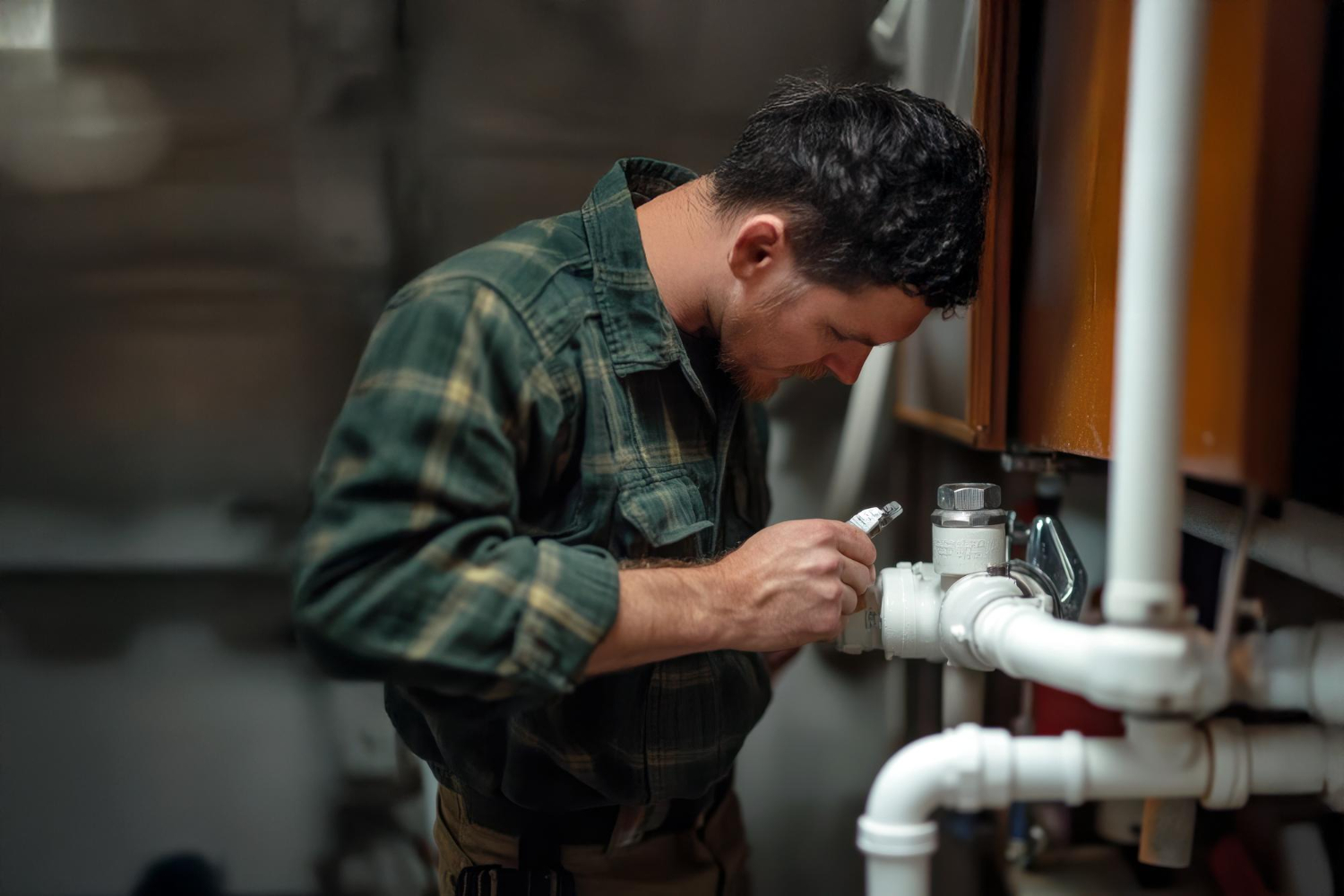


Water line problems can disrupt your daily routine and cause serious damage to your property. Seacoast water line repair companies specialize in detecting and fixing leaks, breaks, and other issues in the pipes that bring water to your home or business.
These professionals use advanced tools and techniques to solve problems quickly and effectively.
A damaged water line can lead to high water bills, low water pressure, and even flooding if left untreated. Many homeowners struggle to identify water line issues because the pipes are buried underground and out of sight. Professional repair services have the equipment and experience to locate problems and provide lasting solutions.
According to the U.S. EPA WaterSense program, household plumbing leaks commonly waste nearly 10,000 gallons of water per year, and about 10% of homes have leaks wasting 90+ gallons per day.
This guide covers the warning signs of water line damage, common causes of problems, and how experts fix these issues. It also explains the benefits of professional repair and what you can do to keep your water lines in good condition after they are fixed.
Here’s what you need to know:
- What is a water line repair company?
- Signs your water line may need repair
- Common causes of water line damage
- How professional water line repair is performed
- Benefits of hiring a professional water line repair company
- DIY vs professional water line repair
- How to maintain your water lines after repair
- Why choose Seacoast Sewer and Drain for water line repair
Keep reading! Understanding when to call for help and what to expect from water line repair services can save you time and money.
What is a water line repair company?
A water line repair company specializes in fixing and maintaining the pipes that bring clean water into homes and businesses. These professionals use specialized tools and techniques to diagnose problems, repair damage, and prevent future issues with water lines.
Types of water line repairs offered
Water line repair companies handle several types of repairs depending on the problem. Main water line repairs address issues with the primary pipe that connects a property to the municipal water supply. These repairs often involve fixing leaks, clearing blockages, or replacing damaged sections.
Trenchless repair methods allow plumbers to fix pipes without digging up entire yards or driveways. This approach uses pipe relining or pipe bursting techniques to repair or replace damaged pipes through small access points.
Per the Federal Highway Administration, trenchless utility construction methods (e.g., pipe bursting, cured-in-place lining) reduce pavement cuts and surface disruption compared with open-cut excavation, helping minimize restoration needs and project impacts.
Traditional excavation repairs involve digging trenches to access and replace broken pipes. Companies also offer emergency repair services for sudden breaks or major leaks that need immediate attention.
Common repair types include:
- Leak detection and repair
- Pipe replacement
- Valve replacement and repair
- Pressure regulation fixes
- Connection point repairs
Residential and commercial services
Residential water line service focuses on homes and addresses issues that affect daily activities like cooking, laundry, and bathing. Plumbers work on service lines that run from the street to the house and internal lines that connect to faucets, toilets, and appliances.
Commercial water line repair handles larger systems in businesses, apartment buildings, and other properties. These jobs often require more complex solutions due to higher water demands and more extensive piping networks.
Both service types include regular inspections to catch problems early. Preventative maintenance helps property owners avoid emergency situations and expensive repairs down the road.
Benefits of hiring a professional repair company
Licensed plumbers bring the right expertise to diagnose water line problems correctly the first time. They understand local building codes and permit requirements that homeowners might overlook.
Professional companies own specialized equipment like video inspection cameras and trenchless repair tools. These tools help them locate problems without unnecessary digging and complete repairs more efficiently.
Key advantages include:
- Proper diagnosis of underlying issues
- Access to professional-grade materials
- Warranty protection on repairs
- Faster completion times
- Reduced property damage during repairs
Experienced plumbers can spot potential problems during inspections and fix them before they turn into major emergencies. This saves property owners from dealing with water damage, mold growth, and higher repair costs later.
Signs your water line may need repair
Water line problems can start small but quickly lead to expensive damage if left unchecked. Homeowners should watch for low water pressure, discolored water, wet spots in their yard, and pipes that leak often.
Low water pressure or fluctuating flow
Low water pressure throughout the home often signals a problem with the main water line. When pressure drops suddenly or stays weak even when only one faucet runs, a leak or blockage may exist in the line.
Fluctuating water flow creates another warning sign. If water pressure changes without explanation or seems inconsistent between different fixtures, the main line could have damage or corrosion inside.
Homeowners should check if the problem affects just one fixture or the whole house. When low pressure shows up at multiple locations, the issue likely sits in the main water line rather than individual pipes. A broken or corroded line restricts water flow before it reaches the home.
Taking action quickly prevents the problem from getting worse. Professional plumbers can inspect the line and identify the exact cause of pressure changes.
Water discoloration or foul taste
Discolored water coming from taps indicates possible water line damage. Brown, yellow, or rust-colored water often means corrosion has started inside the pipes. This happens when older metal pipes break down over time.
The water may also develop an unusual taste or smell. A metallic taste suggests rust or other contaminants have entered the water supply through damaged sections of the line.
These signs should never be ignored. Contaminated water can create health risks for everyone in the home. If discoloration appears at multiple faucets and doesn't clear up after running the water for a few minutes, the main water line needs inspection.
Pipe corrosion weakens the line's structure and can lead to complete failure. Replacing damaged sections protects both water quality and the home's plumbing system.
Unexplained wet spots or pooling water
Wet patches in the yard with no clear cause point to underground water line leaks. These soggy areas often appear in the same spot and don't dry out even during warm weather.
Pooling water near the foundation or driveway creates another red flag. Water escaping from a broken line saturates the soil above it. Over time, this creates visible wet spots or even small puddles on the surface.
Homeowners may also notice their lawn stays greener in certain areas compared to the rest of the yard. This happens because leaked water keeps feeding those specific spots.
Foundation damage can occur when water pools near the home's base. The excess moisture weakens soil stability and can lead to cracks in the foundation. Water bills often spike when underground leaks go undetected, as water continuously flows out of the damaged line.
Frequent pipe leaks or bursts
Repeated pipe problems throughout the home suggest the main water line has deteriorated. When homeowners call plumbers for leak repairs more than once or twice per year, the entire system may be failing.
Pipe bursts require immediate attention and often indicate serious line damage. High water pressure from blockages or corrosion can cause pipes to fail suddenly. Old pipes made from outdated materials like galvanized steel become more prone to bursting as they age.
Multiple leaks in different locations show that pipe material has reached the end of its useful life. Patching individual leaks provides only temporary relief when the whole line needs replacement.
Visible signs of corrosion on exposed pipes offer clear evidence of deterioration. Homeowners should examine any accessible sections of their water line for rust, discoloration, or weak spots that feel soft when touched.
Common causes of water line damage
Water lines face threats from natural wear, environmental conditions, and human activities. The pipes that bring clean water to homes can deteriorate from corrosion, get blocked by tree roots, shift with unstable ground, or break during nearby construction work.
Corrosion and aging pipes
Older water lines naturally break down over time. Metal pipes corrode from the inside out as water and minerals wear away the material.
Galvanized steel pipes, common in homes built before 1960, typically last 40 to 50 years before corrosion becomes a serious problem. Copper pipes last longer but still corrode from acidic water or high mineral content. The corrosion process creates weak spots that eventually leak or burst.
Signs of corroded pipes include:
- Discolored or rust-tinted water
- Reduced water pressure
- Frequent leaks in different locations
- Visible rust on exposed pipe sections
Cast iron pipes also rust and develop scale buildup that narrows the pipe opening. Once corrosion starts, it spreads faster as compromised areas allow more water contact with bare metal. Replacing aging pipes before they fail prevents water damage and service disruptions.
Tree root intrusion
Tree roots grow toward water sources and can penetrate underground water lines. Roots enter through small cracks or loose pipe joints, then expand inside the pipe as they grow.
The roots block water flow and create pressure that cracks the pipe walls. Trees planted near water lines pose the biggest risk, especially fast-growing species like willows, maples, and poplars. Their root systems can extend two to three times wider than their canopy.
Clay and cast iron pipes are most vulnerable to root damage because they have more joints where roots can enter. Even small hairline cracks attract roots searching for moisture. Once inside, roots form thick mats that completely block the line.
Older neighborhoods with mature trees see more root-related water line problems. Professional plumbers use video cameras to inspect pipes and locate root damage before it causes a complete blockage.
Shifting soil or ground movement
Ground movement puts stress on rigid water lines buried underground. Soil expands and contracts with temperature changes, moisture levels, and freeze-thaw cycles.
Clay soil expands significantly when wet and shrinks when dry. This movement bends pipes and breaks joints. Settling soil from new construction or erosion also shifts pipes out of alignment.
Ground conditions that damage water lines:
- Expansive clay soil
- Areas with frequent freeze-thaw cycles
- Locations with poor drainage
- Ground near construction sites
Earthquakes and sinkholes cause sudden ground shifts that snap water lines instantly. Even minor soil movement over months or years weakens pipe connections. The stress accumulates until pipes crack or separate at joints.
Proper drainage around foundations reduces soil movement. Flexible pipe materials handle ground shifts better than rigid pipes.
Accidental damage from construction or digging
Construction equipment and digging projects break water lines every day. Homeowners and contractors strike buried pipes when installing fences, planting trees, or doing landscaping work.
Most accidental breaks happen because people don't know where water lines run. The pipes sit 3 to 6 feet underground, hidden from view. Backhoes, post hole diggers, and trenchers easily cut through pipes.
Utility companies mark main water lines before construction, but private lines from the main to the house aren't always marked. Property owners must request private utility location services or review property records showing pipe locations.
Even hand digging can crack old or corroded pipes. The impact from hitting a pipe with a shovel creates fractures that leak immediately or fail weeks later. Calling 811 before any digging project helps prevent these accidents and the expensive repairs they cause.
How professional water line repair is performed
Professional water line repair follows a systematic approach that includes thorough inspection, selection of appropriate repair methods, proper sealing or replacement of damaged sections, and verification testing. These steps ensure reliable repairs that protect homes from water damage and maintain consistent water service.
Inspection and leak detection
Professional plumbers begin every water line repair with a detailed inspection to locate the problem and assess its severity. They use specialized equipment like acoustic sensors, pressure gauges, and video cameras to find leaks without unnecessary digging.
Modern leak detection tools can pinpoint exact problem areas in underground pipes. This technology saves time and reduces the amount of excavation needed.
The inspection also reveals the pipe material, age, and overall condition. Plumbers check for corrosion, cracks, tree root intrusion, and other damage that might affect the repair approach.
After locating the issue, professionals provide property owners with a clear assessment. This includes the cause of damage, recommended repair method, and expected timeline for completion.
Traditional vs trenchless repair methods
Traditional repair methods involve excavating the ground to access damaged pipes directly. Workers dig trenches to expose the water line, remove the damaged section, and install new piping. This approach works well for severe damage or when complete pipe replacement is necessary.
Trenchless technology offers an alternative that minimizes excavation requirements. Methods like pipe lining and pipe bursting allow repairs without extensive digging.
Pipe lining creates a new pipe inside the old one using epoxy resin. Pipe bursting breaks apart the damaged pipe while simultaneously pulling new pipe into place.
Trenchless methods typically cost more upfront but reduce landscape restoration expenses. They also complete repairs faster and cause less disruption to driveways, sidewalks, and gardens.
The choice between traditional and trenchless methods depends on pipe condition, location, soil type, and budget considerations.
Pipe replacement and sealing techniques
When sections of water line are beyond repair, plumbers remove damaged segments and install new piping. Common materials include copper, PEX (cross-linked polyethylene), and HDPE (high-density polyethylene).
Professional installers use proper coupling and fitting techniques to connect new pipe sections. They ensure secure joints that can withstand water pressure and ground movement.
For smaller leaks and cracks, sealing methods provide effective solutions. Plumbers use epoxy compounds, repair clamps, or compression fittings to stop leaks without full replacement.
All connections must meet local plumbing codes and standards. Professionals follow manufacturer specifications for materials and installation procedures to guarantee long-term performance.
Post-repair testing to ensure proper operation
After completing repairs, plumbers conduct pressure tests to verify the water line functions correctly. They pressurize the system and monitor for drops that would indicate remaining leaks.
Water flow tests confirm adequate pressure and volume throughout the property. Technicians check multiple fixtures to ensure consistent performance.
The repair area receives a final inspection before backfilling any excavated sections. Plumbers examine connections, fittings, and new pipe segments one last time.
Property owners receive documentation of the work performed, materials used, and any warranties. Professional teams also restore landscaping and surfaces to their original condition, leaving the property clean and functional.
Benefits of hiring a professional water line repair company
Professional water line repair companies bring specialized skills and equipment that most homeowners lack. Working with trained experts protects your property and ensures repairs last for years.
Fast, accurate diagnosis and repair
Professional plumbers use specialized tools to identify water line problems quickly. They have cameras that can see inside pipes and electronic leak detectors that pinpoint exact problem areas. This technology eliminates guesswork and prevents unnecessary digging.
A trained technician can diagnose issues in minutes that might take an untrained person hours or days to find. They understand how different pipe materials behave and know the common failure points in various water line systems. This experience helps them spot problems before they become serious.
Speed matters most during emergency water line repair situations. A burst pipe or major leak can flood a property in hours. Professional repair companies often offer 24/7 service and arrive prepared with the right parts and tools. They complete repairs efficiently, restoring water service and preventing extensive water damage.
Reduces risk of further leaks or property damage
Improper repairs often create new problems. A homeowner who patches a leak without addressing the root cause may face another break within weeks. Professional plumbers fix the underlying issue, not just the visible symptom.
According to the CDC, to prevent mold growth after water intrusions, water-damaged areas and items should be dried within 24–48 hours; otherwise, mold is likely to develop and pose health risks.
Water line damage can affect foundations, landscaping, and interior structures. Professionals know how to minimize disruption during repairs. They use trenchless methods when possible and protect surrounding areas during excavation work.
Licensed plumbers also carry insurance that covers any accidental damage during repairs. If a problem occurs, homeowners have financial protection. DIY repairs offer no such safety net, leaving property owners responsible for all costs if something goes wrong.
Ensures compliance with plumbing codes
Local building codes set specific requirements for water line materials, installation depths, and connection methods. These rules exist to protect public health and water quality. Professionals stay current on code requirements and pull necessary permits.
Unpermitted work can cause serious problems when selling a home. Inspectors may require complete replacement of non-compliant water lines. This turns a small repair into a major expense. Code-compliant work done by licensed professionals adds value and passes inspection.
Some jurisdictions require licensed plumbers for any work on main water lines. Attempting DIY repairs in these areas may result in fines. Professional companies handle all paperwork and inspections, keeping homeowners in full compliance.
Extends the life of your water line system
Quality repairs prevent premature system failure. Professionals use proper materials that match existing pipes and withstand local soil conditions. They know which products last longest in different environments.
A skilled plumber also spots early warning signs during repairs. They may notice pipe corrosion, root intrusion, or shifting soil that threatens the entire water line. Addressing these issues early prevents complete system failure.
Many professional repair services include warranties on parts and labor. These guarantees protect homeowners from defective materials or workmanship issues. If problems arise within the warranty period, the company fixes them at no additional cost.
DIY vs professional water line repair
Water line repairs require specialized knowledge and equipment that most homeowners don't possess. Professional plumbers bring training, proper tools, and licensing that protect both the property and the homeowner from costly mistakes.
Risks of improper repairs and water damage
Amateur water line repairs often create more problems than they solve. A small leak can turn into a flood when someone without proper training attempts to fix it. Water damage spreads quickly through walls, floors, and foundations.
Improper repairs lead to mold growth within 24-48 hours. This creates health risks and expensive remediation costs. Hidden leaks from poorly done repairs can go unnoticed for weeks or months.
Without proper training, homeowners may:
- Damage adjacent pipes while attempting repairs
- Use incorrect materials that fail quickly
- Miss the root cause of the problem
- Create new leak points
- Violate local building codes
Professional plumbers identify underlying issues that caused the initial problem. They prevent repeat failures by addressing these root causes. Their work comes with warranties that protect homeowners from future repair costs.
Safety concerns and correct tools required
Water line work involves serious safety risks. Underground utility lines carrying electricity, gas, and telecommunications run near water pipes. Striking these lines causes injuries, service disruptions, and legal liability.
Professional plumbers use specialized locating equipment to map underground utilities. They follow OSHA safety protocols and carry proper insurance. Homeowners who hit a gas line face emergency response costs that reach thousands of dollars.
The job requires tools most people don't own. Pipe cutters, compression fittings, trenching equipment, and pressure testing devices are necessary. Quality versions of these tools cost hundreds or thousands of dollars for a single repair.
Professionals also need proper permitting for water line work. Working without permits results in fines and problems when selling the home. Inspectors may require complete replacement of unpermitted work.
Ensuring long-term durability and reliability
Professional repairs last longer because they use correct materials and techniques. Licensed plumbers understand which pipe materials work best for specific soil conditions and water chemistry. They know proper depth requirements and backfill procedures.
Water lines need adequate support and protection from freezing. Professionals install pipes at the correct depth below the frost line. They use appropriate bedding materials that prevent future settling and stress on joints.
Experienced plumbers pressure test their work before closing walls or filling trenches. This catches problems immediately rather than weeks later. They also ensure proper connections to the main supply line maintain water pressure throughout the home.
Their expertise extends to local regulations and water quality requirements. They select materials that meet current codes and avoid future compliance issues.
How to maintain your water lines after repair
Taking care of water lines after a repair helps them last longer and stops new problems from starting. Simple actions like checking pipes regularly and avoiding harsh chemicals protect the investment homeowners make in their plumbing system.
Regular inspection and leak monitoring
Homeowners should check their water lines at least once every few months for signs of trouble. Looking at exposed pipes in basements, crawl spaces, and under sinks takes only a few minutes but can catch problems early.
Key areas to inspect include:
- Pipe connections and joints
- Areas where pipes enter or exit walls
- Spots where previous repairs occurred
- Outdoor spigots and exterior lines
Water meters provide a simple way to detect hidden leaks. Homeowners can turn off all water fixtures and check if the meter still moves. Any movement indicates water flowing somewhere in the system.
Monitoring water pressure also helps spot developing issues. Sudden drops in pressure or unusual fluctuations often signal problems in the line. A pressure gauge attached to an outdoor spigot gives accurate readings.
Avoiding corrosive chemicals and debris in pipes
Harsh chemicals damage water lines from the inside and create weak spots that lead to leaks. Homeowners should never pour drain cleaners, paint thinners, or industrial solvents down drains.
These substances eat away at pipe materials over time. Even small amounts cause gradual deterioration that shortens the life of water lines.
Items that should never enter drains:
- Chemical drain cleaners
- Grease and cooking oils
- Coffee grounds
- Paint or solvents
- Medication
Tree roots pose another threat to underground water lines. Planting trees at least 10 feet away from water lines prevents roots from growing into pipes and causing cracks. Slow-growing trees with less aggressive root systems work best near water infrastructure.
Scheduling professional maintenance
Professional plumbers should inspect water lines once a year to identify issues before they become serious. These inspections catch problems that homeowners might miss during routine checks.
Annual inspections let plumbers use specialized equipment like cameras and pressure tests. They can spot early signs of corrosion, small cracks, or weak joints that will fail without intervention.
Plumbers also check for soil shifts and ground movement that put stress on pipes. They assess whether supports need adjustment or if sections require reinforcement.
Areas with hard water benefit from more frequent professional visits. Mineral buildup reduces water flow and creates pressure points that weaken pipes over time.
Watching for early warning signs of pipe problems
Several signs indicate developing water line problems that need immediate attention. Wet spots in the yard, especially when it hasn't rained, suggest a leak in an underground line.
Discolored water coming from taps means rust or sediment has entered the system. This often points to pipe corrosion or cracks letting soil into the line.
Warning signs that require action:
- Unexplained increases in water bills
- Sounds of running water when fixtures are off
- Low water pressure throughout the house
- Damp spots on walls or ceilings
- Unusual odors from drains
Strange noises like banging or whistling when turning on faucets indicate pressure problems or loose pipes. These sounds mean the system needs evaluation before damage occurs.
A sudden spike in the water bill without increased usage almost always means a leak exists somewhere in the system. Even small leaks waste significant amounts of water over time and signal a problem requiring repair.
Why choose Seacoast Sewer and Drain for water line repair
Seacoast Sewer and Drain brings over 20 years of plumbing experience to water line repair projects across York County. The company combines skilled technicians, modern diagnostic tools, and local expertise to handle both simple repairs and complex water line replacements.
Experienced plumbing specialists
The team at Seacoast Sewer and Drain has been providing professional plumbing Seacoast services since 2013. Their technicians have handled water line issues for more than two decades, giving them the knowledge to identify problems quickly and recommend the right solutions.
Water line problems can range from small leaks to major breaks. The company's specialists know how to work with different pipe materials including copper, PVC, and galvanized steel. They understand how age, soil conditions, and water pressure affect pipe integrity.
Each technician receives ongoing training in current repair methods and safety protocols. This ensures they can handle both traditional repair techniques and newer trenchless options when appropriate for the situation.
Residential and commercial expertise
Seacoast Sewer and Drain works with homeowners and business owners throughout the region. Residential water line repairs often involve fixing connections between the main water supply and individual homes. Commercial projects may require larger-scale repairs to serve multiple units or high-demand facilities.
The company handles different building codes and permit requirements for various property types. They know what inspectors look for and ensure all work meets local standards.
Property owners receive straightforward explanations of what needs repair and why. The team provides cost estimates before starting work so clients can make informed decisions about their water line repair Seacoast projects.
Advanced equipment for accurate repairs
The company uses video camera inspection systems to examine the inside of water lines. These cameras show the exact location and nature of problems without unnecessary digging. High-pressure water jetting clears blockages and buildup from pipe walls.
Key diagnostic tools include:
- Digital leak detection equipment
- Pipe locating devices for underground lines
- Pressure testing systems
- Video recording capabilities for documentation
Power snaking equipment handles stubborn obstructions while minimizing damage to existing pipes. When replacement is necessary, the team has access to quality materials and installation equipment.
Fast, reliable service with local knowledge
Seacoast Sewer and Drain operates as a locally owned business in Kittery, Maine. Their familiarity with the area means they understand regional soil types, common pipe problems, and weather patterns that affect water lines.
The company responds quickly to service calls because they know water line failures need immediate attention. Burst pipes and major leaks can cause property damage within hours.
Their service area covers communities throughout York County and nearby New Hampshire locations. This local focus allows them to maintain competitive pricing while delivering prompt service to customers who need water line repairs.
Conclusion
Choosing the right water line repair company protects a property's water system and prevents costly damage. Seacoast stands out for its award-winning water quality and expertise in detecting and fixing leaks.
Property owners should look for companies with proper licensing and insurance before making a decision. Experience matters when dealing with water line issues, as skilled technicians can identify problems quickly and recommend the best solutions.
Water service line repairs typically cost around $1,005 nationally. Simple fixes may run a few hundred dollars, while complex repairs can reach nearly $4,000.
Modern repair methods like trenchless techniques minimize disruption to lawns and landscaping. These approaches require less digging and preserve the property's appearance during repairs.
Acting quickly when water line problems appear reduces the risk of extensive damage. Low water pressure, wet spots in the yard, or unexplained increases in water bills often signal issues that need attention. Professional water line repair companies have the tools and training to fix problems efficiently and restore normal water service.
Schedule your water line repair today with Seacoast Sewer & Drain—our licensed technicians will locate the leak, perform trenchless or traditional repairs as appropriate, and pressure-test the line to verify safe, reliable flow.
Recent Blog Post
Customer Reviews