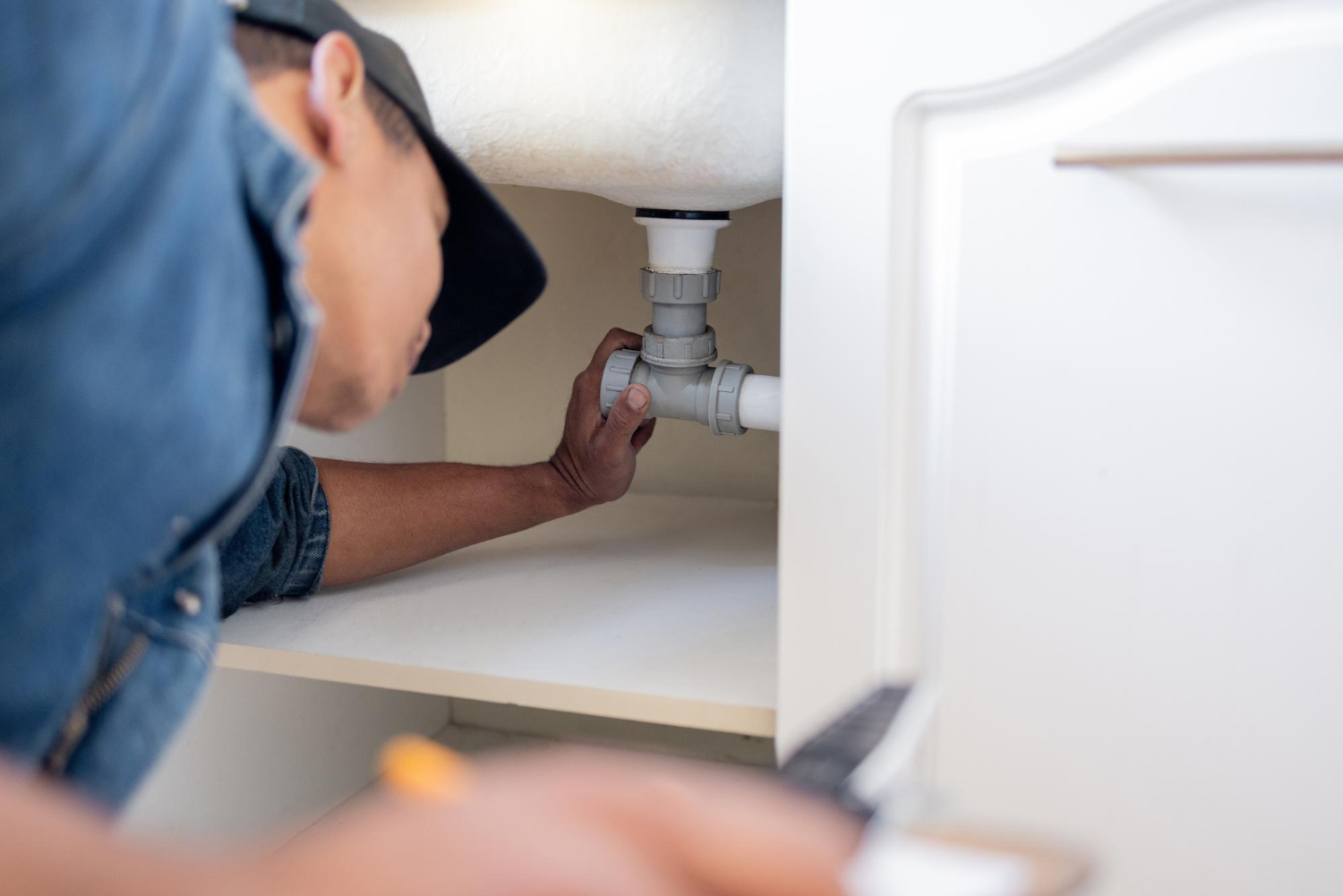


Starting the year with a plumbing inspection can save you from unexpected problems and expensive repairs down the road. An early year plumbing inspection helps you catch small issues before they turn into major emergencies, setting up your home for reliable plumbing throughout the entire year.
Most homeowners wait until something breaks to call a plumber, but this approach often costs more money and creates more stress. January is an ideal time to schedule this inspection because you can address any issues early before they get worse.
A professional plumber can spot problems you might miss during a routine inspection. They check your pipes, fixtures, water heater, and drains to make sure everything works properly. This type of inspection usually costs around $200 and gives you peace of mind knowing your plumbing system is in good shape.
You'll learn what components get checked, when you need an inspection, and how to maintain your plumbing after the visit.
Here’s what you’ll find below:
- Early year plumbing inspection: Start the year with reliable plumbing
- What is an early year plumbing inspection?
- Benefits of scheduling an early year plumbing inspection
- Common components checked during an inspection
- Signs it's time for a plumbing inspection
- How professional plumbers conduct inspections
- Preventative maintenance tips after inspection
Taking this proactive step protects your home and helps you avoid dealing with plumbing disasters later in the year.
Early year plumbing inspection: Start the year with reliable plumbing
January is one of the best times to schedule a plumbing inspection for your home. Winter weather puts extra stress on pipes and fixtures, making it easier to spot problems that might stay hidden during warmer months.
Why inspect plumbing in January:
- Catch winter-related issues like frozen pipes or ice damage early
- Find small leaks before they become expensive repairs
- Check water heaters working harder in cold weather
- Identify problems before they disrupt your year
A professional inspection covers the main parts of your plumbing system. Your plumber will check visible pipes, water pressure, drains, and fixtures throughout your home. They look for leaks, corrosion, clogs, and signs of wear.
According to the U.S. EPA WaterSense program, the average household’s leaks can waste nearly 10,000 gallons of water per year, and 10% of homes have leaks that waste 90 gallons or more per day.
Early detection saves you money. A small leak that drips one drop per second wastes about 3,000 gallons of water per year. Finding and fixing these issues now prevents higher water bills and potential water damage to your home.
Starting the year with a plumbing inspection gives you peace of mind. You know your system is working properly and can handle daily demands. This proactive approach means fewer emergency calls and unexpected breakdowns during the year.
Schedule your inspection with a licensed plumber you trust. They have the tools and experience to spot issues you might miss. Regular inspections, starting in January, help your plumbing last longer and work better.
What is an early year plumbing inspection?
An early year plumbing inspection is a scheduled checkup of your entire plumbing system conducted in January or early February. This preventive service examines pipes, fixtures, drains, and water-related equipment to catch problems before they become expensive emergencies.
Comprehensive check of all plumbing systems
During an early year inspection, a licensed plumber examines every part of your plumbing system from top to bottom. This includes checking all visible pipes under sinks, in basements, and in crawl spaces. The inspection covers water heaters, sump pumps, and pressure regulators.
Your plumber will test water pressure at different fixtures throughout your property. They'll examine shut-off valves to make sure they work properly in case of emergency. The inspection also includes checking outdoor components like hose bibs and irrigation system connections that may have been affected by winter weather.
Most inspections combine visual checks with specific tests for pressure, temperature, and water quality. This thorough approach ensures nothing gets overlooked in your plumbing system.
Identifying leaks, clogs, and potential failures
The inspection focuses on finding issues that aren't obvious yet but could cause serious damage later. Small leaks behind walls or under floors often go unnoticed until they create water damage or mold growth. A plumber uses specialized tools to detect these hidden problems.
Slow drains and partial clogs get identified before they become complete blockages. Your plumber may use a camera inspection to look inside your drain lines and sewer pipes. This technology shows the exact condition of pipes without having to dig or break through walls.
Common problems found during inspections:
- Corroded pipe connections
- Worn-out washers and seals
- Tree root intrusion in sewer lines
- Sediment buildup in water heaters
- Failing pressure relief valves
Early detection of these issues prevents emergencies and protects your property from water damage.
Serving both residential and commercial properties
Residential plumbing inspection services check single-family homes, apartments, and condos for homeowner-specific concerns. These inspections typically cost around $200 and take two to three hours. They focus on fixtures, appliances, and systems that families use daily.
Commercial plumbing inspection services handle larger and more complex systems in businesses, office buildings, and industrial facilities. Commercial properties often have multiple water heaters, extensive pipe networks, and specialized equipment. These inspections may require multiple visits and cost more based on building size.
Both types of inspections follow similar principles but adapt to the property's specific needs and usage patterns.
Ensuring safety, water efficiency, and system reliability
Your plumbing system affects your health and safety in ways you might not consider. Inspectors check for cross-contamination risks where drinking water could mix with wastewater. They test water temperature at fixtures to prevent scalding injuries.
According to the U.S. EPA, backflow is the unintended reversal of water flow through a cross-connection and can create a serious public health hazard, which is why inspections often include checking applicable cross-connection points and backflow prevention devices.
Gas line inspections are included when your water heater or other appliances use natural gas or propane. The plumber checks for leaks and ensures proper ventilation to prevent carbon monoxide buildup.
Water efficiency gets evaluated by measuring flow rates and identifying fixtures that waste water. Your inspector can spot toilets with phantom flushes and faucets that drip constantly. Fixing these problems reduces your water bills while conserving resources.
System reliability means your plumbing works when you need it without surprise failures. Regular inspections extend the life of pipes and equipment by catching wear before it causes breakdowns.
Scheduling inspections at the start of the year for preventative care
January plumbing inspections help you start the year with proactive maintenance instead of reactive repairs. Most plumbing systems need professional inspection once a year, and early year timing provides specific advantages.
Winter can stress your plumbing through freezing temperatures and increased indoor water use. An early year inspection catches any damage from these seasonal factors before it worsens. You can address issues discovered during the inspection before spring and summer when plumbers get busier and scheduling becomes harder.
Homes with older pipes or past plumbing issues should schedule inspections every year without delay. Newer homes with standard usage can sometimes wait 18 to 24 months between inspections. Schedule an inspection sooner if you notice slow drains, strange noises, or higher water bills regardless of your last inspection date.
Planning this service at the start of the year establishes a maintenance schedule you can follow annually. This timing reduces the likelihood of unexpected emergencies or major disruptions throughout the rest of the year.
Benefits of scheduling an early year plumbing inspection
Getting your plumbing checked at the start of the year helps you find problems while they're still small and gives you time to fix issues before busy seasons arrive. Early inspections keep your system running well and prevent surprise breakdowns when you need your plumbing most.
Detect minor issues before they become major problems
Small plumbing issues rarely stay small for long. A tiny leak behind your wall can damage wood framing and drywall for months before you notice. A slow drain might seem minor, but it often means a clog is forming deeper in your pipes.
An early year inspection catches these problems when they're still easy to fix. Your plumber can spot worn pipe connections, corroded fixtures, and small leaks that aren't visible yet. They can also find buildup in drains before it causes a complete blockage.
Fixing a small leak costs much less than replacing water-damaged floors or walls. Clearing a partial clog takes minutes, while removing a full blockage might require cutting into pipes. When you schedule your inspection early, you have time to plan repairs and budget for them properly.
Prevent costly water damage and emergency repairs
Water damage is one of the most expensive home repairs you can face. A burst pipe or major leak can cause thousands of dollars in damage within hours. Emergency plumber visits also cost more than scheduled appointments, sometimes two or three times the regular rate.
Early inspections help you avoid these emergency situations. Your plumber checks pipe condition, water pressure levels, and connection points that might fail. They look for signs of freezing damage from winter and test your sump pump if you have one.
You also get time to address problems before they turn into emergencies. If your water heater shows signs of failing, you can replace it on your schedule instead of dealing with no hot water and flooding.
Improve water pressure and efficiency
Low water pressure makes showers weak and filling pots take forever. High water pressure wastes water and damages fixtures over time. Both problems cost you money and make daily tasks harder.
A plumbing inspection identifies what's causing pressure issues. Mineral buildup in pipes, partially closed valves, or hidden leaks all affect water flow. Your plumber can also check for running toilets and dripping faucets that waste water without you noticing.
Fixing these issues lowers your water bills. A single running toilet can waste 200 gallons per day. A small faucet drip wastes about 3,000 gallons per year. When your plumbing works efficiently, you use only the water you actually need.
Extend the lifespan of plumbing fixtures and pipes
Your plumbing system represents a major investment in your property. Pipes can last 50 years or more with proper care, but neglect shortens their life significantly. The same applies to water heaters, fixtures, and appliances.
Regular inspections help your plumbing last longer. Your plumber can flush your water heater to remove sediment that causes corrosion. They can spot pipes showing early signs of wear and replace them before they fail. Proper maintenance also keeps warranties valid for newer fixtures and appliances.
Taking care of small problems protects the whole system. When one part fails, it often damages connected components. A leaking pipe joint can corrode nearby pipes. A faulty pressure regulator can damage all your fixtures at once.
Peace of mind for homeowners and business owners
Plumbing problems cause stress and disrupt your daily routine. You worry about when something might break and how much it will cost. For business owners, a plumbing failure can mean closing down and losing revenue.
An early year inspection removes this worry. You know the condition of your plumbing system and what needs attention. You can plan for any necessary repairs instead of being caught off guard. This knowledge helps you budget and make informed decisions about your property.
You also protect your property value. Well-maintained plumbing is important for home resale and business operations. Documented annual inspections show you've taken care of your property properly.
Common components checked during an inspection
A plumbing inspection examines the systems that bring clean water into your home and remove wastewater, along with the equipment that heats water and prevents backups. Inspectors check visible pipes, connections, fixtures, and critical devices to find leaks, corrosion, blockages, or other problems that could cause damage.
Water supply lines and faucets
Your water supply lines carry fresh water from the main line into your home and to each fixture. Inspectors look at both the visible pipes and the connections to check for leaks, corrosion, or wear. They examine the pipe material to see if it meets current standards, as older homes may have outdated materials that need replacement.
Faucets get tested for proper water flow and pressure. An inspector turns on each faucet to check for drips, leaks around the base, or inconsistent water pressure. They also look under sinks to inspect the supply valves and connections for moisture or mineral buildup.
The inspection includes checking shut-off valves to make sure they work properly. These valves need to turn easily and stop water flow completely when closed. Corroded or stuck valves can prevent you from shutting off water during an emergency.
Drainage and sewer systems
Your drainage system removes wastewater from sinks, toilets, showers, and appliances. Inspectors check drain pipes for clogs, slow drainage, or signs of blockages. They look at visible drain lines in basements and crawl spaces for leaks, cracks, or sagging sections.
Testing includes running water in each fixture to see how quickly it drains. Slow draining often means a partial blockage that will get worse over time. Inspectors also check vent pipes that allow air into the drain system, as blocked vents cause slow draining and gurgling sounds.
The sewer line inspection looks for tree root intrusion, breaks, or bellied sections where waste collects. Some pipe inspection services use cameras to see inside drain and sewer lines without digging. This reveals problems deep in the system that you cannot see from inside your home.
Water heaters and boiler systems
Water heaters get a detailed examination of their condition and function. Inspectors check the age of the unit, as most water heaters last 8 to 12 years. They look for rust, corrosion, or water stains around the base that indicate leaks.
Per the U.S. Department of Energy (DOE), setting a water heater to about 120°F is typically sufficient for most households and can help slow mineral buildup and corrosion in the water heater and pipes—making temperature verification and adjustment a practical inspection takeaway.
The temperature and pressure relief valve gets tested to ensure it works correctly. This safety device prevents dangerous pressure buildup inside the tank. Inspectors also examine the venting system on gas water heaters to confirm proper exhaust.
For boiler systems, the inspection covers the heat exchanger, expansion tank, and circulating pumps. Inspectors look for leaks around connections and check pressure gauges to see if the system operates within normal ranges. They examine the condition of radiators or baseboard heaters for leaks or air buildup.
Pipe connections, valves, and joints
Pipe connections are common locations for leaks to develop. Inspectors examine joints where pipes connect to fixtures, other pipes, or equipment. They look for water stains, mineral deposits, or active dripping that shows a failing connection.
Valves throughout your plumbing system get tested for proper operation. This includes:
- Main water shut-off valve - Must close completely to stop all water flow
- Fixture supply valves - Should turn smoothly without leaking
- Gas valves - Need to operate correctly for safety
- Drain valves - Must open and close without sticking
Thread tape, solder joints, and compression fittings all get visual inspection for signs of deterioration. Older connection methods may not meet current codes and could need updating.
Sump pumps, backflow preventers, and other key equipment
Sump pumps remove water from basements and crawl spaces to prevent flooding. Inspectors test the pump by adding water to the pit and watching it activate. They check the discharge pipe to make sure it directs water away from your foundation.
Backflow preventers stop contaminated water from flowing back into your clean water supply. These devices need testing to confirm they work properly. Inspectors look for leaks and check that test ports function correctly.
Other equipment in the inspection includes water softeners, filtration systems, and washing machine connections. Inspectors examine hoses for cracks or bulges and check that drain pans are in place under water heaters and washing machines. They also verify that outdoor faucets have freeze protection in cold climates.
Signs it's time for a plumbing inspection
Your plumbing system often shows warning signs before a small issue turns into a major problem. Catching these signals early helps you avoid expensive repairs and water damage to your home.
Slow or inconsistent water flow
When water takes longer to drain from your sinks, showers, or tubs, you likely have a blockage forming in your pipes. The problem might start small, but buildup from hair, soap, grease, or mineral deposits can completely stop drainage over time.
You might notice that water pressure changes throughout your home. One faucet has strong flow while another barely produces a trickle. This points to issues like corroded pipes, hidden leaks, or sediment buildup in your water lines.
Multiple slow drains in different parts of your home suggest a serious blockage in your main sewer line. This requires immediate attention from a plumber who can inspect and clear the obstruction before wastewater backs up into your house.
Unexplained increases in water bills
A sudden jump in your water bill without any change in your usage habits indicates water is escaping somewhere in your system. Even a small leak can waste hundreds of gallons per month and cost you money.
Compare your current bills to previous months and the same period last year. An increase of 10% or more deserves investigation. Your water meter can help you check for leaks. Turn off all water in your home and watch the meter for 15 minutes. If it moves, water is flowing somewhere.
Hidden leaks in walls, under floors, or in your foundation don't always show visible signs right away. A plumbing inspection uses specialized equipment to locate these leaks before they cause structural damage to your property.
Strange noises in pipes or plumbing systems
Banging, rattling, or whistling sounds from your pipes signal problems that need attention. Water hammer creates a loud bang when you turn off a faucet quickly, indicating high water pressure or loose pipe mounting.
Gurgling noises from drains mean air is trapped in your plumbing system. This happens when a blockage prevents proper venting or when your drain vents are damaged. The problem affects drainage efficiency and can lead to sewer gas entering your home.
Whistling or squealing often comes from worn valve parts or excessive water pressure. These noises indicate components that need replacement or adjustment to prevent bigger failures.
Leaks, water stains, or damp spots
Visible water damage tells you that water has been leaking long enough to soak through materials. Brown or yellow stains on ceilings, walls, or floors mean pipes above or behind these surfaces are compromised.
Check under sinks, around toilets, near water heaters, and behind washing machines regularly. Puddles, moisture, or mineral deposits in these areas point to active leaks. Even small drips can rot wood, damage drywall, and create conditions for mold growth.
Damp spots on floors or carpets without an obvious source need immediate investigation. Slab leaks under your foundation or leaking supply lines in walls can cause significant damage before you see surface evidence.
Foul odors from drains or sewer lines
Sewer gas smells like rotten eggs and indicates a breach in your plumbing system. Dry P-traps in unused drains can let these odors through, but persistent smells point to cracked pipes, damaged seals, or blocked vent pipes.
A musty or moldy smell near plumbing fixtures suggests water is collecting where it shouldn't be. Hidden leaks create perfect conditions for mold and mildew growth inside walls or under floors.
If you smell sewage in your yard, your main sewer line might be leaking or broken. Tree roots often invade sewer lines through small cracks, and the damage grows until raw sewage escapes into the surrounding soil. This requires immediate professional inspection and repair.
How professional plumbers conduct inspections
Professional plumbers follow a structured process to evaluate your plumbing system's condition. They combine visual assessments, specialized equipment, and performance tests to identify both obvious problems and hidden issues that could cause trouble later.
Visual and physical examination of pipes and fixtures
A plumber starts by checking all visible plumbing components in your home. This includes examining pipes under sinks, behind toilets, in basements, and in crawl spaces for signs of damage or wear.
They look at your fixtures like faucets, showerheads, and toilets to see if they work properly. The plumber checks for drips, loose connections, or water stains that suggest leaks. They also inspect pipe joints and fittings where problems often start.
Your water heater gets special attention during this phase. The plumber examines the tank for rust, checks the temperature and pressure relief valve, and looks for any pooling water around the base.
Outside, they inspect outdoor faucets, hose connections, and any visible exterior plumbing. They also check where pipes enter your home's foundation for gaps or damage.
Use of leak detection tools and cameras
Modern plumbers use specialized equipment to find problems you can't see. Camera inspections let them look inside your pipes without cutting into walls or digging up your yard.
A plumber feeds a small waterproof camera attached to a flexible cable through your drains and pipes. This shows the inside condition of your plumbing system on a monitor. The camera reveals clogs, cracks, tree root invasions, and pipe deterioration.
They use electronic leak detectors that can find water behind walls and under floors. These devices sense moisture where it shouldn't be, helping locate slow leaks before they cause major damage.
Acoustic listening devices help plumbers hear water escaping from pressurized pipes. Some plumbers also use thermal imaging cameras that detect temperature differences caused by leaking water.
Testing water pressure and drainage performance
Your plumber measures water pressure at different fixtures throughout your home. Normal residential water pressure should fall between 40 and 80 PSI. Pressure that's too high can damage fixtures and appliances, while low pressure indicates supply line problems or clogs.
They test how fast water drains from sinks, tubs, and showers. Slow drainage points to partial blockages that will get worse over time. The plumber runs water in multiple fixtures at once to see if your system handles normal usage properly.
Your toilet gets a flush test to check its performance and listen for running water that wastes money. They also check if the toilet rocks or moves, which could mean a failing wax ring seal.
Identifying corrosion, wear, or hidden damage
Plumbers know what types of pipes your home likely has based on its age. They check for common problems associated with each material. Galvanized steel pipes corrode from the inside out, while copper pipes can develop pinhole leaks.
They look for white or green deposits on pipes that signal corrosion. Water stains on ceilings, walls, or floors indicate leaks inside your home's structure.
The plumber checks pipe hangers and supports to make sure pipes don't sag or put stress on joints. They inspect areas where different metal types connect, since these spots corrode faster.
Under sinks and around water-using appliances, they search for cabinet damage, mold, or musty smells that reveal ongoing leaks. Your crawl space or basement gets checked for standing water or dampness.
Providing a detailed report and maintenance recommendations
After finishing the inspection, your plumber prepares a report documenting what they found. This report lists problems by priority, separating urgent repairs from issues you can address later.
You receive photos or video footage from the camera inspection showing problem areas. The report explains each issue in clear terms and includes repair cost estimates.
The plumber recommends a maintenance schedule based on your system's age and condition. They tell you which components need replacement soon and which ones remain in good shape.
You also get practical advice about preventing future problems. This might include tips about what not to put down drains, how to maintain your water heater, or when to replace aging fixtures. The report becomes a valuable reference for planning your home maintenance budget.
Preventative maintenance tips after inspection
Once your early year plumbing inspection is complete, taking the right preventative steps helps protect your plumbing system from future problems. Regular maintenance and quick action on small issues can save you from expensive repairs and water damage throughout the year.
Schedule routine plumbing inspections annually
Your annual plumbing checkup should happen at the same time each year. Most experts recommend scheduling inspections every 12 months for newer homes and systems. If your home is older or you've needed frequent repairs, you might need inspections every six months.
During these checkups, a professional plumber examines your entire plumbing system maintenance needs. They check water pressure, inspect visible pipes, test your water heater, and look for hidden leaks. This regular attention catches problems when they're still small and cheap to fix.
Mark your calendar for next year's inspection right after completing this year's checkup. Many plumbing companies offer reminder services or annual maintenance plans. These plans often include discounts on repairs and priority scheduling when you need emergency service.
Address small leaks or drips immediately
A dripping faucet wastes up to 3,000 gallons of water per year. Even minor leaks under sinks or around toilets can cause serious damage to your floors, walls, and cabinets over time.
Check your water meter before bed and again in the morning without using any water. If the numbers changed, you have a leak somewhere. Look for water stains on ceilings, walls, and around fixtures. Feel pipes under sinks for dampness or moisture.
Fix leaky faucets by replacing worn washers or cartridges. Tighten loose pipe connections with a wrench. Replace damaged supply lines before they burst. If you can't find the source of a leak or don't feel comfortable making repairs, call a plumber right away.
Avoid flushing foreign objects or grease down drains
Your drains can only handle specific materials. Toilets should only receive human waste and toilet paper. Everything else belongs in the trash, even if the package says "flushable."
Never flush these items:
- Paper towels or napkins
- Cotton swabs or cotton balls
- Dental floss
- Hair
- Wipes (even flushable ones)
- Feminine hygiene products
- Medication
- Cat litter
Grease, oil, and fat solidify in your pipes and create stubborn clogs. Pour cooking grease into a container and throw it in the trash once it cools. Wipe greasy pans with paper towels before washing them. Use sink strainers to catch food particles before they enter your drain.
Insulate pipes in cold areas to prevent freezing
Frozen pipes can burst and cause thousands of dollars in water damage. Pipes in unheated spaces like basements, crawl spaces, attics, and garages need protection when temperatures drop below freezing.
Foam pipe insulation tubes cost just a few dollars and slip easily over exposed pipes. Wrap pipes with heat tape or cables in extremely cold areas. Seal cracks and openings in exterior walls near plumbing with caulk or spray foam.
During cold snaps, open cabinet doors under sinks to let warm air circulate around pipes. Let faucets drip slightly overnight when temperatures drop below 20 degrees Fahrenheit. Keep your thermostat at the same temperature day and night to maintain consistent warmth throughout your home.
Keep drains clean with regular professional cleaning
Professional drain cleaning removes buildup that slow drains and traps can't reach. Schedule this service every one to two years as part of your plumbing system maintenance routine.
Plumbers use specialized tools like motorized drain snakes and hydro-jetting equipment. Hydro-jetting blasts high-pressure water through your pipes to clear grease, soap scum, and mineral deposits. This deep cleaning prevents clogs and keeps water flowing freely.
Between professional cleanings, pour hot water down your drains weekly to help dissolve buildup. Use a drain strainer in every sink and shower to catch hair and debris. Avoid chemical drain cleaners that can damage your pipes over time.
Conclusion
An early year plumbing inspection sets you up for success in the months ahead. By checking your system now, you catch small problems before they turn into expensive emergencies.
Regular inspections help your plumbing last longer and work better. You avoid unexpected breakdowns that happen at the worst times. Most plumbing issues don't fix themselves—they get worse and cost more the longer you wait.
The inspection process takes one to three hours depending on your home's size. This small time investment protects your home and saves money over time.
Late winter or early spring gives you the best timing for this checkup. You get repairs done before summer's heavy water use or before winter weather creates new challenges.
Make plumbing inspections a regular habit. Many homeowners benefit from professional inspections once per year, with their own basic checks twice yearly. This schedule keeps your system running smoothly and gives you peace of mind.
Start this year with a thorough plumbing inspection. Your home's plumbing system works hard every day, and a little attention now prevents major headaches later.
Schedule your annual plumbing checkup with Seacoast Sewer & Drain today to get a professional residential or commercial plumbing inspection and address leaks, clogs, or failing components before they turn into costly repairs.
Recent Blog Post
Customer Reviews