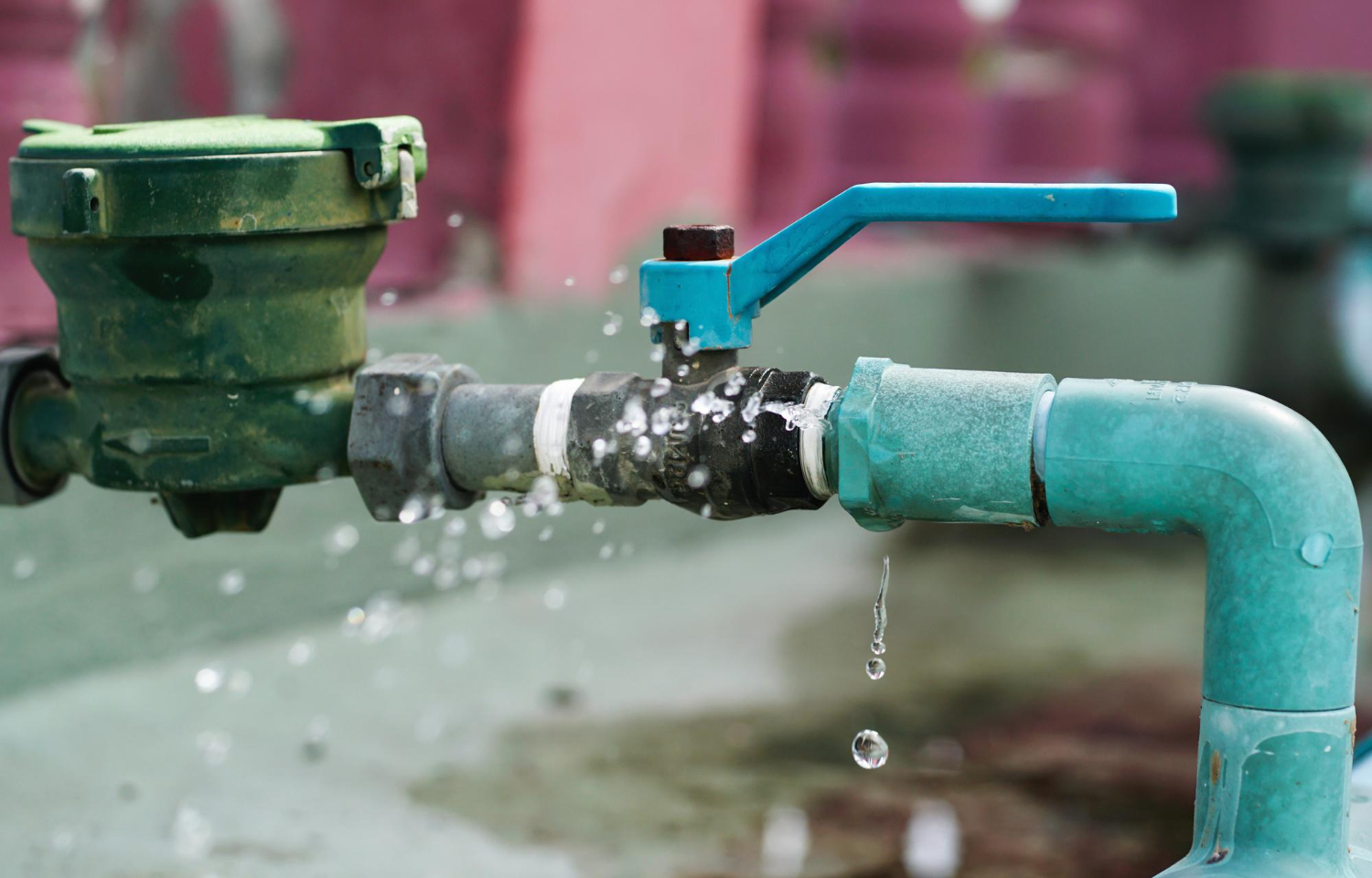


Water leaks in your home's pipes can waste thousands of gallons of water and cause serious damage to your property. Water line leak detection uses special tools and methods to find hidden leaks in your plumbing system before they turn into costly repairs. These leaks often happen underground or inside walls where you can't see them.
According to the U.S. EPA WaterSense program, the average household’s leaks can waste nearly 10,000 gallons of water per year, and 10% of homes have leaks that waste 90 gallons or more per day—which is why early water line leak detection can prevent long-running losses that don’t show up until the bill climbs.
Many homeowners don't realize they have a water line leak until their water bill spikes or they spot water damage. The good news is that modern leak detection technology can locate problems without tearing up your yard or breaking through walls. Professional detection services use equipment like acoustic sensors and video cameras to pinpoint the exact location of leaks.
Finding and fixing leaks early saves you money and protects your home from water damage. In this article, you’ll learn how water line leak detection works, what causes hidden leaks, and the warning signs that indicate you need a professional inspection.
Here’s what you need to know:
- What is water line leak detection?
- Signs you may have a water line leak
- Common causes of water line leaks
- How professional water line leak detection works
- Benefits of hiring Seacoast Sewer & Drain for leak detection
- Preventative tips to avoid future water line leaks
Keep reading to understand what causes water line leaks, how to spot warning signs, and what to expect when you hire a professional detection service.
What is water line leak detection?
Water line leak detection identifies problems in your water supply pipes before they cause major damage or waste thousands of gallons of water. This process uses specialized methods and equipment to find leaks that range from small drips to significant breaks in the system.
Locating leaks in residential and commercial water lines
Your water lines run throughout your property, both visible and hidden behind walls or underground. Leak detection involves systematically checking these pipes to find any points where water escapes.
In residential settings, leaks commonly occur at pipe joints, aging connections, or corroded sections. Commercial properties face similar issues but on a larger scale with more complex plumbing systems.
Detection starts with recognizing warning signs. You might notice unexplained increases in your water bill, damp spots on walls or ceilings, or reduced water pressure. Professional technicians use these clues along with their tools to track down the exact location of leaking water pipe detection problems.
The process requires understanding your property's plumbing layout. Technicians map where main lines enter your building and trace how pipes branch to different areas. This knowledge helps them focus their search on the most likely problem zones.
Using advanced tools to detect hidden and underground leaks
Modern leak detection relies on technology that finds problems without destructive excavation. Acoustic listening devices pick up the sound of water escaping from pipes, even through concrete or soil.
Common detection tools include:
- Acoustic sensors that amplify leak sounds
- Infrared cameras that show temperature differences caused by escaping water
- Video pipe inspection cameras that travel inside lines
- Ground-penetrating radar for underground water leak detection
- Pressure testing equipment that measures system performance
- Satellite-based monitoring for large water systems
Acoustic equipment works by detecting the specific frequency of water under pressure as it exits a damaged pipe. Technicians use headphones and ground microphones to pinpoint the exact location.
Infrared technology shows temperature variations on surfaces. Water leaking from pipes creates cool spots that appear clearly on thermal imaging cameras. This method works especially well for finding leaks behind walls or under floors without any demolition.
Video inspection involves feeding a small camera through your pipes. The camera transmits live footage that reveals cracks, corrosion, or separations in the line. This approach provides visual confirmation of the problem.
Preventing structural damage and water loss
Undetected leaks threaten your property's foundation and structure. Water seeping into walls promotes mold growth and weakens building materials. Concrete foundations crack when soil becomes oversaturated and shifts.
Early detection stops these problems before they escalate. A small leak that wastes 10 gallons per day might seem minor, but it releases over 3,600 gallons annually. That volume of water can saturate significant amounts of soil around your foundation.
Detection services protect your investment by finding issues early. Wood framing absorbs moisture and rots. Drywall deteriorates and requires replacement. Metal components rust and fail prematurely.
Underground leaks create voids in soil as water washes away supporting material. These voids lead to sinkholes or settling that damages driveways, walkways, and building foundations. Catching leaks before they create these conditions saves your property from serious structural problems.
Minimizing costly emergency repairs
Emergency plumbing repairs cost substantially more than scheduled maintenance. After-hours service calls, expedited parts ordering, and water damage restoration add up quickly.
Regular leak detection catches problems during their early stages. A pipe showing minor corrosion can be repaired or replaced on your schedule. The same pipe, if left unchecked, might burst during the night and flood your property.
Cost comparison of proactive vs. reactive approaches:
Approach
Typical Cost Range
Additional Expenses
Scheduled detection service
$200-$500
Minimal repair costs
Emergency pipe burst repair
$1,000-$5,000
Water damage restoration, temporary housing, contents replacement
Insurance claims from water damage often result in higher premiums. Some policies exclude coverage for damage from long-term leaks that should have been detected earlier. Detection services provide documentation that you maintained your system properly.
Ensuring safe, reliable water supply
Your water system must deliver clean water consistently. Leaks compromise this reliability by reducing pressure throughout your property. Low pressure affects appliances, fixtures, and daily activities.
Leaks also create entry points for contaminants. When pressure drops in a damaged pipe, soil, bacteria, and other pollutants can enter through cracks. This contamination risks your health and violates water quality standards.
Per the U.S. EPA, backflow can occur when there’s a drop in incoming water pressure that allows reverse flow from a building’s plumbing back toward the public water system—one reason technicians take pressure-related symptoms seriously during underground water leak detection and related diagnostics.
Detection services verify system integrity. They confirm your pipes maintain proper pressure and remain sealed against external contamination. This verification gives you confidence in your water supply's safety.
Commercial properties face additional concerns. Restaurants, medical facilities, and manufacturing operations require dependable water access. A leak that reduces pressure or forces a shutdown disrupts business operations and costs revenue. Regular detection prevents these interruptions.
Signs you may have a water line leak
Water line leaks often show clear warning signs before they become serious problems. Catching these signs early can help you avoid costly repairs and water damage to your home.
Unexpectedly high water bills
A sudden spike in your water bill without any change in your usage habits is one of the most reliable indicators of a leak. If your bill jumps 20% or more from one month to the next and you haven't been watering the lawn more or taking longer showers, water is likely escaping somewhere in your system.
Compare your current bill to the same month from previous years. Seasonal changes can affect water usage, but a leak will show an increase that doesn't match your normal patterns.
Even a small leak can waste thousands of gallons per month. A leak that drips once per second wastes about 3,000 gallons annually, which adds up quickly on your water bill.
Wet spots in yard or basement
Saturated areas in your lawn often indicate a leak in the underground water line running from the street to your house. These wet spots don't dry out even after several days without rain. You might also notice unusually lush, green patches of grass where the leaked water provides extra irrigation.
Inside your home, check your basement or crawl space for damp areas or standing water. Puddles near the foundation wall or floor can signal a leak in the service line entering your home.
Sunken or muddy areas in your yard that stay soft to walk on are another clear sign. The escaping water saturates the soil and causes it to settle or become consistently damp.
Low water pressure or inconsistent flow
When water escapes through a leak, less pressure reaches your faucets and fixtures. You'll notice weaker flow from showerheads, slower filling toilets, or faucets that don't run as strong as they used to.
According to Oklahoma State University Extension, ideal residential water pressure is about 40 to 60 psi (though it can vary by location), so a noticeable pressure drop can be a practical clue to prioritize leaking water pipe detection or a main water line inspection.
The pressure drop might affect your whole house or just certain areas. If only one room has low pressure, the leak is probably in a branch line. When your entire home experiences reduced pressure, the main water line likely has a leak.
Pay attention to sudden changes rather than gradual decline. A quick drop in pressure often means a new leak has developed. Inconsistent flow that starts and stops or varies in strength also suggests a problem with your water line.
Strange noises in pipes
Hissing, whistling, or bubbling sounds coming from your walls, floors, or pipes indicate water is escaping under pressure. These noises happen when water forces its way through a crack or hole in the line.
You might hear running water when no fixtures are in use. Turn off all faucets, appliances, and water-using devices in your home, then listen carefully near your walls and at the water meter.
Banging or clanking sounds can occur when a leak causes pressure fluctuations in your pipes. The water hammer effect from unstable pressure creates these distinctive noises.
Discolored or muddy water
Rust-colored, brown, or murky water coming from your taps suggests your water line has a leak that's allowing dirt and sediment to enter the system. When pipes crack or break, soil and debris can infiltrate through the same opening where water escapes.
The discoloration might appear intermittently at first, showing up mostly when you first turn on a faucet. As the leak worsens, the water stays cloudy or colored for longer periods.
Red or orange tints can also indicate corrosion inside aging pipes. While this doesn't always mean a leak exists yet, corroded pipes are more likely to develop leaks soon.
Common causes of water line leaks
Water lines develop leaks for several specific reasons that range from natural wear over time to environmental factors beyond your control. Understanding these causes helps you identify potential problems before they result in serious damage to your property.
Aging or corroded pipes
Most water lines have a limited lifespan based on the material used in their construction. Galvanized steel pipes typically last 20 to 50 years, while copper pipes can function for 50 years or more before showing signs of deterioration.
Corrosion happens when metal pipes react with minerals in your water supply or chemicals in the surrounding soil. This chemical reaction gradually eats away at the pipe walls, creating weak spots that eventually turn into holes or cracks.
The pH level of your water plays a major role in how quickly corrosion develops. Water with high acidity speeds up the breakdown of metal pipes. You might notice rusty or discolored water coming from your taps as an early warning sign of corroded pipes.
Ground movement and soil shifting
The ground beneath your water lines is not as stable as it appears. Soil naturally expands and contracts with changes in moisture levels throughout the year. This constant movement puts pressure on buried pipes.
Settling soil can cause pipes to bend or shift out of alignment. When pipes move from their original position, joints may separate or the pipe itself may crack under the stress.
Construction activity near your property, even on neighboring land, creates vibrations that affect underground pipes. Heavy equipment and excavation work can shift soil in ways that damage water lines you cannot see from the surface.
Earthquakes and other seismic activity, even minor tremors, place sudden stress on pipe systems. Areas with frequent ground movement face higher risks of developing leaks in their water lines.
Tree root intrusion
Tree roots grow toward water sources, making your water lines an attractive target. Roots can detect moisture leaking from even the smallest cracks in pipes and will grow directly toward these spots.
Once roots find a weak point or joint in your water line, they work their way inside the pipe. The roots continue growing inside the pipe, expanding and creating blockages while causing the original crack to widen into a larger leak.
Common trees that cause water line damage:
- Willow trees
- Maple trees
- Oak trees
- Poplar trees
- Elm trees
You should maintain a buffer zone between large trees and your water lines. As a general rule, plant trees at least 10 feet away from water lines, or further for species known to have aggressive root systems.
Extreme weather or freezing conditions
Temperature drops below 32°F cause water inside pipes to freeze and expand. This expansion creates enough pressure to crack or burst even strong metal pipes.
Pipes located in unheated areas face the highest risk during cold weather. This includes water lines running through crawl spaces, attics, exterior walls, or underground in regions where the frost line reaches deeper than the pipe depth.
Rapid temperature changes stress pipe materials. A sudden shift from warm to freezing temperatures gives pipes no time to adjust, increasing the likelihood of damage.
Heat can also damage water lines. Prolonged exposure to high temperatures makes some pipe materials brittle or causes joints to separate. Ground that becomes extremely dry during droughts can shift and crack pipes running through it.
Poor installation or defective materials
Improper installation accounts for many water line leaks that appear shortly after new pipes are put in place. Pipes installed at the wrong depth, with inadequate support, or using incorrect joining techniques will develop problems quickly.
Defective materials sometimes make it past quality control. Manufacturing flaws in pipes, joints, or fittings create weak points that fail under normal water pressure. You might receive pipes with thin walls, improper composition, or structural defects not visible during installation.
Using mismatched materials causes connection points to fail. Different metals touching each other can trigger galvanic corrosion, where an electrical current between the metals speeds up deterioration.
Overtightening connections during installation creates stress points that crack over time. Similarly, connections left too loose will leak immediately or develop leaks as water pressure fluctuates through daily use.
How professional water line leak detection works
Professional leak detection combines systematic inspection methods with specialized equipment to find water line problems without guesswork or unnecessary digging. Trained technicians use electronic sensors, acoustic tools, and visual analysis to pinpoint leaks in your main water line and throughout your plumbing system.
Comprehensive inspection and diagnostics
Your plumber starts by gathering information about your water system and any symptoms you've noticed. They check your water meter to see if it's running when all fixtures are off, which indicates an active leak somewhere in your system.
The technician examines visible pipes, connections, and fixtures for signs of moisture, corrosion, or damage. They look for wet spots in your yard, drops in water pressure, and unexplained increases in your water bill.
During this initial assessment, the plumber maps out your property's water line layout. They identify the path of your main water line from the street connection to your home. This information helps them focus their search on the most likely problem areas and plan the most effective detection approach.
Using electronic leak detection equipment
Electronic sensors can detect leaks as small as 0.1 gallons per hour, which would be impossible to spot visually. These devices work by listening for the sound of water escaping from pipes under pressure.
Acoustic listening devices amplify the distinct frequency that water makes when it leaks through a pipe. Your technician moves this equipment along your water line path, listening through headphones for telltale sounds. The noise gets louder as they get closer to the actual leak location.
Electromagnetic pipeline locators help trace the exact path of buried water lines. Ground microphones pick up vibrations from water movement in the soil. Some professionals also use infrared cameras that detect temperature differences caused by leaking water, and tracer gas equipment that identifies where injected gases escape through pipe defects.
Locating underground and hidden leaks without excavation
Most main water line inspection work happens without digging up your property. Professionals use their electronic equipment to scan areas where pipes run beneath driveways, walkways, and landscaping.
Acoustic methods work especially well for underground leaks because soil transmits sound vibrations effectively. The technician systematically checks sections of your water line, narrowing down the leak location to within a few feet or even inches.
For deeper pipes or difficult locations, correlation equipment uses multiple sensors placed at different points. Software analyzes the time difference between when each sensor detects the leak sound, calculating the precise distance to the problem spot. This approach saves you from extensive excavation and property damage.
Confirming leak locations and planning repair
Once the equipment indicates a likely leak location, your plumber performs additional tests to confirm their findings. They may use multiple detection methods on the same spot to verify the results before any digging begins.
The technician marks the exact location on your property and explains what they found. They discuss the leak's severity based on flow rates detected and how much water you're losing. You get a clear explanation of whether the problem requires immediate attention or can wait for scheduled repairs.
Your plumber then outlines the repair options available for your specific situation. They explain what excavation will be necessary, if any, and provide estimates for the work. This planning stage ensures you understand the process before any repairs start.
Full repair or replacement as needed
After pinpointing the leak, professionals have the tools and expertise to fix the problem properly. Small leaks in accessible pipes might only need a coupling or patch.
Larger problems or severely corroded pipes often require section replacement. Your plumber removes the damaged portion and installs new pipe material that matches your existing system. They ensure proper connections that will hold up under your water line's pressure.
In cases where multiple leaks exist or your pipes are old throughout, full water line replacement might be the most practical solution. Your technician discusses these options with you based on what they found during detection. Professional repair includes pressure testing to confirm the fix worked and your system is leak-free before closing up any excavation.
Benefits of hiring Seacoast Sewer & Drain for leak detection
Professional leak detection protects your property from water damage while reducing unnecessary expenses. Seacoast Sewer & Drain brings specialized equipment and expertise to locate leaks quickly in both residential and commercial water systems.
Detects leaks before major damage occurs
Early detection prevents minor issues from turning into major problems. When you notice a slight increase in your water bill or hear unusual sounds in your pipes, Seacoast Sewer & Drain can identify the exact location of leaks before they cause structural damage to your home or business.
Water leaks left undetected can weaken foundations, damage walls, and create conditions for mold growth. The team uses sonic ground microphones and correlating leak loggers to find leaks that remain hidden from view.
These tools detect water escaping from pipes underground or behind walls without requiring exploratory demolition. For residential water line service, this means catching problems while they remain small and manageable.
Commercial properties benefit equally from early detection, as business interruptions from major water damage can result in lost revenue and disrupted operations.
Saves money on water bills and costly repairs
Hidden leaks waste significant amounts of water each month. A small leak can waste hundreds of gallons daily, directly increasing your water bills without you realizing the cause.
Professional leak detection identifies these problems quickly, stopping the waste. You also avoid the higher costs that come with delayed repairs. A minor pipe crack caught early might need simple sealing, while the same leak ignored for months could require replacing entire pipe sections and repairing water damage to surrounding structures.
For commercial water line repair, the financial benefits multiply. Larger buildings use more water, so leaks waste more resources and cost more money. Business properties may also face liability issues if water damage affects customer areas or damages inventory.
Ensures system reliability and proper water pressure
Leaks reduce water pressure throughout your plumbing system. You might notice weak flow from faucets or showers that once worked properly.
Seacoast Sewer & Drain locates the source of pressure loss and restores your system to full function. Reliable water pressure matters for daily activities like showering, washing dishes, and doing laundry. In commercial settings, proper pressure becomes even more critical for operations like food service, manufacturing processes, or maintaining multiple restrooms.
The team also identifies issues that could lead to complete pipe failures. Corroded sections, loose fittings, and stress points get caught before they break entirely and shut down your water supply.
Minimizes disruption to property and landscaping
Traditional leak detection often meant digging up large areas of your yard or breaking through walls to find problems. Seacoast Sewer & Drain uses non-invasive technology that pinpoints leak locations without unnecessary excavation.
This approach protects your landscaping, driveways, and interior spaces. You avoid the cost and hassle of repairing extensive property damage just to find the leak.
When excavation becomes necessary, the precise location data means workers dig only where needed. Your yard recovers faster, and you spend less on restoration.
For businesses, minimal disruption means maintaining normal operations during repairs. Customers and employees experience fewer inconveniences when leak detection and repairs happen quickly in targeted areas.
Provides professional advice on pipe maintenance and upgrades
The inspection process reveals more than just active leaks. Trained technicians spot warning signs of future problems in your water lines.
You receive information about pipe conditions, potential weak points, and maintenance steps that extend system life. This knowledge helps you plan for repairs or upgrades before emergencies occur.
Seacoast Sewer & Drain can recommend whether repairs will suffice or if pipe replacement makes more financial sense. Older pipes in residential water line service may benefit from modern materials that resist corrosion and last longer. Commercial properties might need capacity upgrades to meet growing demand or meet updated building codes.
The team explains your options clearly, helping you make informed decisions about your water system investments.
Preventative tips to avoid future water line leaks
Taking steps to prevent water line leaks saves you money and protects your home from damage. Regular maintenance and smart upgrades keep your plumbing system working properly for years.
Schedule regular plumbing inspections
You should have a licensed plumber inspect your water lines every two years at minimum. Professional inspections catch small problems before they turn into major leaks that damage your home.
During an inspection, plumbers check for signs of corrosion, weak joints, and areas where pipes show early wear. They use specialized tools to test water pressure and examine hidden pipes in walls and underground.
Older homes need more frequent inspections, especially if your house is over 30 years old. Plumbers can spot issues like mineral buildup, pipe deterioration, and loose connections that you cannot see on your own.
Annual inspections work best for homes with older plumbing systems or properties in areas with hard water or shifting soil.
Monitor water pressure and detect changes early
Normal water pressure should stay between 40 and 70 psi in your home. Pressure above 80 psi puts stress on pipes and increases the chance of leaks and bursts.
Install a pressure gauge on an outdoor spigot to check your water pressure monthly. You can buy these gauges at hardware stores for under $15. If pressure reads too high, install a pressure regulator to protect your pipes.
Watch for these
Conclusion
Water line leak detection protects your property, saves money, and helps conserve water resources. You now understand the different methods available, from traditional acoustic detection to modern wireless sensor systems.
Each detection method has specific strengths and limitations. Acoustic detection works well for large leaks but may miss smaller ones. Pressure testing identifies changes in your system quickly. Electronic sensors provide continuous monitoring and can detect leaks as small as 0.1 gallons per hour.
Modern technology has made leak detection more accurate and efficient. Machine learning and wireless sensor networks can now identify problems before they cause significant damage. These systems alert you immediately when they detect unusual patterns in water flow or pressure.
Regular leak detection prevents water waste and infrastructure damage. You reduce the risk of contamination in your water supply and avoid costly emergency repairs. Early detection saves you money on water bills and repair costs.
The technology continues to improve, making leak detection more accessible and reliable. You can choose from manual inspection methods or invest in automated systems that monitor your water lines around the clock. The key is selecting the approach that fits your needs and taking action before small leaks become major problems.
Schedule professional water line leak detection with Seacoast Sewer & Drain to pinpoint hidden leaks fast, restore proper pressure, and prevent costly water damage before the problem escalates.
Recent Blog Post
Customer Reviews