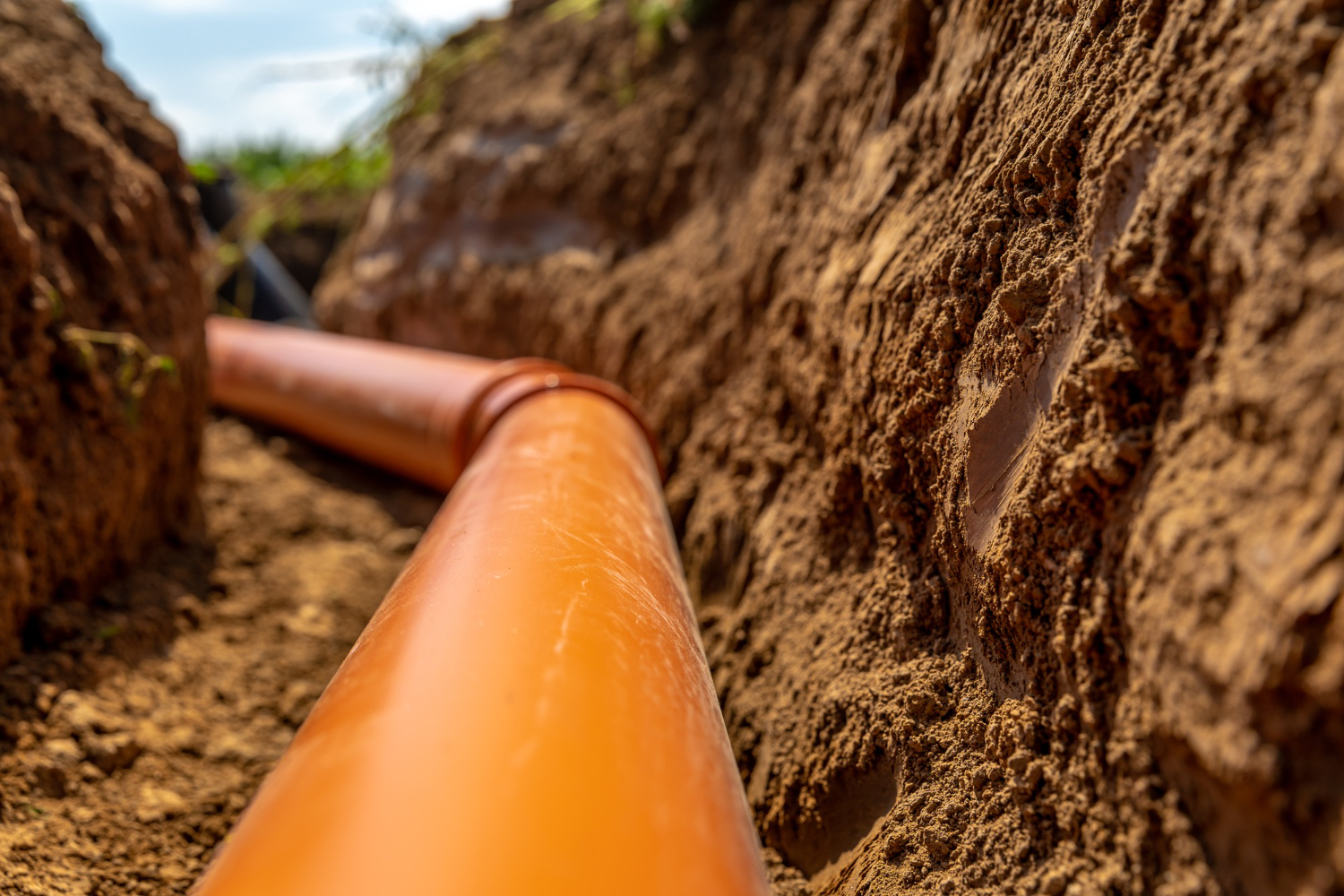


A cracked sewer pipe can cause serious problems for any property owner. Water leaks, bad smells, and sewage backups are just some of the issues that come with damaged pipes.
Small cracks can be temporarily sealed with epoxy or plumber's putty, but professional repair is needed for a lasting fix. Understanding the repair process helps homeowners make smart choices about their plumbing systems.
This article explains everything needed to know about cracked sewer pipe repair. Readers will learn how to spot the warning signs of a damaged pipe and what causes these cracks in the first place. The guide covers both temporary fixes and permanent solutions.
Here’s what you need to know:
- What is cracked sewer pipe repair?
- Signs your sewer pipe may be cracked
- Common causes of cracked sewer pipes
- How cracked sewer pipe repair is performed
- Benefits of professional cracked sewer pipe repair
- DIY vs professional sewer pipe repair
- How to maintain your sewer pipes after repair
- Why choose Seacoast Sewer And Drain for cracked sewer pipe repair
Keep reading! You will find practical information to protect your home and avoid costly damage.
What is cracked sewer pipe repair?
Cracked sewer pipe repair involves fixing damaged sections of underground pipes that carry wastewater away from buildings. The repair process depends on the type and severity of the damage, with options ranging from simple sealants for minor cracks to full pipe replacement for extensive damage.
Types of cracks and pipe damage
Sewer pipes can develop several types of damage that require different repair approaches. Hairline cracks are thin surface breaks that may leak small amounts of water but haven't compromised the pipe's structure. These often result from minor ground shifts or age-related wear.
Longitudinal cracks run along the length of the pipe and indicate more serious structural problems. They typically occur from external pressure, soil movement, or tree root intrusion.
Circumferential cracks wrap around the pipe's diameter and suggest significant stress or foundation issues. Offset joints happen when pipe sections separate or shift, creating gaps where sewage can leak. Collapsed sections represent the most severe damage, where the pipe has caved in completely and requires immediate replacement.
Common damage types:
- Small surface cracks (under 1 inch)
- Large structural cracks (over 1 inch)
- Multiple crack patterns
- Separated or misaligned joints
- Partial or complete pipe collapse
Methods used for repair
Epoxy pipe lining works well for minor cracks in residential sewer pipe repair. A plumber applies epoxy resin or uses an inflatable bladder coated with epoxy to create a new pipe within the damaged one. This method seals cracks without digging.
Cured-in-place pipe (CIPP) lining involves inserting a resin-saturated liner into the damaged pipe. The liner is then inflated and heated to harden, forming a new pipe inside the old one. This trenchless method handles moderate to severe cracks effectively.
Pipe bursting replaces severely damaged pipes by pulling a new pipe through the old one while breaking up the damaged section. Traditional excavation remains necessary when pipes have collapsed or when other methods won't work. This involves digging up the damaged section and installing new pipe segments.
Spot repairs fix isolated cracks by excavating only the damaged area rather than the entire pipe length.
Residential and commercial applications
Residential sewer pipe repair typically addresses pipes ranging from 4 to 6 inches in diameter that serve single-family homes or small multi-unit buildings. Homeowners often deal with cracks caused by tree roots, ground settling, or aging clay or cast iron pipes.
Commercial applications involve larger diameter pipes (8 to 12 inches or more) that handle higher sewage volumes. These systems require faster repair times to minimize business disruptions.
Both settings benefit from trenchless repair methods that reduce property damage and restoration costs. Residential repairs usually take 1 to 3 days, while commercial projects may need longer depending on pipe size and damage extent. The choice between repair methods depends on pipe material, crack severity, accessibility, and budget constraints rather than property type alone.
Signs your sewer pipe may be cracked
A cracked sewer pipe creates distinct problems that homeowners can identify before major damage occurs. Common indicators include drainage issues throughout the home, unpleasant sewage smells, unexpected moisture in the yard, and structural changes to the property's foundation.
Slow drains or frequent backups
Multiple drains backing up at the same time signals a problem with the main sewer line rather than individual fixtures. When a pipe cracks, debris and waste accumulate at the damaged section, creating blockages that prevent proper water flow.
Toilets that gurgle when other fixtures drain indicate air trapped in the system due to a pipe break. Showers and sinks that drain slowly throughout the house point to a shared problem in the main line. These issues persist even after repeated attempts to clear the drains with traditional methods.
Frequent backups in lower-level fixtures like basement drains occur because sewage seeks the lowest exit point when it cannot flow through a damaged pipe. The problem worsens over time as more material builds up around the crack. Tree roots can infiltrate through small cracks and expand them, making blockages more severe and persistent.
Foul odors coming from plumbing or yard
The smell of sewage inside the home indicates that sewer gases are escaping through a cracked pipe instead of venting properly through the roof. These odors often appear near drains, in basements, or around bathroom fixtures when the seal of the sewer system breaks down.
Outside, the smell of sewage in the yard points to waste leaking from underground pipes into the surrounding soil. The odor becomes stronger near the location of the crack, especially after water usage in the home. Sewer gas contains methane and hydrogen sulfide, which create distinctly unpleasant smells that are hard to ignore.
The presence of these odors means raw sewage is escaping the pipe system. This situation requires immediate attention because it poses health risks and indicates active leakage that will continue damaging the property.
According to the Centers for Disease Control and Prevention (CDC), people who handle sewage face elevated risks of gastrointestinal, skin, and respiratory illness, and should reduce exposure using proper PPE and hygiene practices.
Unusual wet spots or pooling water
Unexplained soggy areas in the yard appear when wastewater seeps from cracked underground pipes into the soil. These wet patches remain damp even during dry weather when surrounding areas have dried out completely.
Grass grows unusually green and lush above a leaking sewer line because sewage acts as fertilizer. This creates distinct patches that look healthier than the rest of the lawn. The contrast becomes more obvious as the leak continues feeding nutrients to that specific area.
Pooling water or small sinkholes form when soil erodes around a significant pipe break. The ground may feel soft or spongy when walking over the affected area. Foundation walls can show moisture or water stains if the broken pipe sits close to the house structure.
Foundation cracks or soil sinking
Leaking sewer pipes erode soil beneath and around the foundation, removing the stable base that supports the structure. This creates voids underground that cause the foundation to shift and crack as it loses support.
New cracks in basement walls or floors often develop above or near a damaged sewer line. These cracks may start small but widen as more soil washes away. The foundation settles unevenly when sections lose their underlying support, creating visible gaps or separation in walls.
Indentations or depressions in the yard indicate soil has been washed away through a pipe break. Driveways and sidewalks may sink or tilt when the ground beneath them erodes. These structural changes happen gradually but accelerate as the leak continues removing material from under the property.
Common causes of cracked sewer pipes
Sewer pipes crack for several reasons, from natural processes like tree roots searching for water to man-made issues like construction work. Understanding these causes helps homeowners spot problems early and prevent major damage.
Tree root intrusion
Tree roots cause one of the most common types of sewer pipe damage. Roots naturally grow toward water sources, and sewer pipes provide a steady supply of moisture and nutrients.
Small roots can enter through tiny cracks or loose joints in the pipe. Once inside, they grow larger and expand the openings. The roots form thick masses that block water flow and put pressure on the pipe walls.
Trees planted near sewer lines create the biggest risk. Willows, maples, and oak trees have aggressive root systems that can reach 20 to 30 feet from the trunk. Even smaller shrubs can damage pipes if planted close enough.
The roots don't need a large opening to start. A crack as small as a pencil tip gives them enough space to enter. Over time, the growing roots can split the pipe completely open.
Ground shifting or soil settling
Soil movement puts stress on underground pipes. When the ground shifts, pipes must bend or flex in ways they weren't designed to handle.
Soil settling happens naturally over time as the ground compacts under its own weight. Construction, heavy rainfall, and drought cycles speed up this process. Clay soils expand when wet and shrink when dry, creating constant movement.
Earthquakes and minor ground tremors cause sudden shifts that crack rigid pipes. Even small movements can damage older pipes made from clay or cast iron. The pipes may crack at joints or develop stress fractures along their length.
Poor soil compaction during original installation makes pipes more vulnerable. If contractors didn't pack the soil properly around the pipe, gaps form that allow the pipe to shift and sag.
Corrosion or aging pipes
Pipes wear out over time from constant exposure to water and waste. The materials break down and become weak spots that eventually crack.
Cast iron pipes, common in homes built before 1970, typically last 50 to 75 years. These pipes rust from the inside out as waste chemicals eat away at the metal. Ceramic and clay pipes become brittle with age and crack easily under pressure.
Chemical reactions speed up the damage. Acidic waste water corrodes metal pipes faster. Tree roots and bacteria create acids that break down pipe materials. Temperature changes cause pipes to expand and contract, which weakens old materials.
Modern PVC pipes resist corrosion better than older materials. However, they can still degrade from UV exposure before installation and chemical reactions in the soil. Most materials show signs of wear after several decades of use.
Heavy traffic or construction above pipes
Weight from above ground puts pressure on buried sewer pipes. Pipes installed under driveways, roads, or parking areas handle constant stress from vehicles passing overhead.
Heavy trucks and construction equipment create the most damage. A single heavy load can crack pipes that were already weakened by age or other factors. Repeated traffic wears down the pipe structure over time.
Construction work near sewer lines poses serious risks. Digging equipment can strike pipes directly or shift the soil around them. Pile driving and other foundation work sends vibrations through the ground that crack nearby pipes.
Shallow pipes face greater danger than deep ones. Pipes less than three feet underground feel more impact from surface weight. Building additions, new driveways, or landscaping changes can add weight to areas where pipes weren't designed to handle it.
How cracked sewer pipe repair is performed
Fixing a cracked sewer pipe involves several key steps, from using cameras to find the exact problem to testing the work when repairs are complete. The repair method depends on the crack's severity and location, with options ranging from trenchless techniques to full excavation and replacement.
Inspection and diagnosis using cameras
A plumber starts by sending a small waterproof camera through the sewer line to locate the crack. This camera inspection shows the exact position of the damage and how bad it is. The video feed reveals whether the pipe has a small crack, multiple breaks, or complete collapse.
The camera also checks the pipe's overall condition and identifies any blockages. This step is critical because it tells the plumber which repair method will work best. Without proper inspection, a plumber might miss hidden damage or choose the wrong fix.
Most professional plumbers use high-resolution cameras that can rotate 360 degrees inside the pipe. The inspection typically takes 30 to 60 minutes for a standard residential sewer line.
Trenchless repair vs traditional excavation
Per the Federal Highway Administration (FHWA), encouraging trenchless utility construction (e.g., pipe bursting, lining) helps reduce the frequency of pavement utility cuts and associated surface disruption compared with traditional open-cut methods.
Trenchless sewer repair creates minimal disruption to yards and driveways. This method includes two main techniques:
- CIPP (Cured-in-Place Pipe): A flexible liner coated with resin is inserted into the damaged pipe and inflated. The resin hardens to create a new pipe inside the old one.
- Pipe bursting: A new pipe is pulled through the old one while breaking apart the damaged pipe.
Traditional excavation requires digging a trench to access the broken pipe directly. Workers remove soil and landscaping to reach the damaged section. This method works best when the crack is severe or when trenchless options aren't possible due to pipe collapse or tree root damage.
Method
Yard Damage
Time Required
Best For
Trenchless
Minimal
1-2 days
Small to medium cracks
Excavation
Significant
3-5 days
Collapsed pipes, severe damage
Pipe replacement and sealing techniques
For small cracks, plumbers apply epoxy resin or specialized sealants directly to the damaged area. The epoxy bonds to the pipe material and creates a waterproof seal. This quick fix works for cracks less than a few inches long.
Larger cracks require replacing the damaged pipe section. The plumber cuts out the broken part and installs a new piece of PVC or other approved pipe material. Proper coupling and sealing between old and new sections prevents future leaks.
Sewer trenchless repair uses the pipe lining method to seal cracks without replacement. The resin-coated liner covers the entire damaged section and cures in place within a few hours.
Post-repair testing and inspection
After repairs are complete, the plumber performs tests to confirm the pipe works properly. A pressure test checks if water flows correctly and no leaks exist. The plumber fills the line with water and monitors pressure levels for 15 to 30 minutes.
A follow-up camera inspection verifies the repair sealed completely. The camera shows whether the epoxy, liner, or new pipe section sits properly and has no gaps. This final check catches any problems before the crew fills in trenches or leaves the job site.
Some plumbers run dye tests by adding colored water to the system and checking for leaks at ground level. The property owner receives documentation of the inspection results and repair warranty information.
Benefits of professional cracked sewer pipe repair
Hiring professionals for cracked sewer pipe repair offers homeowners protection from costly damage and ensures repairs last for years. Licensed technicians bring specialized equipment and expertise that prevent small problems from becoming major disasters.
Early detection prevents backups and flooding
Professional plumbers use advanced camera inspection tools to identify cracks before they cause serious damage. These cameras travel through pipes and reveal problems that homeowners cannot see from above ground. Technicians spot early warning signs like small cracks, root intrusion, and pipe misalignment during these inspections.
Catching these issues early stops sewage backups from flooding basements and yards. A minor crack can quickly turn into a collapsed pipe if left unrepaired. Professional inspections typically take one to two hours and provide a clear picture of pipe condition.
Emergency sewer repair services respond quickly when problems are discovered. Fast action prevents sewage from backing up into sinks, toilets, and drains. This quick response protects families from exposure to harmful bacteria and waste.
Long-lasting repairs with minimal disruption
Licensed technicians use proven repair methods that extend pipe life for decades. Trenchless repair technology allows professionals to fix pipes without tearing up entire yards. This method inserts a new liner inside the damaged pipe, creating a durable barrier that seals cracks.
Traditional excavation might take several days and destroy landscaping. Trenchless repairs often finish in just one day with only small access points needed. The new pipe liner typically lasts 50 years or more with proper maintenance.
Common professional repair methods include:
- Pipe lining (CIPP method)
- Pipe bursting for severe damage
- Spot repairs for isolated cracks
- Full pipe replacement when necessary
Professional repairs come with warranties that protect homeowners if problems return. Most companies guarantee their work for 10 to 25 years depending on the repair type.
Protects home foundation and landscaping
Cracked sewer pipes leak wastewater into the soil around a home's foundation. This moisture weakens concrete and creates voids beneath the structure. Professional repairs stop these leaks before they cause foundation cracks or settling.
Excess water from leaking pipes also drowns plant roots and creates dead spots in lawns. Trees and shrubs near damaged pipes often show signs of decline. Fixing the pipes saves landscaping and prevents the need for expensive replanting.
Professionals seal cracks completely to prevent soil erosion under driveways and walkways. They also identify drainage issues that contribute to pipe stress. This comprehensive approach protects property value and prevents future damage.
Improves overall plumbing system performance
Repaired sewer pipes restore proper water flow throughout the entire plumbing system. Cracks and blockages create slow drains and weak flushes in toilets. Professional repairs eliminate these frustrating problems.
Sealed pipes also reduce the risk of contamination in groundwater and nearby wells. Clean sewer lines prevent foul odors from entering homes through drains. Better airflow in repaired pipes stops gurgling sounds and pressure issues.
Regular professional maintenance after repairs keeps systems running smoothly. Technicians can schedule follow-up inspections to ensure repairs hold up over time. This ongoing care extends the life of all plumbing components.
DIY vs professional sewer pipe repair
Homeowners with cracked sewer pipes need to understand the serious differences between handling repairs themselves and hiring trained professionals. The complexity of sewer work makes professional help the safer choice for most situations.
Risks of improper repairs or incomplete fixes
DIY sewer pipe repairs often create more problems than they solve. A homeowner might apply epoxy or plumber's putty to seal a small crack, but these fixes rarely address the underlying damage. The crack might close temporarily, but water pressure and soil movement can break the seal within weeks or months.
Incomplete repairs lead to water damage, foundation issues, and contaminated soil around the home. A small leak that seems fixed can actually be spreading wastewater underground where it's not visible. Tree roots continue growing into weak spots that weren't properly sealed.
Professional plumbers use cameras to inspect the entire pipe and find all damaged areas, not just the visible crack. They have access to repair methods that last for decades, including pipe lining and trenchless repairs. These solutions fix the structural problem instead of covering it up.
Safety concerns and proper handling
Sewer pipes contain dangerous bacteria, viruses, and toxic gases that pose serious health risks. Raw sewage exposure can cause infections, respiratory problems, and diseases like hepatitis A. Homeowners without proper safety equipment put themselves and their families at risk.
Professional plumbers wear protective gear including gloves, respirators, and eye protection. They know how to ventilate work areas and dispose of contaminated materials according to regulations. They also understand how to work safely around gas lines and electrical systems that often run near sewer pipes.
Working underground creates additional dangers. Trenches can collapse without proper shoring. Homeowners might accidentally damage utility lines or create structural problems that affect the home's foundation.
According to OSHA’s trenching and excavation safety guidance, trenches 5 feet (1.5 m) deep or greater require a protective system unless the excavation is entirely in stable rock, with additional precautions based on soil conditions and access/egress.
Ensuring long-term durability and code compliance
Sewer repairs must meet local building codes and permit requirements. Most jurisdictions require licensed plumbers to perform sewer work and obtain permits before starting repairs. DIY repairs that skip this process can create legal problems when selling the home or filing insurance claims.
Professional plumbers guarantee their work and use materials that meet industry standards. They understand soil conditions, proper pipe slope, and drainage requirements that affect how long repairs last. Their work gets inspected by city officials to verify it meets safety codes.
Code violations from DIY repairs can require complete replacement at the homeowner's expense. Licensed plumbers carry insurance that protects homeowners if something goes wrong during or after the repair.
How to maintain your sewer pipes after repair
Proper maintenance after sewer pipe repair keeps the system working well and prevents future damage. Homeowners need to inspect their pipes regularly, avoid putting harmful materials down drains, watch for warning signs, and work with professionals for routine checkups.
Regular inspections and preventive maintenance
Property owners should inspect their sewer system at least once a year to catch problems early. A visual check of exposed pipes in basements or crawl spaces helps identify moisture, corrosion, or small cracks before they become major issues.
Preventive maintenance includes simple habits that protect the entire system. Running hot water through drains after each use helps clear grease and soap residue. Using drain screens catches hair and food particles before they enter pipes.
Homeowners should also keep detailed records of all repairs and inspections. These records help track the system's history and make it easier to spot patterns or recurring problems.
Tree roots cause major damage to sewer lines over time. Property owners should avoid planting trees near sewer lines or remove existing trees that pose a threat. Root barriers installed around pipes provide extra protection in areas with mature landscaping.
Avoid flushing harmful debris
Only human waste and toilet paper should go down toilets. Items like wipes, paper towels, feminine products, and cotton swabs do not break down properly and create blockages.
Kitchen sinks require special attention because grease and oil solidify inside pipes as they cool. These substances coat pipe walls and trap other debris, leading to clogs. Homeowners should pour grease into containers and dispose of it in the trash instead.
Garbage disposals need careful use even though they seem convenient. Fibrous vegetables, coffee grounds, eggshells, and starchy foods like pasta or rice expand in water and stick to pipe walls. Running cold water for 30 seconds after using the disposal helps flush materials completely through the system.
Chemical drain cleaners damage pipes over time because they contain harsh acids or bases. These products eat away at pipe materials and weaken joints. Natural alternatives like baking soda and vinegar work better for minor clogs without causing harm.
Monitor for early signs of leaks or backups
Slow drains indicate a developing problem in the sewer line. When multiple drains in a home slow down at once, the main sewer line likely has a blockage or damage.
Foul odors coming from drains or yard areas signal a crack or break in the pipe. Sewer gas escapes through these openings and creates unpleasant smells throughout the property.
Wet spots or unusually green patches in the yard appear when sewage leaks underground. The grass grows faster in these areas because sewage acts as fertilizer. Property owners should investigate any unexplained soggy areas immediately.
Gurgling sounds from toilets or drains mean air is trapped in the pipes due to a blockage or break. These noises often occur when water drains from sinks or when toilets flush.
Higher water bills without increased usage suggest a hidden leak in the sewer system. Tracking monthly water consumption helps identify sudden spikes that need investigation.
Schedule routine professional checkups
Licensed plumbers should inspect sewer lines every two to three years using camera technology. Video inspections reveal the condition inside pipes without digging and show exactly where problems exist.
Professional cleanings remove buildup that regular maintenance cannot reach. Hydro jetting uses high-pressure water to clear stubborn blockages and clean pipe walls thoroughly. This service works well for properties with older pipes or those prone to root intrusion.
Plumbers can identify small issues during routine visits before they require expensive repairs. They check pipe joints, test water pressure, and examine connections to ensure everything functions properly.
Properties with older sewer systems or previous repair history benefit from more frequent professional attention. Homes built before 1980 often have clay or cast iron pipes that deteriorate faster than modern materials.
Why choose Seacoast Sewer And Drain for cracked sewer pipe repair
Seacoast Sewer And Drain brings specialized expertise and modern technology to every sewer pipe repair project. The company serves both homes and businesses with proven solutions that address cracked pipes quickly and effectively.
Experienced plumbing specialists
The team at Seacoast Sewer And Drain has years of hands-on experience fixing all types of sewer pipe damage. Their plumbers understand the difference between surface cracks and more serious structural problems.
They know how to assess each situation and recommend the right repair method. Some cracks need simple liner installations while others require full pipe replacement. The specialists evaluate factors like pipe age, material type, and crack severity before making recommendations.
Their expertise includes:
- Traditional excavation and replacement methods
- Trenchless pipe lining techniques
- Root intrusion removal and prevention
- Emergency crack repairs
The plumbers stay current with industry standards and repair techniques. They handle residential sewer lines in homes as well as larger commercial systems in business properties.
Advanced inspection and repair technology
Seacoast Sewer And Drain uses video camera equipment to inspect sewer lines from the inside. These cameras show exactly where cracks are located and how bad the damage is.
The visual inspection eliminates guesswork. Property owners can see the actual crack on screen before any repair work begins. This technology helps avoid unnecessary digging and keeps costs down.
The company offers both traditional and trenchless repair options. Trenchless methods can fix cracks without tearing up yards or driveways. Pipe lining creates a new surface inside the existing pipe that seals cracks and prevents future root damage.
When replacement is necessary, they use durable PVC materials that resist cracking and last for decades.
Fast, reliable service for residential and commercial clients
Response time matters when dealing with cracked sewer pipes. Seacoast Sewer And Drain provides prompt service to prevent minor cracks from becoming major failures.
They work efficiently to minimize disruption to daily routines. Residential clients can continue living in their homes during most repairs. Commercial clients appreciate the quick turnaround that reduces business downtime.
The company schedules repairs at convenient times and completes work within estimated timeframes. Their crews arrive with the right equipment and materials to finish jobs without delays or multiple return visits.
Local expertise and proven customer satisfaction
Seacoast Sewer And Drain understands local soil conditions and regional plumbing challenges. This knowledge helps them anticipate problems specific to the area.
They maintain proper licensing and insurance coverage for all repair work. The company stands behind their repairs with warranties that protect property owners.
Customer reviews highlight their clear communication and transparent pricing. They explain repair options in plain language without technical jargon. Quotes include detailed breakdowns so clients know what they are paying for before work starts.
Conclusion
A cracked sewer pipe needs quick attention to prevent water damage, health risks, and expensive repairs down the road. Homeowners have several repair options depending on the damage severity and their budget.
Trenchless methods like pipe lining and pipe bursting work well for many situations. These options cost less and cause minimal disruption to yards and driveways. Traditional dig-and-replace methods remain necessary for severe damage or collapsed pipes.
The right repair method depends on pipe condition, location, and budget. A qualified plumber can assess the situation and recommend the best approach. Some repairs take just a few hours, while others need a full day or more.
Homeowners should verify their plumber's license and insurance before work begins. They should also ask about warranties on both labor and materials. Most professional repairs come with guarantees that protect the investment.
Regular maintenance helps prevent future cracks and breaks. Simple steps like avoiding harsh chemical cleaners and watching what goes down drains can extend pipe life. Annual inspections catch small problems before they become major issues.
Schedule cracked sewer pipe repair today with Seacoast Sewer & Drain—our licensed team will perform a camera inspection, determine the best trenchless or excavation method, and restore code-compliant flow fast.
Recent Blog Post
Customer Reviews