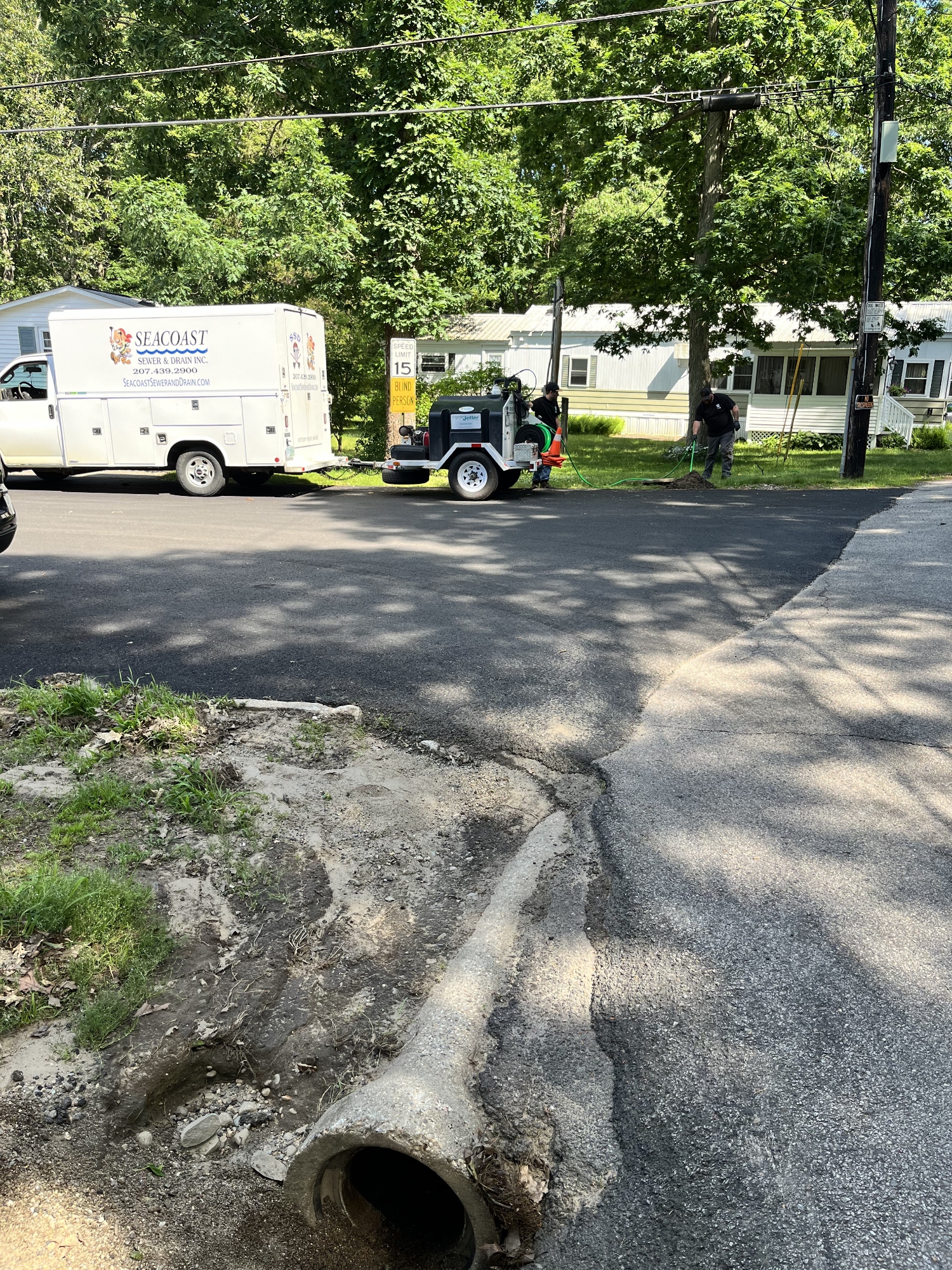


Sewer line repair contractors in Portsmouth, NH: How to choose trusted local experts


Sewer line repair contractors are plumbing professionals who focus specifically on repairing, replacing, and maintaining underground sewer pipes using both traditional and modern trenchless methods.
Your home's sewer line carries waste away from your property every single day. When something goes wrong with this system, you need a specialist who knows how to diagnose and fix the problem quickly.
Most homeowners don't think about their sewer lines until a problem appears. Slow drains, bad smells, or sewage backups can signal serious issues that require immediate attention. The right contractor can save you thousands of dollars and prevent extensive property damage.
Understanding what these specialists do and how to pick a qualified one will help you make smart decisions when problems arise. In this article, you’ll learn how sewer line repair contractors diagnose underground pipe problems, recommend the right repair method, and confirm the fix with documented testing.
Here’s what you’ll find below:
- Sewer line repair contractors: what they do and how to choose the right one
- What sewer line repair contractors specialize in
- Signs you need sewer line repair contractors
- Common sewer line problems contractors repair
- Sewer line repair methods used by professionals
- Sewer line repair contractors vs general plumbers
- What to expect when hiring sewer line repair contractors
- How to choose the right sewer line repair contractor
- Why choose Seacoast Sewer & Drain as your sewer line repair contractor
Keep reading! You'll learn about common sewer line issues, repair methods, and what separates these contractors from general plumbers.
Sewer line repair contractors: what they do and how to choose the right one
Sewer repair contractors specialize in fixing and replacing underground pipes that carry wastewater away from your home. They handle everything from minor clogs to complete pipe replacements.
These professionals use specialized equipment like video cameras to inspect pipes and identify problems. They can repair cracks, remove tree roots, and replace damaged sections of your sewer line.
Key services sewer repair contractors provide:
- Video camera inspections of sewer lines
- Pipe repair and replacement
- Root removal and blockage clearing
- Main line and lateral line work
- New sewer line installation
When choosing a contractor, you need to verify they have the proper credentials. Look for someone who is licensed, insured, and bonded for sewer work specifically.
According to the New Hampshire Office of Professional Licensure and Certification (OPLC), homeowners can use the state’s License Lookup to verify whether a professional credential is active and in good standing before hiring.
Ask for a camera inspection before any work begins. This shows you exactly what's wrong and helps prevent unnecessary repairs.
Get written estimates that detail the scope of work, materials, and timeline. Compare at least three quotes before making your decision.
Check reviews and ask for references from past customers who had similar sewer work done. This gives you insight into their quality and reliability.
Important questions to ask:
- Do you specialize in sewer repair or general plumbing?
- What warranty do you offer on parts and labor?
- Will you handle permits and inspections?
- What repair method do you recommend and why?
Some contractors only clean drains while others handle major repairs and replacements. Make sure the contractor you choose has experience with your specific type of problem.
What sewer line repair contractors specialize in
Sewer line repair contractors focus on fixing underground pipe systems that carry wastewater away from your property. These specialists handle everything from finding hidden problems beneath your yard to restoring your landscape after repairs.
Diagnosing underground sewer problems
Contractors use camera inspections to locate issues inside your sewer pipes without digging up your entire yard. A small waterproof camera travels through the pipe and sends video footage back to the technician. This shows exactly where cracks, blockages, or root intrusions exist.
The inspection reveals the type of damage your sewer line has suffered. Common problems include tree roots breaking through joints, collapsed sections from soil shifts, and corroded pipes from age. Contractors can see how severe the damage is and measure the affected length.
After the camera inspection, contractors map out the problem areas and explain what repairs you need. They tell you whether a simple repair will work or if you need a full replacement. This diagnosis helps you understand the scope of work before any digging begins.
Repairing damaged or collapsed sewer pipes
Traditional repair methods involve digging trenches to access and replace broken pipe sections. Workers excavate down to the damaged area, remove the old pipe, and install new materials. This approach works well for severe collapses or extensive damage.
Trenchless repair methods fix pipes with minimal digging. Pipe lining involves inserting a resin-coated tube into the existing pipe, which hardens to create a new pipe inside the old one. Pipe bursting breaks apart the damaged pipe while pulling new pipe into place. These methods save your landscaping and reduce restoration costs.
Contractors also handle spot repairs for isolated cracks or small breaks. They can patch sections without replacing entire pipe runs. The repair method depends on your pipe's condition, material, and location.
Coordinating inspection, repair, and restoration
Licensed contractors obtain the required permits from your city or county before starting work. They know which local codes apply to sewer repairs and ensure all work meets those standards. This protects you from violations and future problems.
According to the U.S. Department of Transportation (DOT), research indicates that calling 811 before digging provides a 99% chance of avoiding an incident, injury, environmental harm, or death—supporting why reputable sewer contractors coordinate utility marking before excavation.
The contractor schedules inspections at key stages of the repair process. A municipal inspector verifies the work meets code requirements before covering up the pipes. Final inspections confirm everything functions properly.
After pipe repairs finish, contractors coordinate landscape restoration. They fill trenches, replace topsoil, and reseed grass areas disturbed during excavation. Some contractors handle this work themselves, while others bring in landscaping partners to return your yard to its original condition.
Signs you need sewer line repair contractors
Your home's sewer system gives clear warning signs when something goes wrong, and recognizing these problems early helps you avoid expensive damage. Watch for backups, strange smells, wet spots in your yard, and problems affecting multiple drains at once.
Recurring sewer backups or slow drains
When water drains slowly from your sinks, tubs, or toilets, you might have a blockage in your sewer line. This happens when waste builds up inside the pipes.
You'll notice water taking longer to go down. Sometimes it might start draining normally but then slow down over time. If you fix a clog and it comes back within days or weeks, the problem is deeper in your system.
Professional sewer repair contractors use special cameras to look inside your pipes. They can find the exact location of the blockage. Tree roots, grease buildup, or damaged pipes often cause these recurring issues.
Don't ignore slow drains. They usually get worse over time. A small blockage today can turn into a complete backup tomorrow.
Sewage odors around the property
Sewage smells mean waste gases are escaping from your sewer line. These odors smell like rotten eggs or human waste.
You might notice the smell near drains inside your home. It can also appear in your yard, especially near where the sewer line runs. The smell gets stronger after you use water or flush toilets.
A properly sealed sewer line keeps all waste and gases contained. When you smell sewage, there's a crack, break, or loose connection somewhere in the system. These problems let dangerous gases escape into your home or yard.
The smell can make you feel sick. It also means bacteria from sewage might be present. Call professional sewer repair contractors right away when you notice these odors.
Soggy or sunken areas in the yard
Wet spots in your yard that don't dry out point to a leaking sewer line underground. The leaking sewage water saturates the soil above the pipe.
You'll see patches of grass that stay wet even when it hasn't rained. The grass might grow faster and greener in these spots because sewage acts like fertilizer. Sometimes the ground sinks or creates a depression where the pipe is damaged.
These wet areas often have a bad smell. You might see actual sewage pooling on the surface in severe cases. The ground feels soft or squishy when you walk on it.
A leaking sewer line wastes water and damages your property's foundation. The excess moisture attracts insects and creates health hazards. Professional sewer repair contractors need to locate the leak and fix it before it causes structural problems.
Multiple plumbing fixtures backing up
When two or more drains back up at the same time, you have a main sewer line problem. This is different from a single clogged drain.
You might flush the toilet and see water come up in your shower drain. Or water might back up into your basement floor drains when you run the washing machine. These connected problems mean the main line that serves your whole house is blocked.
The lowest drains in your home usually show problems first. Basements and ground-floor fixtures back up before upper-level ones. You'll see dirty water or sewage coming back through drains instead of flowing away.
This situation needs immediate attention from professional sewer repair contractors. A completely blocked main line means you can't use any plumbing in your home. The backup can cause water damage and create unsanitary conditions quickly.
Common sewer line problems contractors repair
Sewer line contractors handle several major issues that can disrupt your plumbing system and damage your property. Tree roots, broken pipes, misaligned sections, and aging materials are the most frequent problems that require professional repair.
Tree root intrusion
Tree roots naturally grow toward water sources, making your sewer lines a prime target. Small cracks or joints in your pipes release water vapor that attracts roots. Once roots find these weak points, they push through and expand inside the pipe.
As roots grow larger, they create dense masses that block wastewater flow. You'll notice slow drains, gurgling sounds, or sewage backups in your home. The roots can completely fill a pipe within months if left untreated.
Contractors remove roots using specialized cutting equipment or hydro-jetting. Hydro-jetting uses high-pressure water to cut through root masses and clean pipe walls. For severe cases, your contractor may need to replace the damaged section entirely. Some contractors also install root barriers or recommend removing nearby trees to prevent future problems.
Cracked or broken sewer pipes
Shifting soil, ground settling, and nearby construction put stress on underground pipes. This pressure causes cracks that start small but grow over time. Heavy vehicles driving over shallow sewer lines can also crack or crush pipes.
Broken pipes leak sewage into the surrounding soil, creating sinkholes in your yard. You might see soggy patches of grass, unusual plant growth, or actual depressions in your lawn. Inside your home, broken pipes cause persistent drain problems and foul odors.
Contractors use video camera inspections to locate exact crack locations and assess damage severity. Minor cracks can be sealed with epoxy pipe lining, which creates a new pipe inside the old one. Severely broken sections require excavation and replacement. Modern trenchless repair methods minimize yard damage by accessing pipes through small entry points.
Per the U.S. Environmental Protection Agency (EPA), television (CCTV/TV) inspection is commonly used to inspect the internal condition of sewers and is an effective method for identifying defects before deciding on repair scope.
Pipe bellies and misalignment
Pipe bellies form when sections of your sewer line sink lower than surrounding areas. This creates a valley or sag where wastewater pools instead of flowing properly. Soil erosion, poor initial installation, and ground settling all cause pipe bellies.
Standing water in these low spots accumulates sediment and debris. The buildup restricts flow and eventually creates blockages. You'll experience repeated clogs even after cleaning because the belly remains.
Misalignment happens when pipe sections separate or shift out of position. Joints come apart due to ground movement or deteriorating connection materials. Gaps between pipes allow soil to enter and wastewater to leak out.
Contractors must excavate and reinstall affected pipe sections to correct bellies and misalignment. The repair involves removing the sagging or separated pipes and installing new ones at the proper slope. Your sewer line needs a consistent downward grade of at least 1/4 inch per foot to function correctly.
Corrosion and aging materials
Older sewer pipes made from cast iron or clay deteriorate over decades of use. Cast iron corrodes from the inside as hydrogen sulfide gas from waste creates sulfuric acid. This acid eats through the pipe walls, creating rough surfaces and eventually holes.
Clay pipes become brittle with age and crack easily. The joints between clay pipe sections often fail first, allowing roots to enter and soil to infiltrate. Homes built before 1980 likely have these outdated materials.
Corroded pipes show warning signs like rusty water in drains, persistent clogs, and sewage odors. You might also notice increased pest activity as insects enter through damaged sections.
Contractors typically recommend full pipe replacement for severely corroded lines. Trenchless pipe bursting breaks apart the old pipe while simultaneously pulling new pipe into place. Another option is cured-in-place pipe lining, which adds decades of life to structurally sound but corroded pipes. Modern replacement pipes use PVC or HDPE materials that resist corrosion and last 50-100 years.
Sewer line repair methods used by professionals
Professional contractors use several proven methods to fix damaged sewer lines, ranging from minimally invasive trenchless techniques to traditional excavation when necessary. The repair approach depends on factors like the extent of damage, pipe location, and your property's specific conditions.
Trenchless sewer line repair
Trenchless methods allow sewer pipe repair specialists to fix your pipes without digging up your entire yard. This approach uses two main techniques: pipe lining and pipe bursting.
Pipe lining involves inserting a flexible tube coated with special resin into your existing pipe. The tube inflates and hardens against the pipe walls, creating a new pipe within the old one. This method works well for pipes with cracks, small holes, or minor deterioration.
Pipe bursting breaks apart your damaged pipe while simultaneously pulling new pipe material through the same path. Contractors only need to dig small access holes at entry and exit points. This technique handles severely damaged pipes that can't support a liner.
The benefits include minimal landscape disruption, faster completion times, and no need to restore driveways or patios. Your property stays mostly intact throughout the repair process.
Spot repairs and pipe section replacement
Sometimes damage affects only a small section of your sewer line rather than the entire system. Spot repairs target these isolated problem areas without replacing or relining the whole pipe.
Contractors use video camera inspections to pinpoint exactly where damage occurs. They then dig a small access hole directly above that section. This focused approach costs less than full-line repairs and completes faster.
Common spot repair situations include:
- Single pipe joints that have separated
- Localized root intrusions
- Small cracks or holes in one section
- Damage from recent ground shifting
The excavation remains minimal compared to traditional methods. After fixing or replacing the damaged section, contractors backfill the hole and restore that small area of your property.
Traditional excavation repairs
Full excavation becomes necessary when trenchless methods won't work for your situation. This approach involves digging a trench to expose the entire damaged section of pipe.
Your contractor removes the old pipe and installs new sewer line materials. Excavation provides direct access for repairs that require extensive work or when pipes sit too deep for trenchless equipment. Older pipes made from outdated materials often need this traditional approach.
The process takes longer and costs more due to labor, equipment, and property restoration needs. You'll face lawn damage, potential driveway removal, and landscape restoration afterward. Despite these drawbacks, excavation remains the most thorough repair method for severely compromised sewer systems.
When full replacement is recommended
Complete sewer line replacement becomes the best option when repairs no longer make financial or practical sense. Pipes with widespread damage throughout multiple sections cost more to patch repeatedly than to replace entirely.
Sewer pipe repair specialists recommend full replacement for these situations:
- Pipes older than 50 years with recurring problems
- Extensive root damage throughout the line
- Collapsed or severely deteriorated pipes
- Outdated materials like clay or Orangeburg pipe
Full replacement uses either trenchless pipe bursting or traditional excavation depending on your property layout. While the upfront investment is higher, you get a completely new system with decades of reliable service ahead. Modern pipe materials resist root intrusion and corrosion better than older options.
Sewer line repair contractors vs general plumbers
A general plumber can handle basic drain clogs and fixture replacements, but sewer line work requires specialized equipment and training that many standard plumbers don't have. Dedicated sewer contractors maintain licenses specifically for excavation and underground pipe work, plus they own high-end camera systems and trenchless repair tools.
Specialized tools and experience
Sewer line contractors invest in equipment that most general plumbers never purchase. You'll find they own pipe bursting machines, cured-in-place pipe (CIPP) lining systems, and hydraulic excavators designed for precision digging. These tools cost tens of thousands of dollars, so only contractors who focus on sewer work can justify the expense.
A general plumber might rent a basic drain snake for occasional clogs. A sewer specialist owns industrial-grade cutters that can remove tree roots lodged deep in your main line. They also understand soil conditions, pipe materials from different decades, and how to work around utility lines buried near your sewer lateral.
Experience matters when you're dealing with pipes buried four to six feet underground. Sewer contractors handle underground failures weekly, while a general plumber might see one or two cases per year. That frequency builds muscle memory for spotting warning signs and choosing between repair methods.
Sewer camera inspection capabilities
Professional sewer contractors use waterproof cameras mounted on flexible cables to inspect the inside of your pipes. These cameras transmit live video and can pinpoint exactly where a crack, blockage, or collapsed section exists. The camera head includes LED lights and records footage your contractor can review with you.
General plumbers may offer basic camera inspections, but sewer specialists own advanced systems with locating transmitters. These transmitters send a radio signal from inside the pipe to a receiver above ground, marking the exact depth and location of damage. You'll know whether the problem sits under your driveway or your garden before any digging starts.
The camera inspection creates a permanent record of your pipe's condition. Sewer contractors often provide you with a USB drive or online link to the video, which helps when you're comparing quotes or filing insurance claims.
Compliance with local codes and permits
Sewer work triggers strict permitting requirements in most jurisdictions. Your local building department typically requires a plumbing permit, and some cities add separate excavation or right-of-way permits if your sewer line crosses public property. Sewer line contractors handle these applications daily and know exactly which forms your municipality requires.
A general plumber might need to research permit rules for your specific project, which adds delays. Specialized contractors already maintain relationships with local inspectors and understand your city's current codes for pipe materials, depth requirements, and connection methods.
Permit requirements often include:
- Plumbing permit from the building department
- Excavation permit for digging beyond a certain depth
- Right-of-way permit if work extends to the street
- Final inspection sign-off before backfilling
Working without proper permits can result in fines between $500 and $5,000 depending on your location. Sewer contractors pull permits as part of their standard service, protecting you from legal complications and ensuring the work meets code for future home sales.
What to expect when hiring sewer line repair contractors
A professional sewer line repair contractor will guide you through a structured process from initial inspection to final verification. You'll receive detailed assessments, transparent pricing, and clear timelines for completing the work.
Inspection and damage assessment
Your contractor will start with a thorough inspection of your sewer line to identify the exact location and extent of damage. Most professionals use video camera equipment that travels through your pipes to capture real-time footage of cracks, blockages, tree root intrusion, or collapsed sections.
This inspection typically takes one to two hours and helps determine whether you need a simple repair or full replacement. You should receive a detailed report explaining what the camera found and which sections of pipe need attention.
The contractor will also check your property for access points and assess how the repair work might affect your yard, driveway, or landscaping. They'll measure the depth of your sewer line and note any obstacles like utility lines or underground structures.
This assessment phase determines which repair method works best for your situation. Some damage can be fixed with trenchless techniques, while severe cases may require traditional excavation.
Clear repair recommendations and pricing
After the inspection, your contractor should present specific repair options tailored to your sewer line's condition. They'll explain the differences between methods like pipe lining, pipe bursting, or traditional dig-and-replace approaches.
You should receive a written estimate that itemizes all costs including materials, labor, permits, and site restoration. The estimate must specify which sections of pipe will be repaired, the exact methods used, and how long the repairs will last.
Key pricing details to expect:
- Cost per linear foot of pipe repair or replacement
- Permit fees and inspection charges
- Equipment rental or specialty tool costs
- Soil removal and disposal fees
- Landscaping or hardscape restoration expenses
Ask about warranties on both materials and labor. Quality contractors typically offer 1-2 years on labor and 25-50 years on materials like pipe liners.
Project timelines and site restoration
Your contractor will provide a realistic timeline for completing the repair work. Simple trenchless repairs often finish in one day, while extensive excavation projects may take three to five days.
Weather conditions, permit approval times, and the availability of specialty equipment can affect these schedules. Your contractor should explain potential delays upfront and commit to specific start and completion dates in writing.
Typical project phases include:
- Day 1: Site preparation and excavation or equipment setup
- Days 2-3: Actual pipe repair or replacement work
- Days 4-5: Backfilling, compaction, and surface restoration
You'll need to avoid using water fixtures during active repair hours. The contractor should specify which areas of your property will be affected and how they'll protect existing landscaping, driveways, or sidewalks.
Site restoration means returning your property to its original condition. This includes replacing soil, reseeding grass, repaving sections of concrete or asphalt, and reinstalling any removed fixtures.
Final testing and verification
Before completing the job, your contractor will perform tests to verify the repair solved your sewer line problems. This includes running water through all drains and toilets to check for proper flow and drainage speed.
Many contractors conduct a final camera inspection to document that no leaks or defects exist in the repaired sections. You should receive before-and-after video footage showing the improvement.
The contractor will also perform a pressure test or water test to ensure all connections are sealed properly. These tests confirm your sewer line can handle normal wastewater volume without leaking into surrounding soil.
You'll receive documentation of all work completed, including photos, test results, and warranty information. Keep these records for future reference and to show compliance if you sell your property.
How to choose the right sewer line repair contractor
Selecting a qualified contractor depends on verifying credentials, confirming technical expertise, ensuring they use camera inspections and modern tools, and understanding what guarantees protect your investment.
Licensing and certifications
Any contractor you hire must hold an active plumbing license in your state. Most states require specific licenses for sewer work, which differ from general plumbing credentials. Ask to see physical copies of licenses and verify them directly with your state licensing board.
Insurance matters just as much as licensing. Your contractor needs both general liability insurance and workers' compensation coverage. If a worker gets injured on your property or causes damage during repairs, proper insurance protects you from financial liability.
Some areas require contractors to be bonded. A bond provides financial protection if the contractor fails to complete work or violates local codes. Check your local requirements to know what bonds apply.
Look for contractors who hold certifications from manufacturers of trenchless repair systems or specialized sewer equipment. These certifications show the contractor has received training on specific repair methods and stays current with industry standards.
Experience with sewer-specific repairs
General plumbers may not have the skills needed for complex sewer line work. You need a contractor who focuses specifically on sewer repairs and replacements, not someone who occasionally handles these jobs.
Ask how many years the contractor has worked on sewer lines in your area. Local experience matters because soil conditions, pipe materials, and municipal codes vary by region. A contractor familiar with your area knows which problems occur most often and how local regulations affect repairs.
Request details about the specific methods they use. Trenchless repairs require different expertise than traditional excavation. If your situation calls for pipe bursting or cured-in-place pipe lining, the contractor needs proven experience with those techniques.
Ask for references from recent sewer line projects similar to yours. Contact at least three past clients to learn about their experiences. Were repairs completed on schedule? Did the contractor communicate clearly? Did any problems arise after completion?
Use of modern diagnostic technology
Camera inspections are not optional. Any legitimate sewer contractor must use video camera equipment to examine your pipes before recommending repairs. Without seeing inside your pipes, a contractor is just guessing about the problem.
The inspection should produce clear video footage showing the exact location and nature of damage. You should receive a copy of this footage along with a written report explaining what the camera revealed. Watch the video yourself so you understand why specific repairs are necessary.
Modern contractors use additional tools beyond cameras. Hydro-jetting equipment clears roots and debris more effectively than old-fashioned snakes. Electronic locating devices pinpoint exactly where damaged sections lie underground, which reduces unnecessary digging.
Ask what type of camera equipment they use. Higher-quality cameras provide clearer images and can navigate through longer pipe sections. The equipment should include distance markers and recording capabilities.
Transparency and warranty coverage
Get everything in writing before work begins. The estimate should list specific repairs, materials, labor costs, timeline, and payment schedule. Vague estimates leave room for surprise charges later.
Licensed sewer contractors should explain exactly what work they will perform and why each step is necessary. If they cannot clearly describe their repair plan in terms you understand, consider that a warning sign.
Warranty coverage protects you after repairs finish. Reputable contractors offer warranties on both labor and materials. Labor warranties typically last one to two years, while material warranties may extend five years or longer depending on the products used.
Read warranty terms carefully. Some warranties only cover specific problems or require you to maintain the system in certain ways. Know what actions might void your warranty and what steps you must take to file a claim if problems develop.
Compare written estimates from at least three contractors. The lowest bid is not always the best choice if that contractor cuts corners on materials or lacks proper credentials.
Why choose Seacoast Sewer & Drain as your sewer line repair contractor
Seacoast Sewer & Drain brings specialized skills and modern equipment to every sewer line repair job. Their team focuses on accurate diagnostics and honest recommendations to fix your specific problem.
Dedicated sewer and drain specialists
Seacoast Sewer & Drain focuses exclusively on sewer and drain work. This specialization means their team deals with sewer line problems every day, not just as a side service to general plumbing.
The company has been operating since 2012, giving them over a decade of experience with sewer line issues specific to the New Hampshire and Maine seacoast region. They understand local pipe materials, soil conditions, and common failure points.
Their technicians handle both simple clogs and complex main line repairs. You get a team that knows the difference between a quick fix and when you need a full replacement. They work on residential and commercial properties throughout York County and the seacoast area.
Advanced inspection and repair equipment
The company uses video camera scoping to inspect your sewer lines from the inside. This technology lets them see exactly what's wrong and where the problem is located without guessing or unnecessary digging.
They offer high-pressure water jetting to clear blockages and clean pipe walls. This method removes grease, roots, and buildup that regular snaking can't handle. The hydro jetting equipment cuts through stubborn clogs while being safe for your pipes.
Their pipe locating technology pinpoints the exact spot where repairs are needed. You avoid extensive excavation work when they can target the specific problem area. They also use power snaking for routine clogs that don't require the more intensive jetting process.
Honest evaluations without unnecessary upsells
Seacoast Sewer & Drain provides camera inspections so you can see the actual condition of your pipes. You get visual proof of what needs repair instead of taking someone's word for it.
Their approach focuses on fixing your current problem rather than pushing services you don't need. They offer competitive pricing and explain your options clearly. The company provides preventative maintenance services for customers who want them, but they don't pressure you into extra work.
You receive straightforward assessments of whether you need a repair, a cleaning, or a full replacement. Their estimates break down the work and costs so you understand what you're paying for.
Proven results for residential sewer repairs
The company handles common residential issues like backed-up lines, overflowing toilets, and slow drains. They service sewer ejector pumps, septic tanks, and main sewer line problems that affect your whole house.
They offer 24/7 emergency service when you have urgent sewer line failures. You can reach them any time, not just during business hours. Their local ownership means they're invested in maintaining their reputation in the community.
Seacoast Sewer & Drain is registered with the Better Business Bureau and maintains active profiles where customers leave feedback. They serve multiple locations including Kittery, Exeter, and Portsmouth, covering the seacoast region of both states.
Conclusion
Finding the right sewer line repair contractor protects your property and saves you money in the long run. You need a licensed and insured professional who understands local regulations and can handle your specific sewer problems.
Trenchless repair methods have changed how contractors fix damaged pipes. This technology lets you avoid digging up your entire yard or driveway. You get faster repairs with less mess and disruption to your daily life.
You should get multiple quotes before making your decision. Ask each contractor about their repair process and timeline. Request a camera inspection to see the exact condition of your pipes.
Your sewer line is a critical part of your home's infrastructure. Working with qualified contractors means you get repairs done right the first time. Don't wait until a small problem becomes a major emergency.
The best contractors will explain your options clearly and help you choose the most cost-effective solution. They should answer your questions and provide written estimates before starting any work.
Request an estimate from Seacoast Sewer & Drain for sewer line repair services after a camera inspection confirms the cause, location, and most cost-effective repair method for your Portsmouth-area property.
Recent Blog Post
Customer Reviews