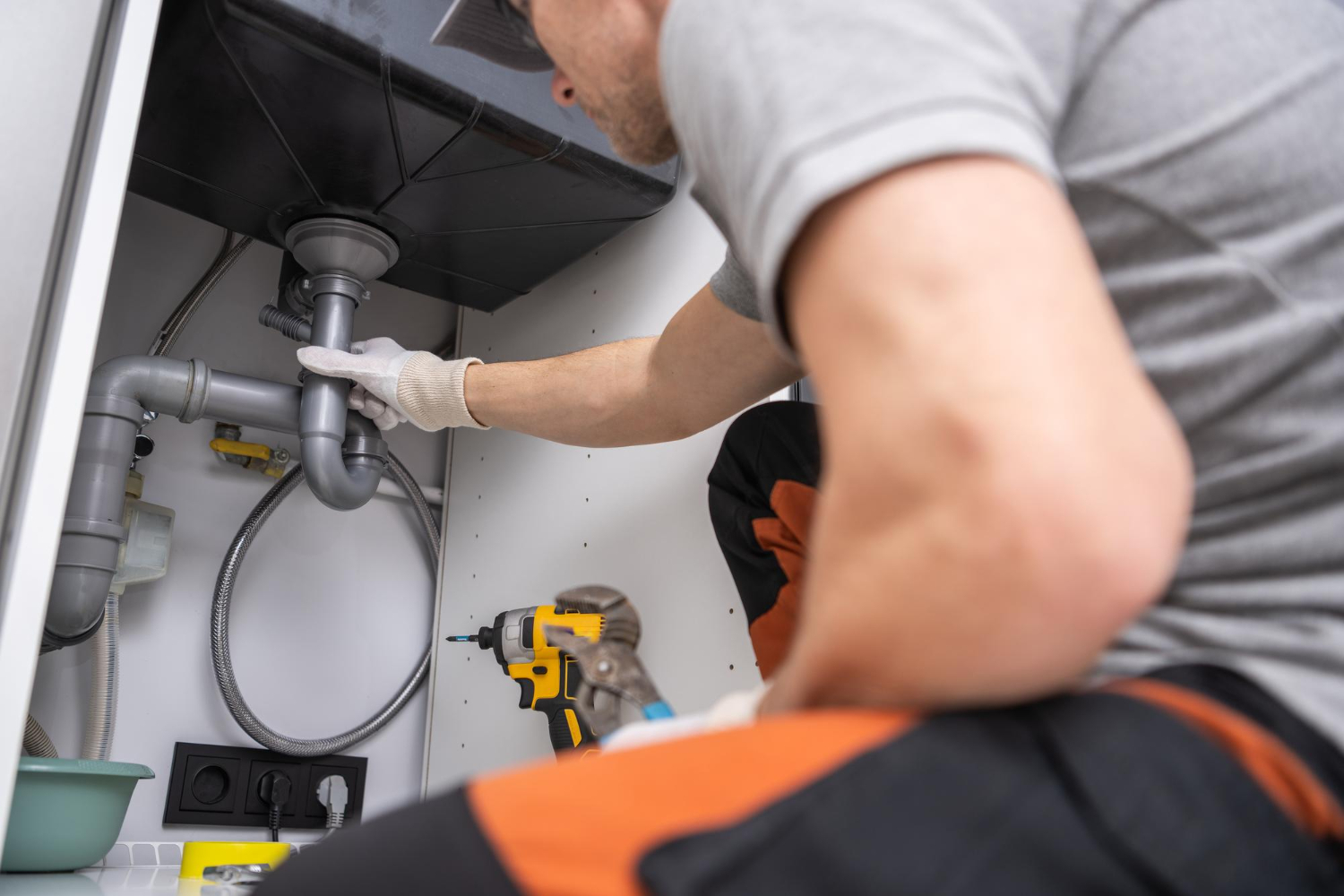


Signs you need a drain snaking service and how to choose a reliable contractor in Seacoast NH


Drain snaking is a professional service that uses specialized tools to break up and remove blockages deep inside your plumbing system.
A clogged drain can slow down your daily routine and create unpleasant odors in your home or business. When water backs up in sinks, showers, or toilets, you need a solution that works quickly without damaging your pipes.
Drain snaking works on most types of clogs, from hair and grease to tree roots that invade underground pipes. Professional plumbers can typically clear most drains in minutes using this proven technique.
According to the CDC, people who handle human waste or sewage can be at increased risk of illness, and risk reduction depends on basic hygiene plus appropriate PPE and training—which is one reason professional drain snaking is safer than DIY when backups involve wastewater.
Understanding how drain snaking works and when to call for help can save you time and money. In this article, you’ll learn when a drain snaking service is the right fix for clogged drains, how the process works, and how to choose a reliable contractor in Seacoast NH.
Here’s what you need to know:
- Drain snaking service: fast and effective solutions for clogged drains
- Applicable for residential and commercial plumbing systems
- Signs your drains need professional snaking
- Common causes of clogged drains
- How professional drain snaking works
- Benefits of hiring Seacoast Sewer & Drain for drain snaking
- Tips to prevent future drain clogs
Keep reading to understand what causes drain clogs, how professionals clear them, and what you can do to keep your drains flowing smoothly.
Drain snaking service: fast and effective solutions for clogged drains
Drain snaking offers a proven method to clear blocked pipes quickly and restore normal water flow. Professional plumbers use specialized tools to break through clogs that simple home remedies cannot handle.
What is a drain snaking service?
A drain snaking service uses a long, flexible metal cable called a drain snake to remove blockages from your pipes. The snake feeds through your drain and breaks up or pulls out clogs caused by hair, grease, soap buildup, and other debris.
Professional plumbers operate snakes that can reach blockages up to 25 feet deep in your plumbing system. The rotating cable at the end of the snake either breaks apart the clog or hooks onto it so the plumber can pull it out.
Common applications include:
- Sink drains
- Bathtub and shower drains
- Toilet clogs
- Main sewer line blockages
This method works well for clogged drain repair in most residential and commercial settings. Your plumber can typically clear the blockage in one visit without needing to dig up pipes or use harsh chemicals.
The service costs less than other methods and provides immediate results for most clogs.
Using professional plumbing snakes to clear blockages
Professional plumbers use specialized drain snakes that differ from basic home models. These tools can reach deeper into your plumbing system and handle tougher clogs that standard equipment cannot manage.
According to the U.S. Environmental Protection Agency (EPA), “inappropriate materials” sent into sewers—including fats, oils, and grease (FOG) and some products labeled “flushable” (like wipes)—can contribute to sewer blockages and overflows, which is why recurring kitchen or main-line clogs often require professional snaking instead of repeated DIY attempts.
A plumbing snake works by feeding a long, flexible metal cable into your drainpipe. The tool has a coiled or corkscrew tip at the end that breaks apart blockages or grabs onto debris like hair, grease, and other materials causing the clog.
Professional-grade snakes offer several advantages:
- Longer cables that reach 50 to 100 feet into your pipes
- Stronger construction to handle stubborn blockages
- Motorized options for increased power and efficiency
- Specialized attachments for different types of clogs
When you hire a plumber for drain snaking, they first assess your specific situation. They determine which type of snake works best for your drain and blockage. This prevents damage to your pipes that can happen when using the wrong tool or technique.
The plumber feeds the snake into your drain until it reaches the clog. They then rotate the cable to break through or hook onto the blockage. Once the obstruction is cleared, they pull the snake back out and test water flow to confirm the drain works properly.
Professional plumbers know how to navigate bends in your pipes and can identify when a clog requires additional methods beyond snaking. They understand pipe materials and use appropriate pressure to avoid causing leaks or other damage during the clearing process.
Removing hair, grease, debris, and tree roots
Drain snaking works well for different types of clogs in your pipes. The flexible cable can break through and pull out materials that block water flow.
Hair clogs are common in bathroom drains. A drain snake can grab and remove hair tangles from sinks, showers, and tubs. The tool reaches down into the pipe to hook the hair and pull it out.
Grease buildup can slow your drains over time. A snake punches a hole through grease so water can pass. However, it may not remove all the grease from your pipe walls.
Food debris and other waste that gets stuck in kitchen drains can be cleared with snaking. The auger breaks apart the blockage to restore drainage.
Tree roots that grow into sewer line snaking requires a strong cable with a cutting blade. The blade cuts through small to medium root intrusions. Your plumber can use the snake to create an opening in root blockages.
According to NC State Extension, tree roots do not “crush” pipes to create entry points—they typically exploit existing cracks or gaps, which is why repeat sewer line snaking often needs follow-up diagnosis (e.g., inspection and repair) instead of repeated clearing alone.
Snaking works best for:
- Simple clogs near the drain opening
- Hair and food particle blockages
- Small root intrusions
- Single drain problems
Keep in mind that snaking creates a path through the clog rather than cleaning the entire pipe. Some buildup may remain on pipe walls after treatment. For severe blockages or recurring problems, your plumber might recommend a different cleaning method after inspection.
Applicable for residential and commercial plumbing systems
Drain snaking works well in both home and business settings. You can use this service to clear clogs in kitchen sinks, bathroom drains, toilets, and main sewer lines.
Residential drain unclogging handles common problems like hair buildup in shower drains or food waste in kitchen pipes. The flexible cable of a drain snake can navigate through the bends in your home's plumbing system. Most household clogs respond well to this method.
Commercial drain cleaning service addresses larger-scale blockages in restaurants, office buildings, and retail spaces. Business plumbing systems often deal with heavier use and more frequent clogs. Commercial spaces may need drain snaking for multiple fixtures or main line issues.
Setting
Common Uses
Residential
Bathroom drains, kitchen sinks, toilet clogs, basement drains
Commercial
Restaurant grease traps, public restrooms, floor drains, sewer lines
The same basic snaking technique applies to both settings. However, commercial jobs may require longer cables or more powerful equipment. Business properties might also benefit from regular maintenance schedules to prevent major blockages.
You can call a professional drain snaking service regardless of your property type. Licensed plumbers have the right tools and experience for both residential and commercial systems. They can assess your specific situation and determine if snaking is the best solution for your clog.
Preventing damage to pipes from DIY attempts
Using a drain snake yourself can save money, but you need to take care to avoid damaging your pipes. The wrong technique or tool can scratch pipe interiors, crack old plumbing, or push clogs deeper into your system.
Choose the right snake for your pipes. Match the snake size to your drain line. A snake that's too large can scrape or crack pipes, while one that's too small won't clear the blockage effectively.
Go slow and steady. Feed the cable into the drain gradually without forcing it. If you feel strong resistance, stop pushing. Forcing the snake can puncture pipes or get the tool stuck inside your plumbing.
Pay special attention if your home has older pipes. Galvanized steel and cast iron pipes are more vulnerable to damage from mechanical tools. The metal cable can scratch weakened pipe walls and make existing problems worse.
Know when to stop. If the snake won't advance after several attempts, the clog may be too stubborn for DIY methods. Continuing to push can damage your pipes or the tool itself.
Keep these practices in mind:
- Don't spin the snake too aggressively
- Avoid using power snakes without proper training
- Never use excessive force when you hit an obstruction
- Pull the snake back slowly to avoid catching on pipe joints
If you're unsure about your pipes' condition or the clog's severity, call a professional plumber. They have cameras to inspect your pipes and tools designed to prevent damage.
Restoring proper flow and preventing recurring clogs
Drain snaking does more than just clear a blockage. It restores the proper flow of water through your pipes by removing debris that has built up over time.
When a plumber uses a drain snake, the tool breaks apart clogs and pulls out materials like hair, soap scum, and grease. This process opens up your pipes so water can move freely again. After the snake clears the blockage, running water washes away any remaining debris.
How drain snaking helps prevent future clogs:
- Removes buildup along pipe walls, not just the main blockage
- Clears out materials that could cause problems later
- Identifies potential issues in your plumbing system
- Works better than chemical cleaners that only dissolve part of a clog
Professional drain snaking is more effective than store-bought solutions because it physically removes the entire clog. Chemical cleaners often leave debris behind, which means your drain will clog again soon.
Regular drain snaking service can keep your plumbing system healthy. The process extends the life of your pipes by removing materials before they cause serious damage.
You should combine drain snaking with good habits to get the best results. Avoid pouring grease down your drains and use drain screens to catch hair and food particles. These simple steps, along with professional cleaning when needed, will help you avoid repeated clogs.
If you notice slow drains or frequent backups, drain snaking can address the problem before it gets worse.
Signs your drains need professional snaking
Your plumbing system gives clear warnings when clogs develop beyond what basic tools can fix. Recognizing these signs early helps you avoid water damage, pipe problems, and expensive repairs down the road.
Slow draining sinks, tubs, or showers
When water takes longer than usual to drain, you're dealing with a partial blockage in your pipes. You might notice your bathroom sink holding water for several minutes after brushing your teeth. Your shower may leave you standing in ankle-deep water by the end of your routine.
These slow drains mean something is blocking the normal flow of water through your pipes. Hair, soap scum, grease, and other debris build up over time and narrow the opening where water passes through. Store-bought drain cleaners and plungers only work on surface-level clogs near the drain opening.
A professional drain snake reaches deep into your pipes to break apart and remove blockages that sit several feet down the line. This tool can navigate through the curves and bends of your plumbing to clear out buildup that's been accumulating for months or years.
Gurgling sounds coming from drains
Strange gurgling or bubbling noises from your drains signal trapped air in your plumbing system. You might hear these sounds when you flush your toilet or run water in your sink. The noise happens when water tries to move past a blockage and pushes air bubbles back up through the pipes.
These sounds often mean the clog is developing in your main drain line rather than just one fixture. When air can't flow normally through your venting system, it creates these unusual noises as it escapes.
Gurgling drains need attention before they turn into complete blockages. A drain snake can remove the obstruction causing the air pressure problems in your pipes.
Foul odors from clogged pipes
Bad smells coming from your drains indicate decaying organic matter stuck in your pipes. Kitchen drains often smell like rotting food, while bathroom drains may give off sewage-like odors. These smells get stronger in warm weather when bacteria breaks down trapped debris faster.
The odor comes from food particles, hair, soap residue, and other waste materials that have collected in your pipes. When these materials sit in standing water created by partial clogs, they decompose and release gases that travel back up through your drains.
Regular cleaning products and water won't remove the source of these smells because they can't reach the buildup deep in your pipes. Professional snaking physically removes the decaying matter causing the problem, which eliminates the odor at its source.
Frequent backups in multiple fixtures
When more than one drain in your home backs up at the same time, you have a serious clog in your main sewer line. You might flush your toilet and see water backing up into your bathtub. Running your washing machine could cause your kitchen sink to overflow.
Multiple fixture backups mean the blockage sits in a pipe that several drains share. This type of clog requires immediate attention because it affects your entire plumbing system. The problem will only get worse as more water tries to pass through the blocked pipe.
A professional drain snake designed for main sewer lines can reach and clear these deep blockages. Waiting too long to address multiple backups can lead to sewage spills and water damage in your home.
Visible water pooling or minor flooding
Standing water around floor drains, washing machines, or outdoor cleanouts shows that your drains can't handle the water volume they're receiving. You might see water collecting on your basement floor after doing laundry. Your yard may develop soggy spots near your sewer line.
This pooling happens when clogs prevent water from draining at its normal speed. The water has nowhere to go except back up through the nearest drain opening or leak out of pipe joints. Even small amounts of standing water can damage flooring, walls, and foundations.
Professional drain snaking removes the blockage allowing water to flow properly again. Acting quickly prevents minor water pooling from turning into major flooding that requires extensive cleanup and repairs.
Common causes of clogged drains
Drains become blocked when different materials build up inside your pipes over time. Hair, grease, food waste, tree roots, and old pipes are the main reasons your drains stop working properly.
Hair, soap, and grease buildup
Hair combines with soap residue to create thick clogs in your bathroom drains. When you shower or wash your hair at the sink, loose strands go down the drain and stick to the pipe walls. Soap scum acts like glue that holds the hair together.
Grease from body oils and soap adds another layer to the problem. Over weeks and months, these materials form a dense mass that water cannot pass through easily. Bathroom sink and shower drains face this issue more than other drains in your home.
The combination is particularly stubborn because soap and grease make the blockage slippery and hard to break apart. Hair wraps around itself and catches more debris as water tries to flow past it.
Food and debris accumulation in kitchen sinks
Kitchen drains handle food scraps, cooking oils, and grease from dishes. Fats and oils seem harmless when they go down your drain as warm liquids. But they cool and harden inside your pipes, sticking to the walls.
Coffee grounds, eggshells, and small food particles add to the buildup. These items do not break down in water and instead collect in your pipes. Grease traps these food scraps and creates a thick barrier that blocks water flow.
Starchy foods like rice and pasta expand when wet and cause problems in your pipes. Even small amounts of these materials build up over time. Your kitchen drain faces more grease-related clogs than any other drain in your home.
Tree root intrusion in sewer lines
Tree roots grow toward water sources and can break into your sewer pipes. Small cracks or loose joints in your underground pipes release moisture that attracts roots. Once roots find a way in, they grow quickly inside the pipe.
Roots spread throughout your sewer line and catch toilet paper and waste. This creates major blockages that affect all the drains in your house. Older homes with clay or cast iron pipes face this problem more often because these materials crack and separate over time.
Root intrusion requires professional attention because the roots continue growing if not completely removed. You might notice multiple drains backing up at once or gurgling sounds from your toilets. Trees planted near sewer lines pose the biggest risk for this type of clog.
Old or corroded pipes
Pipes wear out and develop problems as they age. Metal pipes rust from the inside, creating rough surfaces that catch debris. The rust itself breaks off in chunks and narrows the pipe opening.
Corrosion eats through pipe walls and creates holes or weak spots. Scale and mineral deposits from hard water build up on the inside of old pipes. These deposits reduce water flow and give other materials a place to stick.
Older pipes also sag or separate at the joints. These low spots collect debris and water cannot push through effectively. Homes built before 1980 often have pipes that need replacement or frequent cleaning.
Foreign objects accidentally flushed or dropped
Items that do not belong in drains cause immediate blockages. Cotton swabs, dental floss, and hygiene products do not dissolve in water. These objects get stuck in pipe bends and trap other materials.
Kids sometimes drop toys or other items down drains. Paper towels and wipes labeled as "flushable" do not break down like toilet paper. They stay intact and create clogs in your pipes or sewer line.
Jewelry, bottle caps, and small bathroom items can slip into drains by accident. Once lodged in your pipes, these objects block water completely or catch passing debris. Only toilet paper and human waste should go down your drains.
How professional drain snaking works
Professional drain cleaning involves a systematic approach to locate blockages and clear them using specialized equipment. Trained plumbers follow specific steps to remove clogs safely while protecting your plumbing system from damage.
Initial inspection and identification of blockage
A professional plumber starts by examining your drain system to find the exact location and cause of the blockage. They ask questions about when the problem started and what symptoms you've noticed, like slow drainage or gurgling sounds.
The plumber may use a camera inspection tool to look inside your pipes. This small camera travels through the drain and sends back live video footage. The plumber can see if the clog is made of hair, soap buildup, grease, or other materials.
This inspection also reveals the size and severity of the blockage. The plumber checks for any pipe damage or other issues that might affect the snaking process. They use this information to choose the right size snake and approach for your specific situation.
Inserting a mechanical or electric drain snake
Once the blockage is identified, the plumber selects the appropriate drain snake for the job. A drain snake is a long, flexible metal cable with a coil or corkscrew-like tip. For smaller clogs in sinks or tubs, they might use a hand-operated snake that's 25 to 50 feet long.
Larger or deeper clogs require an electric or motorized drain snake. These powerful tools can reach blockages up to 100 feet away or more. The motor provides extra force to break through tough clogs that manual snakes can't handle.
The plumber carefully feeds the cable into your drain opening. They guide it through the pipe, following the natural curves and bends. The flexible cable moves through your plumbing without scratching or damaging the pipe walls.
Breaking up and removing clogs safely
As the snake reaches the blockage, the plumber begins working to clear it. They rotate the cable slowly, allowing the corkscrew tip to grab onto or break apart the clog. The turning motion helps the snake work through the debris without forcing it.
Hand-operated snakes require the plumber to manually push and twist the cable. They use steady pressure and careful movements to avoid damaging your pipes.
Motorized snakes use electric power to rotate the cable automatically. The plumber controls the speed and direction while the motor provides consistent force. This makes it easier to break through stubborn clogs like tree roots or hardened grease.
The plumber pulls the cable back periodically to remove debris that's attached to the snake tip. They may need to repeat this process several times until the clog is completely cleared.
Flushing pipes to ensure proper flow
After breaking up the blockage, the plumber runs water through your drain to flush out remaining debris. This step removes small pieces of the clog that broke apart during snaking. Hot water works especially well for dissolving grease and soap residue.
The plumber watches how quickly water drains to confirm the blockage is gone. They check for proper flow and listen for any unusual sounds. If water still drains slowly, they may snake the drain again to ensure complete clearing.
This flushing process also helps clean the pipe walls where buildup may have accumulated over time.
Testing drains and offering preventative advice
The plumber performs final tests to verify your drain is working correctly. They run water at different flow rates to make sure it drains quickly without backing up. They check multiple fixtures if the clog affected more than one drain.
You receive specific advice based on what caused your blockage. If hair was the problem, they might recommend drain screens or regular cleaning. For grease clogs, they'll explain proper disposal methods.
The plumber may suggest a maintenance schedule for professional drain cleaning. Regular snaking every 1-2 years prevents major clogs from forming. They'll also tell you warning signs to watch for that indicate developing blockages.
Benefits of hiring Seacoast Sewer & Drain for drain snaking
Seacoast Sewer & Drain provides reliable drain snaking services backed by professional equipment and trained technicians. Their approach combines speed with expertise to solve both emergency clogs and ongoing drain maintenance needs.
Fast and reliable service for emergencies or routine clogs
When you face a clogged drain, you need help quickly. Seacoast Sewer & Drain offers fast scheduling to address your drain problems without long wait times.
Their team responds to both emergency situations and routine maintenance calls. You can count on them to show up when scheduled and complete the work efficiently.
The company uses professional-grade snaking equipment that clears blockages faster than standard tools. This means less time waiting for your drains to work properly again. Whether you have a backed-up kitchen sink or a slow-draining bathroom, their technicians can handle the job promptly.
Licensed, experienced plumbing technicians
Seacoast Sewer & Drain employs licensed professionals who understand drain systems. Their technicians have completed proper training and continue to develop their skills with different types of clogs and pipe configurations.
Experience matters when dealing with drain blockages. The team knows how to identify what causes different types of clogs and which snaking techniques work best for each situation. They can distinguish between simple blockages and more complex problems that might need additional services.
These technicians work with various pipe materials and drain configurations daily. This hands-on experience helps them work more efficiently and avoid common mistakes that can occur during drain snaking.
Reduces risk of pipe damage compared to DIY methods
Professional drain snaking protects your pipes better than DIY attempts. Seacoast Sewer & Drain technicians know how much force to apply and which tools to use for different pipe materials.
DIY snaking often leads to scratched pipes, punctured lines, or pushed-back clogs that return quickly. The wrong snake size or technique can damage old pipes or create new problems. Professional technicians adjust their approach based on your specific plumbing system.
Their equipment includes different snake sizes and types for various drain configurations. This specialized gear works more effectively while keeping your pipes safe. The company also offers video camera inspections when needed to see inside pipes before snaking, which prevents unnecessary damage.
Restores proper flow and prevents recurring blockages
Seacoast Sewer & Drain's power snaking removes clogs completely instead of just creating a small opening. This thorough approach restores full water flow through your drains.
Partial clog removal lets some water through but leaves debris that quickly rebuilds into another blockage. Professional snaking clears the entire obstruction and scrapes away buildup on pipe walls. You get drains that work like they should.
The company also offers high-pressure jetting for severe obstructions. This service cleans pipes more thoroughly and helps prevent future clogs from forming. Their preventative maintenance programs keep your drains clear over time.
Professional advice on maintaining clear drains
Your service visit includes expert guidance on keeping drains clear. Seacoast Sewer & Drain technicians explain what caused your specific clog and how to avoid similar problems.
They provide practical tips based on your plumbing system and usage patterns. You learn which items to keep out of drains, how often to schedule maintenance, and what warning signs indicate developing clogs. This knowledge helps you prevent emergency situations.
The company can set up a preventative maintenance schedule tailored to your property. Regular maintenance catches small problems before they become major blockages. Their consulting approach means you understand your drainage system better and can make informed decisions about its care.
Tips to prevent future drain clogs
Keeping your drains clear requires simple habits and regular care. A few basic steps can help you avoid most clogs before they start.
Avoid pouring grease down sinks
Grease and cooking oils are major causes of kitchen drain clogs. When you pour hot grease down the drain, it flows easily at first. But as it cools, it hardens and sticks to the inside of your pipes.
Over time, this buildup narrows your pipes and traps other debris. This creates stubborn blockages that are hard to remove.
Instead of pouring grease down your sink, let it cool in a container. Once it solidifies, throw it in the trash. You can also wipe greasy pans with paper towels before washing them.
Common greasy items to keep out of drains:
- Cooking oil and vegetable oil
- Butter and margarine
- Meat fats and bacon grease
- Salad dressings and mayonnaise
Use drain strainers to catch hair and debris
Drain strainers are small mesh screens that sit over your drain opening. They catch hair, food particles, and other solid materials before they enter your pipes.
In bathroom sinks and showers, hair is the biggest problem. A single strand of hair seems small, but it combines with soap scum to form tough clogs. Strainers catch this hair so you can throw it away instead.
Kitchen strainers stop food scraps from washing down the drain. Even small pieces of food can build up over time.
Clean your strainers weekly by removing trapped debris. This simple tool costs just a few dollars but prevents many expensive clogs.
Schedule periodic professional drain cleaning
Professional drain cleaning removes buildup that regular use creates. Even when you're careful, soap residue, mineral deposits, and small debris accumulate inside your pipes.
A professional plumber can snake your drains every 1-2 years to clear this buildup. This prevents small blockages from becoming major problems. Regular maintenance also helps plumbers spot potential issues before they cause backups.
Professional cleaning extends the life of your pipes by reducing wear and tear. It's especially important for older homes or properties with many residents.
Avoid flushing non-biodegradable items
Your toilet is designed to handle human waste and toilet paper only. Other items don't break down in water and create immediate blockages.
Items you should never flush:
- Wipes (even "flushable" ones)
- Cotton swabs and cotton balls
- Dental floss
- Paper towels
- Feminine hygiene products
- Medication
These items can get stuck in your pipes or damage your sewer system. They also harm municipal water treatment facilities. Keep a small trash can in your bathroom for these items instead.
Educate everyone in your household about what can and cannot go down the toilet. This simple rule prevents most toilet clogs.
Maintain sewer lines and plumbing inspections regularly
Your main sewer line carries all wastewater away from your home. Problems with this line affect every drain in your house.
Tree roots are a common cause of sewer line damage. They grow into pipes through small cracks and create major blockages. You should have your sewer line inspected every few years, especially if you have large trees near your property.
A plumber can use a camera to look inside your pipes and spot problems early. They can see cracks, root intrusion, and buildup before these issues cause backups.
Regular inspections help you plan for repairs instead of dealing with emergency situations. They also give you peace of mind that your entire drainage system is working properly.
Conclusion
Drain snaking service offers a reliable way to clear most common clogs in your plumbing system. This method works well for hair, soap buildup, and other everyday blockages that slow down your drains.
You can count on drain snaking to provide quick results without harsh chemicals. The service costs less than more advanced methods and puts minimal stress on your pipes. It's a practical first step when you notice slow drainage or minor backups.
You should schedule regular drain snaking as part of your home maintenance routine. This keeps your plumbing system running smoothly and helps you avoid bigger problems down the road.
Keep in mind that snaking works best for simple clogs near drain openings. If you face recurring blockages or suspect damage deeper in your pipes, you may need a different approach. A professional plumber can inspect your system and recommend the right solution.
Your drains need attention when you see warning signs like slow drainage or gurgling sounds. Don't wait until you have a complete backup. Taking action early saves you money and protects your plumbing system from unnecessary wear.
Schedule a drain snaking service with Seacoast Sewer & Drain to clear the clog safely, confirm whether the issue is isolated or part of a sewer line problem, and restore normal drainage without damaging your pipes.
Recent Blog Post
Customer Reviews