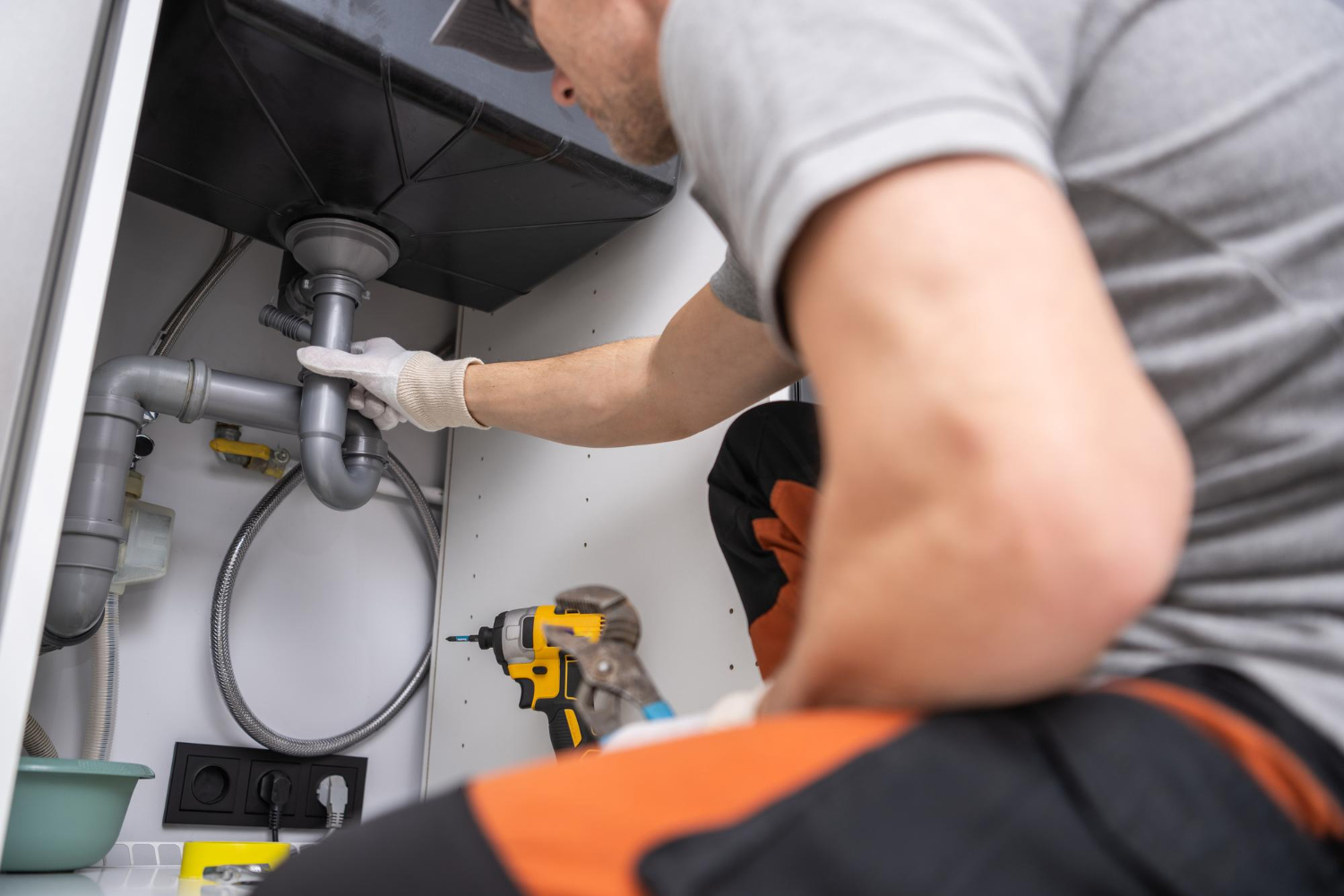


Professional grease clog removal Seacoast combines specialized tools and techniques to break down and clear stubborn grease buildup that simple home remedies cannot handle
Grease clogs are one of the most common plumbing problems that homeowners in the Seacoast area face. When cooking oils, fats, and food residue go down the drain, they cool and stick to pipe walls. Over time, this buildup creates blockages that slow or completely stop water flow in kitchen sinks and other drains.
According to the U.S. Environmental Protection Agency (EPA), grease from homes, restaurants, and industry is the most common cause, about 47%, of reported sewer blockages, underscoring how prevalent FOG-related clogs are.
. While pouring hot water or dish soap down a drain might help with minor issues, serious grease clogs often require expert attention. Residential drain unclogging services use methods like hydro-jetting and professional-grade treatments to fully restore proper drainage.
Here’s what you need to know:
- What is grease clog removal?
- Signs your drain has a grease clog
- Common causes of grease clogs
- How professional grease clog removal is performed
- Benefits of professional grease clog removal services
- DIY vs professional grease clog removal
- How to maintain your drains after grease removal
- Why choose Seacoast Sewer And Drain for grease clog removal
Keep reading! Understanding the warning signs of grease clogs and knowing when to call for help can save you from bigger plumbing problems later. In this article, you’ll learn how grease clog removal Seacoast services eliminate hardened fats and oils, restore full flow, and protect home and commercial drain lines.
What is grease clog removal?
Grease clog removal involves clearing blockages caused by fats, oils, and cooking residues that build up inside drain pipes over time. Professional techniques target these sticky deposits that trap food particles and create stubborn clogs in both home and business plumbing systems.
How grease clogs form in residential and commercial drains
Grease enters drains as a liquid when hot but quickly solidifies as it cools inside pipes. Cooking oils, butter, meat fats, and food scraps stick to pipe walls and accumulate over time.
Each time someone washes dishes or cleans cooking equipment, more grease adds to the existing buildup. The deposits grow thicker with every use, gradually reducing water flow through the pipes.
Kitchen drain cleaning becomes necessary when this buildup traps food particles and soap residue. The combination creates a dense blockage that water cannot pass through easily. Commercial kitchens face faster buildup due to higher volumes of grease from daily cooking operations.
Cold water makes the problem worse by hardening grease faster than hot water does.
Techniques used to remove grease effectively
Enzyme drain cleaners break down grease naturally by using bacteria that consume fatty deposits. These products work well for regular maintenance and minor buildup without damaging pipes.
Hydro jetting uses high-pressure water streams to blast away heavy grease accumulation from pipe walls. Professional plumbers use this method for stubborn clogs that other techniques cannot clear.
Drain snakes or augers physically break through blockages by drilling into the clog. Plumbers insert these flexible tools into drains to reach deep clogs that form far from the drain opening.
Hot water flushes help soften grease before applying other methods. Baking soda and vinegar create a chemical reaction that loosens light grease buildup in kitchen drains.
Benefits of professional grease clog removal
Professional plumbers have specialized equipment that removes grease more completely than household methods. They access clogs deep within the plumbing system that homeowners cannot reach safely.
Experts identify the severity and location of blockages before choosing the right removal technique. This approach prevents pipe damage that can occur from using wrong methods or excessive force.
Professional service restores full water flow and eliminates slow drains immediately. Technicians also inspect pipes for damage and spot potential problems before they become costly repairs.
Regular professional maintenance prevents emergency situations that require urgent repairs. Businesses especially benefit from scheduled cleanings that keep operations running without unexpected shutdowns.
Signs your drain has a grease clog
Grease clogs don't happen overnight, but they leave clear warning signs before they completely block a drain. Recognizing these symptoms early helps homeowners address the problem before it turns into an expensive repair.
Slow draining sinks or tubs
Water that takes longer than usual to drain is often the first sign of a grease clog. The grease sticks to pipe walls and builds up over time, narrowing the opening where water flows through.
Kitchen sinks show this problem most often since that's where cooking grease enters the plumbing system. A sink that used to drain in seconds might now take a minute or more to empty completely. The problem gets worse over time as more grease and food particles stick to the existing buildup.
Bathroom tubs can also develop slow drainage from grease. Soap scum and body oils combine with other materials to create a thick coating inside pipes. This coating catches hair and debris, making the blockage even worse.
Foul odors coming from kitchen drains
Bad smells rising from kitchen drains often point to trapped grease in the pipes. As grease sits in the plumbing, it rots and produces an unpleasant odor.
The smell gets stronger when hot water runs through the drain. Heat causes the grease to release odors trapped within it. Food particles stuck in the grease also decompose, adding to the bad smell.
These odors are different from typical drain smells. A grease-related odor has a rancid, oily quality that regular cleaning doesn't fix. The smell might come and go at first but becomes constant as the clog grows larger.
Frequent backups or overflow
Standing water in the sink during normal use signals a serious grease blockage. When pipes can't handle the water flow, the water backs up into the sink basin.
According to the Centers for Disease Control and Prevention (CDC), exposure to sewage increases the risk of illness from waterborne pathogens, so preventing sewage backups is a public-health measure as well as a plumbing fix.
Multiple drain backups happening close together indicate the clog is getting worse. The drain might work fine one day, then overflow the next. This inconsistency happens because the grease shifts slightly but never fully clears.
Backups can affect more than one fixture at a time. Water might back up in the kitchen sink when the dishwasher drains, or appear in floor drains near the affected area.
Gurgling sounds in plumbing
Air trapped behind a grease clog creates gurgling or bubbling noises in the drain. These sounds happen when water tries to flow past the blockage but can't move smoothly.
The gurgling gets louder as the clog worsens. It might start as a faint bubbling sound and progress to loud glugging noises. Running water or using garbage disposals makes these sounds more noticeable.
Other fixtures might make gurgling sounds too. The toilet could bubble when the sink drains, or the bathtub might gurgle when the washing machine empties. These connected symptoms show the grease clog affects a shared drain line rather than just one fixture.
Common causes of grease clogs
Grease clogs develop when fats, oils, and other materials build up inside drain pipes over time. These blockages often start small but grow larger as more substances stick to pipe walls and harden.
Pouring cooking oil and grease down the drain
Pouring cooking oil and grease down the drain is the main reason kitchen pipes get clogged. When hot grease enters the drain, it seems harmless because it flows like water. But as it cools inside the pipes, it solidifies and sticks to the pipe walls.
Different types of cooking fats cause problems:
- Bacon grease hardens quickly and creates thick buildup
- Butter and margarine coat pipes and trap other debris
- Vegetable and olive oil accumulate slowly but still cause blockages
- Deep fryer oil contains food particles that worsen clogs
The grease layer gets thicker each time someone pours more fat down the drain. Even small amounts add up over weeks and months. This buildup narrows the pipe opening until water can barely pass through.
Food particles accumulating in pipes
Food scraps that go down the drain combine with grease to form tough clogs. Small bits of food seem like they would wash away, but they stick to the grease coating inside pipes. Rice, pasta, and bread expand when they absorb water, which makes them even more likely to cause blockages.
Ground coffee and eggshells create a gritty paste when mixed with grease. Meat fat and cheese contain oils that add to the greasy buildup. Flour and baking ingredients form a sticky substance that traps other particles.
These food materials don't break down easily in pipes. They layer on top of existing grease and create a dense mass that water cannot move through.
Soap and debris combining with grease
Soap scum reacts with grease to form a waxy substance that coats drain pipes. Bar soap contains fats that separate from the cleaning agents when they mix with hard water. This fatty residue combines with cooking grease and becomes even harder to remove.
Dish soap can help break down grease when used correctly, but it doesn't always prevent clogs. Cold water causes the grease to harden before the soap can work. Hair, dirt, and other bathroom debris also mix with kitchen grease when drains share the same main pipes.
The combination of soap, minerals from hard water, and grease creates layers that build up faster than grease alone. This mixture resists hot water and basic drain cleaning methods.
Aging pipes and poor drainage design
Old pipes develop rough interior surfaces that catch grease more easily than smooth new pipes. Cast iron and galvanized steel pipes corrode over time and create ridges where grease accumulates. These rough spots act as anchor points for buildup to start.
Poor pipe design makes grease clogs worse. Pipes with shallow slopes don't drain properly, which lets grease settle and cool before reaching the main sewer line. Sharp bends and connections create slow spots where grease collects.
Undersized pipes for the amount of water they handle also contribute to grease problems. When too much water tries to flow through a small pipe, it moves slowly and gives grease time to cool and stick.
How professional grease clog removal is performed
Professional plumbers use specialized equipment and proven methods to remove grease clogs efficiently. They begin with a thorough inspection to locate the blockage, then apply the right technique based on the severity and location of the clog.
Inspecting and diagnosing the clog
A plumber starts by examining the drain system to find where the grease has built up. They use a drain camera to look inside the pipes and see the exact location and size of the blockage.
The camera inspection shows whether the grease clog is near the drain opening or deeper in the main line. It also reveals if other materials like food particles or soap scum have combined with the grease.
This step helps the plumber choose the best removal method. They can see if the pipes have any damage or weak spots that need special care during cleaning.
The inspection typically takes 15 to 30 minutes. Plumbers document what they find so homeowners understand the problem and the work needed to fix it.
Snaking and hydro-jetting techniques
For lighter grease buildup, plumbers use a drain snake or auger. This tool has a flexible metal cable with a cutting head that breaks through the grease and pulls out debris.
Hydro-jetting is more effective for heavy grease clogs. This method uses high-pressure water streams reaching 3,000 to 4,000 PSI to blast away grease from pipe walls.
The water pressure is strong enough to remove years of accumulated grease but controlled to protect the pipes. Plumbers adjust the pressure based on the pipe material and condition.
Hydro-jetting clears the entire diameter of the pipe, not just a hole through the clog. This provides a more complete clean than snaking alone.
The process flushes all loosened grease and debris down to the main sewer line. Most residential grease clogs can be cleared in one to two hours using these methods.
Clearing blockages without damaging pipes
Professional plumbers know how much pressure each pipe type can handle. They use lower pressure settings for older pipes or those made of PVC, cast iron, or clay.
They avoid chemical drain cleaners that can corrode pipes and harm the environment. The mechanical and water-based methods they use are safer for plumbing systems.
Plumbers protect fixtures and connections during the cleaning process. They may remove p-traps or cleanout caps to access the clog directly without stressing joints.
For pipes showing signs of weakness, they take extra precautions. They may recommend repairs before aggressive cleaning to prevent leaks or breaks.
Follow-up inspection to ensure drains are fully clear
After removing the clog, plumbers run the drain camera through the pipes again. This confirms all grease has been removed and water flows freely.
They test the drain by running water at full pressure. This shows whether the system drains at normal speed without backup.
The camera check also reveals any remaining issues like small deposits or pipe damage. Plumbers can address these problems before they become major clogs.
They provide homeowners with before and after images from the camera inspection. This documentation shows the improvement and helps prevent future problems through proper maintenance.
Benefits of professional grease clog removal services
Professional grease clog removal offers lasting solutions that protect plumbing systems and prevent costly damage. These services provide expertise and equipment that standard cleaning methods cannot match.
Prevents recurring clogs and backups
Professional drain cleaning addresses the root cause of grease buildup rather than just clearing surface blockages. Technicians use specialized equipment like hydro jetting to blast away layers of grease, oils, and fats that stick to pipe walls. This thorough cleaning removes hardened deposits that household drain cleaners cannot touch.
Standard drain cleaning products only punch small holes through clogs. Grease quickly rebuilds around these temporary openings. Professional services scrub pipes completely clean, which stops new clogs from forming in the same spots.
Regular professional cleaning catches small buildups before they turn into major blockages. Many Seacoast homes and businesses schedule quarterly or bi-annual services. This routine maintenance keeps drains flowing freely and prevents emergency plumbing calls.
Key prevention methods include:
- High-pressure water jetting that removes all grease layers
- Camera inspections to find problem areas
- Enzyme treatments that break down organic matter
- Preventive maintenance schedules tailored to usage patterns
Extends the life of your plumbing system
Grease clogs put constant pressure on pipes and joints. The buildup forces water to push harder through narrow openings, which stresses older pipe materials. Professional removal eliminates this strain before it causes cracks or leaks.
Corrosive substances often mix with grease in drains. These chemicals eat away at metal pipes over time. Complete grease removal stops this corrosion process and preserves pipe integrity.
Hydro jetting technology cleans without harsh chemicals that weaken pipe walls. The high-pressure water removes debris while leaving pipes undamaged. This gentle yet effective approach works on various pipe materials including PVC, cast iron, and copper.
Professional technicians spot early warning signs of pipe damage during cleaning. They identify weak spots, rust buildup, or tree root intrusion before these issues require pipe replacement. This early detection saves thousands of dollars in potential repairs.
Reduces the risk of water damage
Blocked drains cause water to back up into sinks, tubs, and floor drains. Professional grease clog removal prevents these overflows that damage floors, walls, and cabinets. One serious backup can cost more than years of preventive service.
Per the U.S. EPA, sanitary sewer overflows can contaminate waters, back up into homes, damage property, and threaten public health—clear reasons to prevent blockages before they escalate.
Grease clogs in main sewer lines create the most severe flooding risks. When these lines block completely, wastewater has nowhere to go except back into the building. Professional services clear these critical pipes before catastrophic failures occur.
Commercial kitchens face especially high risks from grease-related water damage. A single overflow during business hours can force closures and destroy equipment. Regular professional cleaning keeps operations running smoothly.
Ensures a safe and hygienic environment
Grease traps and clogged drains breed harmful bacteria in warm, moist conditions. These bacteria release foul odors and create health hazards. Professional cleaning removes the organic matter that supports bacterial growth.
Standing water from slow drains attracts pests including drain flies and cockroaches. These insects carry diseases and contaminate food preparation areas. Proper grease removal eliminates the stagnant water where pests breed.
Professional services use sanitizing treatments after removing grease clogs. These treatments kill remaining bacteria and prevent immediate regrowth. The result is cleaner, fresher-smelling drains that meet health code requirements.
Health and safety benefits include:
- Elimination of bacteria and mold growth
- Removal of bad odors at their source
- Prevention of pest infestations
- Compliance with local health regulations
Trained technicians handle grease waste properly according to environmental regulations. They dispose of collected grease and debris at approved facilities rather than allowing it to enter the water system.
DIY vs professional grease clog removal
Grease clogs present unique challenges that differ from typical drain blockages. Chemical cleaners and basic tools often fail to address the sticky, accumulated layers of fat and oil that coat pipe walls, and improper techniques can create expensive problems.
Risks of chemical cleaners or improper snaking
Chemical drain cleaners rarely work well on grease clogs because grease hardens and sticks to pipe walls in thick layers. These products contain harsh ingredients that can damage pipes, especially older plumbing systems common in Seacoast homes.
Store-bought drain snakes can push grease further into pipes rather than removing it. Without proper training, homeowners may scratch or puncture pipes while attempting to break through stubborn grease buildup. The chemicals in liquid drain cleaners generate heat when they react with clogs, which can weaken pipe joints and create leaks.
Mixing different chemical products creates dangerous fumes that harm anyone nearby. Many DIY solutions only clear a small hole through the grease instead of removing the entire blockage. This leaves most of the grease stuck to pipe walls, where it quickly catches more debris and causes another clog within days or weeks.
Potential for pipe damage or incomplete clearing
Grease buildup typically extends several feet along pipes rather than forming one simple blockage. DIY methods usually only address what sits near the drain opening. The remaining grease continues to accumulate and attracts food particles, hair, and soap residue.
Homeowners cannot see inside their pipes to assess the true extent of grease accumulation. Basic tools reach only a few feet into drain lines, leaving deeper blockages untouched. Older pipes made from galvanized steel or cast iron become brittle over time, and aggressive DIY efforts can crack them.
Professional plumbers use camera inspections to locate exactly where grease has built up and how severe the problem is. They can identify pipe damage before it becomes an emergency. Incomplete clearing means the problem returns quickly, often requiring emergency grease clog service during inconvenient times like holidays or weekends.
Ensuring effective and long-lasting results
Professional drain cleaning removes grease through methods like hydro jetting, which uses high-pressure water to scour pipe walls completely clean. This process eliminates the layers of grease that basic snaking leaves behind. The equipment reaches deep into drain lines to clear blockages that DIY tools cannot access.
Plumbers can treat grease clogs without harsh chemicals that damage pipes or harm the environment. They identify underlying issues like improper drain slope or venting problems that contribute to recurring grease buildup. Professional service includes recommendations for preventing future clogs through proper disposal habits and maintenance schedules.
Recurring grease clogs indicate a problem beyond what homeowners can fix with basic tools. Professional removal costs more upfront but prevents the cycle of temporary fixes that waste time and money. Technicians provide warranties on their work and return if problems persist, something DIY methods cannot offer.
How to maintain your drains after grease removal
Keeping drains clear after removing grease requires consistent habits and regular maintenance. Homeowners in the Seacoast area can prevent future clogs by avoiding grease disposal in sinks, flushing pipes with hot water, scheduling professional checks, and watching for drainage problems early.
Avoid pouring grease and oil down drains
Grease solidifies as it cools inside pipes. This creates thick blockages that restrict water flow and attract other debris. Kitchen oils, butter, meat fat, and salad dressings should never go down the drain.
Instead, people should pour cooled grease into a container. Empty cans or jars work well for this purpose. Once the container is full, it can be thrown in the trash.
Wiping greasy pans and dishes with paper towels before washing removes excess oil. This simple step keeps grease out of the plumbing system. Even small amounts of grease add up over time and cause problems.
Garbage disposals do not prevent grease clogs. The grease still enters the pipes and hardens further down the line. Food scraps should be scraped into the trash before dishes go in the sink.
Regular flushing with hot water
Hot water helps dissolve grease residue before it hardens. Running hot water for 30 seconds after each dish washing session pushes oils through the pipes. The water needs to be hot enough to keep grease in liquid form.
Once a week, boiling water provides a deeper flush. Pouring a pot of boiling water down the drain melts accumulated grease on pipe walls. This should be done slowly to avoid splashing.
Adding dish soap to hot water improves grease breakdown. A few squirts of soap mixed with hot water creates a cleaning solution. The soap breaks apart grease molecules so water can wash them away.
Cold water should be avoided when dealing with grease. It causes oils to solidify faster and stick to pipes. Hot water should always be the default choice in kitchen sinks.
Routine professional inspections
Professional plumbers can spot problems before they become major clogs. Annual inspections check for grease buildup, pipe damage, and slow drainage issues. These checks are especially important for older homes in the Seacoast region.
Plumbers use specialized cameras to look inside drain pipes. These inspections reveal grease accumulation that homeowners cannot see. Early detection prevents emergency calls and expensive repairs.
Professional drain cleaning removes buildup that home methods miss. Hydro-jetting uses high-pressure water to clear grease from pipe walls. This service should be done every 1-2 years depending on kitchen use.
Seacoast residents with frequent cooking or large households benefit from more regular service. Commercial kitchens and restaurants need professional maintenance every few months.
Monitor for early signs of slow drainage
Water that drains slower than normal indicates a developing clog. A sink that takes several seconds to empty needs attention. Addressing this early prevents complete blockages.
Gurgling sounds from drains signal air trapped by grease buildup. These noises happen when water struggles to pass through narrowed pipes. The problem will worsen without intervention.
Bad odors coming from drains suggest rotting food trapped in grease. The smell indicates organic material stuck in the pipes. This requires immediate cleaning to prevent bacterial growth.
Standing water in sinks after use is a clear warning sign. This means the drain is significantly blocked. Quick action with hot water and dish soap may help, but professional service might be necessary.
Why choose Seacoast Sewer And Drain for grease clog removal
Seacoast Sewer And Drain brings specialized skills and professional equipment to handle grease clogs in both homes and businesses. Their team combines years of hands-on experience with modern technology to clear blocked drains quickly and effectively.
Experienced plumbing specialists
The technicians at Seacoast Sewer And Drain have dealt with hundreds of grease clogs throughout the Seacoast region. They understand how fat, oil, and grease behave inside pipes and know exactly where blockages form.
Their experience means they can identify the severity of a clog quickly. They know when a simple cleaning will work and when more intensive methods are needed. This prevents unnecessary work and keeps costs down for customers.
The team stays current on the latest drain cleaning methods and safety protocols. They receive regular training on new equipment and techniques for removing stubborn grease buildup. This ongoing education ensures they can handle any type of grease clog, from minor kitchen drain issues to major sewer line blockages.
Residential and commercial expertise
Seacoast Sewer And Drain handles grease problems for homeowners and business owners alike. Residential jobs often involve kitchen sinks and smaller drain lines where cooking grease has built up over time.
Commercial grease removal requires different tools and approaches. Restaurants, food processing facilities, and other businesses generate much more grease than homes. These properties need grease trap maintenance and more powerful cleaning equipment to keep their drains flowing properly.
The company understands the specific challenges each type of property faces. They know that restaurants cannot afford long shutdowns and work efficiently to minimize disruption. For homes, they explain the problem clearly and offer solutions that prevent future clogs.
Advanced drain clearing equipment
The company uses professional-grade tools that handle grease clogs more effectively than store-bought products. Their equipment includes:
- High-pressure water jetters that blast away grease buildup
- Motorized drain snakes for breaking through solid blockages
- Video inspection cameras to locate clogs and assess damage
- Hydro-jetting systems for thorough pipe cleaning
Water jetting works especially well on grease because the hot water and high pressure dissolve the buildup. This method cleans the entire pipe diameter, not just a hole through the middle. The result is a drain that flows like new.
Video cameras let technicians see exactly what is causing the blockage. This removes guesswork and ensures they use the right method for each situation.
Fast, reliable service with local knowledge
Seacoast Sewer And Drain operates throughout the local area and responds quickly to emergency calls. They know the plumbing systems common in Seacoast homes and businesses.
Local knowledge matters because older properties often have different pipe materials and layouts than newer construction. The team recognizes these differences and adjusts their approach accordingly. They also understand local soil conditions and how they affect sewer lines.
The company offers flexible scheduling for routine maintenance and urgent repairs. Most grease clogs can be cleared the same day, preventing wastewater backups and unpleasant odors. Their trucks carry a full range of equipment so technicians can solve problems on the first visit.
Conclusion
Dealing with grease clogs in Seacoast drains doesn't have to be complicated. Most homeowners can handle these issues using simple methods like hot water, dish soap, or baking soda and vinegar.
Regular maintenance makes a big difference. Pouring boiling water down drains once a week helps prevent grease buildup before it becomes a problem.
Some clogs are stubborn and won't respond to home treatments. When DIY methods fail after multiple attempts, it's time to call a professional plumber. Licensed plumbers in the Seacoast area have specialized tools like hydro jets and drain snakes that can remove tough blockages safely.
The key is acting quickly when drains start running slow. Small grease buildups are easy to fix, but waiting too long can lead to bigger plumbing problems. Homeowners who combine smart prevention habits with prompt action when issues arise will keep their drains flowing smoothly year-round.
Local Seacoast plumbers understand the specific challenges that come with the area's plumbing systems and water conditions. They can provide targeted solutions that work for regional needs.
Schedule professional grease clog removal in the Seacoast area today to clear lines with hydro-jetting and restore full drainage without risking pipe damage.
Recent Blog Post
Customer Reviews