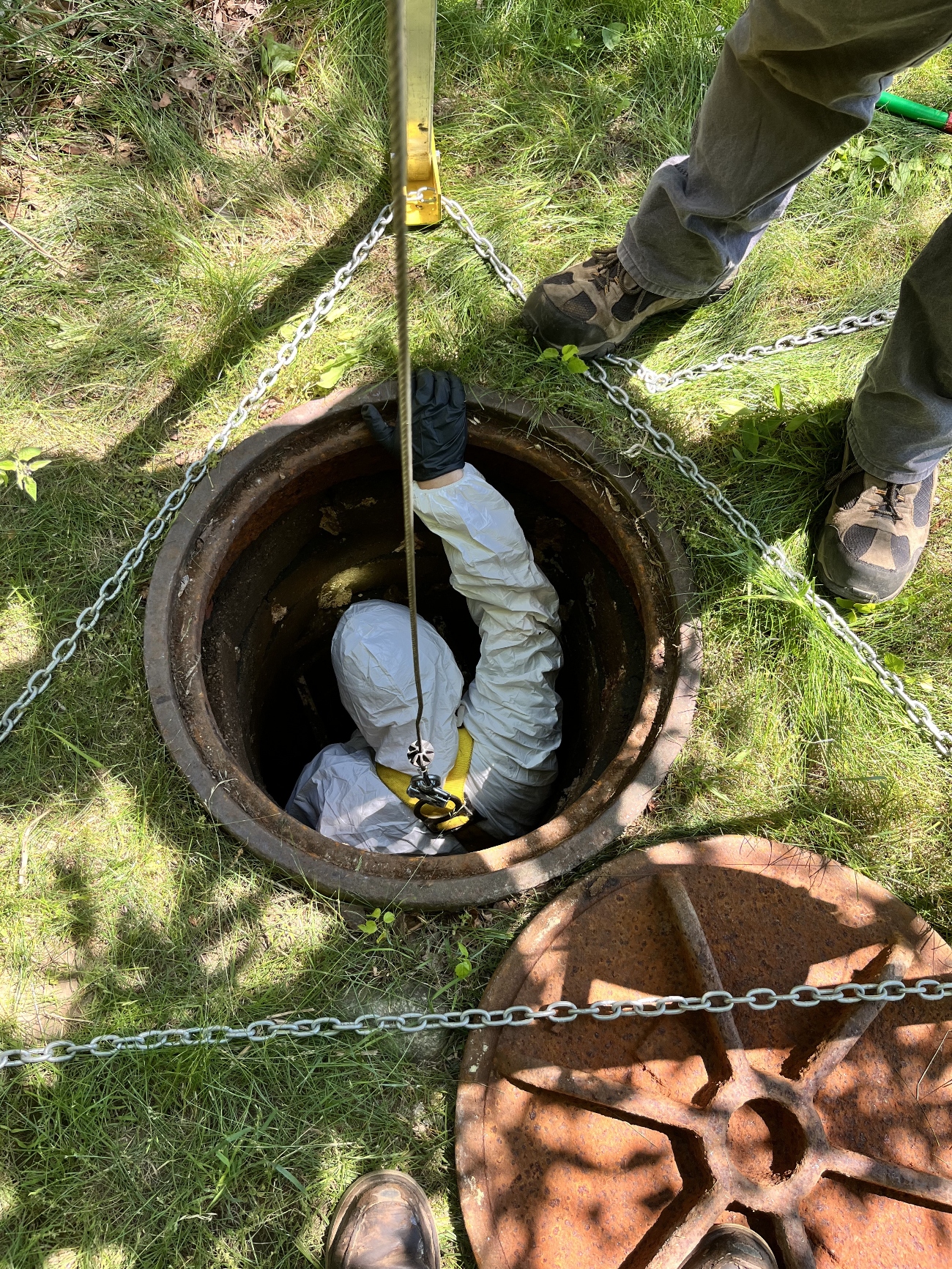


Professional sewer repair services can fix damaged pipes, clear blockages, and restore your plumbing system without always requiring major excavation of your yard.
Your home's sewer system works behind the scenes every day, carrying waste away from your property. When something goes wrong with your sewer line, it can quickly turn into a serious problem that affects your entire household. Understanding what residential sewer repair services involve can help you act fast when issues arise.
These services range from simple drain cleaning to complete pipe replacement, depending on what your home needs. Trained plumbers use specialized tools to find problems and choose the right fix for your situation.
This guide covers the warning signs of sewer damage, common causes of problems, different repair methods available, and how to keep your system running smoothly for years to come.
Here’s what you need to know:
- Residential sewer repair services to protect your home's plumbing
- What residential sewer repair services include
- Signs your home needs sewer repair
- Common causes of sewer damage in residential properties
- Residential sewer repair methods
- Sewer repair vs replacement
- What to expect during residential sewer repair
- Preventing future sewer problems
- Why choose Seacoast Sewer & Drain for residential sewer repair services
Keep reading! Knowing when your sewer needs attention and what repair options exist can save you time, money, and stress.
Residential sewer repair services to protect your home's plumbing
Your home's sewer system works constantly to move wastewater away from your property. When problems develop in your sewer lines, you need professional repair services to fix them quickly.
Residential sewer repair services handle a wide range of issues in your home's drainage system. These services fix damaged pipes, clear blockages, and replace broken sections of your sewer line.
Common sewer repair services include:
- Sewer line camera inspections to locate problems
- Drain and pipe cleaning to remove clogs
- Pipe repair for cracks and breaks
- Full sewer line replacement when needed
- Trenchless repair methods that don't require digging up your yard
Most homeowners insurance policies don't cover sewer line problems caused by normal wear and age. This means you're responsible for paying repair costs when something goes wrong with your sewer system.
Professional plumbers use special tools and equipment to diagnose and fix sewer issues. They can find hidden problems in underground pipes and determine the best repair method for your situation.
Signs you need sewer line repair:
- Slow drains throughout your home
- Bad smells coming from drains
- Water backing up in toilets or sinks
- Wet spots in your yard
- Gurgling sounds from pipes
Acting fast when you notice these warning signs helps prevent bigger problems. Small issues with your sewer line can turn into expensive emergencies if you wait too long to get them fixed.
Licensed plumbers have the training and experience to handle any sewer repair challenge your home faces.
What residential sewer repair services include
Professional sewer repair services address everything from diagnosing hidden pipe problems to coordinating full restoration after repairs. These services use specialized equipment and techniques to fix damaged lines, remove blockages, and get your plumbing system working properly again.
Diagnosing sewer line problems
Video camera inspection is the primary method technicians use to find problems in your sewer lines. A waterproof camera attached to a flexible cable feeds deep into your pipes to show exactly what's wrong and where.
This inspection reveals cracks, breaks, and collapsed sections in your pipes. It also shows blockages from grease buildup, foreign objects, or invading tree roots.
The camera footage helps technicians determine whether you need cleaning, spot repairs, or full pipe replacement. They can pinpoint the exact location of damage without digging up your entire yard.
Most inspections take 30 minutes to an hour depending on your system's length and complexity. You'll often receive a recording or images of what the camera found, along with a clear explanation of necessary repairs.
Repairing damaged or collapsed pipes
Trenchless repair methods allow technicians to fix pipes without extensive excavation. Pipe lining involves inserting a resin-coated tube into damaged sections, which hardens to create a new pipe inside the old one.
Traditional excavation becomes necessary when pipes have completely collapsed or when trenchless methods won't work. Technicians dig down to access the damaged section, then replace it with new pipe.
Spot repairs target specific problem areas rather than replacing your entire sewer line. This approach saves money when damage is limited to one or two sections.
The repair method your technician recommends depends on several factors:
- Pipe material (cast iron, PVC, clay, or concrete)
- Extent of damage (minor cracks versus total collapse)
- Pipe location (depth and accessibility)
- Age of your system (older pipes may need full replacement)
Clearing blockages and tree root intrusion
Mechanical cleaning uses rotating cables with cutting heads to break through clogs and slice away tree roots growing into your pipes. This is the standard approach for most blockages.
Hydro jetting blasts high-pressure water through your pipes to remove stubborn buildup, grease, and roots. The pressure ranges from 3,000 to 8,000 PSI and clears pipes more thoroughly than mechanical methods.
Tree roots enter through small cracks or joints seeking water and nutrients. Once inside, they grow quickly and create major blockages that can damage pipes.
After clearing roots, technicians may recommend pipe lining or joint sealing to prevent them from returning. Regular maintenance cleaning every 18 to 24 months helps keep aggressive root systems under control.
Coordinating inspection, repair, and restoration
Repair services handle permits and coordinate with local authorities when work affects public sewer connections. They know local codes and ensure all repairs meet requirements.
Your property needs restoration after excavation work. This includes refilling trenches, replacing soil, reseeding grass, and repairing driveways or walkways that were disturbed.
Many companies offer warranties on their sewer pipe repair work, typically covering materials and labor for one to ten years depending on the repair type. Trenchless repairs often come with longer warranties than traditional excavation.
Technicians explain each step of the process before starting work. You'll know what they found, which repairs they recommend, how long the work will take, and what it will cost before any digging begins.
Signs your home needs sewer repair
Sewer problems rarely appear without warning. Recognizing these signs early helps you avoid extensive damage and expensive emergency repairs.
Frequent sewer backups or slow drains
Multiple slow drains throughout your home often point to a main sewer line problem rather than isolated clogs. You might notice water backing up in your toilet when you run the washing machine or use the shower.
Sewer backups typically start in the lowest drains first, like basement floor drains or downstairs toilets. If plunging or basic drain cleaning provides only temporary relief, the issue likely exists deeper in your sewer line.
Tree roots are a common cause of recurring backups. They grow into small cracks in sewer pipes and expand, creating blockages that worsen over time. Older homes with clay or cast iron pipes face higher risks of root intrusion.
Grease buildup and aging pipe materials also cause persistent drainage problems. When these issues affect your main line, every drain in your house will eventually slow down or back up.
Sewage odors in or around the home
A properly functioning sewer system keeps all waste odors contained within sealed pipes. Any sewage smell inside your home or yard indicates a break or crack somewhere in the line.
You might detect these odors near drains, in your basement, or outside near where your sewer line runs. The smell often resembles rotten eggs or raw sewage and becomes stronger during heavy use of your plumbing.
Cracks in your sewer line allow gases to escape before reaching the vent stack on your roof. Even small breaks can produce noticeable odors, especially in enclosed spaces. Cold weather sometimes makes these smells more apparent as gases condense.
Don't ignore sewage odors or try to mask them with air fresheners. They signal actual damage that will worsen without repair. The same cracks releasing gases can also leak wastewater into your yard or foundation.
Wet spots, sinkholes, or soggy patches in the yard
Unexplained wet areas in your yard often mean sewage is leaking from underground pipes. These spots stay damp even during dry weather and may have an unusually green or lush appearance from the nutrients in wastewater.
Sinkholes or depressions form when leaking sewage erodes the soil around your pipes. Small indentations can quickly expand into larger hazards that damage landscaping or create safety risks.
Look for these warning signs along the path of your sewer line from your house to the street. Pooling water, muddy patches, or settling ground all indicate possible leaks. You might also notice a sewage smell near these wet areas.
Leaking sewer lines waste water and contaminate your property. The moisture can attract pests and create health hazards for your family and pets. Foundation damage becomes a risk if the leak occurs near your home's structure.
Multiple drains clogging at once
When several fixtures back up simultaneously, your main sewer line has a blockage rather than individual drain problems. This happens because all your home's drains connect to the same main line leading to the municipal sewer or septic system.
Common combinations include a backed-up toilet when you run the shower, gurgling sounds from multiple drains, or water rising in floor drains when you flush. These symptoms mean wastewater has nowhere to go and is being pushed back through various openings.
A single clogged drain affects only that fixture and nearby connections. Multiple drain issues across different areas of your home always point to the main line. The blockage prevents proper drainage for your entire plumbing system.
This situation requires professional attention quickly. Continued use of your plumbing with a main line blockage can cause sewage to back up into your home, creating unsanitary conditions and potential water damage.
Common causes of sewer damage in residential properties
Residential sewer systems face damage from several key factors. Pipes deteriorate over time, tree roots seek out water sources, soil movements stress underground lines, and installation mistakes create weak points that fail prematurely.
Aging or corroded sewer pipes
Older homes often have sewer pipes made from materials that break down over time. Cast iron pipes can rust through after 50 to 60 years of use. Clay pipes become brittle and crack as they age.
Corrosion happens when chemicals in wastewater eat away at pipe walls. The damage starts small but spreads until holes form in the pipe. These weak spots leak sewage into the surrounding soil.
You might notice slow drains or sewage odors when your pipes corrode. Collapsed sections can block the entire main sewer line and require immediate repair. The only fix for severely corroded pipes is replacement with modern materials like PVC or HDPE.
Many homes built before 1980 still have their original sewer lines. If your home is more than 40 years old, you should have a plumber inspect your sewer system with a camera to check for corrosion damage.
Tree roots penetrating sewer lines
Tree roots grow toward sources of water and nutrients. Your sewer line provides both, making it a target for invasive root growth. Small roots enter through tiny cracks or loose pipe joints.
Once inside, roots expand rapidly. They form dense masses that catch toilet paper and waste, creating stubborn blockages. The roots also put pressure on pipe walls from the inside, widening existing cracks.
Fast-growing trees like willows, poplars, and maples cause the most damage. However, any tree within 10 feet of your main sewer line poses a risk. Shrubs with aggressive root systems can also penetrate pipes.
Professional plumbers cut out roots with specialized blades during main sewer line repair. The process only provides temporary relief unless you also fix the entry points. Some homeowners choose to remove problem trees entirely to prevent future damage.
Chemical root treatments can slow growth but won't solve the underlying pipe damage.
Ground shifting or soil settling
The ground beneath your property moves constantly. Soil settles after construction work, shifts during freezing and thawing cycles, or washes away during heavy rain. These movements stress rigid sewer pipes.
Settling soil creates gaps under pipes, leaving sections unsupported. The weight of the pipe and flowing wastewater causes it to sag into a belly shape. Waste collects in these low spots instead of flowing freely.
Earthquakes and minor tremors shift ground suddenly. Even small movements can crack or disconnect pipe sections. Areas with clay soil face expansion and contraction as moisture levels change throughout the year.
Construction work near your property can disturb the soil around your sewer line. Heavy equipment compacts soil unevenly or causes vibrations that damage pipes. You might notice problems weeks or months after nearby digging occurs.
Fixing these issues often requires excavating the affected section and providing proper bedding material. In severe cases, you need a complete main sewer line repair with flexible pipe materials that handle movement better.
Improper installation or poor pipe materials
Some sewer problems start the day pipes go into the ground. Contractors who skip proper bedding, use incorrect slope angles, or join pipes poorly create systems destined to fail. Your sewer line needs at least a quarter-inch drop per foot to work correctly.
Cheap pipe materials save money during construction but cost more later. Thin-walled pipes crack under normal soil pressure. Low-quality joints separate when temperatures change. Some older installations used materials not rated for underground sewage use.
Misaligned connections create rough edges inside the pipe where waste catches and builds up. Missing gaskets let soil wash into the line. Improper backfilling crushes pipes that haven't fully set.
Building inspectors catch some installation mistakes, but many problems hide underground for years. You only discover them when blockages form or sewage backs up into your home. Camera inspections during main sewer line repair often reveal poor workmanship as the root cause of repeated problems.
Residential sewer repair methods
Homeowners have three main repair options when dealing with sewer line problems. The best choice depends on the extent of damage, location of the problem, and your property's layout.
Trenchless sewer repair for minimal disruption
Trenchless methods fix or replace damaged pipes without digging up your entire yard. Technicians only need to create one or two small access points to reach the sewer line.
Pipe lining involves inserting a flexible tube coated with resin into the existing pipe. The tube inflates and hardens against the pipe walls, creating a new pipe within the old one. This works well for pipes with cracks, corrosion, or small leaks.
Pipe bursting breaks apart the old pipe while simultaneously pulling new pipe into place. A bursting head moves through the damaged line, fracturing it outward as new pipe follows behind.
These methods preserve your landscaping, driveway, and hardscaping. Repairs typically take one to two days instead of a week or more. You avoid the costs of restoring torn-up yards, patios, or walkways.
Spot repairs for small damaged sections
Spot repairs target specific problem areas in your sewer line rather than replacing the entire system. Plumbers access the damaged section through a small excavation point or entry hole.
This method works best when damage is limited to one area. Common applications include fixing a single cracked pipe joint, removing a localized root intrusion, or replacing a short collapsed section.
The process involves exposing only the affected area, cutting out the damaged portion, and installing new pipe sections. Workers then reconnect the pipes and backfill the excavation.
Spot repairs cost less than full line replacement because they require less labor and materials. Your plumber can often complete the work in a single day.
Traditional excavation and full pipe replacement
Traditional excavation involves digging a trench along the entire length of your sewer line to remove and replace damaged pipes. Workers expose the full pipe run from your house to the connection point.
This method provides complete access to inspect every section of pipe. Plumbers can identify multiple problem areas and replace the entire line with new materials designed to last decades.
You'll need this approach when pipes are severely deteriorated, crushed, or misaligned throughout their length. It's also necessary when the pipe material is outdated or no longer meets current building codes.
Excavation causes significant disruption to your property. Crews must dig through lawns, gardens, driveways, or other surfaces. After completing the repair, workers restore the landscaping and hardscaping, which adds time and cost to the project.
When each method is appropriate
Choose trenchless repair when your pipes have widespread minor to moderate damage but maintain their basic structure. This includes cracks, corrosion, small leaks, or tree root infiltration. Your existing pipes must be relatively straight without major collapses or misalignment.
Select spot repairs for isolated problems in otherwise healthy sewer lines. A single broken joint, one small collapsed area, or localized root damage doesn't justify replacing your entire system.
Opt for traditional excavation when pipes are completely collapsed, severely misaligned, or deteriorated beyond repair. You'll also need this method when building codes require specific materials or configurations that trenchless methods can't provide. Properties with extremely deep sewer lines or complex layouts may have no alternative to excavation.
Your plumber should inspect your sewer line with a camera before recommending a method. The video reveals the exact location, type, and severity of damage affecting your system.
Sewer repair vs replacement
Choosing between repair and replacement depends on the extent of damage, the age of your pipes, and how long you plan to stay in your home. Minor issues often need only targeted fixes, while extensive deterioration requires full line replacement to avoid recurring problems.
Determining when repair is sufficient
Repair works best when damage affects only a small section of your sewer line. If you have a single crack, minor leak, or localized blockage from tree roots, a plumber can fix that specific area without replacing the entire system.
Camera inspections help identify the exact location and severity of problems. Your plumber feeds a waterproof camera through the line to see what's happening inside. If the damage covers less than 30% of your pipe and the rest shows no signs of wear, repair makes financial sense.
Common issues suited for repair:
- Small cracks or holes in one section
- Tree root intrusion in a limited area
- Minor bellying or sagging in one spot
- Partial blockages that cleaning can resolve
Pipes made from modern materials like PVC or ABS handle repairs well. Older materials like clay or cast iron may not hold patches as effectively, especially if the surrounding sections show signs of aging or corrosion.
Benefits of replacing severely damaged lines
Replacement becomes necessary when your sewer line has widespread damage, multiple failure points, or consists of outdated materials. Pipes showing cracks throughout, significant root infiltration in several areas, or structural collapse cannot function reliably even after repairs.
Old cast iron, clay, and lead pipes eventually reach the end of their useful life. These materials corrode, crack, and break down over time. Replacing them with modern PVC or HDPE eliminates ongoing maintenance costs and provides 50 to 100 years of reliable service.
A new sewer line prevents repeated repairs that add up over time. If you've already spent money fixing your line multiple times, replacement stops the cycle. You also avoid emergency backups and water damage to your home.
Cost and longevity considerations
Repairs typically cost $1,000 to $4,000 for fixing damaged sections. Full replacement ranges from $3,000 to $25,000 depending on your line's length, depth, and whether excavation is needed. Trenchless methods cost more upfront but avoid landscape restoration expenses.
Cost comparison factors:
- Repair: Lower immediate cost but may need repeated fixes
- Replacement: Higher upfront investment with decades of worry-free operation
- Trenchless replacement: Mid-to-high cost with minimal property disruption
Calculate the total cost of repairs over the next 5 to 10 years. If that number approaches 50% of replacement cost, new pipes make better financial sense. You also gain warranty coverage, typically 25 to 50 years on new installations.
Your pipe's age matters significantly. Lines over 40 years old with deteriorating materials will likely need replacement soon regardless of current repair costs. Budget for replacement if your inspection reveals extensive wear, even if the line still functions.
What to expect during residential sewer repair
Professional sewer repair follows a structured process that includes camera inspection, detailed cost estimates, careful work to protect your property, and thorough testing before completion.
Inspection and diagnosis using sewer cameras
Your plumber will insert a specialized waterproof camera into your sewer line to identify the exact location and nature of the problem. This camera travels through the entire pipe system and sends live video footage to a monitor above ground. The technician can spot cracks, blockages, tree root intrusions, or collapsed sections without any guessing.
The camera inspection typically takes 30 to 60 minutes depending on your sewer line length. You'll often get to see the footage yourself so you understand exactly what needs repair. The plumber will note the depth and distance of damaged areas from access points.
This diagnostic step prevents unnecessary digging and helps determine whether you need a simple repair or full replacement. The camera also reveals if multiple problem areas exist along your sewer line.
Clear repair plan and pricing
After the inspection, your plumber will explain which repair method works best for your situation. You'll receive a detailed estimate that breaks down labor costs, materials, equipment rental, and any required permits. Most companies provide written quotes that specify the work scope and timeline.
The estimate should indicate whether excavation is necessary or if trenchless repair methods can fix your problem. Trenchless options often cost more upfront but save money on yard restoration. Traditional excavation typically costs several thousand dollars, while extensive replacements can reach tens of thousands depending on pipe length and damage severity.
Your plumber should answer questions about payment options and whether emergency sewer repair situations qualify for flexible financing. Make sure you understand what's included in the price and what might trigger additional charges.
Minimizing disruption to your home and yard
Repair crews will mark utility lines before digging to prevent accidents. If excavation is required, workers dig strategic trenches only where necessary to access damaged pipe sections. They'll remove sections of your lawn, landscaping, or pavement carefully and set materials aside for replacement.
You may need to avoid using water fixtures during active repair work to prevent sewage backup. Most repairs take one to three days depending on complexity. Crews use tarps and barriers to contain dirt and protect surrounding areas.
For outdoor work, expect some noise from excavation equipment during business hours. Your plumber will communicate daily progress and any unexpected findings that might affect the timeline or cost.
Final testing and quality verification
Once repairs are complete, technicians run another camera inspection through your sewer line to confirm proper installation. They check all connections for leaks and verify that water flows correctly through the repaired sections. This post-repair inspection ensures no issues were missed.
The crew will conduct a water flow test by running multiple fixtures simultaneously to confirm your system handles normal usage. They'll also pressure test the line to meet local building codes. Your municipality may require a final inspection before approving the work.
After passing all tests, workers backfill trenches, compact soil properly, and restore your yard or pavement to its original condition. You'll receive documentation of the completed work and any warranties covering the repairs.
Preventing future sewer problems
Taking steps to protect your sewer system saves money and prevents emergency repairs. Regular care and smart habits keep pipes flowing smoothly for years.
Routine sewer inspections
Professional sewer inspections should happen every 1-3 years, depending on your home's age and pipe condition. These inspections use video camera technology that travels through your pipes to identify cracks, blockages, tree root intrusion, and corrosion before they become serious problems.
Older homes with clay or cast iron pipes need more frequent inspections. If your house is over 40 years old, annual inspections help catch deterioration early. Newer PVC pipes typically need less frequent monitoring.
Video inspections cost between $300-500 but can save thousands in emergency repairs. The camera provides a clear view of your pipe's interior without digging up your yard. This technology spots small issues like minor cracks or developing tree root problems that are easy to fix now but expensive to repair later.
Avoiding flushing harmful debris
Only human waste and toilet paper should go down your drains. Items like wipes (even those labeled "flushable"), paper towels, dental floss, and feminine hygiene products don't break down and cause clogs.
Kitchen sinks need special attention. Grease, oil, and fat solidify in pipes and trap other debris. Pour cooking oils into a container and throw them in the trash instead. Coffee grounds, eggshells, and fibrous vegetables also contribute to blockages.
Items that damage sewer lines:
- Baby wipes and cleaning wipes
- Cotton swabs and cotton balls
- Medication and chemicals
- Cat litter
- Food waste and grease
- Hair
Bathroom drains collect hair and soap scum over time. Install drain screens to catch hair before it enters your pipes.
Root barriers and preventative maintenance
Tree roots naturally grow toward water sources, making sewer lines a target. Roots can crack pipes and create blockages that require expensive repairs. If you have large trees within 10-20 feet of your sewer line, root intrusion is a real risk.
Physical root barriers installed between trees and sewer lines block root growth. These barriers are typically made of metal or thick plastic and extend several feet underground. Installing barriers during landscaping or new construction is easier than adding them later.
Chemical root treatments containing copper sulfate or foaming root killers can slow root growth in existing pipes. These treatments need reapplication every 6-12 months. However, they work best as prevention rather than solutions for established root problems.
Plant new trees away from sewer lines. Slow-growing trees with less aggressive root systems pose lower risks than willows, poplars, and other water-seeking species.
Early detection of leaks or blockages
Catching sewer problems early prevents major damage and costly repairs. Several warning signs indicate developing issues that need attention.
Slow drains throughout your house suggest a main sewer line problem rather than an isolated clog. If multiple fixtures drain slowly at once, your sewer line likely has a blockage forming. Gurgling sounds from toilets or drains when you use other fixtures also point to sewer line issues.
Warning signs to watch for:
- Sewage odors inside or outside your home
- Water backing up in tubs or showers when you flush
- Wet spots or unusually green patches in your yard
- Cracks in your foundation
- Increased pest activity near sewer access points
Check your water bill for unexpected increases. A spike without increased usage often means a hidden leak. You can also check your water meter before bed and again in the morning without using any water. If the reading changes, you have a leak somewhere.
Address warning signs within days, not weeks. Small problems become expensive emergencies quickly when sewage is involved.
Why choose Seacoast Sewer & Drain for residential sewer repair services
Seacoast Sewer & Drain brings over 20 years of experience to residential sewer repairs in Southern Maine and Seacoast New Hampshire. Their locally owned business offers 24/7 emergency service with competitive rates and fully insured technicians.
Licensed and experienced sewer specialists
Seacoast Sewer & Drain has been serving the local community since 2012 with trained professionals who understand regional sewer systems. The company's technicians have two decades of experience handling residential sewer problems of all types.
Being native to the seacoast area gives their team knowledge of local pipe materials, soil conditions, and common sewer issues specific to your region. They work on both small repairs and major sewer line replacements with the same level of care.
Their fully insured status protects your property during repair work. You get dependable service from professionals who know how to diagnose problems accurately and fix them right the first time.
Advanced inspection and repair equipment
The company uses high-pressure water jetting equipment to clear stubborn clogs and clean sewer lines effectively. This method removes buildup without damaging your pipes.
Video camera inspection technology lets technicians see exactly what's wrong inside your sewer lines. They can identify cracks, blockages, tree root intrusion, and other damage without guessing. This approach saves you time and money by targeting the exact problem area.
Their pipe locating equipment finds your sewer lines quickly, even when buried underground. Power snaking tools handle basic clogs, while hydro jetting tackles more serious blockages and cleaning needs.
Transparent recommendations and pricing
You receive honest assessments of your sewer problems before any work begins. The technicians explain what they find during inspections and give you clear options for repair.
Competitive rates mean you get fair pricing for the services you need. The company provides quotes upfront so you know what to expect before authorizing work.
They don't push unnecessary services or try to sell you repairs you don't need. Their recommendations focus on solving your specific sewer issue with the most practical solution.
Proven results for residential sewer systems
Seacoast Sewer & Drain handles the full range of residential sewer services, from simple drain cleaning to main sewer line excavation and replacement. They fix problems with toilets, sinks, tubs, floor drains, and main sewer lines.
Their preventative maintenance services help you avoid emergency repairs. Regular cleaning and inspection catch small problems before they turn into expensive failures.
The company serves both residential and commercial properties throughout York County and the surrounding areas. Their local ownership means they're invested in maintaining their reputation within the community they serve.
Conclusion
Your home's sewer system needs regular attention and prompt repairs when problems arise. Taking action at the first sign of trouble can save you thousands of dollars in future repairs.
Professional sewer repair services offer multiple solutions to fit your specific situation. Traditional excavation works well for severe damage, while trenchless methods provide less invasive options for minor to moderate issues. The right choice depends on your pipe's condition, location, and your budget.
Don't wait until a small issue becomes a major emergency. Schedule an inspection if you notice slow drains, bad odors, or wet spots in your yard. Early detection makes repairs simpler and more affordable.
Regular maintenance extends your sewer line's lifespan. Professional cleaning every few years removes buildup before it causes blockages. This preventive approach keeps your system running smoothly.
You now have the knowledge to make informed decisions about your residential sewer system. Remember that licensed professionals have the tools and expertise to handle these complex repairs safely. Your home deserves reliable plumbing that works when you need it.
Schedule a sewer line camera inspection with Seacoast Sewer & Drain to confirm the cause of the issue and get a clear, code-compliant repair plan and upfront estimate for your home.
Recent Blog Post
Customer Reviews