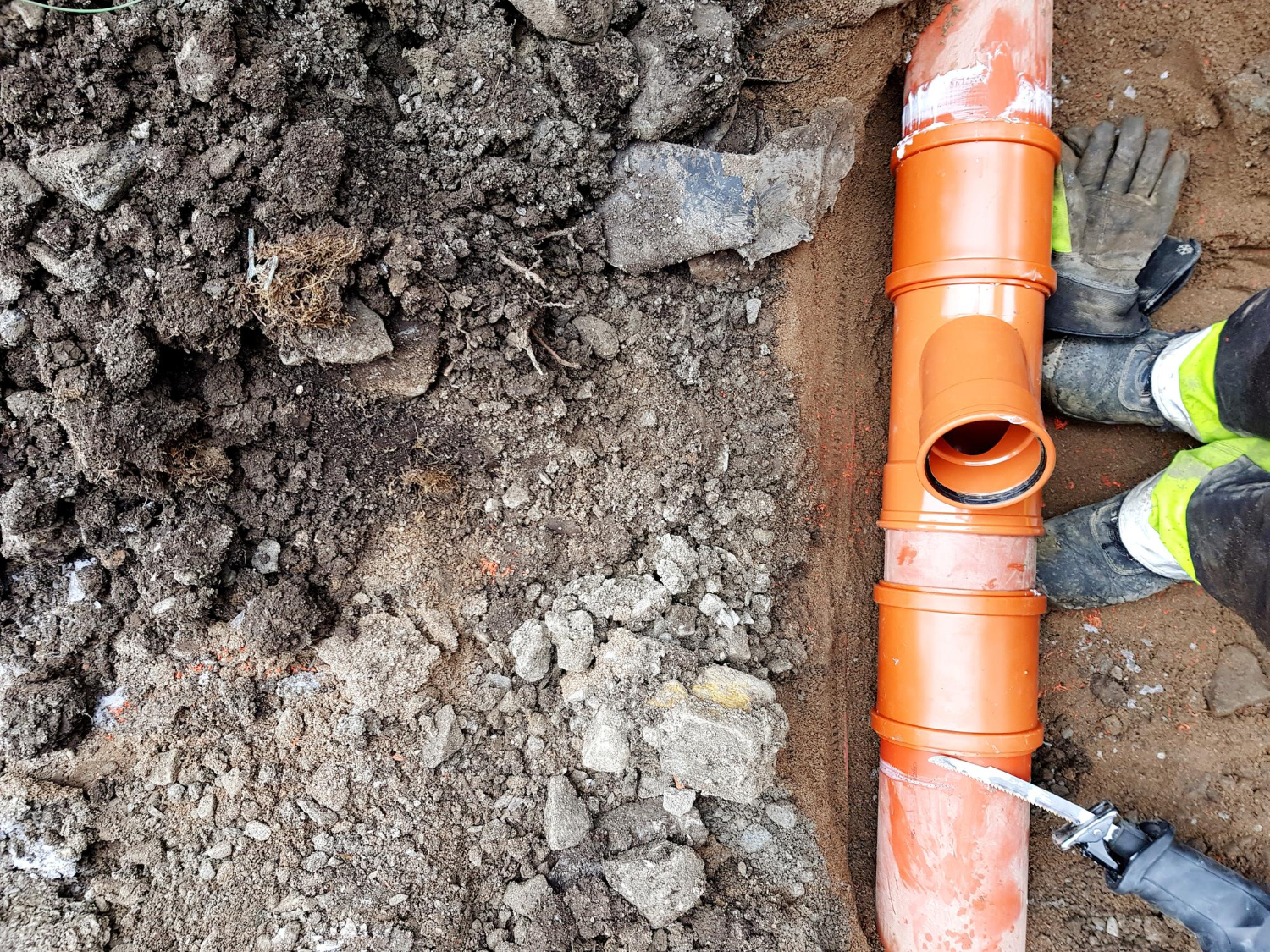


A sewer backup problem in Seacoast NH is one of the most stressful problems a property owner can face in the Seacoast NH area. When wastewater starts flowing back into your home or business instead of away from it, you need to act fast to protect your property and health.
Sewer backups happen when something blocks the main sewer line or when the system becomes overwhelmed, causing dirty water and waste to push back through drains and toilets.
Understanding the warning signs and causes of sewer backups helps property owners respond quickly and avoid major damage. Many issues start small with slow drains or odd smells before turning into full emergencies. Knowing when to call for help and what steps to take can save thousands of dollars in repairs and cleanup costs.
This guide covers everything Seacoast NH residents need to know about sewer backup problems. It explains how to spot issues early, what causes backups in the first place, and how professionals diagnose and fix these problems.
Here’s what you need to know:
- What is a sewer backup problem?
- Signs you have a sewer backup problem
- Common causes of sewer backup problems
- How sewer backup problems are diagnosed and repaired
- Benefits of hiring a professional for sewer backup problems
- DIY vs professional sewer backup repair
- How to prevent future sewer backup problems
- Why choose Seacoast Sewer and Drain for sewer backup problems
The article also looks at prevention methods and helps readers decide when to call an expert versus attempting repairs themselves.
What is a sewer backup problem?
A sewer backup problem occurs when wastewater cannot flow properly through pipes and instead reverses direction, pushing sewage into a building. This creates unsanitary conditions and can cause significant property damage in homes and businesses throughout the Seacoast NH area.
Types of sewer backups
Sewer backups fall into two main categories based on where the blockage occurs. A lateral line backup affects the pipes between a building and the main sewer line. These pipes are typically the property owner's responsibility to maintain and repair.
A main line backup is more severe and involves blockages in the primary sewer line that connects to the municipal system. When the main line backs up, multiple drains throughout a building will overflow at once. Sewage often emerges from floor drains and the lowest points in the structure first.
Municipal sewer system failures can also cause backups. When the city's sewer lines become overwhelmed or damaged, wastewater can flow backward into private properties even when the building's own pipes are functioning correctly.
Residential and commercial implications
A residential sewer backup creates immediate health hazards for families. Raw sewage contains harmful bacteria and pathogens that pose serious risks to anyone exposed. The contaminated water damages flooring, walls, furniture, and personal belongings.
Commercial sewer problems force businesses to halt operations until the issue is resolved. Restaurants, retail stores, and office buildings cannot serve customers or maintain safe working conditions during a backup. Many businesses lose revenue for each day they remain closed.
Property owners face expensive cleanup and repair costs. Standard homeowners insurance policies often exclude coverage for sewer line backup damage. Business owners may need specialized insurance riders to protect against commercial sewer problems and the resulting financial losses.
Importance of prompt professional intervention
Delaying professional help allows sewage to spread further through a building. Contaminated water seeps into porous materials like drywall and subflooring within hours. The longer waste sits, the more difficult and costly the restoration becomes.
Licensed plumbers have specialized equipment to diagnose sewer line backup causes quickly. High-pressure jetting clears blockages, while video inspection cameras identify damage inside pipes. These tools locate problems that aren't visible from the surface.
Professional restoration teams remove contaminated materials safely and sanitize affected areas. They use antimicrobial treatments to eliminate dangerous pathogens. Quick intervention prevents mold growth, which can begin within 24 to 48 hours of water exposure.
Signs you have a sewer backup problem
A sewer backup doesn't always announce itself with an obvious flood. Common warning signs include drains that empty slowly or not at all, strong sewage smells both inside and outside the home, unusual gurgling noises from pipes, and mysterious wet patches appearing in unexpected places.
Slow or overflowing drains
Drains that empty slowly often signal a developing sewer backup problem. When multiple drains throughout the home show sluggish performance at the same time, the issue likely exists in the main sewer line rather than individual fixtures.
Homeowners might notice water backing up in sinks, tubs, or showers when they flush the toilet. This happens because the blockage prevents wastewater from flowing away properly. The water has nowhere to go except back up through the lowest drain in the system.
A particularly telling sign occurs when using one fixture causes problems in another. For example, flushing the toilet might make the shower drain bubble or overflow. Running the washing machine could cause water to back up into floor drains or toilets.
These symptoms indicate a serious obstruction in the main sewer line. The problem will worsen over time if left unaddressed, eventually leading to complete blockage and sewage overflow.
Foul odors in the home or yard
Strong sewage odors indicate wastewater isn't flowing properly through the system. A rotten egg smell comes from hydrogen sulfide gas, which forms when sewage sits in blocked pipes. Ammonia odors point to more severe blockages.
These smells often appear near drains, toilets, or floor openings first. Homeowners might also notice foul odors in their basement or crawl space. Outside the home, sewage smells near the septic tank or sewer cleanout pipe suggest backup problems.
The odor doesn't always stay confined to one area. As the backup worsens, the smell can spread throughout the home. Fresh sewage produces particularly strong and unpleasant odors that are hard to ignore.
Any persistent sewage smell requires immediate attention. The presence of these gases indicates wastewater is accumulating somewhere in the plumbing system.
Gurgling sounds in pipes
Unusual gurgling or bubbling noises from drains signal air trapped in the plumbing system. These sounds occur when a blockage prevents proper water flow and disrupts the normal air pressure balance in the pipes.
The gurgling often happens after flushing a toilet or running water down a drain. Homeowners might hear these noises coming from toilets, sinks, or bathtub drains. The sounds indicate air is being pushed through the system as water tries to flow past an obstruction.
Sometimes the gurgling occurs in one fixture when using another fixture elsewhere in the home. This pattern strongly suggests a blockage in the main sewer line affects multiple drains.
These noises serve as an early warning sign before more serious backup symptoms appear. Ignoring gurgling sounds allows the blockage to worsen and potentially cause sewage overflow.
Unexplained wet spots or basement flooding
Mysterious wet areas on floors, walls, or in the yard often indicate sewage seeping from damaged or blocked pipes. Basements are particularly vulnerable because they sit at the lowest point of the home's plumbing system.
Water or sewage backing up through basement floor drains signals a serious main line blockage. The basement acts as the first overflow point when the sewer system can't handle the wastewater volume. Standing water in the basement may contain raw sewage and poses health risks.
Outside the home, soggy patches of grass or pooling water near the sewer line path suggest leaking or backed-up pipes. These wet spots might appear even during dry weather when no rain has fallen.
Homeowners should check the cleanout pipe when other backup signs are present. Standing water visible in the cleanout pipe confirms a sewage backup problem exists in the main line.
Common causes of sewer backup problems
Sewer backups in Seacoast NH homes typically result from four main issues: tree roots breaking into pipes, damaged or corroded sewer lines, blockages from grease and foreign objects, and heavy rainfall overwhelming the drainage system.
Tree root intrusion
Tree roots naturally grow toward water sources, making sewer lines an attractive target. Small cracks or loose joints in pipes allow roots to enter the system. Once inside, these roots continue growing and expanding.
The roots form dense masses that trap toilet paper, waste, and other materials. This creates blockages that prevent water from flowing properly through the pipes. Older clay or concrete pipes face the highest risk because they develop more cracks over time.
Common signs of root intrusion include:
- Slow draining toilets and sinks
- Gurgling sounds from drains
- Recurring clogs in the same location
- Sewage odors in the yard
Properties with large trees near sewer lines need regular inspections. Willows, maples, and oak trees have aggressive root systems that can damage pipes located 50 feet away or more.
Pipe damage or corrosion
Sewer pipes deteriorate over time due to age and material breakdown. Cast iron pipes typically last 50 to 75 years before corrosion weakens them. Clay pipes can crack or collapse after decades of ground shifting and pressure.
Corrosion creates rough interior surfaces that catch debris and slow water flow. The pipes may develop holes, cracks, or complete breaks. Ground movement from freezing temperatures, settling soil, or nearby construction can shift pipes out of alignment.
Older homes in Seacoast NH often have outdated piping materials that require replacement. PVC and modern materials resist corrosion better than older options. Professional camera inspections reveal the extent of damage inside pipes without excavation.
Grease, debris, and foreign objects
Pouring cooking grease down drains creates serious blockages. The grease cools and hardens on pipe walls, narrowing the passage for wastewater. Over time, layers of grease build up and trap other materials.
According to Clemson University Cooperative Extension, fats, oils, and grease (FOG) solidify on pipe walls and accumulate into blockages that lead to sewer backups and overflows.
Items that should never enter sewer systems include:
- Paper towels and wipes (even "flushable" varieties)
- Feminine hygiene products
- Cotton swabs and dental floss
- Food scraps and coffee grounds
- Medications and chemicals
These objects do not break down like toilet paper. They create obstructions that catch additional waste and form complete blockages. Hair combines with soap residue to form dense clogs in bathroom drains.
Regular drain maintenance prevents buildup. Hot water alone does not dissolve grease effectively once it enters cold pipes.
Heavy rainfall and drainage system overload
Severe storms can overwhelm municipal sewer systems in Seacoast NH. When treatment plants receive more water than they can handle, sewage backs up into connected homes. Combined sewer systems that handle both stormwater and sewage face particular risk during heavy rainfall.
Per the U.S. Environmental Protection Agency (EPA), sanitary sewer overflows—often driven by blockages, pipe failures, or inflow/infiltration during wet weather—can back up into homes, causing property damage and public-health risks.
Saturated ground prevents proper drainage around homes. Water enters sewer lines through cracks, damaged pipes, or faulty seals. The added volume pushes sewage backward through the lowest drains in a building.
Properties in low-lying areas or near bodies of water experience more frequent backup issues during storms. Installing a backwater valve prevents sewage from flowing backward into homes. Sump pumps help remove excess groundwater before it enters the sewer system.
How sewer backup problems are diagnosed and repaired
Professional plumbers use specialized tools and methods to find the exact cause of sewer backups and fix them properly. The repair approach depends on what's blocking or damaging the sewer line.
Inspection using sewer cameras
Plumbers insert small waterproof cameras into sewer lines to see what's happening inside the pipes. These cameras send live video feed to a monitor above ground, showing the exact location and nature of the problem. The plumber can see tree roots, collapsed pipes, grease buildup, or foreign objects stuck in the line.
The camera inspection removes the guesswork from diagnosing sewer problems. Instead of digging up the yard to find the issue, plumbers know exactly where to focus their repair efforts. This saves time and reduces unnecessary damage to property.
Most camera systems include distance markers that tell the plumber how far into the pipe the problem sits. This measurement helps them determine whether the blockage is on the homeowner's property or in the municipal line.
Snaking and hydro-jetting for clogs
Cable snaking works well for simple blockages like paper buildup or minor root intrusions. A plumber feeds a flexible metal cable with a cutting head into the drain line. The cable spins and breaks through the clog to restore water flow.
Hydro-jetting uses high-pressure water streams to clean pipes thoroughly. The equipment shoots water at 3,000 to 4,000 pounds per square inch through the sewer line. This pressure removes grease, mineral deposits, and small tree roots that cling to pipe walls.
Hydro-jetting costs more than snaking but provides better results for clogged sewer repair. The process cleans the entire pipe diameter rather than just punching a hole through the blockage. Most plumbers recommend hydro-jetting for homes with recurring backup problems.
Trenchless pipe repair vs traditional excavation
Trenchless methods fix damaged pipes without digging up the entire sewer line. Plumbers can use pipe lining, which involves inserting a resin-coated sleeve into the damaged pipe and inflating it to create a new pipe inside the old one. Pipe bursting breaks apart the old pipe while pulling a new one through the same path.
Traditional excavation requires digging a trench to access and replace damaged pipes. This method costs less upfront but causes more property disruption. Lawns, driveways, and landscaping need restoration after the work is complete.
The choice between methods depends on pipe condition, property layout, and budget. Pipes with severe damage or complete collapse often need excavation. Pipes with cracks, minor breaks, or root damage qualify for trenchless repair.
Post-repair testing and monitoring
Plumbers run water through the system after repairs to confirm proper flow. They may perform another camera inspection to verify the repair quality and ensure no debris remains in the line. Pressure testing checks for leaks in newly installed or lined pipes.
Some plumbers recommend follow-up inspections after six months to one year. These checkups catch potential problems before they cause another backup. Property owners should watch for slow drains or gurgling sounds that might signal developing issues.
Benefits of hiring a professional for sewer backup problems
Professional sewer backup services provide specialized expertise that protects homes from extensive water damage and health hazards. Trained technicians use advanced equipment to diagnose problems accurately and complete repairs that meet local building standards.
Rapid response minimizes flooding and property damage
Speed matters when dealing with sewer backups. Every minute wastewater sits in a home increases the risk of structural damage to floors, walls, and foundations. Professional emergency sewer repair Seacoast services can arrive quickly with the right equipment already loaded.
These teams bring industrial pumps and extraction tools that remove standing water much faster than household equipment. They also have moisture detection devices that find hidden water damage behind walls and under floors.
Quick professional response prevents mold growth, which can start within 24 to 48 hours of water exposure. Technicians set up commercial-grade dehumidifiers and air movers to dry affected areas completely. This protects belongings and reduces the total cost of repairs.
Accurate diagnosis prevents recurring issues
Professionals identify the actual source of sewer backups rather than just treating symptoms. They use video camera inspections to see inside pipes and locate blockages, cracks, or tree root intrusions.
Common causes include:
- Tree root invasion through small cracks in sewer lines
- Collapsed or damaged pipes from age or ground shifting
- Buildup of grease, hair, and debris creating blockages
- Connection problems between home lines and municipal systems
A proper diagnosis prevents homeowners from wasting money on temporary fixes. If tree roots caused the backup, simply clearing the blockage will not stop roots from growing back. Technicians recommend lasting solutions like pipe lining or replacement when needed.
Ensures plumbing code compliance
Sewer repairs must meet specific building codes and regulations in New Hampshire. Professional plumbers know current code requirements for pipe materials, installation methods, and permits.
Attempting DIY repairs or hiring unlicensed workers can create code violations. These violations can cause problems when selling a home or filing insurance claims. Licensed professionals pull necessary permits and schedule required inspections.
They also understand local regulations about connecting to municipal sewer systems. Improper connections can result in fines or required re-work at the homeowner's expense.
Protects long-term integrity of sewer lines
Professional repairs extend the lifespan of sewer systems through quality workmanship and proper materials. Technicians select pipes and fittings rated for underground use and local soil conditions.
They test repairs thoroughly before backfilling trenches or closing walls. Pressure tests confirm pipes can handle normal water flow without leaking. Camera inspections verify proper slope and alignment for drainage.
Many professional services offer warranties on parts and labor. This protection covers homeowners if problems develop shortly after repairs. Regular maintenance plans also catch small issues before they become major backups.
Professionals document all work completed, creating records that prove proper maintenance. These records help with insurance claims and add value when selling a property.
DIY vs professional sewer backup repair
Homeowners dealing with sewer backups must decide whether to handle repairs themselves or hire trained professionals. The choice depends on the severity of the problem, safety concerns, and the likelihood of a lasting solution.
Risks of attempting fixes without training
Sewer systems are complex and require specific knowledge to diagnose problems correctly. A homeowner might think they have a simple clog when the real issue involves damaged pipes or problems with the main sewer line. Misdiagnosing the problem leads to wasted time and money on solutions that don't work.
Working with sewage also exposes people to dangerous bacteria and viruses. Raw sewage contains harmful pathogens like E. coli, hepatitis A, and other disease-causing organisms. Without proper protective equipment and safety protocols, DIY attempts put household members at risk of serious illness.
According to the Centers for Disease Control and Prevention (CDC), people who handle sewage face higher risks of gastrointestinal, skin, and respiratory illness, and should minimize contact using proper PPE and hygiene practices.
Many sewer backup repairs require specialized equipment that most homeowners don't own. Professional plumbers use cameras to inspect pipes, hydro-jetters to clear stubborn blockages, and trenchless repair technology for pipe replacement. Renting this equipment is expensive and using it incorrectly can cause more damage than it fixes.
Potential for personal injury or pipe damage
Sewer repair work involves physical hazards that trained professionals know how to avoid. Homeowners working in cramped spaces under sinks or crawling through basements risk back injuries, cuts, and falls. Exposure to sewage gases like methane and hydrogen sulfide can cause dizziness, nausea, or even unconsciousness in poorly ventilated areas.
DIY repairs often make existing problems worse. Using chemical drain cleaners on a major backup can corrode old pipes and create leaks. Inexperienced individuals might crack pipes while trying to remove clogs or damage pipe joints during attempted repairs.
Older homes in Seacoast NH often have aging sewer lines made from clay, cast iron, or Orangeburg pipe. These materials are fragile and require careful handling. One wrong move with a plumbing snake or auger can puncture the pipe wall, turning a manageable backup into an emergency replacement job.
Ensuring effective, long-lasting repairs
Professional plumbers identify the root cause of backups rather than just treating symptoms. They use camera inspections to see exactly what's happening inside the pipes. This technology reveals tree root intrusion, pipe collapses, or bellied sections that would be impossible to detect otherwise.
Licensed professionals offer warranties on their work. If a repaired section fails within the warranty period, they return to fix it at no additional cost. DIY repairs come with no such guarantee, and homeowners bear full responsibility if the problem returns.
Professionals also understand local building codes and permit requirements. Some sewer repairs in New Hampshire require permits and inspections to ensure the work meets safety standards. Unpermitted DIY work can create problems when selling a home or filing insurance claims for water damage.
How to prevent future sewer backup problems
Taking proactive steps protects homes from costly damage and health hazards. Simple maintenance habits and professional services keep sewer lines functioning properly for years.
Regular sewer inspections
Professional plumbers should inspect sewer lines every 18 to 24 months to catch problems early. These inspections use special cameras that travel through pipes to spot cracks, tree root intrusion, and blockages before they cause backups.
Older homes in Seacoast NH with clay or cast iron pipes need more frequent inspections. These materials break down over time and create weak spots where roots can enter. Tree roots naturally grow toward water sources and can penetrate small cracks in pipes.
A video inspection costs between $300 and $500 but can save thousands in emergency repairs. The camera shows exactly where problems exist and helps plumbers plan the right fix. Homeowners should keep inspection reports to track changes in their sewer system over time.
Avoid flushing grease, debris, and foreign objects
Cooking grease solidifies inside pipes and traps other materials to form hard blockages. Homeowners should pour cooled grease into containers and throw them in regular trash instead. Even small amounts of grease add up over months and years.
The only things that belong in toilets are human waste and toilet paper. Items like wet wipes, cotton swabs, dental floss, and feminine hygiene products don't break down in water. These materials clump together and create clogs in main sewer lines.
Kitchen sinks need strainers to catch food scraps before they enter drains. Coffee grounds, eggshells, and pasta are common culprits that cause problems. Bathroom drains should have hair catchers to prevent buildup in pipes.
Routine professional drain cleaning
Professional drain cleaning every 12 to 18 months removes buildup before it causes backups. Plumbers use specialized equipment like hydro-jetting machines that blast water at high pressure through pipes. This process clears away grease, soap residue, and mineral deposits.
Chemical drain cleaners from stores can damage pipes and create more problems. These harsh products eat away at pipe materials and rarely solve the underlying issue. Professional cleaning is safer and more effective for long-term maintenance.
Homes with large families or older plumbing systems may need more frequent cleaning. Properties with many trees nearby also benefit from annual service to remove root intrusion.
Monitor for early warning signs of backups
Slow-draining sinks, tubs, and toilets often signal developing clogs in the sewer line. Multiple fixtures draining slowly at the same time indicates a problem in the main line rather than individual drains. Homeowners should call a plumber when they notice these signs.
Gurgling sounds from drains or toilets mean air is trapped in the plumbing system. This happens when water can't flow freely through pipes. Bad smells coming from drains also warn of partial blockages or venting issues.
Water backing up in basement floor drains is a serious warning sign. Sewage odors in the yard or wet spots near the sewer line need immediate attention. Taking quick action prevents minor issues from becoming major emergencies.
Why choose Seacoast Sewer and Drain for sewer backup problems
Seacoast Sewer and Drain offers complete solutions for sewer backup emergencies across the New Hampshire and Maine seacoast region. Their team uses advanced technology and local knowledge to resolve drain and sewer issues quickly and effectively.
24/7 fast response and local expertise
Sewer backups don't wait for business hours. Seacoast Sewer and Drain understands this reality and provides emergency services when homeowners need help most.
The company serves the coastal areas of New Hampshire, Maine, and northern Massachusetts. This local focus means technicians know the common plumbing issues specific to the region. They understand how older infrastructure and coastal conditions affect sewer systems in these areas.
Quick response time matters during a sewer emergency. A local company can arrive faster than distant competitors. This speed helps prevent additional water damage and reduces health risks from sewage exposure.
Residential and commercial plumbing specialists
Seacoast Sewer and Drain handles both home and business sewer problems. Residential services include fixing clogged drains, main line backups, and routine maintenance to prevent future issues.
Commercial properties face different challenges than homes. Restaurants, offices, and retail spaces have higher water usage and more complex drain systems. The company brings experience with these larger-scale projects.
Services include:
- Sewer backup cleanup and repair
- Main line blockage removal
- Preventative maintenance programs
- Floor drain backups
- Multiple drain issues
The team can identify whether a problem affects a single fixture or the entire sewer line. This diagnostic skill saves property owners time and money by targeting the actual issue.
Advanced equipment for accurate repairs
Modern technology makes sewer repairs faster and more precise. Seacoast Sewer and Drain uses high-pressure water jetting to clear tough blockages without damaging pipes. This method removes grease, debris, and tree roots that cause backups.
Video camera inspection allows technicians to see inside pipes. The camera shows the exact location and cause of blockages. This eliminates guesswork and prevents unnecessary digging.
Power snaking tackles standard clogs efficiently. The company also offers pipe locating services to find underground sewer lines before repair work begins.
These tools work together to provide complete solutions. A camera inspection might reveal a crack in the pipe that needs repair beyond just clearing a blockage.
Proven customer satisfaction and reliability
Seacoast Sewer and Drain focuses on quality service and meeting customer needs. The company has built a reputation in the seacoast community through consistent performance.
Their approach includes clear communication about the problem and repair options. Technicians explain what caused the backup and how to prevent it from happening again.
The business maintains proper licensing and follows industry standards for sewer and drain work. They handle all aspects of dirty water and pump-related issues.
Customer reviews from neighbors in Exeter, NH and surrounding areas reflect positive experiences with the company's services. This local trust comes from reliable work and treating each property with care.
Conclusion
Sewer backup problems in Seacoast NH require attention from both homeowners and local authorities. The region faces unique challenges due to aging infrastructure and limited water resources.
Property owners should take steps to maintain their sewer lines. Regular inspections can catch problems before they turn into costly disasters. Simple actions like avoiding flushing improper items and watching for warning signs make a difference.
The Seacoast region continues to work on infrastructure improvements. Projects like the Squamscott River sewer siphons show local commitment to addressing these issues. Regional planning efforts also focus on emergency interconnections between water systems.
Homeowners should consider water backup coverage as part of their insurance protection. Standard homeowner policies often don't cover damage from sewer backups. This additional coverage can save thousands of dollars in repair costs.
Working with professional restoration services matters when backups occur. These experts understand how to handle contaminated water safely and restore properties properly.
Prevention remains the most effective approach. Property owners who maintain their sewer lines and stay alert to warning signs can avoid most backup problems. Local municipalities continue investing in system improvements to protect the entire region.
Schedule emergency sewer backup service now with Seacoast Sewer & Drain—our 24/7 team will perform a camera inspection, clear the blockage, and restore safe flow fast.
Recent Blog Post
Customer Reviews