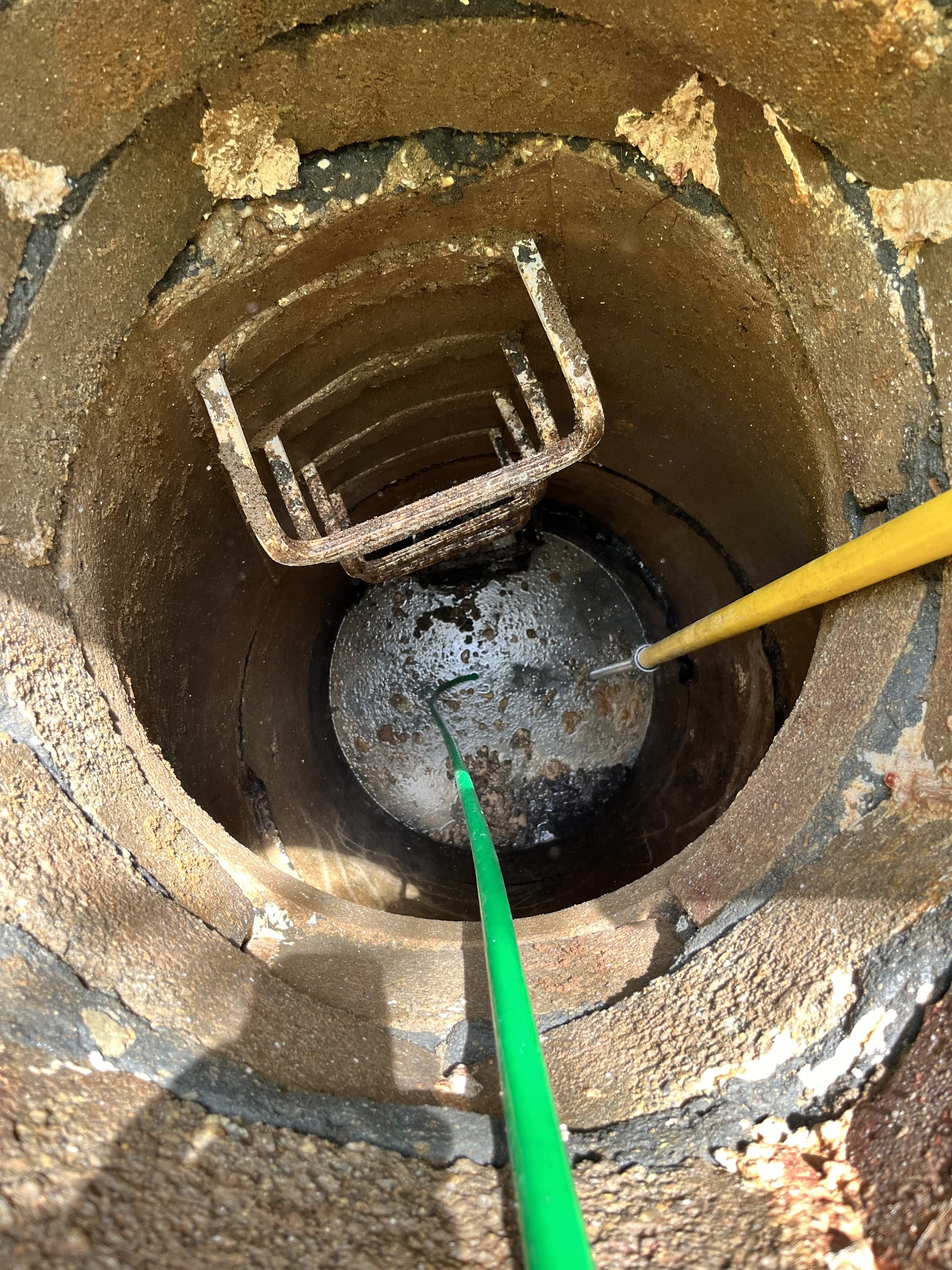


Sewer cleaning solutions: Best practices to prevent recurring backups
Sewer cleaning solutions use specialized tools and methods like hydro-jetting and mechanical snaking to clear blockages and buildup from your pipes.
Slow drains, bad smells, and gurgling sounds from your pipes are warning signs that your sewer system needs attention. These problems can get worse fast and lead to messy backups in your home. The good news is that professional sewer cleaning can fix most issues before they turn into expensive emergencies.
Sewer cleaning professional techniques work better than store-bought drain cleaners and can handle serious clogs that DIY methods cannot reach.
This guide covers everything you need to know about sewer cleaning, from identifying problems to choosing between DIY fixes and professional help. You'll learn what causes sewer clogs, how professionals clear them, and when preventative cleaning makes sense for your home.
Here's what you need to know:
- What sewer cleaning solutions are and how they work
- Common sewer problems solved with professional cleaning
- Types of sewer cleaning solutions used by professionals
- Signs you need sewer cleaning solutions
- Sewer cleaning solutions vs sewer repair
- Preventative sewer cleaning solutions
- What to expect during professional sewer cleaning
- DIY sewer cleaning solutions vs professional service
- Why choose Seacoast Sewer & Drain for sewer cleaning solutions
Keep reading! Understanding your options helps you make smart choices about maintaining your home's plumbing.
What sewer cleaning solutions are and how they work
Sewer cleaning solutions include both physical equipment and chemical products that remove blockages and buildup from sewer lines. These methods range from high-pressure water systems to specialized chemicals, each designed to tackle specific problems in your underground pipes.
Difference between sewer cleaning and drain cleaning
Sewer cleaning and drain cleaning address different parts of your plumbing system. Drain cleaning focuses on the pipes inside your home, like those under sinks or in bathtubs. These drains are typically 1.5 to 4 inches in diameter.
Sewer cleaning handles the main lines that run from your house to the street or septic system. These pipes are much larger, usually 4 to 6 inches or more in diameter. The blockages in sewer lines are often more severe and require stronger equipment.
Professional sewer cleaning uses specialized tools like hydro jetters and inspection cameras. These machines can reach deep into your sewer system where standard drain snakes can't go. Sewer lines also sit underground, which makes access more difficult than household drains.
Problems sewer cleaning solutions are designed to fix
Sewer cleaning solutions target several common problems in your main sewer lines. Tree root intrusion is one of the most serious issues, where roots grow into pipes searching for water. These roots can create complete blockages over time.
Grease and fat buildup coats pipe walls and traps other debris. This buildup gradually reduces water flow until it creates a backup. Mineral deposits from hard water can also narrow your pipes.
According to Johns Hopkins Bloomberg School of Public Health, “fatbergs” form when grease combines with other materials in sewers, creating large blockages that can restrict or stop wastewater flow.
Other problems include:
- Collapsed or damaged pipe sections
- Foreign objects flushed into the system
- Sediment and sludge accumulation
- Soap scum and waste buildup
Water jetting can blast through most of these blockages using high-pressure streams. Chemical treatments break down organic matter. Mechanical rodding physically removes solid obstructions.
Why regular sewer cleaning matters
Regular sewer cleaning prevents expensive emergency repairs and extends your pipes' lifespan. Most homeowners should schedule professional sewer cleaning every 18 to 22 months.
Without regular maintenance, small blockages grow into major problems. A complete sewer backup can flood your home with wastewater and cause thousands of dollars in damage. Prevention costs far less than emergency repairs.
Regular cleaning also reveals early warning signs of pipe damage. Professional sewer cleaning includes camera inspections that spot cracks, corrosion, and root intrusion before they cause failures. You can address these issues on your schedule rather than during a crisis.
Clean sewer lines also improve your entire plumbing system's performance. Water drains faster and odors don't build up in your home.
Common sewer problems solved with professional cleaning
Professional sewer cleaning tackles several recurring issues that homeowners face, from stubborn buildup to invasive tree roots. These problems often worsen without proper intervention, leading to costly repairs and system failures.
Grease, sludge, and debris buildup
Grease accumulation is one of the most frequent causes of sewer line blockages. When you pour cooking oils and fats down your drains, they cool and solidify inside your pipes. Over time, this creates thick layers that trap food particles, soap residue, and other debris.
According to the U.S. Environmental Protection Agency (EPA), fats, oils, and grease (FOG) are a major cause of sanitary sewer overflows because they build up inside pipes and restrict flow over time.
Professional hydro-jetting uses high-pressure water streams to break apart these sticky deposits. The force is strong enough to scour your pipe walls clean without causing damage. This method removes years of buildup that chemical drain cleaners cannot touch.
Regular professional cleaning prevents the hardened sludge from narrowing your pipe diameter. When left untreated, these blockages reduce water flow and eventually cause complete backups. A thorough cleaning restores your pipes to their full capacity and prevents emergency situations.
Tree root intrusion
Tree roots naturally seek out water sources, making your sewer lines an attractive target. Small cracks or loose joints in your pipes allow roots to enter and grow inside. Once established, these roots create dense networks that catch passing debris and form major blockages.
Professional cleaning services use specialized cutting equipment to remove roots from your sewer lines. Mechanical augers with root-cutting blades slice through the invasive growth. Hydro-jetting then flushes out the cut fragments and clears the line completely.
After removing the roots, professionals can apply root-inhibiting treatments to slow regrowth. This preventive measure gives you more time between cleanings. Some services also recommend pipe lining to seal the entry points and prevent future intrusions.
Recurring clogs and slow drainage
If you notice water backing up in multiple fixtures or drains emptying slowly throughout your home, you likely have a main sewer line problem. These symptoms indicate a blockage somewhere in your primary drainage system. Chemical products only provide temporary relief and can damage your pipes over time.
Professional camera inspections pinpoint the exact location and cause of your recurring clogs. Technicians then select the appropriate cleaning method based on what they find. This targeted approach solves the underlying problem rather than just treating symptoms.
Comprehensive cleaning eliminates the buildup causing your repeated issues. Your drains will flow freely again, and you won't need to worry about constant maintenance. Professional solutions address the root cause, saving you time and frustration.
Early-stage pipe blockages
Small blockages often go unnoticed until they become serious problems. Minor buildups reduce your pipe capacity gradually, giving you few warning signs. Catching these issues early prevents emergency backups and expensive repairs.
Professional sewer cleaning removes partial blockages before they worsen. Routine maintenance keeps your system running efficiently and extends your pipe lifespan. Technicians can spot developing problems during cleaning and address them immediately.
Preventive cleaning is more affordable than emergency repairs. You avoid the water damage, health hazards, and inconvenience of a complete sewer backup. Scheduling regular professional service protects your home and maintains your plumbing system's integrity.
Types of sewer cleaning solutions used by professionals
Professional sewer line cleaning relies on specialized equipment and methods that tackle different types of blockages and pipe conditions. These solutions range from high-powered water systems to precision camera technology that guides the cleaning process.
Hydro jetting for deep sewer cleaning
Hydro jetting uses high-pressure water streams to blast away buildup, grease, and stubborn blockages inside your sewer lines. The equipment shoots water at pressures between 3,000 and 8,000 PSI through specialized nozzles that spin and move through the pipes.
This method clears not just the blockage but also scrubs the entire pipe wall clean. The water pressure is strong enough to cut through tree roots, mineral deposits, and years of accumulated grease.
Professional plumbers choose hydro jetting for commercial properties and severely clogged residential lines. The process leaves your pipes in nearly new condition because it removes all debris instead of just poking a hole through the blockage. You can expect the cleaning to last longer than other methods since the pipes are thoroughly cleaned.
Mechanical augers and root cutting
Mechanical augers, also called drain snakes or rooters, use rotating cables with cutting heads to break through clogs. The cable feeds into your sewer line and spins at high speeds to cut, grab, or break apart blockages.
Different cutting heads attach to the cable depending on what's blocking your pipes. Root cutters have sharp blades designed specifically to slice through tree roots that invade sewer lines. Other heads work better for solid objects or compacted waste.
Professional-grade augers reach much farther than homeowner tools. They can extend 100 feet or more into your sewer system. The rotating action physically destroys the blockage so water can flow again through the pipe.
High-pressure flushing methods
High-pressure flushing pushes large volumes of water through your sewer lines at moderate pressure levels. This method works differently than hydro jetting because it focuses on moving debris rather than scrubbing pipe walls.
The equipment uses water pressure between 1,000 and 2,000 PSI combined with high flow rates. This combination loosens and pushes accumulated sediment, sand, and loose debris toward the main sewer line.
Professionals often use flushing for maintenance cleaning or lighter buildups. The lower pressure makes it safer for older or damaged pipes that might not handle hydro jetting well. Your sewer line gets cleared without the risk of additional damage to weakened sections.
Camera-guided cleaning solutions
Camera inspection technology lets professionals see inside your pipes before, during, and after cleaning. A waterproof camera on a flexible cable travels through your sewer line and sends live video to a monitor above ground.
The camera shows exactly where blockages exist and what's causing them. This information helps professionals choose the right cleaning method for your specific problem. They can see tree roots, collapsed sections, or grease buildup before starting work.
During cleaning, the camera verifies that the chosen method is working effectively. After the job is complete, the final inspection confirms your pipes are fully cleared. You receive documentation of the pipe condition and the work performed for your records.
Signs you need sewer cleaning solutions
Your home's plumbing system shows clear warning signs when your sewer line needs professional attention. Recognizing these symptoms early helps you avoid expensive repairs and protect your property from water damage.
Frequent sewer backups
Sewer backups happen when waste water flows back into your home instead of leaving through the main line. You'll notice water or sewage coming up through drains in your lowest-level fixtures like basement toilets, showers, or floor drains.
A single backup might result from a simple clog. When backups happen repeatedly, your main sewer line likely has a serious blockage or buildup. Tree roots often grow into sewer pipes through small cracks, creating obstacles that catch debris and waste.
Other causes include collapsed pipes, hardened grease deposits, or items that shouldn't be flushed. Each backup poses health risks and can damage your floors, walls, and personal belongings. Professional sewer cleaning removes these deep blockages that regular drain cleaning can't reach.
Per the U.S. EPA, sanitary sewer overflows (SSOs) are releases of raw sewage, and the most immediate health risks involve exposure to pathogens such as bacteria and viruses in streets and receiving waters.
Multiple slow drains in the home
One slow drain usually means a local clog in that specific pipe. When several drains throughout your house move slowly at the same time, the problem exists in your main sewer line.
You might notice your kitchen sink, bathroom tub, and laundry drain all emptying slower than normal. This pattern indicates a partial blockage in the shared sewer line that serves all these fixtures. The blockage restricts flow and creates backup pressure throughout your system.
Common culprits include accumulated grease, soap scum, hair, and mineral deposits that build up over years. These materials coat pipe walls and gradually narrow the passage. Professional sewer cleaning removes this buildup and restores proper drainage speed to all your fixtures.
Gurgling sounds or sewer odors
Strange gurgling noises from your drains signal trapped air in your sewer line. When water tries to flow past a blockage, it pushes air bubbles back through your pipes. You'll hear these sounds coming from toilets, sinks, or tub drains even when you're not using them.
Sewer odors inside your home indicate a ventilation problem or breach in your system. Your pipes should contain water traps that block sewer gases from entering your living space. When you smell sulfur or rotten eggs near drains, those gases are escaping through compromised seals or backing up through fixtures.
Both symptoms point to blockages that disrupt normal pressure and airflow in your sewer system. These issues don't fix themselves and typically worsen over time.
Repeated drain cleaning with limited results
You might find yourself using drain cleaners or calling for basic drain service every few weeks. This cycle shows the real problem lies deeper in your sewer system than surface treatments can address.
Standard drain cleaning only clears visible clogs in accessible pipes. If blockages keep returning quickly, your main sewer line needs professional cleaning. The main line feeds all your household drains, and problems there affect everything connected to it.
Professional sewer cleaning uses specialized equipment like hydro-jetting to scour pipe walls clean. This removes years of buildup and debris that simple snaking can't eliminate. Once your main line is properly cleaned, your recurring drain problems should stop.
Sewer cleaning solutions vs sewer repair
Knowing whether your sewer system needs cleaning or repair depends on the type and severity of the problem. Regular cleaning handles most blockages and buildup, while structural damage requires repair work.
When cleaning is enough
Sewer cleaning works for clogs caused by grease, hair, debris, and minor root intrusions. Professional cleaners use mechanical snaking or hydro-jetting to remove these blockages and restore normal flow. These methods clear accumulated materials without damaging your pipes.
Most routine maintenance falls into the cleaning category. If you notice slow drains or minor backups, cleaning typically solves the problem. The service costs less than repairs and takes just a few hours to complete.
Common issues resolved by cleaning:
- Grease buildup in kitchen lines
- Hair and soap accumulation
- Food debris and small objects
- Tree root tendrils (before major intrusion)
- Sediment and mineral deposits
Regular cleaning prevents small problems from becoming major emergencies. You should schedule professional cleaning every 18-24 months to maintain clear flow.
When inspections reveal repair needs
Camera inspections show what's happening inside your sewer lines. These inspections identify cracks, collapsed sections, severe root damage, and deteriorated pipes that cleaning can't fix.
You need repair services when pipes show structural damage. Root intrusions that penetrate pipe walls, corrosion that weakens the line, and shifts in the ground that cause breaks all require repair work. Cleaning won't solve these problems because the pipe itself is compromised.
Repair methods depend on the damage severity. Small cracks might need spot repairs, while extensive damage could require partial or full line replacement. Modern repair techniques like pipe lining can fix damage without digging up your entire yard.
Signs you need repair instead of cleaning include recurring backups after professional cleaning, sewage odors around your property, and wet spots in your yard above the sewer line.
How cleaning helps extend sewer line lifespan
Preventive cleaning protects your sewer system from premature failure. When you remove buildup regularly, you reduce pressure on pipe walls and prevent corrosion from sitting debris. This maintenance keeps pipes working at full capacity.
Grease, roots, and sediment create stress points in your sewer lines. Over time, these weak spots can crack or collapse. Regular hydro-jetting removes these materials before they cause permanent damage.
Your pipes last longer when they operate efficiently. Blocked or partially blocked lines force water and waste to push harder through the system, which strains connections and joints. Clean lines reduce this stress and lower your risk of emergency repairs.
Professional cleaning also gives technicians a chance to spot early warning signs. They can identify minor issues before they become major problems, saving you money on extensive repairs or full line replacement.
Preventative sewer cleaning solutions
Taking steps to prevent sewer problems before they start saves you money and protects your property from damage. Regular maintenance and smart practices keep your sewer lines flowing smoothly and reduce the risk of unexpected backups.
Routine maintenance schedules
You should have your sewer lines professionally cleaned every 18 to 24 months. This timeframe works for most homes, but your needs may differ based on your property's age and usage patterns.
Schedule inspections with camera equipment to check for early signs of damage or blockages. These cameras show the inside condition of your pipes and help identify problems before they become serious.
Keep a written record of all maintenance work, including dates and services performed. This documentation helps you track patterns and plan future cleanings.
Recommended maintenance frequency:
- Residential properties: Every 18-24 months
- Properties with older pipes: Every 12-18 months
- Homes with large trees nearby: Every 12 months
- Commercial properties: Every 6-12 months
Preventing root intrusion and buildup
Tree roots cause significant damage to sewer lines as they search for water and nutrients. Plant new trees at least 10 feet away from your sewer lines to reduce this risk.
Apply root-killing treatments containing copper sulfate twice a year if you have trees near your pipes. These chemicals stop roots from growing into small cracks without harming your plumbing system.
Avoid pouring grease, oils, or food waste down your drains. These substances stick to pipe walls and create blockages over time. Instead, dispose of grease in your trash after it cools and solidifies.
Use enzyme-based drain treatments monthly to break down organic materials naturally. These products work slowly but prevent buildup without damaging your pipes like harsh chemical cleaners can.
Protecting older sewer lines
Older sewer pipes made from clay, cast iron, or Orangeburg material need extra attention. These materials break down over time and develop cracks more easily than modern PVC pipes.
Consider pipe lining or replacement if your system is over 50 years old. Trenchless pipe lining adds a protective coating inside existing pipes without digging up your yard.
Reduce water pressure to decrease stress on aging pipes. Install a pressure regulator if your water pressure exceeds 80 PSI.
Watch for early warning signs like slow drains, gurgling sounds, or sewage odors. These symptoms often indicate problems developing in older systems that need immediate attention.
Reducing emergency sewer issues
Install backwater valves to prevent sewage from flowing back into your home during heavy rains or municipal system overflows. These one-way valves close automatically when water tries to flow backward.
Keep your cleanout access points clear and easy to reach. Knowing where these access points are located saves time during emergencies.
Educate everyone in your household about what not to flush. Only human waste and toilet paper belong in your sewer system. Items like wipes, feminine products, and paper towels cause blockages even when labeled as flushable.
Use drain screens in sinks and showers to catch hair and debris. These simple devices prevent materials from entering your pipes and are easy to clean regularly.
What to expect during professional sewer cleaning
Professional sewer cleaning follows a structured process that starts with inspection and ends with prevention planning. Technicians use specialized equipment and proven methods to clean your pipes thoroughly while identifying potential problems before they become emergencies.
Sewer camera inspection before cleaning
Technicians begin every professional sewer cleaning with a video camera inspection. They insert a waterproof camera attached to a flexible cable into your sewer line through an access point. The camera transmits real-time video footage that shows the inside condition of your pipes.
This inspection reveals the exact location and nature of blockages in your system. You can see tree roots, grease buildup, mineral deposits, or pipe damage on the video screen. The technician measures the depth and distance of problems using the camera's built-in tracking system.
The visual assessment helps determine which cleaning method will work best for your specific situation. Different blockages require different approaches. A grease clog needs different treatment than tree roots or mineral buildup.
Selecting the right cleaning method
Your technician chooses a cleaning method based on what the camera inspection revealed. Hydro jetting uses high-pressure water streams to blast away stubborn clogs and clean pipe walls completely. This method works well for grease, mineral deposits, and most tree roots.
Mechanical augering involves a rotating cable with cutting blades that breaks through solid blockages. Technicians use this method for hard obstructions or when pipes are too damaged for high-pressure water.
Enzymatic treatments dissolve organic waste without harsh chemicals. Your plumber might recommend this gentler approach for minor buildup or as maintenance between major cleanings.
The cleaning process typically takes two to four hours depending on your pipe length and blockage severity. You'll hear the equipment running and may notice vibrations through your plumbing system.
Post-cleaning inspection and verification
After completing the cleaning process, technicians perform another camera inspection. This second look confirms that all blockages are removed and water flows freely through your pipes. You can watch the video to see the difference between before and after.
The technician checks for any damage that the cleaning process might have exposed. Old pipes sometimes have cracks or weak spots hidden behind buildup. Finding these issues now prevents future emergencies.
Your plumber provides documentation of both inspections, including video footage and still images. These records help track your system's condition over time and prove useful if you need warranty work or insurance claims.
Maintenance recommendations after service
Based on the inspection findings, your technician creates a customized maintenance schedule. Properties with large trees near sewer lines typically need cleaning every 18 to 24 months. Homes without significant tree root problems might go three to five years between cleanings.
You'll receive specific advice about what to avoid putting down your drains. Grease, coffee grounds, and certain paper products cause most residential blockages.
Your plumber may suggest installing a backwater valve if you're at risk for sewer backups. They'll also identify any pipes that need repair or replacement soon. Following these recommendations prevents emergency callouts and extends your sewer system's lifespan.
DIY sewer cleaning solutions vs professional service
Homeowners often attempt their own sewer cleaning to save money, but these efforts come with significant risks and limitations that professional services can avoid.
Risks of chemical cleaners
Chemical drain cleaners pose serious dangers to your plumbing system and your health. These products contain harsh substances like sulfuric acid or lye that can corrode your pipes over time, especially if you have older metal plumbing.
The chemicals create heat reactions inside your pipes that may crack or weaken them. If you have PVC pipes, repeated use of chemical cleaners can soften and damage the material. The fumes from these products can burn your eyes, throat, and lungs if you breathe them in.
You also face risks if the chemicals splash on your skin or in your eyes during application. Mixing different chemical cleaners can create toxic gas that fills your home. These products rarely solve deep clogs in your main sewer line and only work on minor blockages near drains.
Professional services use safer methods that won't damage your pipes or put your family at risk.
Limitations of DIY equipment
Standard household tools like plungers and drain snakes only reach 25 to 50 feet into your pipes. Your main sewer line can extend 100 feet or more from your house to the street connection. A basic handheld snake can't break through tree roots, grease buildup, or collapsed pipe sections.
Store-bought equipment lacks the power to clear serious blockages. You can't see inside your pipes to identify the real problem causing the backup.
Professional equipment includes video cameras that show exactly what's blocking your sewer line. Hydro-jetting machines use high-pressure water streams up to 4,000 PSI to remove even the toughest clogs. Motorized augers extend hundreds of feet and cut through roots and hardened debris.
Safety and effectiveness considerations
Sewer cleaning exposes you to harmful bacteria like E. coli and parasites that cause serious illness. Raw sewage contains pathogens that spread diseases through contact with your skin or breathing contaminated air. You need proper protective gear, training, and disposal methods to stay safe.
Without professional training, you might damage your pipes by using tools incorrectly. You could push a clog deeper into your system or puncture a pipe with aggressive augering. These mistakes lead to expensive repairs that cost more than hiring a professional from the start.
Professionals carry insurance that covers any damage during cleaning. They identify underlying issues like pipe corrosion or misaligned connections that cause recurring clogs. A professional cleaning typically lasts longer because it removes the entire blockage instead of creating a temporary opening.
Why choose Seacoast Sewer & Drain for sewer cleaning solutions
Seacoast Sewer & Drain brings specialized expertise and modern equipment to handle your toughest drain problems. The company focuses on accurate diagnostics and effective solutions without pushing services you don't need.
Sewer and drain specialists
Seacoast Sewer & Drain has focused exclusively on sewer and drain work since 2013. This specialization means the team handles these specific problems every single day.
The company works on both homes and businesses throughout York County. Their technicians are trained specifically in sewer cleaning service methods rather than general plumbing.
When you call a specialist instead of a general plumber, you get someone who knows the exact tools and techniques for your specific problem. The team handles everything from simple clogs to complex sewer line issues.
Advanced cleaning and inspection technology
The company uses high-pressure water jetting to clear severe blockages and clean pipe walls. This method removes buildup that simple snaking can't reach.
Key technologies include:
- Video camera inspections to see inside your pipes
- Hydro jetting equipment for tough clogs
- Power snaking for mechanical removal
- Pipe locating tools to find underground lines
Video cameras show exactly what's happening inside your sewer lines. You can see the blockage or damage yourself before any work begins. This removes guesswork from the cleaning process.
The high-pressure jetting equipment they use is designed for water efficiency. It cleans thoroughly while using less water than older methods.
Honest recommendations without unnecessary repairs
Seacoast Sewer & Drain uses camera inspections to show you the actual condition of your pipes. You see the problem before they recommend any solution.
This approach prevents unnecessary repairs. If your sewer line just needs cleaning, they clean it. If you need repairs, they can show you why.
The video inspection provides clear evidence of what work is actually needed. You make decisions based on facts rather than estimates or assumptions.
Proven experience with residential sewer systems
The company has served residential customers since 2013. They understand the common problems homeowners face with sewer lines and drains.
Their experience covers routine maintenance, emergency backups, and everything in between. The team knows how residential sewer systems are built and where problems typically occur.
You get technicians who have handled hundreds of similar situations. They can often identify issues quickly based on symptoms you describe. This experience leads to faster diagnosis and more effective solutions for your home's sewer cleaning needs.
Conclusion
Regular sewer cleaning protects your property and keeps your plumbing system running smoothly. When you maintain your sewer lines, you prevent clogs, backups, and expensive repairs down the road.
You have multiple cleaning methods available depending on your specific situation. Hydro jetting works well for tough buildup, while mechanical snaking handles basic clogs effectively. Professional inspections with camera technology help identify problems before they become major issues.
The timing of your maintenance matters. You should schedule professional cleaning every 18 to 22 months for most residential properties. Properties with older pipes or large trees nearby may need more frequent attention.
Don't wait for warning signs like slow drains or strange smells to take action. Proactive maintenance costs less than emergency repairs and prevents the health hazards that come with sewage exposure.
Professional services provide the right equipment and expertise to clean your sewer lines safely. They can spot potential problems during routine maintenance and address them before they cause system failures.
Your sewer system is a critical part of your home's infrastructure. Treating it with regular care and professional attention keeps everything flowing properly and protects your investment for years to come.
Request an estimate from Seacoast Sewer & Drain for a sewer cleaning service that uses a sewer camera inspection to confirm the clog type and then applies the right method—hydro jetting services for heavy buildup or root cutting for intrusion—to restore full sewer line cleaning performance.
Recent Blog Post
Customer Reviews