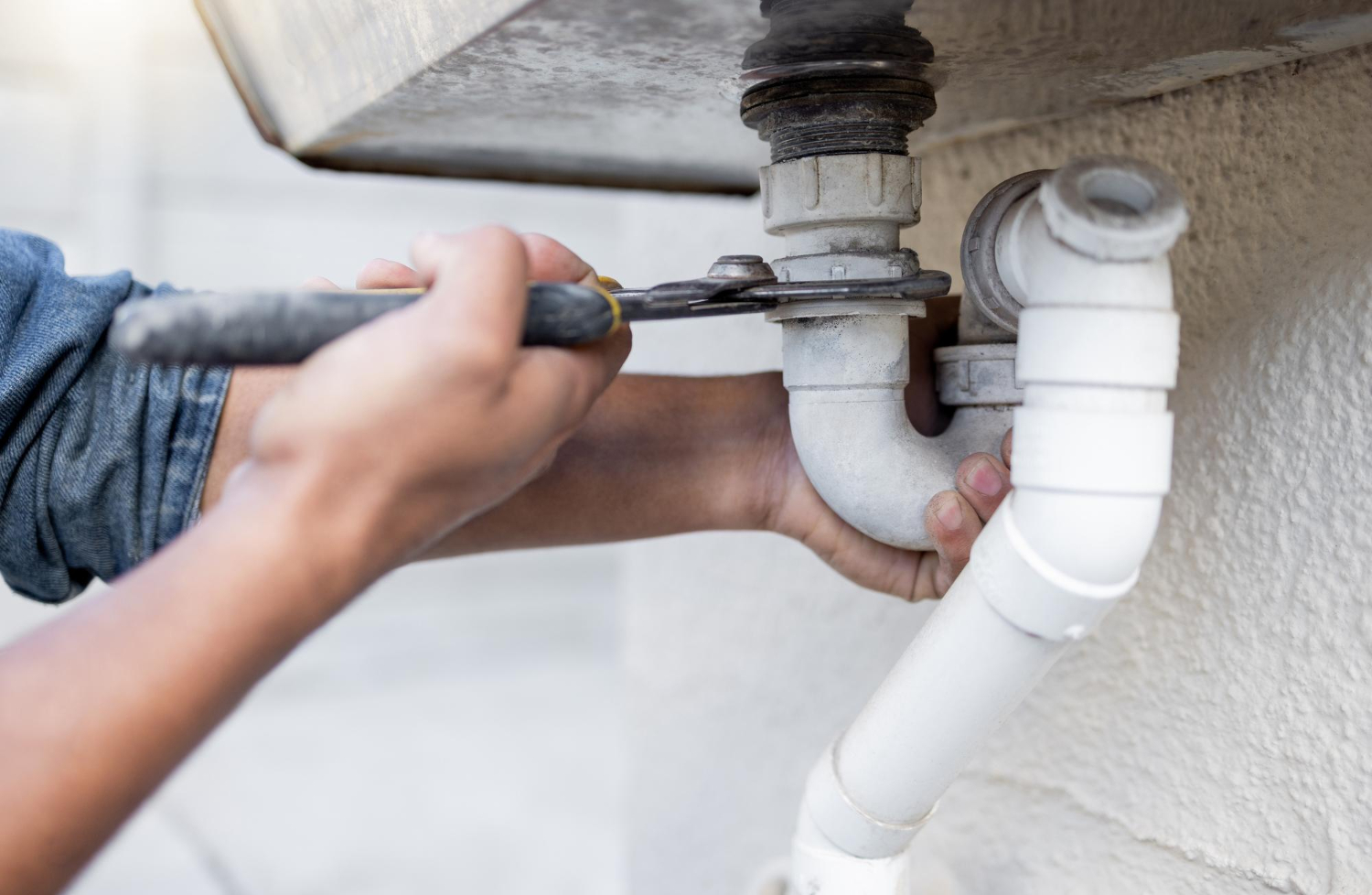


Emergency plumbing services provide 24/7 help for urgent plumbing problems that need immediate attention to prevent water damage and keep your home safe. These services are different from regular plumbing appointments because they respond right away, any time of day or night.
A burst pipe at 2 AM or a backed-up toilet on a holiday can turn your home into a stressful situation in minutes. These problems don't wait for business hours, and the damage they cause can get worse quickly if you don't act fast.
Understanding when to call for emergency help and what to expect from professional plumbers can save you money and protect your property. In this article, you’ll learn how an emergency plumbing service responds to urgent failures like burst pipes, sewer backups, and major leaks to limit damage and restore safe operation.
Here’s what you’ll find below:
- What is an emergency plumbing service?
- Common plumbing emergencies that require immediate service
- Signs you need emergency plumbing service
- How professional emergency plumbing service works
- Benefits of hiring Seacoast Sewer & Drain for plumbing emergencies
- Preventative tips to avoid plumbing emergencies
Keep reading! You'll learn what counts as a true plumbing emergency, how these services work, and simple steps you can take to prevent problems before they start.
What is an emergency plumbing service?
An emergency plumbing service handles urgent plumbing problems that need immediate attention to stop water damage and restore your home or business to normal function. These services work around the clock to fix serious issues like burst pipes, major leaks, and sewer backups.
Immediate response to plumbing failures
Emergency plumbers respond quickly when your plumbing system fails unexpectedly. Unlike regular plumbing appointments that you schedule days or weeks in advance, emergency services aim to reach you within hours of your call.
Your plumbing emergency response begins the moment you contact a service provider. The plumber will ask you questions about the problem to understand what equipment and parts to bring. This preparation helps them fix the issue faster once they arrive.
Most emergency services prioritize calls based on severity. A burst pipe flooding your home gets faster attention than a slow drain. The plumber arrives ready to assess the damage, stop the immediate problem, and start repairs right away.
Repairing leaks, burst pipes, and backups
Emergency plumbers fix the most serious plumbing problems that threaten your property. Burst pipes are common emergencies, especially during cold weather when frozen water expands and breaks the pipe walls. These require immediate shutoff of your water supply and pipe replacement.
Major leaks from water heaters, supply lines, or fixtures can dump gallons of water into your home every hour. Emergency plumbers locate the leak source, stop the water flow, and repair or replace the damaged components.
Sewer backups create health hazards and require urgent attention. When wastewater flows backward into your drains, an emergency plumber uses specialized equipment to clear the blockage and restore proper drainage. They may also need to repair damaged sewer lines.
Gas leaks and water contamination issues also fall under emergency repairs because they pose immediate safety risks.
Preventing water damage and property loss
Quick action from emergency plumbers saves you money by limiting water damage. Water spreads fast through floors, walls, and ceilings, destroying building materials and creating mold growth conditions within 24 to 48 hours.
According to the CDC, mold can grow if water-damaged materials aren’t dried within 24–48 hours, reinforcing why 24/7 plumbing service and immediate water control reduce secondary damage risk after flooding.
Your emergency plumber stops active water flow first, then removes standing water if possible. This fast response protects your:
- Flooring and subflooring from warping and rot
- Drywall and insulation from saturation and mold
- Electrical systems from water exposure and short circuits
- Personal belongings like furniture, electronics, and documents
The longer water sits, the more expensive repairs become. Emergency service costs less than dealing with extensive water damage, structural repairs, and mold remediation later.
Serving both residential and commercial clients
Emergency plumbing services help homeowners and business owners deal with urgent plumbing failures. Residential emergency calls typically involve homes and apartments where families need working plumbing for daily activities.
Commercial plumbing emergency service handles larger, more complex systems in businesses, restaurants, hospitals, and office buildings. These jobs often involve industrial-grade equipment, multiple bathrooms, commercial kitchens, and heating systems that serve many people.
Business plumbing emergencies create additional pressure because they can force you to close temporarily. A restaurant with no working toilets must shut down by health code. An office building with flooding puts employees at risk and halts operations.
Emergency plumbers who work with commercial clients understand building codes, health regulations, and the need to minimize business interruption.
Available 24/7 for urgent plumbing needs
Emergency plumbing services operate every day of the year, including nights, weekends, and holidays. Plumbing problems do not wait for business hours, so emergency plumbers stay on call when regular services close.
You can reach emergency plumbers through dedicated phone lines or online request forms. Many services guarantee response times, often within two to four hours depending on your location and the severity of your emergency.
After-hours service typically costs more than regular appointments because plumbers work outside normal schedules. However, you pay for immediate help that prevents worse damage.
During extreme weather events or city-wide emergencies, response times may be longer as plumbers handle multiple urgent calls. Services prioritize based on safety risks and property damage severity.
Common plumbing emergencies that require immediate service
Certain plumbing problems need professional help right away to prevent serious damage to your home. Burst pipes, major clogs, and flooding can quickly destroy floors, walls, and personal belongings if you don't act fast.
Burst or leaking pipes
A burst pipe releases large amounts of water into your home within minutes. This type of emergency often happens during freezing weather when water inside pipes expands and cracks the metal or plastic.
Per the U.S. EPA, water expands by about 9% when it freezes, which helps explain why freeze events can crack or burst supply lines and why rapid plumbing emergency response is critical once thawing begins.
You need to shut off your main water supply immediately when you discover a burst pipe. The main shutoff valve is usually located near your water meter or where the main line enters your home. Turn it clockwise until it stops.
Water from burst pipes can damage your electrical system and create dangerous conditions. It also ruins drywall, flooring, furniture, and personal items very quickly. Even a small leak that sprays or drips constantly needs immediate attention because it wastes water and promotes mold growth.
According to the U.S. EPA WaterSense program, the average household’s leaks can waste nearly 10,000 gallons of water each year (and about 10% of homes have leaks wasting 90+ gallons per day), which is why urgent plumbing repair should prioritize stopping active leaks fast
Call an emergency plumber as soon as you turn off the water. They have the tools and skills to repair or replace the damaged section of pipe and restore your water service safely.
Clogged main sewer lines
Your main sewer line carries all wastewater from your home to the municipal system or septic tank. When this line gets blocked, wastewater backs up into your drains, toilets, and bathtubs.
Warning signs include multiple drains backing up at once, toilets bubbling when you run water elsewhere, and sewage odors throughout your home. You might also notice water pooling in your basement floor drains or yard.
Common causes of main line clogs:
- Tree roots growing into pipes
- Flushed items like wipes or paper towels
- Grease buildup over time
- Collapsed or broken sewer pipes
Don't use any water in your home when you suspect a main line clog. This prevents more sewage from backing up into your living spaces. A professional plumber uses special cameras and equipment to locate the blockage and clear it properly.
Overflowing toilets or drains
An overflowing toilet poses health risks because it spreads bacteria and contamination across your bathroom floor. This happens when a blockage prevents water from draining normally, causing the bowl to fill past its rim.
Stop the overflow by turning off the water supply valve at the base of your toilet. If water keeps rising, remove the tank lid and push down the flapper to stop more water from entering the bowl.
Multiple overflowing drains at the same time usually mean a bigger problem in your plumbing system. A single overflowing toilet might be a simple clog, but water coming up through shower drains or sinks needs immediate professional service.
Standing water from overflows can seep into your subfloor and cause structural damage. It also creates unsanitary conditions that require thorough cleaning and disinfection after the plumber fixes the problem.
Water heater leaks or failures
A leaking water heater can release 40 to 80 gallons of water into your home depending on tank size. This much water floods rooms quickly and causes extensive damage to floors and walls.
Check around the base of your water heater regularly for puddles or moisture. Small leaks often get worse over time and may indicate the tank is corroding from the inside. You should also watch for rust-colored water, strange noises, or a rotten egg smell.
Turn off the power supply to electric heaters or the gas valve to gas models when you discover a leak. Shut off the cold water supply valve at the top of the tank. Don't try to drain a leaking tank yourself because this can make the situation worse.
A complete water heater failure means no hot water for showers, dishes, or laundry. Emergency plumbers can assess whether you need repairs or a full replacement and restore your hot water supply quickly.
Sump pump malfunctions and basement flooding
Your sump pump removes water that collects around your foundation and prevents basement flooding. When it fails during heavy rain or snowmelt, water rises rapidly and can flood your entire basement in hours.
Test your sump pump every few months by pouring water into the pit. The pump should turn on automatically and remove the water quickly. Strange noises, constant running, or visible rust indicate problems that need attention before they become emergencies.
Signs of sump pump failure:
- Water pooling in basement corners
- Pump runs but doesn't remove water
- Circuit breaker trips repeatedly
- Motor makes grinding or rattling sounds
Basement flooding from pump failure damages furnaces, water heaters, electrical panels, and stored belongings. The moisture also creates perfect conditions for mold growth within 24 to 48 hours. Emergency plumbing service includes pump repair or replacement and water removal to protect your home and belongings from permanent damage.
Signs you need emergency plumbing service
Certain plumbing problems require immediate professional help to prevent serious damage to your home. Recognizing these warning signs helps you act quickly and avoid expensive repairs.
Sudden water leaks or flooding
Water leaks and flooding need immediate attention because they can damage your property within minutes. A burst pipe can release hundreds of gallons of water into your home, ruining floors, walls, and personal belongings.
You should call an emergency plumber right away if you see water pooling on your floors or dripping from ceilings. Large leaks often happen when pipes freeze and burst, when water pressure becomes too high, or when old pipes finally fail.
Even smaller leaks can signal bigger problems in your plumbing system. If you notice water spreading across multiple rooms or coming from unknown sources, you need emergency help. Quick action prevents mold growth and structural damage that cost thousands to repair.
No running water or low water pressure
A complete loss of water in your home is a clear emergency that disrupts daily activities like cooking, cleaning, and bathing. This problem might stem from a major pipe break, a closed main valve, or serious issues with your water line.
Low water pressure throughout your entire home can indicate equally serious problems. You might have a hidden leak somewhere in your walls or under your foundation. Sediment buildup or pipe corrosion can also restrict water flow significantly.
If only one faucet has low pressure, the issue is usually minor. But when multiple fixtures show weak flow at the same time, your main water line likely needs professional repair. Emergency plumbers have tools to locate and fix these problems quickly.
Strange noises in pipes or drains
Unusual sounds from your plumbing system often warn you about serious problems developing inside your pipes. Banging, rattling, or hammering noises can mean loose pipes, high water pressure, or failing pipe supports.
Gurgling sounds from drains usually indicate a blockage in your sewer line or vent system. These noises happen when air gets trapped and struggles to escape through your plumbing. If you hear these sounds from multiple drains, your main sewer line might be clogged or damaged.
Hissing or whistling noises can signal dangerously high water pressure or leaks developing in your pipes. These sounds require immediate inspection because they often come right before a pipe bursts. Never ignore persistent strange noises from your plumbing system.
Foul odors from drains or sewer lines
Sewage smells in your home create a health hazard that needs emergency attention. These odors mean wastewater is backing up or leaking somewhere in your system. Raw sewage contains harmful bacteria and toxic gases that can make your family sick.
A strong rotten egg smell might indicate a dried-out P-trap, but it could also mean a cracked sewer pipe or blocked vent. If the smell persists after running water in all your drains, you likely have a serious problem.
Multiple drains releasing foul odors at once suggest your main sewer line is blocked or broken. Tree roots, collapsed pipes, or major clogs can cause sewage to back up into your home. Emergency plumbers can inspect your sewer line and fix these dangerous issues before they worsen.
Visible water damage or mold growth
Water stains on walls, ceilings, or floors indicate active leaks hiding behind surfaces. These stains often appear as yellow or brown discoloration and may feel damp to the touch. The damage you see represents only a fraction of the problem occurring inside your walls or floors.
Mold growth near plumbing fixtures or on walls signals ongoing moisture problems. Mold can start growing within 24 to 48 hours of water exposure. Black, green, or white patches of mold pose health risks and mean water has been leaking for some time.
Warped floors, peeling paint, or bubbling drywall all point to water damage that needs immediate investigation. These signs mean water is saturating your building materials and weakening your home's structure. Emergency plumbers can locate the source and stop further damage to your property.
How professional emergency plumbing service works
When you contact an emergency plumber, the service follows a structured process from dispatch through final testing to resolve urgent plumbing repair needs quickly and effectively.
Rapid dispatch of licensed plumbers
Emergency plumbing companies maintain 24/7 availability to respond when you call. Most services aim to dispatch a licensed plumber within 30 to 60 minutes of your initial contact, though response times can vary based on your location and current demand.
When you reach out, the dispatcher collects key information about your plumbing emergency. They ask about the type of problem, its severity, and whether you've taken any initial steps like shutting off water valves.
The company assigns a licensed plumber who is nearest to your location. This plumber typically carries standard tools and common replacement parts in their service vehicle. Before arriving, they may call you to confirm your address and gather additional details about the urgent plumbing repair.
On-site inspection and diagnosis
The plumber begins with a thorough inspection of the affected area and related plumbing systems. They identify visible signs of damage like water pooling, pipe leaks, or fixture malfunctions.
Common diagnostic steps include:
- Checking water pressure throughout your home
- Inspecting pipes for cracks or corrosion
- Testing fixtures and appliances connected to your plumbing
- Using specialized tools like cameras to examine hidden pipes
- Identifying the root cause beyond surface-level symptoms
You receive a clear explanation of what went wrong and why. The plumber describes the extent of damage and outlines what repairs are necessary. They provide an upfront cost estimate before starting any work, breaking down labor and material expenses.
Temporary solutions to prevent further damage
Before starting full repairs, the plumber implements immediate measures to stop ongoing damage. These temporary fixes protect your property while they prepare for the complete repair.
The plumber may shut off water supply to specific fixtures or your entire home if needed. They place temporary patches on leaking pipes using epoxy compounds or pipe clamps. For severe leaks, they might install temporary bypass lines to restore partial water service to unaffected areas.
Emergency stabilization actions include:
- Removing standing water with pumps or wet vacuums
- Securing broken pipes to prevent additional stress
- Installing temporary caps or plugs on damaged lines
- Clearing blockages that pose immediate flooding risks
These measures give you functional plumbing for essential needs while minimizing water damage to floors, walls, and belongings.
Full repair or replacement of damaged components
After stabilizing the situation, the plumber proceeds with permanent repairs. They replace damaged sections of pipe rather than applying temporary patches when structural integrity is compromised.
For burst pipes, the plumber cuts out the damaged section and installs new piping using appropriate materials that match your existing system. They secure all connections with proper fittings and ensure joints are watertight.
Fixture replacements involve removing failed components like water heaters, sump pumps, or toilets and installing new units. The plumber makes sure new installations meet current plumbing codes.
In cases of severe clogs, they use professional-grade equipment like motorized drain snakes or hydro-jetting systems. These tools clear blockages that standard methods cannot remove. For sewer line issues, they may need to excavate and replace underground sections.
System testing to ensure proper operation
Once repairs are complete, the plumber conducts comprehensive tests to verify everything works correctly. They restore water supply gradually while monitoring for leaks at repair sites and connection points.
The plumber runs water through all affected fixtures and drains. They check water pressure levels to ensure they match normal operating standards. For drain repairs, they verify proper flow rates and confirm blockages are fully cleared.
Final verification includes:
- Visual inspection of all repair work
- Pressure testing on replaced pipe sections
- Running multiple fixtures simultaneously to test capacity
- Checking for moisture around repair areas
- Confirming hot water systems heat properly
You receive documentation of the work performed, including warranty information for parts and labor. The plumber explains maintenance steps you should take to prevent similar emergencies. They answer your questions about the repairs and advise when to schedule follow-up inspections if needed.
Benefits of hiring Seacoast Sewer & Drain for plumbing emergencies
When a pipe bursts or your sewer backs up, you need a team that responds quickly with the right tools and skills. Seacoast Sewer & Drain provides round-the-clock emergency service with trained professionals who can handle any plumbing crisis while protecting your property from further damage.
Fast 24/7 response times
Plumbing emergencies don't wait for business hours. A burst pipe at 2 AM can flood your home in minutes, causing thousands of dollars in water damage.
Seacoast Sewer & Drain operates 24 hours a day, 365 days a year to respond to your emergencies. Their technicians arrive prepared with fully stocked service vehicles that carry the tools and parts needed for most repairs.
You won't waste time waiting for callbacks or scheduling appointments days away. The company dispatches crews immediately when you call, minimizing the time water flows or sewage backs up into your home. This quick response protects your floors, walls, and belongings from extensive damage.
Experienced licensed plumbing professionals
Seacoast Sewer & Drain employs licensed plumbers who have completed years of training and hands-on experience. These professionals handle complex repairs that go beyond basic fixes, from main sewer line breaks to commercial system failures.
Their technicians work with advanced diagnostic equipment like sewer camera inspections to identify problems accurately. You get repairs done right the first time instead of temporary patches that fail weeks later.
The team stays current on plumbing codes and regulations, ensuring all work meets local requirements. This matters when you sell your home or file insurance claims for damage.
Safe, reliable repairs for all plumbing systems
Emergency plumbing involves risks like sewage exposure, gas leaks, and electrical hazards near water. Seacoast Sewer & Drain's professionals follow safety protocols to protect your household during repairs.
They use high-pressure water jetting to clear stubborn clogs without damaging your pipes. This method removes tree roots, grease buildup, and debris more effectively than drain snakes alone.
The company repairs all types of plumbing systems, including:
- Residential drain lines and sewer connections
- Commercial plumbing for businesses and multi-unit buildings
- Septic systems and lift stations
- Storm water management systems
You receive guaranteed work that solves the problem completely rather than creating new issues.
Minimizes property damage and costly repairs
Water and sewage cause extensive damage fast. Drywall absorbs moisture within hours, leading to mold growth. Flooded basements ruin furniture, electronics, and personal items.
Seacoast Sewer & Drain's quick response stops water flow before it spreads through your property. Their technicians shut off water supplies, contain spills, and start repairs immediately to limit destruction.
Early professional intervention saves you money compared to DIY attempts that make problems worse. A small leak that gets ignored can rot floor joists and require major structural repairs. The company's expertise prevents these costly complications.
Their camera inspection technology pinpoints exact problem locations, avoiding unnecessary digging or wall removal. You only pay for the work actually needed to fix your emergency.
Advice on preventative maintenance and future care
After handling your emergency, Seacoast Sewer & Drain's technicians explain what caused the problem and how to prevent it. You learn warning signs to watch for, like slow drains or gurgling sounds that indicate developing issues.
The team recommends maintenance schedules based on your system's age and condition. Regular drain cleaning removes buildup before it causes backups. Sewer line inspections catch tree root intrusion before roots break through pipes.
You receive practical tips specific to your plumbing system, not generic advice. This guidance helps you avoid future emergencies and extends the life of your pipes and fixtures.
Preventative tips to avoid plumbing emergencies
Taking care of your plumbing system before problems start can save you from expensive repairs and water damage. Simple maintenance tasks and smart habits protect your pipes, drains, and fixtures from breaking down when you need them most.
Regular plumbing inspections and maintenance
You should schedule a professional plumbing inspection at least once a year. A trained plumber can spot small problems like worn washers, corroded pipes, or slow drains before they turn into emergencies.
During inspections, plumbers check your water heater, examine pipe connections, and test water pressure. They also look at your fixtures for signs of wear and tear. These checkups typically cost between $150 and $300 but can prevent thousands of dollars in emergency repairs.
Between professional visits, you can do your own basic checks. Look under sinks for moisture or dripping. Check exposed pipes in your basement or crawl space for rust or corrosion. Test all your faucets and toilets to make sure they work properly.
Keep a maintenance log of all inspections and repairs. This helps you track which parts of your system need attention and when you last had service done.
Avoid flushing non-biodegradable items
Your toilet is designed to handle only human waste and toilet paper. Flushing other items causes clogs that can lead to overflows and backups.
Never flush these items:
- Paper towels or napkins
- Wet wipes (even ones labeled "flushable")
- Cotton swabs or cotton balls
- Dental floss
- Hair
- Feminine hygiene products
- Medication
- Cat litter
- Food waste
These materials don't break down in water like toilet paper does. They stick to pipe walls and catch other debris, creating blockages deep in your plumbing system. These clogs often need professional equipment to remove.
Put a small trash can in every bathroom. This gives you and your family an easy place to throw away items that shouldn't go down the toilet.
Monitor water pressure and pipe conditions
Normal water pressure ranges from 40 to 60 PSI (pounds per square inch). Water pressure above 80 PSI puts stress on your pipes, joints, and fixtures. This extra pressure can cause leaks and burst pipes.
You can buy a water pressure gauge at any hardware store for about $10. Attach it to an outdoor faucet to get a reading. If your pressure is too high, install a pressure regulator to protect your plumbing system.
Watch for these warning signs of pipe problems:
- Discolored water (brown or yellow)
- Strange noises when you turn on faucets
- Wet spots on walls or ceilings
- Decreased water flow
- Unexplained increases in your water bill
Older homes with galvanized steel or polybutylene pipes face higher risks of failure. These materials corrode or weaken over time. Consider having a plumber evaluate whether you need to replace old pipes before they fail.
Maintain sump pumps and water heaters
Your sump pump protects your basement from flooding. Test it every three months by pouring water into the sump pit until the pump turns on. Clean the pit and remove any debris that could block the pump.
Replace your sump pump every seven to ten years. Install a battery backup system so your pump works during power outages. Check that the discharge pipe directs water at least 10 feet away from your foundation.
Water heaters need attention too. Drain several gallons from your water heater twice a year to remove sediment buildup. This sediment reduces efficiency and can cause the tank to fail.
Set your water heater temperature to 120°F. Higher temperatures waste energy and increase pressure inside the tank. Check the pressure relief valve annually by lifting the lever briefly to make sure water flows out.
Address minor leaks promptly before they escalate
A small drip might seem harmless, but even minor leaks waste water and cause damage over time. One drip per second wastes about 3,000 gallons of water per year.
Fix dripping faucets right away. Most faucet leaks come from worn washers or O-rings that cost just a few dollars to replace. You can handle this repair yourself with basic tools.
Leaks under sinks or around toilets need immediate attention. Water seeping into cabinets, floors, or walls creates mold growth and wood rot. These problems cost much more to fix than the original leak.
Check your water meter before bed when no water is running. Write down the reading and check it again in the morning. If the numbers changed and you didn't use any water, you have a leak somewhere in your system.
Conclusion
Emergency plumbing services protect your home from serious water damage and expensive repairs. When you face a burst pipe, overflowing toilet, or broken water heater, quick action makes all the difference.
These services operate 24/7 because plumbing problems don't follow a schedule. A qualified emergency plumber arrives prepared with the right tools and parts to fix your problem fast.
You should keep contact information for a trusted emergency plumber handy. Write down their number and store it in your phone and on your refrigerator. This simple step saves valuable time when problems happen.
Regular maintenance helps prevent many emergencies. Schedule annual inspections and fix small issues right away. But even with good care, unexpected problems can still occur.
Emergency plumbers have the training and experience to handle urgent situations safely. They know building codes and use proper techniques that protect your home. Your plumbing system is complex, and professional help ensures repairs last.
When you need emergency plumbing service, don't wait. Call immediately to minimize damage and get your home back to normal. Having a reliable plumber ready to help gives you peace of mind.
Schedule emergency plumbing service with Seacoast Sewer & Drain now for immediate 24/7 dispatch to shut off the source, stabilize the situation, and complete the urgent plumbing repair to code.
Recent Blog Post
Customer Reviews