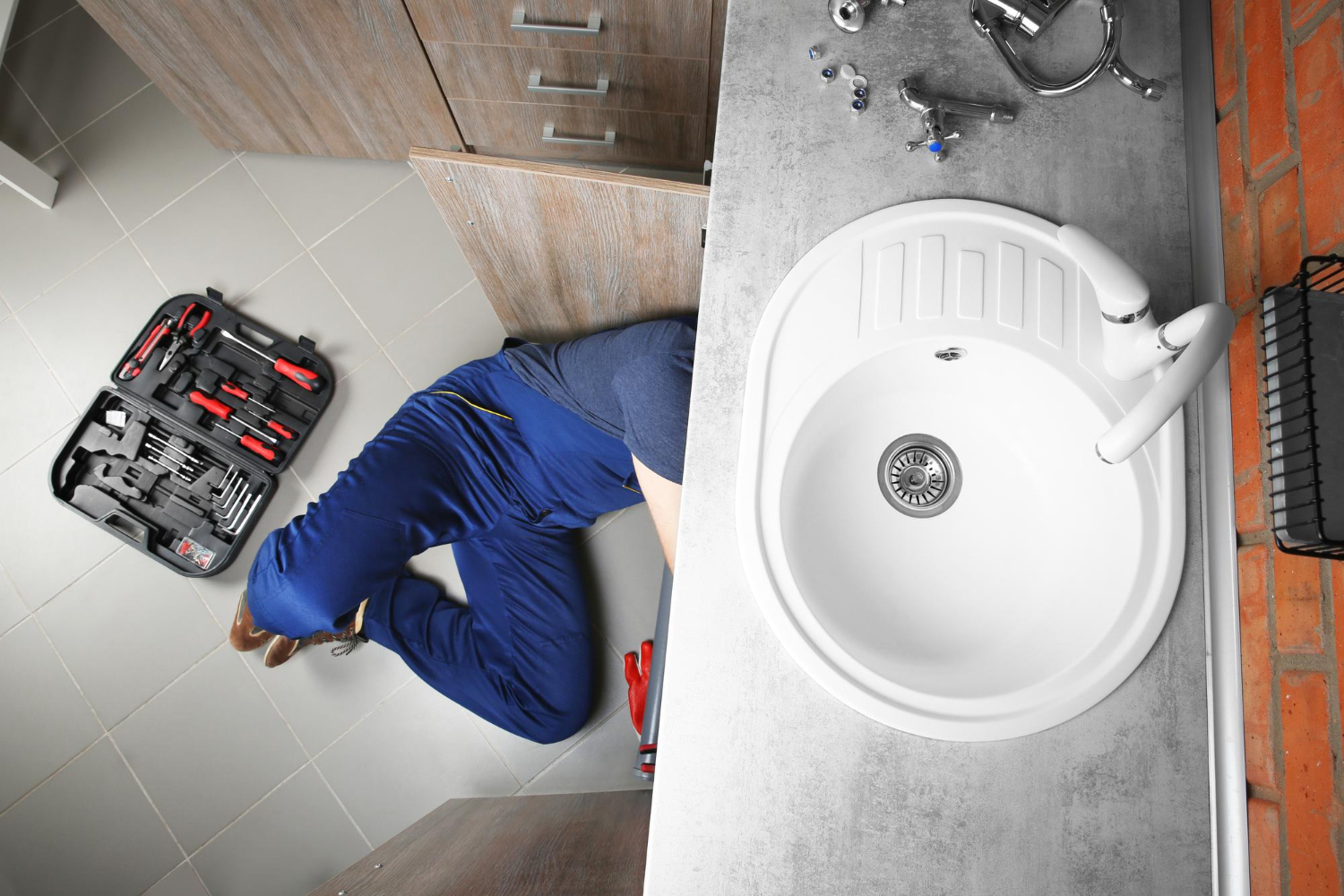


Residential drain cleaning Seacoast removes blockages from pipes using specialized tools and techniques that clear clogs more effectively than store-bought solutions.
Clogged drains are one of the most frustrating problems homeowners face. When water backs up in sinks, showers, or toilets, it disrupts daily routines and can lead to more serious plumbing issues if left untreated.
For residents along the Seacoast of Maine and New Hampshire, finding reliable drain cleaning services is essential to keeping homes running smoothly.
Understanding what causes drain problems, how professionals fix them, and when to call for help can save homeowners time and money. This guide covers everything from identifying warning signs to choosing the right service provider.
The difference between a quick fix and a long-term solution often comes down to using the right approach. In this article, you’ll learn how residential drain cleaning Seacoast solves clogs quickly, prevents backups, and protects your home’s plumbing.
Here’s what you need to know:
- What is residential drain cleaning?
- Signs your home drains need cleaning
- Common causes of residential drain clogs
- How residential drain cleaning is performed
- Benefits of professional residential drain cleaning
- DIY vs professional residential drain cleaning
- How to maintain your home drains after cleaning
- Why choose Seacoast Sewer and Drain for residential drain cleaning
Keep reading! You will learn about professional cleaning methods, maintenance tips to prevent future clogs, and how to decide between DIY attempts and calling in experts.
What is residential drain cleaning?
Residential drain cleaning removes blockages and buildup from pipes that carry wastewater away from homes. Professional services handle everything from minor clogs in sinks to major issues in main sewer lines.
Common residential drain services
Professional drain cleaners address several types of drain problems throughout a home. Kitchen drains often develop clogs from grease, food particles, and soap buildup that stick to pipe walls. Bathroom drains struggle with hair, soap scum, and toothpaste residue that create thick blockages over time.
Toilet clogs require specialized equipment because standard plungers cannot always break through obstructions. Floor drains in basements and laundry rooms collect dirt, lint, and debris that gradually restrict water flow. Main sewer line cleaning tackles tree roots, collapsed pipes, and accumulated waste that affect an entire home's drainage system.
Bathtub and shower drains frequently need attention due to hair and product buildup. Each type of drain requires different approaches based on the location and type of blockage.
Benefits of routine drain cleaning
Regular drain maintenance prevents emergency plumbing situations that cost more to fix. Scheduled cleanings remove buildup before it creates complete blockages that stop water flow entirely. Clean drains eliminate slow drainage problems that make sinks and showers frustrating to use.
The U.S. EPA notes that sanitary sewer overflows can contaminate waters, back up into homes, cause property damage, and threaten public health—underscoring the value of preventive drain maintenance.
Professional cleaning extends the lifespan of plumbing systems by reducing strain on pipes. It removes corrosive substances that eat away at pipe materials over years of exposure. Routine service also identifies potential problems like cracks or leaks before they cause water damage.
Preventive cleaning keeps homes healthier by removing bacteria and mold that grow in standing water. It eliminates foul odors that come from decomposing organic matter stuck in pipes.
Tools and techniques used by professionals
Drain snakes are flexible cables that reach deep into pipes to break apart or pull out clogs. Motorized versions called drain augers provide more power for stubborn blockages.
Hydro-jetting uses high-pressure water streams to blast away buildup and flush pipes completely clean. This method works well for grease accumulation and mineral deposits that resist other techniques.
Video camera inspections let technicians see inside pipes to locate problems accurately. The cameras identify the exact location and nature of blockages without guessing.
Tool
Best For
Method
Manual snake
Simple clogs
Physical removal
Hydro-jet
Grease and buildup
High-pressure water
Camera inspection
Diagnosis
Visual assessment
Professional plumbers choose tools based on the specific drain problem and pipe condition.
Signs your home drains need cleaning
Several warning signs indicate when drains need professional attention, from water pooling in fixtures to strange noises coming from pipes. Recognizing these issues early helps prevent expensive repairs and keeps plumbing systems working properly.
Slow draining sinks, tubs, or showers
Water that takes longer than usual to drain is one of the clearest signs of a developing blockage. When a sink, bathtub, or shower holds water for several minutes after use, debris has likely built up inside the pipes.
In bathroom drains, hair combines with soap residue and mineral deposits to form tough clogs. Kitchen sinks typically slow down from grease, food particles, and soap buildup coating the pipe walls. The problem starts small but worsens over time as more material sticks to existing deposits.
Homeowners often notice the issue gradually. A drain that once cleared in seconds might take a minute, then several minutes. Standing water in a shower or sink basin after regular use signals that home drain unclogging is necessary.
Multiple slow drains throughout a house suggest a deeper problem in the main line. A single slow fixture usually means a localized clog in that specific pipe.
Foul odors from drains
Unpleasant smells coming from drains indicate organic matter decomposing inside pipes. These odors often smell like sewage, rotten food, or mildew. The smell occurs when bacteria break down trapped debris such as food waste, grease, hair, and soap scum.
Kitchen drains develop odors from food particles and cooking oils stuck in pipes. Bathroom drains smell bad when hair and personal care products accumulate. The smell may be constant or appear only when running water.
A smell similar to rotten eggs suggests a more serious issue with the main sewer line or vent system. Regular cleaning removes the buildup causing these odors before they worsen.
Bad smells that return shortly after cleaning indicate the clog sits deeper in the system than expected. Professional drain cleaning reaches blockages that household solutions cannot address.
Frequent backups or clogs
Drains that clog repeatedly need professional cleaning even if temporary fixes seem to work. A toilet, sink, or shower that backs up weekly or monthly has an underlying blockage that standard plunging cannot remove.
When water or waste backs up into fixtures, it means the pipe cannot handle normal flow. Kitchen sinks might overflow when running the dishwasher. Toilets may bubble or overflow during showers. These signs point to shared drain lines with significant blockages.
Common causes of recurring backups:
- Tree roots infiltrating sewer lines
- Hardened grease deposits in kitchen pipes
- Accumulated hair and soap in bathroom drains
- Foreign objects lodged in pipes
- Aging pipes with rough interior surfaces
Home drain unclogging products provide temporary relief but fail to remove the entire blockage. Professional cleaning eliminates the root cause rather than just treating symptoms.
Gurgling or bubbling sounds in plumbing
Strange noises from drains indicate air trapped in the plumbing system. Gurgling sounds occur when water struggles to flow past a partial blockage, creating air bubbles. The trapped air seeks escape through the nearest drain or fixture.
These sounds often happen when using one fixture affects another. Running a washing machine might cause toilets to gurgle. Draining a bathtub could create bubbling sounds in the sink.
The noise results from negative pressure in the pipes. When a drain line gets blocked, water cannot flow smoothly and pulls air from other parts of the system. This creates the characteristic gurgling sound homeowners hear.
Gurgling paired with slow drainage indicates a significant clog forming. The blockage has not completely stopped flow yet but restricts it enough to cause air displacement. Addressing the problem at this stage prevents complete backups later.
Common causes of residential drain clogs
Residential drains in the Seacoast area typically clog due to a combination of everyday items and long-term pipe conditions. Hair and soap create sticky blockages in bathroom drains, while grease and food particles cause problems in kitchen sinks.
Hair, soap, and debris accumulation
Hair stands out as one of the leading causes of bathroom drain clogs. When hair falls down the drain during showers or while washing at the sink, it combines with soap residue to form thick clumps that stick to pipe walls. These clumps grow larger over time as more hair and debris get caught.
Soap scum builds up when traditional bar soaps mix with hard water minerals. This combination creates a waxy substance that coats pipes and traps other materials passing through. Body oils, dead skin cells, and toothpaste add to this sticky buildup.
Small debris like dental floss, cotton swabs, and cosmetic products also contribute to blockages. These items don't break down in water and can catch on existing buildup inside pipes. Regular use of drain strainers catches hair and larger debris before they enter the plumbing system.
Grease and food buildup in kitchen drains
Kitchen drains face unique challenges from cooking oils, fats, and food particles. Grease appears liquid when hot but solidifies as it cools inside pipes. This creates a coating that narrows the pipe opening and traps other materials.
According to the U.S. EPA, fats, oils, and grease (FOG) are a leading cause of sewer line blockages reported to utilities, making source control and routine cleaning essential to prevent clogs and backups.
Common grease sources include:
- Cooking oils and butter
- Meat fats and bacon grease
- Salad dressings and mayonnaise
- Dairy products like milk and cream
Food scraps that slip past the garbage disposal stick to grease deposits. Coffee grounds, eggshells, and starchy foods like rice and pasta expand in water and contribute to clogs. Even small amounts of grease poured down drains accumulate over weeks and months.
Hot water alone doesn't prevent grease clogs because the fat simply moves further down the pipe before solidifying. Proper disposal means putting grease in containers and throwing them in the trash.
Foreign objects accidentally flushed
Toilets and drains weren't designed to handle many items that accidentally get flushed or washed down. Children sometimes drop toys, toothbrushes, or small objects into toilets. These items can lodge in the trap or further down the sewer line.
Personal hygiene products cause serious blockages. Flushable wipes, despite their name, don't break down like toilet paper and often cause major clogs. Cotton balls, feminine hygiene products, and paper towels absorb water and expand, creating instant blockages.
Other common foreign objects include:
- Contact lenses
- Dental floss
- Medication and pills
- Small jewelry items
- Cigarette butts
These objects get stuck in pipe bends or catch on existing rough spots inside aging pipes. Professional drain cleaning often involves removing these items with specialized tools.
Aging pipes and mineral deposits
Older homes in the Seacoast region often have pipes that have deteriorated over decades of use. Metal pipes corrode and rust, creating rough interior surfaces where debris catches easily. Cast iron and galvanized steel pipes are particularly prone to this issue.
Mineral deposits form when hard water leaves behind calcium and magnesium buildup. These minerals accumulate on pipe walls and gradually narrow the opening. The buildup resembles white or gray scale and feels rough to the touch.
Per the U.S. Geological Survey (USGS), heating hard water precipitates calcium-carbonate scale that can constrict pipe diameter, reduce flow, and contribute to clogging.
Tree roots pose another problem for aging sewer lines. Small cracks or loose joints in underground pipes attract roots seeking water and nutrients. Roots enter through these openings and expand, eventually blocking the entire pipe.
Older pipe materials also become brittle and can collapse or separate at joints. This creates low spots where waste and debris collect, leading to frequent clogs in the same location.
How residential drain cleaning is performed
Professional drain cleaning follows a systematic process that starts with identifying the problem and ends with restoring proper water flow. Technicians use specialized equipment and proven methods to clear blockages safely while protecting the plumbing system.
Inspection and diagnosis of drain issues
A plumber begins by assessing the symptoms and determining where the clog is located. They ask questions about how the drain has been performing and when problems first appeared.
Visual inspection comes first. The plumber looks at visible drain openings and checks for standing water or slow drainage. They may run water through different fixtures to see how the system responds.
Many professionals use drain cameras during this stage. A small waterproof camera attached to a flexible cable travels through the pipes. This shows the exact location and nature of the blockage on a monitor.
The camera reveals whether the problem is grease buildup, tree roots, collapsed pipes, or foreign objects. This information helps the plumber choose the right cleaning method. Different clogs require different solutions.
Snaking, hydro-jetting, and camera inspection
Drain snaking works well for simple clogs near drain openings. A flexible metal cable rotates as it moves through the pipe. The cable breaks up or hooks onto the blockage so it can be pulled out.
Hydro-jetting handles tougher clogs and buildup. A specialized machine pumps water through a hose at very high pressure. The water pressure can reach thousands of pounds per square inch. This force scours the inside of pipes and flushes away grease, soap scum, and mineral deposits.
Camera inspection may happen before or after cleaning. Before cleaning, it identifies the problem. After cleaning, it confirms the drain is completely clear. The camera footage also reveals any pipe damage that needs attention.
Removing clogs without damaging pipes
Professional plumbers select tools and methods based on pipe material and condition. Older pipes need gentler treatment than newer PVC lines. Cast iron and clay pipes are more fragile than modern materials.
The plumber adjusts water pressure for hydro-jetting based on what the pipes can handle. Too much pressure damages weak spots or joints. Most residential systems handle the standard pressure levels safely.
When using a drain snake, technicians avoid forcing the cable. Pushing too hard can punch through weak pipe walls or create new problems. They work slowly and feel for resistance that indicates the cable has reached the clog.
Some situations require removing drain traps or accessing pipes through cleanout ports. This approach prevents stress on the plumbing system. It also makes the cleaning process faster and more effective.
Preventive maintenance tips after cleaning
Regular maintenance keeps drains flowing smoothly between professional cleanings. Simple habits prevent most common clogs from forming.
Kitchen drains stay clearer when grease never goes down the sink. Pour cooking oil into a container and throw it in the trash. Run hot water for 30 seconds after each use to flush away small amounts of food particles.
Bathroom drains benefit from hair catchers in showers and tubs. Clean these catchers weekly. Avoid washing hair clippings down the sink after trimming.
Flush drains monthly with hot water. Some homeowners use a mixture of baking soda and vinegar, though plain hot water works well too. Avoid chemical drain cleaners as they can damage pipes over time.
Schedule professional drain cleaning every 18 to 24 months as preventive care. This removes gradual buildup before it causes blockages. Properties with older plumbing or large trees nearby may need more frequent service.
Benefits of professional residential drain cleaning
Professional home drain cleaning offers clear advantages over temporary DIY fixes by addressing the root causes of plumbing problems and protecting the entire drainage system. These services provide lasting solutions that keep homes safe, clean, and free from costly plumbing emergencies.
Prevents recurring clogs and backups
Professional drain cleaners use specialized equipment to remove all buildup inside pipes, not just the visible blockage at the surface. High-pressure water jetting and motorized augers reach deep into the plumbing system to clear away grease, soap scum, hair, food particles, and mineral deposits that accumulate over time.
Store-bought chemical cleaners only dissolve part of a clog and can damage pipes with repeated use. They create a temporary opening but leave residue on pipe walls that attracts more debris. Professional cleaning removes this residue completely.
Plumbers also identify the actual cause of repeated clogs during their inspection. Tree roots, pipe damage, or improper slope in drain lines all require different solutions. They fix these underlying problems so clogs stop coming back.
Regular professional maintenance keeps drains flowing freely between visits. Most homes benefit from annual cleaning, though kitchens and bathrooms with heavy use may need service every six months.
Extends the lifespan of plumbing systems
Professional cleaning protects pipes from corrosion and damage that shortens their useful life. Buildup inside drains traps moisture against pipe walls, which speeds up rust in metal pipes and weakens joints in PVC systems.
Harsh chemical drain cleaners eat away at pipe materials with each application. The heat these chemicals produce can warp plastic pipes and corrode metal fittings. Professional methods clean thoroughly without these damaging effects.
Plumbers spot small cracks, leaks, and weak points during drain cleaning service. Early detection allows for simple repairs before minor issues turn into pipe failures that require expensive replacements. A small crack fixed today prevents a burst pipe tomorrow.
Clean pipes maintain proper water pressure and drainage speed throughout the system. When buildup narrows pipe diameter, the entire plumbing network works harder and wears out faster.
Reduces risk of water damage and odors
Clogged drains cause water to back up into sinks, tubs, and toilets, which can overflow onto floors and damage surrounding materials. Water that seeps into flooring, walls, and cabinets creates perfect conditions for mold growth. Professional cleaning prevents these backups before they happen.
Standing water in slow drains releases unpleasant smells into living spaces. Bacteria and organic matter trapped in pipes produce gases that drift up through drains. Complete removal of this debris eliminates the source of odors rather than masking them.
Hidden leaks from backed-up drains can damage structural elements behind walls and under floors. Homeowners often don't notice these leaks until significant damage has occurred. Regular drain cleaning catches drainage problems before they create hidden moisture issues.
Professional services also clean drain traps and vents that DIY methods can't reach. These components play important roles in preventing sewer gases from entering the home.
Ensures safe and hygienic home plumbing
Professional drain cleaning removes harmful bacteria, mold, and other contaminants that grow in dirty pipes. These organisms can contaminate water supplies and spread throughout the home. Thorough cleaning maintains sanitary conditions in the plumbing system.
Plumbers use safe, effective methods that don't expose families to toxic chemicals. Professional-grade equipment relies on mechanical action and water pressure rather than harsh substances. Homeowners avoid handling dangerous drain cleaners or breathing their fumes.
Clean drains prevent sewage backups that create serious health hazards. Raw sewage contains pathogens that cause illness if people come in contact with contaminated water or surfaces. Professional maintenance keeps wastewater flowing in the right direction.
Licensed plumbers follow safety codes and proper disposal procedures for waste removed from drains. They know how to handle contaminated materials without spreading bacteria or causing environmental problems.
DIY vs professional residential drain cleaning
Homeowners face important choices when dealing with clogged drains, from understanding the dangers of store-bought solutions to knowing when professional help becomes necessary. The right approach depends on the severity of the clog and the tools available.
Risks of chemical cleaners and improper tools
Chemical drain cleaners sold in stores contain harsh ingredients like lye, sulfuric acid, or bleach. These products can damage pipes, especially older plumbing made from metal or PVC. The chemicals create heat that may crack pipes or weaken joints over time.
Physical tools like wire hangers or cheap plastic snakes can scratch pipe interiors. These scratches create rough spots where debris collects more easily. This leads to faster clog formation in the future.
Common DIY risks include:
- Burns to skin and eyes from chemical splashes
- Toxic fumes that cause breathing problems
- Pipe corrosion that leads to leaks
- Pushing clogs deeper into the system
- Mixing chemicals that create dangerous reactions
Homeowners who use a plunger incorrectly can damage wax seals around toilets. Improper use of augers may puncture pipes or get stuck inside drain lines. These mistakes often cost more to fix than the original clog.
Ensuring complete and safe clog removal
DIY methods often clear visible blockages but leave buildup behind in pipes. A plunger might push water through, but grease, hair, and soap scum remain on pipe walls. This partial removal means clogs return within weeks or months.
Professional drain cleaners use cameras to inspect pipes before and after cleaning. They identify the exact location and type of blockage. This inspection shows whether roots, grease, or foreign objects cause the problem.
Licensed technicians remove entire blockages instead of just creating a small opening. They clean pipe walls thoroughly to prevent quick return of clogs. This complete removal extends the time between needed cleanings.
Professional equipment and expertise for lasting results
Professional drain cleaners use hydro-jetting equipment that shoots water at 3,000 to 4,000 PSI. This pressure removes years of buildup from pipe walls. The equipment includes different nozzles designed for specific types of clogs.
Motorized drain snakes extend up to 100 feet into sewer lines. These machines have interchangeable heads for cutting roots or breaking up solid blockages. Professionals know which tools work best for each situation.
Professional equipment advantages:
- Video inspection cameras that locate problems accurately
- Pipe locators that map underground drain lines
- Root-cutting attachments for tree intrusion
- Grease-removal systems for kitchen drains
Experienced technicians recognize signs of damaged pipes during cleaning. They spot cracks, corrosion, or misaligned sections before major failures occur. This early detection prevents emergency repairs and water damage to homes.
How to maintain your home drains after cleaning
Keeping drains clear after a professional cleaning requires consistent habits and attention to warning signs. Homeowners can extend the life of their plumbing system by following simple maintenance practices that prevent buildup and catch problems early.
Regular flushing with hot water
Hot water serves as one of the simplest yet most effective drain maintenance tools available to homeowners. Running hot water through drains for 30-60 seconds after each use helps dissolve and flush away soap residue, grease, and other substances before they harden inside pipes.
Kitchen sinks benefit most from this practice. Food particles and cooking oils wash away more easily when hot water follows them down the drain. The heat keeps fats liquid long enough to move through the entire plumbing system.
Bathroom drains also need regular hot water treatments. Soap scum and hair products build up quickly in shower and sink drains. A weekly flush with very hot water breaks down these accumulations before they form solid blockages.
For best results, homeowners should use the hottest water their tap provides. Boiling water works well for metal pipes but should be avoided with PVC plumbing, as extreme temperatures can damage plastic components.
Avoid pouring grease or debris down drains
Grease ranks as the leading cause of kitchen drain clogs in residential plumbing systems. When poured down drains, cooking oils and fats cool rapidly and solidify inside pipes, creating sticky surfaces that trap food particles and other debris.
Common items that should never enter drains:
- Cooking oil and grease from meat
- Coffee grounds and tea leaves
- Eggshells and vegetable peels
- Rice, pasta, and other expandable foods
- Flour and baking ingredients
Instead, homeowners should collect grease in containers and dispose of it with regular trash. Paper towels work well for wiping greasy pans before washing them. Food scraps belong in garbage bins or compost rather than garbage disposals.
Bathroom drains face different challenges. Hair, dental floss, and cotton products create tangles that trap soap and other materials. Installing drain strainers catches these items before they enter pipes.
Schedule periodic professional inspections
Professional plumbers identify potential problems before they become emergencies. Annual inspections allow trained technicians to examine pipes, check water pressure, and detect early signs of corrosion or damage.
Camera inspections provide detailed views inside drain lines. These tools reveal buildup, cracks, and root intrusions that homeowners cannot see from drain openings. Early detection saves money by addressing minor issues before they require extensive repairs.
Older homes benefit most from regular professional attention. Pipes installed decades ago may have materials or designs that require specialized knowledge. Professionals recommend maintenance schedules based on the home's specific plumbing configuration and age.
Most plumbing experts suggest professional drain cleaning every 18-24 months for typical households. Homes with large families, frequent cooking, or older plumbing systems may need more frequent service.
Monitor for early signs of clogs
Recognizing warning signs allows homeowners to address drainage issues before complete blockages occur. Slow drainage represents the most common early indicator that buildup has begun restricting water flow through pipes.
Key symptoms that indicate developing clogs:
- Water pooling around drain openings
- Gurgling sounds from pipes
- Unpleasant odors from drains
- Multiple fixtures draining slowly
- Water backing up in other fixtures
Unusual sounds often signal air trapped by partial blockages. When water cannot flow freely, it creates bubbles and gurgling noises as it moves past obstructions. These sounds warrant immediate attention.
Foul smells indicate organic matter decomposing inside pipes. Food particles, hair, and soap residue create breeding grounds for bacteria. Regular cleaning with baking soda and vinegar helps eliminate odors while breaking down minor buildup naturally.
Why choose Seacoast Sewer and Drain for residential drain cleaning
Seacoast Sewer and Drain brings together skilled technicians, modern equipment, and local expertise to handle all types of residential drain problems. Their focus on homes in the area means faster response times and solutions designed specifically for common household plumbing issues.
Experienced plumbing specialists
The team at Seacoast Sewer and Drain has worked on residential plumbing systems since 2013. Each technician knows how to identify the root cause of drain problems quickly, whether it's a simple clog or a more complex pipe issue.
They understand the differences between older and newer plumbing systems found in local homes. This knowledge helps them choose the right approach for each job without causing damage to pipes.
Their specialists handle everything from routine maintenance to emergency residential drain service. When a drain backs up at night or on weekends, they respond quickly to prevent water damage and restore normal function.
Residential expertise for kitchens, bathrooms, and more
Kitchen drains often get clogged with grease, food particles, and soap buildup. The company uses targeted methods to clear these blockages without harsh chemicals that could harm pipes or septic systems.
Bathroom drains face different challenges like hair, soap scum, and hygiene products. Their technicians know which tools work best for each type of bathroom fixture, from shower drains to toilet lines.
They also service laundry room drains, basement floor drains, and outdoor drainage systems. Each area of a home requires different techniques based on the type of waste that flows through it.
Advanced drain cleaning equipment
The company uses high-pressure water jetting to blast away stubborn clogs and buildup inside pipes. This method cleans pipe walls thoroughly without using harsh chemicals or causing pipe damage.
Video camera inspections let technicians see exactly what's happening inside drain lines. They can spot cracks, tree roots, or collapsed sections that might need repair beyond basic cleaning.
Power snaking equipment handles tough clogs that water pressure alone can't clear. The combination of these tools means they can solve most drain problems in a single visit.
Fast, reliable service with local knowledge
Being located in the Seacoast area means shorter travel times when homeowners need help. The team knows the common plumbing issues that affect homes in York County and surrounding communities.
They offer competitive pricing on all services, from basic drain cleaning to camera inspections. Homeowners receive clear explanations of what work needs to be done before any service begins.
Their preventative maintenance programs help catch small problems before they turn into costly repairs. Regular inspections and cleaning keep drains flowing smoothly year-round.
Conclusion
Professional drain cleaning keeps homes running smoothly. Regular maintenance prevents clogs before they become expensive emergencies.
Seacoast residents deal with unique plumbing challenges. Older homes and coastal conditions can lead to more frequent drain problems. Working with local professionals who understand these issues makes a big difference.
Most homeowners should schedule drain cleaning every 18 to 24 months. Homes with frequent clogs or older pipes may need service more often. Commercial properties typically require more frequent attention due to higher usage.
The investment in professional service pays off through fewer emergencies and lower long-term costs. A systematic approach to drain care includes inspection, cleaning, and prevention strategies tailored to each property.
Local drain cleaning companies in the Seacoast area offer both scheduled maintenance and emergency services. They use tools like high-pressure water jetting and video cameras to clear drains thoroughly. These methods work better than chemical cleaners and protect pipes from damage.
Taking action now prevents bigger problems later. Clean drains mean better water flow, reduced odors, and peace of mind for property owners.
Schedule professional residential drain cleaning in the Seacoast area today to restore full flow, prevent backups, and protect your home’s plumbing system.
Recent Blog Post
Customer Reviews