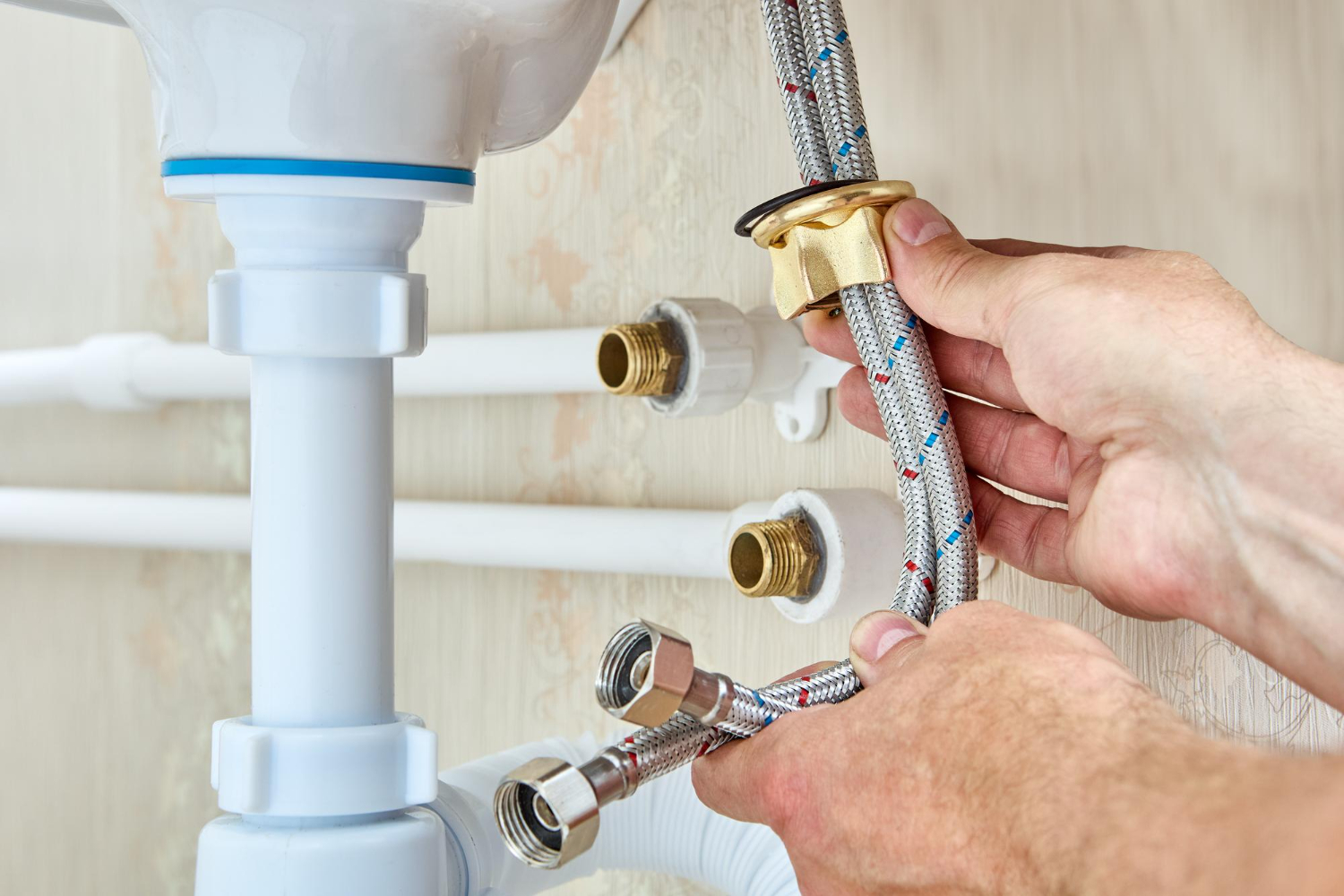


Professional pipe repair services fix leaks, bursts, and damaged sections quickly using specialized tools and materials that prevent future problems.
Pipes are the hidden backbone of your home's plumbing system. When they break, leak, or freeze, you face water damage, low pressure, and costly repairs if you wait too long.
Licensed plumbers can find hidden leaks behind walls or under floors, repair the damaged areas, and restore your plumbing without tearing apart your entire home. Many companies offer 24/7 emergency service because pipe problems don't wait for convenient times.
Understanding when you need pipe repair, what causes damage, and how professionals handle these issues helps you make smart decisions about your plumbing.
In this article, you’ll learn how to identify when you need a pipe repair service and what professional repair typically involves.
Here’s what you’ll find below:
- What is a pipe repair service?
- Signs you need professional pipe repair
- Common causes of pipe damage
- How professional pipe repair works
- Benefits of hiring Seacoast Sewer & Drain for pipe repair
- Preventative tips to reduce future pipe damage
Keep reading! Catching problems early saves you money and protects your home from serious water damage.
What is a pipe repair service?
A pipe repair service fixes damaged plumbing systems in homes and businesses to restore proper water flow and prevent property damage. These services handle everything from small leaks to major pipe failures using specialized tools and techniques.
Repairing broken, leaking, or corroded pipes
Pipe repair services address various types of damage that can occur in your plumbing system. Leaks might start small but can quickly worsen if left untreated. Broken pipes often result from freezing temperatures, high water pressure, or aging materials.
Corrosion happens gradually over time, especially in older metal pipes. This weakening of the pipe walls eventually leads to holes or complete failure. Professional plumbers assess the damage type and choose the right repair method.
Common repairs include:
- Patching small holes with epoxy compounds
- Replacing damaged sections of pipe
- Sealing joint connections that have come loose
- Fixing cracks with pipe clamps or wraps
The repair approach depends on factors like pipe material, location, and extent of damage. Some pipes need complete replacement while others can be patched or lined.
Serving residential and commercial plumbing systems
Both homes and businesses rely on functioning plumbing infrastructure. Residential pipe service handles kitchen sinks, bathroom fixtures, water heaters, and main water lines. Your home's plumbing typically uses smaller diameter pipes with lower water pressure demands.
Commercial pipe repair deals with larger, more complex systems. Office buildings, restaurants, and industrial facilities need heavy-duty plumbing that handles higher volumes. These systems often include specialized equipment like grease traps, backflow preventers, and commercial-grade fixtures.
Service providers work on various pipe materials including copper, PVC, galvanized steel, and PEX. Each material requires specific knowledge and tools for proper repair. Commercial jobs may also involve coordination with building managers to minimize business disruption.
Using modern tools to minimize property disruption
Today's plumbing pipe repair methods cause far less damage than older techniques. Video camera inspections let plumbers see inside pipes without digging or cutting into walls. This technology pinpoints exact problem locations and identifies issues before they become emergencies.
Trenchless repair methods fix underground pipes without excavating your entire yard. Pipe lining creates a new pipe inside the old one using epoxy resin. Pipe bursting breaks the damaged pipe while simultaneously pulling new pipe into place.
Traditional repairs still work best in some situations. Plumbers evaluate each job individually to determine the least invasive approach. Modern equipment like electronic leak detectors and thermal imaging cameras speed up diagnosis and reduce guesswork.
Preventing water damage and costly repairs
Quick pipe leak repair stops minor problems from becoming major disasters. A small leak can release gallons of water per day, leading to mold growth and structural damage. Water seeping into walls, floors, or foundations weakens building materials and creates health hazards.
Early intervention saves money compared to dealing with extensive damage later. Professional repairs ensure problems are fixed correctly the first time. Poor DIY attempts often make situations worse and end up costing more to fix properly.
Regular maintenance catches developing issues before pipes fail completely. Plumbers can spot warning signs like corrosion, loose connections, or excessive wear during routine inspections.
Ensuring safe, reliable water supply
Your plumbing system delivers clean water for drinking, cooking, and hygiene. Damaged pipes can introduce contaminants into your water supply through cracks or breaks. Proper repairs maintain the integrity of your water delivery system.
Reliable plumbing also maintains consistent water pressure throughout your property. Low pressure makes daily tasks difficult while excessive pressure stresses pipes and fixtures. Professional pipe repair restores proper flow and pressure levels.
Licensed plumbers follow building codes and safety standards during all repairs. This compliance protects your health and ensures your plumbing system functions as designed. Quality repairs extend the life of your plumbing infrastructure and reduce future problems.
Signs you need professional pipe repair
Recognizing pipe problems early can prevent water damage, mold growth, and costly emergency repairs. Specific symptoms like visible water pooling, pressure changes, and unusual odors indicate your plumbing system needs immediate attention.
Visible leaks or puddles around your home or business
Water pooling on floors, ceilings, or around pipe fixtures signals active leaks that require immediate repair. You might notice damp spots on walls, water stains on ceilings, or puddles forming under sinks and around toilets.
Even small drips can waste significant amounts of water. A single leak can account for 14% of your total water usage, which translates to roughly 14 to 35 gallons daily for an average household.
According to the U.S. EPA WaterSense program, the average household’s leaks can waste nearly 10,000 gallons of water per year (and about 10% of homes have leaks wasting 90+ gallons per day), which is why fast pipe leak repair matters.
Check under cabinets, around water heaters, and near washing machine connections regularly. Wet drywall, peeling paint, or warped flooring near plumbing fixtures indicates hidden leaks behind walls or under floors.
Don't ignore condensation or moisture around pipes. While some condensation is normal in humid conditions, persistent wetness combined with rust or mineral deposits means your pipes are leaking and need professional repair.
Low water pressure or inconsistent flow
Sudden drops in water pressure throughout your property indicate pipe blockages, leaks, or corrosion inside your plumbing system. You'll notice weak flow from faucets, showers that barely spray, or toilets that take longer to refill after flushing.
If only one fixture has low pressure, the problem likely involves that specific faucet or showerhead. When multiple fixtures experience reduced pressure simultaneously, your main pipes have developed problems like mineral buildup, corrosion, or hidden leaks.
Inconsistent water flow—where pressure fluctuates between strong and weak—points to partial blockages or damaged pipe sections. Corroded pipes develop rough interior surfaces that restrict water movement and reduce pressure throughout your system.
Pay attention to pressure changes when multiple fixtures run at once. While some pressure drop is normal, dramatic decreases suggest your pipes can't handle standard demand due to damage or blockages.
Water discoloration or foul odors
Brown, yellow, or rust-colored water from your taps indicates corroded pipes that are breaking down internally. The discoloration comes from rust particles and mineral deposits flaking off deteriorating pipe walls.
Run your cold water for several minutes. If the discoloration clears, the problem might be in your water heater. If it persists, your supply pipes are corroding and need replacement or repair.
Foul odors from drains or tap water signal bacterial growth in damaged pipes or sewage backing up through cracked lines. A rotten egg smell suggests sulfur bacteria in your water heater or supply pipes. Sewage odors indicate broken drain or sewer pipes that allow gases to escape.
Metallic tastes in your water accompany pipe corrosion and mean you're ingesting dissolved metals from deteriorating pipes. This affects both water quality and your health, requiring immediate professional assessment.
Cracks or bulges in exposed pipes
Visible cracks, even hairline fractures, in exposed pipes will worsen over time and eventually burst. Inspect accessible pipes in basements, crawl spaces, and under sinks for any signs of splitting or cracking.
Bulges or bumps in pipes indicate internal pressure problems or freezing damage. These weak spots form when water pressure builds up against damaged pipe sections or when frozen water expands inside pipes. A bulging pipe will fail soon, often catastrophically.
According to the U.S. EPA, water expands by about 9% when it freezes, and that volume increase can create enough internal pressure to crack or burst plumbing lines during freezing weather.
Look for flaking, rust spots, or white mineral deposits on pipe surfaces. These signs show external corrosion that mirrors internal deterioration you can't see.
Copper pipes develop green or blue corrosion spots. Steel and iron pipes show orange or brown rust. Any visible corrosion means the pipe wall is thinning and weakening from both sides.
Sudden increase in water bills
Unexplained spikes in your water bill often reveal hidden leaks wasting water continuously. Compare your current usage to previous months with similar weather and occupancy.
A 12-15% increase or higher without changes in your water use patterns suggests significant leaks. Underground leaks, slab leaks beneath foundations, and hidden pipe damage behind walls waste thousands of gallons monthly.
Track your water meter before bed and check it again in the morning without using any water. If the meter reading changed overnight, you have leaks somewhere in your system that need professional detection and repair.
Small leaks compound over time. A leak dripping once per second wastes over 3,000 gallons annually, while larger leaks can waste tens of thousands of gallons before you notice the damage.
Common causes of pipe damage
Pipes fail for specific reasons that range from natural wear over decades to sudden environmental stress. Metal pipes corrode from constant water exposure, ground shifts crack rigid materials, invasive tree roots penetrate joints seeking moisture, temperature swings cause expansion and contraction, and cheap materials or rushed work create weak points from day one.
Aging or corroded pipes
Metal pipes naturally break down after years of transporting water and chemicals. Galvanized steel and iron pipes corrode from the inside out as minerals in water react with the metal surface. This process creates rust that weakens pipe walls and narrows the opening, reducing water pressure.
The corrosion happens faster in areas with acidic or hard water. Small pinholes appear first, then grow into larger leaks as the metal continues to deteriorate.
Copper pipes also corrode, though more slowly than steel. They develop green or blue stains where the metal oxidizes. PVC and other plastic pipes don't rust, but they become brittle with age and crack under pressure.
Most metal pipes last 50 to 70 years before needing replacement. If your home was built before 1980 and still has original plumbing, you likely face corrosion issues.
Ground movement or soil shifting
The earth beneath your pipes never stops moving. Soil expands when wet and contracts when dry, creating pressure that shifts pipes out of alignment. Clay soil causes the most movement because it swells significantly with moisture.
Earthquakes, sinkholes, and settling foundations put immediate stress on rigid pipe materials. Even minor ground shifts bend pipes at their joints, the weakest connection points. These movements create gaps where water escapes or cracks that grow larger over time.
Construction work near your property disturbs soil and can damage buried pipes. Heavy vehicles driving over shallow pipes compact the ground and crush older materials.
Hillside properties face extra risk because gravity pulls soil downward, dragging pipes along with it. Proper bedding and flexible pipe materials reduce damage from ground movement, but older installations often lack these protections.
Tree root intrusion
Tree roots grow toward water sources, and your pipes provide exactly what they need. Roots detect moisture vapor escaping from tiny cracks or loose pipe joints. Once they find an opening, they push inside and expand as they grow.
The roots act like wedges that widen existing cracks and separate pipe sections. Inside the pipe, they form dense mats that block water flow and catch debris, creating complete blockages.
Clay and concrete pipes with rigid joints are most vulnerable because roots easily penetrate the connection points. PVC pipes resist roots better but still crack when large roots press against them from outside.
Trees that commonly damage pipes:
- Willows
- Maples
- Poplars
- Oak trees
- Birch trees
You'll notice slow drains, gurgling sounds, or sewage backups when roots infiltrate your pipes. The problem gets worse each year as roots thicken and spread.
Freezing and thawing cycles
Water expands by about 9% when it freezes into ice. This expansion creates enormous pressure inside pipes that splits metal and cracks plastic. Pipes burst most often where water sits still, like outdoor faucets, sprinkler lines, and unheated crawl spaces.
The freeze doesn't always cause immediate failure. Ice forms, expands the pipe slightly, then melts. Repeated cycles weaken the material until it finally breaks, sometimes weeks after a cold snap ends.
Pipes in exterior walls, uninsulated attics, and attached garages face the highest risk. Even a small gap in insulation lets cold air reach pipes during extended freezes.
Temperature swings between day and night cause pipes to expand and contract repeatedly. Metal pipes handle this movement better than rigid plastic, but both materials fatigue over time. The joints and bends experience the most stress because they can't flex as freely as straight sections.
Poor installation or substandard pipe materials
Mistakes during installation create problems that appear months or years later. Pipes need proper support every few feet to prevent sagging. Without adequate hangers or brackets, pipes bend under their own weight and the weight of water inside them.
Incorrect pipe sizing causes pressure issues that stress connections. Pipes joined with incompatible materials corrode faster at those points. Overtightened fittings crack, while loose connections leak immediately or work free over time.
Common installation errors:
- Wrong pipe slope for drainage
- Missing expansion joints
- Improper soldering or gluing
- Inadequate pipe depth below ground
- No protection through foundation walls
Cheap pipe materials save money initially but fail sooner. Thin-walled pipes lack strength. Low-grade plastics become brittle in sunlight or cold. Counterfeit fittings don't meet safety standards and break under normal pressure.
Rushed work by unqualified installers skips important steps. They might not clean pipes before joining them, apply enough primer, or wait for adhesives to cure properly. These shortcuts create weak spots that fail when you least expect it.
How professional pipe repair works
Professional pipe repair follows a structured process that includes finding the problem, fixing it, and making sure everything works correctly. Technicians use specific tools and methods at each stage to restore your plumbing system.
Inspection and diagnosis of damaged pipes
The first step involves a thorough inspection of your plumbing system to identify all issues. A technician will examine visible pipes and may use special cameras to look inside pipes you can't see.
These small cameras can travel through your pipes and send back video footage. This helps find cracks, blockages, corrosion, and other damage without tearing apart your walls or floors.
The technician will check water pressure and look for signs of problems like water stains, mold, or weak spots. They'll also ask you questions about when you noticed issues and what symptoms you've seen. This complete inspection helps them understand the full extent of the damage and plan the best repair approach.
Locating the source of leaks or breaks
After the initial inspection, the technician pinpoints exactly where problems exist in your system. This step is critical because fixing the wrong spot wastes time and money.
Professionals use several methods to find leak sources. Electronic listening devices can detect the sound of water escaping from pipes. Thermal imaging cameras show temperature differences that indicate where water is leaking. For underground pipes, they might use pressure testing or tracer gas detection.
The technician will mark problem areas and measure their location. They'll determine if you have one leak or multiple issues that need attention. This careful location work ensures they access the right areas and minimize unnecessary damage to your property.
Repairing or replacing damaged sections
Once the technician knows exactly what needs fixing, they begin the actual repair work. The method they use depends on the type of damage, pipe material, and location.
For small leaks or cracks, they might use epoxy lining, pipe wraps, or clamps. These fixes work well for minor damage and don't require removing the pipe.
When damage is severe, broken pipe replacement becomes necessary. The technician will cut out the damaged section and install a new pipe segment. They'll use proper welding, soldering, or bonding techniques based on your pipe material. For copper pipes, they solder joints. For PVC pipes, they use special cement.
The technician ensures new sections align correctly with existing pipes. They'll also make sure all connections are sealed properly to prevent future leaks. Some repairs use trenchless methods that fix pipes from the inside without digging.
Testing the system for leaks and proper flow
After completing repairs, the technician must verify everything works correctly. They can't just assume the repair succeeded without checking it thoroughly.
They'll turn your water back on and pressurize the system. Then they'll watch for any signs of leaks at repair points and connections. The technician will check water flow at different fixtures to ensure proper pressure throughout your home.
For drain and sewer repairs, they may run water through the system or use cameras again to confirm the repair is solid. This testing phase catches any issues before the technician leaves. If they find problems during testing, they'll make adjustments until everything works properly.
Providing recommendations for future maintenance
Before finishing the job, your technician will share information about keeping your pipes in good condition. This guidance helps you avoid future problems and extend the life of your plumbing.
They'll point out any areas that might need attention soon, even if they don't require immediate repair. You'll learn about warning signs to watch for that indicate new problems developing.
The technician will suggest a maintenance schedule based on your pipe age, material, and condition. This might include annual inspections, water pressure checks, or drain cleaning. They'll also explain what you can do yourself, like avoiding pouring grease down drains or knowing where your shut-off valves are located. These recommendations give you a plan to protect your plumbing investment.
Benefits of hiring Seacoast Sewer & Drain for pipe repair
Seacoast Sewer & Drain brings specialized expertise and modern equipment to every pipe repair job in York County, Maine. Their team uses advanced methods that protect your property while fixing problems quickly and correctly.
Fast, reliable service to prevent water damage
When you have a pipe problem, quick action stops small issues from becoming major disasters. Seacoast Sewer & Drain responds promptly to repair requests and arrives with the right tools to diagnose and fix your pipes efficiently.
Water damage spreads fast through walls, floors, and foundations. A broken pipe can ruin your belongings and create dangerous mold growth in just 24 to 48 hours. Fast repairs save you from expensive restoration work later.
Per the CDC, mold can grow in homes and buildings if materials are not dried out within 24–48 hours after water intrusion, making rapid leak control and drying a priority after a pipe failure.
The company uses video camera inspections to find problems without tearing up your property. This technology lets them see exactly what's wrong inside your pipes and fix it the first time. You get accurate repairs without guesswork or unnecessary digging.
Licensed and experienced plumbing professionals
Seacoast Sewer & Drain employs licensed plumbers who understand local codes and regulations. These professionals have seen hundreds of pipe problems and know how to handle everything from minor leaks to complete system failures.
Licensed plumbers carry insurance that protects you if something goes wrong during repairs. They also guarantee their work meets safety standards. When you hire unlicensed workers, you take on legal and financial risks that could cost you thousands of dollars.
The team's experience means they spot warning signs other people miss. They can tell you if other parts of your system need attention before they fail. This knowledge helps you avoid emergency repairs down the road.
Safe and efficient repairs using modern techniques
Seacoast Sewer & Drain uses high-pressure water jetting to clear blockages without harsh chemicals that damage pipes. This method cleans your lines thoroughly and safely. Power snaking removes stubborn clogs that regular tools can't reach.
Modern repair techniques often fix pipes without extensive excavation. The company can:
- Locate pipes underground using electronic detection equipment
- Repair sections of pipe without digging up your entire yard
- Replace damaged areas using durable materials built to last
These methods protect your landscaping and reduce the time your plumbing stays out of service. You get back to normal life faster with less mess to clean up afterward.
Minimizes long-term maintenance costs
Regular maintenance from Seacoast Sewer & Drain catches problems while they're still small and cheap to fix. Their preventative maintenance programs include inspections that find weak spots before they break.
A single emergency pipe repair often costs three to five times more than scheduled maintenance. Emergency calls happen at inconvenient times and may require overtime rates. Planned service happens when it works for your schedule and budget.
The company's video inspections show you the actual condition of your pipes. You can see cracks, corrosion, and buildup that will cause future problems. This information helps you plan repairs when you're ready instead of scrambling during a crisis.
Professional repairs last longer than quick fixes. Quality materials and proper installation mean you won't need the same repair done again in six months. You save money by avoiding repeat service calls for the same issue.
Advice on pipe care and preventative measures
Seacoast Sewer & Drain gives you specific guidance based on your actual system. They explain what you should and shouldn't put down your drains. They also tell you which pipes are most likely to fail based on their age and condition.
You'll learn warning signs that mean you need professional help. These include slow drains, gurgling sounds, and water pressure changes. Catching these early prevents bigger problems.
The team recommends maintenance schedules tailored to your property. Older homes need different care than new construction. They consider your water quality, pipe materials, and usage patterns when making recommendations. This personalized advice keeps your system running well between service visits.
Preventative tips to reduce future pipe damage
Taking steps to protect your pipes now can save you from expensive repairs and water damage later. Simple actions like scheduling regular inspections, controlling water pressure, and protecting pipes from freezing can keep your plumbing system working properly for years.
Regular plumbing inspections and maintenance
Schedule professional plumbing inspections at least once a year to catch small problems before they become major issues. A trained plumber can spot early signs of corrosion, weak joints, and mineral buildup that you might miss.
During these inspections, ask your plumber to check water heater connections, shut-off valves, and exposed pipes in basements or crawl spaces. They can also test water pressure and look for hidden leaks using special detection tools.
Between professional visits, you should check visible pipes for moisture, rust spots, or discoloration. Clean drain stoppers monthly and flush your water heater twice a year to remove sediment buildup. These simple maintenance tasks help pipes last longer and work better.
Monitor water pressure and detect leaks early
High water pressure puts extra stress on your pipes and can cause them to fail faster. Install a pressure gauge on an outdoor spigot to check your home's water pressure, which should stay between 40 and 60 psi.
If your pressure exceeds 80 psi, install a pressure regulator to protect your pipes. You can find these devices at hardware stores, or hire a plumber to install one on your main water line.
Watch your water bill for unexpected increases that might signal a hidden leak. Check your water meter before bed, then again in the morning without using any water. If the meter reading changes, you likely have a leak somewhere in your system.
Look for these common leak warning signs:
- Damp spots on walls or ceilings
- Mold or mildew smell
- Sound of running water when fixtures are off
- Wet patches in your yard
Avoid planting trees too close to water lines
Tree roots naturally grow toward water sources and can wrap around or break through underground pipes. Plant large trees at least 10 feet away from water lines, sewer lines, and septic systems.
Some trees have more aggressive root systems than others. Willow, poplar, maple, and elm trees should be planted even farther from your plumbing. Choose smaller trees or shrubs with less invasive roots for areas near your water lines.
If you already have large trees near your pipes, consider installing root barriers or scheduling regular root treatments. A plumber can also inspect your sewer line with a camera to check for root intrusion before it causes a backup.
Upgrade old or corroded pipes proactively
Pipes don't last forever, and older materials break down over time. Galvanized steel pipes typically last 20 to 50 years, while copper pipes can last up to 70 years. If your home has original plumbing from decades ago, plan for replacement before pipes fail.
Look for signs that your pipes need upgrading:
- Discolored or rust-colored water
- Frequent leaks or repairs
- Low water pressure throughout the house
- Visible corrosion or flaking on exposed pipes
Modern materials like PEX and CPVC resist corrosion better than older options. Replacing outdated pipes prevents sudden breaks and improves water quality. Work with a licensed plumber to create a replacement plan that fits your budget and addresses the most critical sections first.
Protect pipes from freezing temperatures
Frozen pipes can burst and cause thousands of dollars in water damage. Insulate pipes in unheated areas like basements, attics, garages, and crawl spaces using foam pipe sleeves or heat tape.
When temperatures drop below freezing, let faucets drip slightly to keep water moving through the pipes. Open cabinet doors under sinks to allow warm air to reach pipes against exterior walls.
Disconnect and drain outdoor hoses before winter arrives. Shut off water to outdoor faucets and drain the lines to prevent freezing. If you plan to leave your home during cold weather, keep the heat set to at least 55 degrees and ask someone to check your property regularly.
Conclusion
Professional pipe repair services offer real solutions for damaged plumbing systems in your home. You gain access to trained technicians who can accurately diagnose problems and fix them correctly the first time.
Modern repair methods give you options that fit your specific situation. Trenchless techniques like CIPP lining and pipe bursting can fix pipes without digging up your yard. Traditional excavation methods work better for certain types of damage.
The cost of professional repairs pays off when you consider the alternative. Ignoring pipe problems or attempting repairs without proper knowledge often leads to bigger expenses later. Water damage from failed repairs can cost thousands of dollars.
Your choice between repair and replacement depends on several factors. The age of your pipes, the extent of damage, and the material they're made from all matter. A professional assessment helps you make the right decision for your budget and your home's needs.
Taking action when you notice warning signs protects your property. Wet spots, low water pressure, or unusual sounds signal that your pipes need attention. Professional pipe repair services give you peace of mind that your plumbing system works properly and safely.
Schedule your pipe repair service with Seacoast Sewer & Drain today to pinpoint the leak or damaged section and restore safe, reliable water flow fast.
Recent Blog Post
Customer Reviews