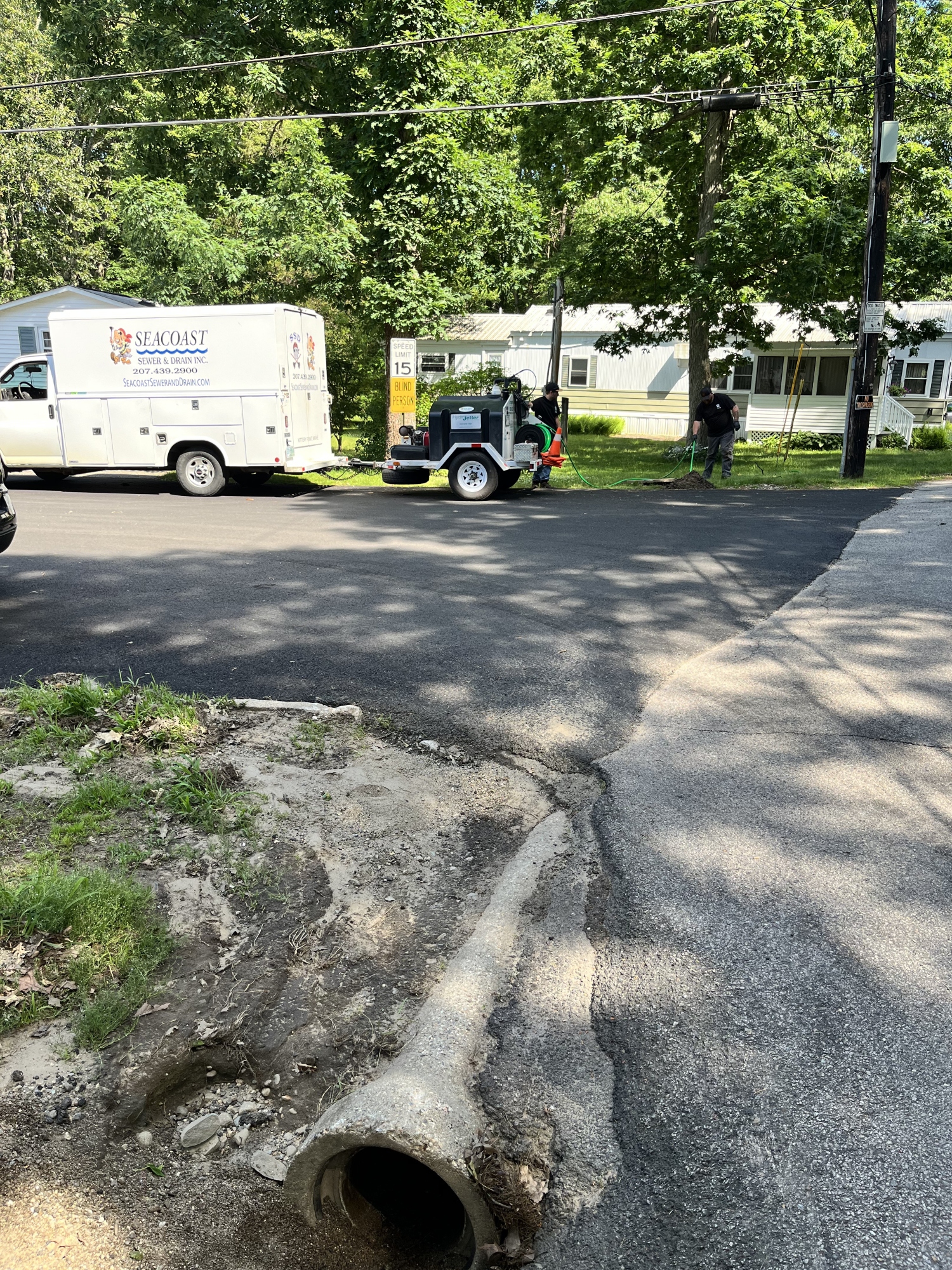


Puddles in your grass after every rainstorm aren't just annoying. They can damage your lawn, kill your plants, and even cause water to leak into your basement. When water doesn't drain properly from your yard, it creates problems that get worse over time.
Yard drainage problems happen when water can't flow away from your property the way it should, leading to standing water, soggy soil, and potential damage to your home's foundation. Most drainage issues come from poor soil grading, compacted dirt, or gutters that dump water in the wrong spots. The good news is that you can fix most of these problems once you know what's causing them.
This guide will help you spot the signs of poor drainage in your yard. You'll learn what causes these issues and how they can hurt your property. We'll also cover proven solutions you can use to keep your yard dry, from simple fixes you can do yourself to bigger projects that might need a professional.
In this guide, you'll find:
- Common causes of yard drainage problems
- Warning signs of poor yard drainage
- How drainage issues can affect your property
- Effective solutions for yard drainage problems
- When to call a professional drainage service
Keep reading to understand what's driving the standing water on your property, how serious the consequences can be, and which solutions will actually fix the problem for good.
Common causes of yard drainage problems
Water doesn't drain properly when your soil can't absorb it, your yard slopes toward your house, or your drainage systems get clogged. These issues work alone or together to create standing water and soggy areas across your property.
Soil composition and poor absorption issues
Clay-heavy soil causes major drainage problems because it holds water instead of letting it pass through. When your yard contains too much clay, water sits on the surface after rain and creates muddy spots that last for days.
Sandy soil drains too quickly and doesn't hold enough moisture for plants. Loam, which mixes sand, silt, and clay, provides the best balance for healthy drainage. You can test your soil type by digging a hole about 12 inches deep and filling it with water.
Compacted soil blocks water from soaking in, even if the soil type would normally drain well. According to the University of Florida's Institute of Food and Agricultural Sciences, urban soils are often compacted by heavy construction equipment and increased foot and vehicle traffic, which causes soil particles to pack tightly together and dramatically reduces the soil's ability to absorb rainwater. This creates a hard layer that forces water to run off instead of infiltrating the ground, and it's one of the most correctable causes of chronic yard flooding.
Improper grading around the property
Your yard should slope away from your home at a rate of 2-3% or about 2-3 inches per 10 feet. When the ground slopes toward your house instead, water flows directly to your foundation and creates pooling against exterior walls.
Flat areas in your yard create natural collection points where water gathers. Low spots develop from settling soil, buried debris, or poor initial grading during construction. These depressions fill up during rain and stay wet long after surrounding areas dry out.
Grading problems also happen when soil settles unevenly around your property over time. Previous landscaping work, tree removal, or erosion can change the original slope and redirect water flow to problem areas. When grading issues send water toward your sewer cleanout or lateral line, the resulting soil saturation can also contribute to sewer backup problems that originate entirely above ground.
Blocked or failing drainage systems
Gutters filled with leaves, twigs, and debris overflow during rain and dump water right next to your foundation. Downspouts that point toward your house or end too close to the building send thousands of gallons directly into problem zones.
Underground drainage pipes crack, collapse, or fill with roots and sediment over time. French drains stop working when the surrounding gravel fills with soil or the perforated pipes get clogged. These systems need regular inspection and maintenance to keep working properly.
Storm drains and catch basins collect leaves and trash that block water flow. When these systems back up, water has nowhere to go and floods your yard instead.
Warning signs of poor yard drainage
Poor drainage reveals itself through visible water problems that worsen over time. These signs often appear after rain and can lead to serious damage if left unaddressed.
Standing water after rainstorms
Water that remains in your yard 24 hours after rain indicates a drainage problem. Healthy soil absorbs most rainfall within a few hours, but areas with poor drainage create puddles that stick around for days.
These pools of standing water typically form in low spots or areas where soil has become compacted. Clay-heavy soil makes the problem worse because water cannot penetrate the dense surface.
Standing water kills grass and plants by drowning their roots. It also creates breeding grounds for mosquitoes and other pests. If you notice the same spots flooding repeatedly, your yard needs better drainage. Persistent saturation near your home can also put pressure on underground pipes, which is why water line leak detection is sometimes warranted when wet spots appear in the same location after every storm.
Soggy or muddy lawn areas
Sections of your lawn that feel spongy or wet to walk on signal drainage issues. These soggy patches appear even when it hasn't rained recently.
Your grass may turn yellow or die in these areas because roots cannot get enough oxygen. The soil stays saturated, creating conditions where healthy turf cannot survive. You might also notice mushrooms or moss growing in these spots, which thrive in constantly damp environments.
Muddy areas track into your home and make yard maintenance difficult. They prevent you from using certain parts of your lawn for activities or gardening.
Water pooling near foundations or walkways
Water collecting next to your home's foundation creates the most serious drainage concern. This pooling can lead to basement flooding, foundation cracks, and structural damage over time.
Check for water stains on your foundation walls or wet spots in your basement after heavy rain. These signs mean water is not flowing away from your house as it should.
Puddles around sidewalks, driveways, and patios also indicate grading problems. Water should slope away from these structures at a rate of at least 6 inches over 10 feet. When it pools instead, the improper slope allows backyard flooding issues to develop and can cause concrete to crack or sink.
How drainage issues can affect your property
Poor drainage creates problems that go beyond puddles in your yard. Water that doesn't flow away properly can harm your grass and plants, threaten your home's foundation, and create conditions where mold and pests thrive.
Damage to landscaping and grass health
Standing water kills grass by cutting off oxygen to the roots. When water sits on your lawn for more than a day or two, the grass turns yellow and then brown. The soil becomes compacted from the excess moisture, making it hard for grass roots to grow.
Your plants suffer similar damage when water pools around them. Most plants need well-drained soil to survive. Too much water causes root rot, which kills shrubs, flowers, and trees. You'll notice wilting leaves and stunted growth even though the soil is wet.
Drainage problems also create bare patches in your lawn. Water washes away topsoil and grass seed before they can take root. Moss starts growing in areas where grass dies off because moss loves damp, shaded spots. These issues make your yard look unhealthy and reduce your property value.
Foundation risks and structural concerns
Water that pools near your foundation puts your home at risk. The soil around your foundation expands when it absorbs water and contracts when it dries out. This constant movement creates pressure on foundation walls and can cause cracks.
Those cracks let water seep into your basement or crawl space. You might see water stains on basement walls, damp spots on floors, or actual flooding during heavy rain. Foundation repairs cost thousands of dollars and get more expensive the longer you wait.
Poor drainage also damages driveways, patios, and walkways. Water erodes the base material under concrete and pavers. This causes uneven settling, cracks, and sunken areas that create tripping hazards. When water infiltrates the soil near your main sewer lateral, the ground movement can also cause cracked sewer pipe problems that require excavation to repair.
Increased risk of mold and pest problems
Moisture from drainage issues creates perfect conditions for mold growth. According to the U.S. Environmental Protection Agency, mold can begin growing on wet building materials within 24 to 48 hours of water exposure, making rapid drainage correction a health priority, not just a landscaping one. Mold in damp basements, crawl spaces, and inside walls causes allergies and respiratory problems that can persist long after the visible water is gone.
Standing water attracts mosquitoes that breed in even small amounts of water. You'll also see more termites around your property because they need moisture to survive. Termites can move from wet soil into your home's wood structure and cause serious damage.
Rodents and other pests look for water sources, especially during dry weather. Soggy areas in your yard give them a reason to stay close to your home. Once pests are near your house, they often find ways inside.
Effective solutions for yard drainage problems
Poor yard drainage solutions range from installing underground systems to reshaping your land's surface and keeping existing drains clear. Each method addresses standing water in yard fix scenarios by directing water away from problem areas.
Installing French drains or channel drains
French drains work by collecting water in a gravel-filled trench with a perforated pipe at the bottom. You dig a trench about 6 inches wide and 18-24 inches deep, sloping it away from the wet area at a rate of 1 inch per 8 feet. The pipe carries water to a safe drainage point like a dry well or storm drain.
Channel drains sit at ground level and catch water through a grated top. These work well for patios, driveways, and other hard surfaces where water pools. You install them by cutting a narrow trench, setting the channel in concrete, and connecting it to your drainage system.
Both options handle heavy water flow and last for years. French drains handle larger areas and work underground. Channel drains capture water right where it falls and work better for specific problem spots like garage entrances or walkways.
Regrading the yard for proper water flow
Regrading changes the slope of your yard to move water away from your house and problem areas. Your yard needs a slope of at least 2-3% (about 2-3 inches of drop per 10 feet) to drain properly.
You can regrade small areas yourself with a shovel and rake. Mark the high and low points first. Remove or add soil to create the right slope. Compact the soil as you work to prevent settling later.
Larger regrading projects need professional equipment like a bobcat or skid steer. These jobs cost more but fix widespread drainage issues across your entire property. The new grade directs water toward appropriate drainage areas instead of letting it collect in low spots or near your foundation. If regrading reveals a saturated zone above your sewer lateral, an early year plumbing inspection can confirm whether the ground saturation has affected the pipe below.
Maintaining and clearing drainage systems
Your drainage systems need regular cleaning to work properly. Check gutters and downspouts every few months and remove leaves, sticks, and debris. Clogged gutters overflow and dump water right next to your foundation.
Inspect French drains and catch basins twice a year. Flush underground pipes with a garden hose to clear sediment buildup. Replace the top layer of gravel in French drains if it becomes caked with mud or debris.
Remove vegetation growing near drainage structures. Roots can crack pipes and block water flow. Keep the area around drains clear so you can spot problems early. A simple maintenance schedule prevents most drainage failures and saves you from expensive repairs later.
When to call a professional drainage service
Some yard drainage problems require expert help to fix properly. Calling a professional becomes necessary when water issues persist after simple fixes, when you need a complete drainage system, or when you want to prevent future problems.
Persistent flooding despite DIY fixes
You should contact yard drainage repair services when standing water keeps coming back after you've tried basic solutions. If cleaning gutters, adjusting downspouts, or adding soil to low spots hasn't stopped the flooding, the problem likely runs deeper.
Professional drainage experts can identify hidden issues that aren't obvious to homeowners. They use specialized equipment to check soil composition, water flow patterns, and underground problems. These professionals can spot if your yard has poor soil drainage, a high water table, or damaged underground pipes.
When water pools near your foundation repeatedly, you need professional help right away. This situation can damage your home's structure and create expensive repair bills. A drainage service can install proper solutions like French drains or channel drains to redirect water away from your house.
Call a professional if you notice water damage spreading to your lawn, landscaping, or hardscaping even after attempting fixes. They can assess whether you need surface drainage improvements, underground drainage systems, or both. Persistent water near your lateral line also warrants a plumbing leak repair service assessment to rule out a pipe contribution to the saturation.
Large-scale drainage system installation needs
Complex drainage projects require professional installation from the start. Systems like French drains, dry wells, or catch basins need proper design and placement to work correctly.
A professional drainage contractor will evaluate your property's slope, soil type, and water flow before recommending solutions. They calculate where water collects and where it should go. They also handle permits and ensure your drainage system follows local building codes.
Large projects often involve excavation equipment and materials you don't have access to as a homeowner. Professionals bring the right tools, gravel, pipes, and drainage materials for the job. They know how deep to dig, what pipe sizes to use, and how to create proper slopes for water flow.
If your drainage problem affects multiple areas of your yard or connects to municipal systems, you need experienced contractors. According to the U.S. Environmental Protection Agency, reducing stormwater runoff from residential properties directly helps prevent local flooding and protects groundwater quality, making proper drainage installation a benefit not just to your property but to your neighborhood's water infrastructure as well.
Long-term maintenance and prevention strategies
Regular professional maintenance helps your drainage system work properly for years. Drainage experts can inspect your system annually to catch small problems before they become major issues.
Professionals clean out drain pipes, check for blockages, and ensure water flows correctly through your system. They remove debris from catch basins and ensure all components function as designed. This preventive care extends the life of your drainage infrastructure.
A drainage service can also recommend upgrades as your yard changes over time. New landscaping, hardscaping, or structures can alter water flow patterns. Professionals adjust your drainage plan to account for these changes and prevent new problems from developing.
Many drainage companies offer maintenance plans that include seasonal inspections and cleaning. These plans give you peace of mind and often cost less than emergency repairs when systems fail unexpectedly.
Conclusion
Yard drainage problems need your attention before they damage your property. Standing water, soggy spots, and pooling near your foundation are clear signs that you need to take action.
You don't have to handle every drainage problem on your own. Simple issues like redirecting downspouts or adding soil to low spots are easy DIY projects. More complex problems involving your foundation or major grading work may require professional help.
Taking care of drainage issues early saves you money. Water damage to your foundation, basement flooding, and landscape erosion cost much more to fix than basic drainage solutions. Your lawn and plants will also stay healthier when water flows properly through your yard.
Start by walking your property during the next rainstorm. Note where water collects and which direction it flows. This simple step helps you understand your drainage problems and plan the best fixes for your specific situation.
Contact Seacoast Sewer & Drain if you suspect underground pipe issues are contributing to your drainage problems, and get a professional assessment before the damage reaches your foundation.
Recent Blog Post
Customer Reviews