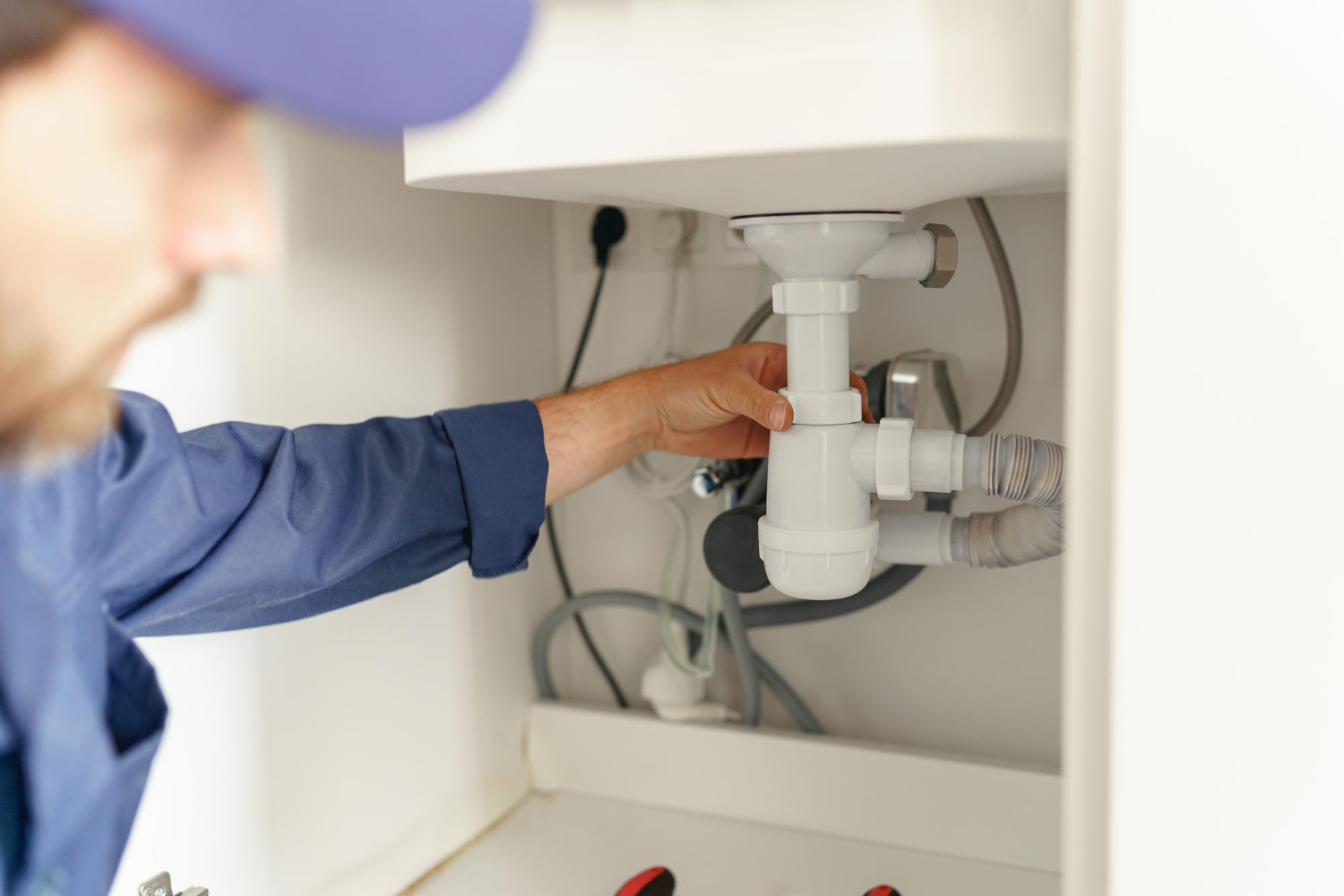


Understanding the right drain cleaning methods can help you fix clogs quickly and prevent expensive damage to your pipes.
Clogged drains are one of the most frustrating problems homeowners face. When water starts backing up in your sink or shower, it disrupts your daily routine and can lead to bigger plumbing issues if ignored.
Some clogs can be handled with simple tools you already have at home, while others require professional equipment and expertise. Knowing which method works best for your situation saves you time and money.
This guide covers everything you need to know about drain cleaning, from professional techniques to maintenance tips that keep your drains flowing smoothly.
Here's what you need to know:
- What are drain cleaning methods and why they matter
- Common drain cleaning methods used by professionals
- Signs your drains need professional cleaning
- Advantages of professional drain cleaning
- Tips to maintain clear drains between professional cleanings
Keep reading! You'll learn how to spot warning signs early and decide when to call in an expert versus handling the problem yourself.
What are drain cleaning methods and why they matter
Drain cleaning methods are specific techniques used to remove blockages and buildup from your plumbing system. These approaches range from basic manual tools to advanced professional equipment, and each serves a purpose in keeping your drains clear and functional.
Removing clogs safely and efficiently
Different clog types require different removal approaches to protect your pipes while clearing blockages. A grease clog needs a different solution than a hair blockage or tree root intrusion.
According to the U.S. Environmental Protection Agency (EPA), sending fats, oils, and grease (FOG) (and some “flushable” products like wipes) into the sewer can contribute to blockages and even sanitary sewer overflows, which is why grease-related clogs often need more than a quick DIY fix.
Manual methods like plungers work well for simple surface clogs near drain openings. They create pressure that dislodges blockages without chemicals or tools entering your pipes.
Drain snakes and augers reach deeper into your plumbing system to break up or pull out stubborn clogs. These flexible tools navigate pipe bends and can handle obstructions up to 100 feet away from the drain opening.
Hydro jetting uses high-pressure water streams to blast away buildup and blockages. This method clears clogs completely instead of just poking holes through them like some other techniques.
Chemical cleaners dissolve certain materials but can damage pipes if used incorrectly. Professional plumbers often avoid harsh chemicals because they create safety risks and potential pipe corrosion.
According to the CDC’s Agency for Toxic Substances and Disease Registry (ATSDR), sodium hydroxide (lye)—a chemical used in some drain-cleaning products—can cause severe burns with skin contact, which is one reason professionals typically limit chemical use and prioritize safer mechanical or water-based methods.
Serving both residential and commercial plumbing systems
Your home's plumbing needs differ from commercial buildings in scope and complexity. Residential drains typically handle household waste like hair, soap, food particles, and toilet paper.
Commercial systems process much larger volumes and face challenges like restaurant grease, manufacturing debris, and heavy daily use. These facilities often need more powerful equipment and frequent maintenance schedules.
The same core methods work for both settings, but professionals adjust their approach based on pipe size, material, and usage patterns. A small drain snake might work for your bathroom sink, while a commercial kitchen requires industrial-strength hydro jetting equipment.
Professional drain cleaning companies carry different tools and equipment to handle various system sizes. They assess whether you need light maintenance or heavy-duty cleaning based on your specific situation.
Preventing water damage and pipe corrosion
Standing water from clogged drains creates immediate risks to your property and plumbing infrastructure. Water can seep into floors, walls, and foundations when drains back up or overflow.
Proper drain cleaning removes blockages before they cause leaks or burst pipes. Regular maintenance also eliminates corrosive materials that eat away at pipe interiors over time.
Chemical buildups from soap, minerals, and waste products gradually wear down pipe walls. Professional cleaning removes these deposits and extends your plumbing system's lifespan by years.
Early intervention costs less than repairing water damage or replacing corroded pipes. A single backup can ruin flooring, drywall, and personal belongings worth thousands of dollars.
Avoiding recurring blockages with proper techniques
Some clogged drain solutions only provide temporary relief while others address root causes. Poking a hole through a clog might restore flow temporarily, but debris remains stuck to pipe walls.
Complete cleaning methods remove all buildup instead of just the blockage center. Hydro jetting, for example, scours pipe interiors clean and reduces the chance of quick re-clogging.
Camera inspections help identify why clogs keep returning to the same location. Tree roots, pipe damage, or improper installation often cause repeated problems that need permanent fixes.
Using the wrong method can push clogs deeper or damage pipes, making future blockages more likely. Professional assessment ensures you get the right technique for your specific situation.
Restoring proper water flow and pressure
Partial clogs reduce water flow even when drains still function. You might notice slow drainage in sinks, weak toilet flushes, or water pooling around shower drains.
These symptoms indicate restrictions in your pipes that grow worse over time. What starts as slightly slow drainage can become a complete blockage within weeks or months.
Thorough cleaning restores your plumbing system to full capacity. Water moves through pipes at proper speeds, fixtures drain quickly, and pressure returns to normal levels throughout your home.
Multiple slow drains often signal a main line problem rather than individual fixture issues. Addressing the main blockage fixes all affected drains simultaneously and prevents backup into lower fixtures.
Common drain cleaning methods used by professionals
Professional plumbers use specialized tools and techniques to clear blockages that DIY methods can't handle. These methods range from mechanical tools that physically break up clogs to high-pressure water systems that scour pipe walls clean.
Mechanical snaking to remove debris and hair
A drain snake is a long, flexible cable that plumbers feed into your pipes to break up and remove clogs. The tool has a rotating head that can cut through hair, soap buildup, and other debris blocking your drains.
Plumbers use different types of snakes depending on your clog's location and severity. Hand-operated snakes work well for simple bathroom drain clogs near the surface. Motorized drain augers can reach deeper into your plumbing system and handle tougher blockages.
The snake's rotating action either breaks apart the clog or catches it so the plumber can pull it out. This method works especially well for removing hair from bathroom drains and food particles from kitchen sinks. Professional plumbers can also use snaking for sewer line cleaning when tree roots or other debris create blockages in your main line.
Hydro jetting for deep pipe cleaning
Hydro jetting uses high-pressure water streams to blast away buildup inside your pipes. Professional plumbers insert a specialized hose into your drain that shoots water at pressures up to 4,000 PSI in all directions.
This method removes grease, mineral deposits, tree roots, and years of accumulated gunk from your pipe walls. The water pressure is strong enough to cut through tough blockages while being safe for most pipe materials. Hydro jetting cleans your entire pipe diameter, not just creating a small hole through the clog like snaking does.
Your plumber might recommend hydro jetting for commercial drain cleaning where grease and heavy use create stubborn buildup. It's also effective for sewer line cleaning when multiple clogs keep returning. The process leaves your pipes nearly as clean as when they were new, which helps prevent future blockages.
Chemical drain cleaning for minor blockages
Professional-grade chemical cleaners are stronger than store-bought products and contain specialized formulas for different types of clogs. Licensed plumbers know which chemicals work best for specific situations and how to use them safely.
These cleaners work by creating chemical reactions that dissolve organic materials like hair, grease, and soap scum. However, frequent chemical use can damage your pipes over time. The harsh ingredients may corrode older pipes or weaken joints and seals.
Plumbers typically reserve chemical cleaning for minor clogs in specific situations. They avoid using chemicals on completely blocked drains or in pipes that show signs of damage. Most professionals prefer mechanical or hydro jetting methods because they're safer for your plumbing system long-term.
Video inspection-guided cleaning
Plumbers use small waterproof cameras attached to flexible cables to see inside your pipes. These cameras send live video feeds that show the exact location, size, and type of blockage in your system.
Per the U.S. EPA’s wastewater collection system guidance, camera-based visual inspections are vital for understanding pipe condition and documenting defects, which is why video inspection-guided cleaning is used to confirm the blockage type and target the right method (snaking vs. jetting vs. repair).
Video inspection helps plumbers choose the right cleaning method for your specific problem. They can see if tree roots are invading your sewer line, if pipes are cracked or collapsed, or if grease buildup is causing the blockage. The camera footage also reveals the condition of your pipes and any potential problems developing.
This technology saves time and money by eliminating guesswork. Your plumber can target the exact problem area instead of trying multiple cleaning methods. The video documentation also provides proof of the issue and shows the results after cleaning is complete.
Pipe replacement or repair when necessary
Sometimes cleaning alone won't fix your drain problems. Severely damaged, collapsed, or corroded pipes need repair or replacement to function properly.
Plumbers might recommend pipe replacement when video inspection reveals cracks, holes, or sections that have deteriorated beyond repair. Old pipes made from outdated materials like clay or cast iron often need replacing as they age. Tree root damage can also destroy pipe sections that cleaning can't fix.
Modern repair techniques like pipe lining can fix pipes without digging up your entire yard. This method inserts a new pipe liner inside your existing pipe, creating a smooth, sealed surface. Traditional replacement involves excavating the damaged section and installing new pipes. Your plumber will explain which option works best based on your specific situation and budget.
Signs your drains need professional cleaning
When water starts pooling in your sink or strange smells drift up from your pipes, your plumbing system is telling you something is wrong. These warning signs mean a simple plunger won't fix the problem, and you need expert help to avoid bigger issues down the road.
Slow draining sinks, tubs, or showers
Water that sits in your sink for several minutes after you finish washing dishes points to a clog forming in your pipes. The same goes for shower water that pools around your feet or a bathtub that takes forever to empty.
These slow drains happen when hair, soap scum, grease, and other debris build up inside your pipes over time. At first, you might notice water draining just a bit slower than normal. But as the blockage grows, water will take longer and longer to go down.
If multiple drains in your home are slow at the same time, the problem likely sits deeper in your main sewer line. This is more serious than a single blocked pipe. Home remedies like drain cleaners or plungers might help with minor clogs near the surface, but they can't reach blockages further down in your plumbing system.
Gurgling noises from drains
Strange bubbling or gurgling sounds coming from your drains mean air is trapped in your pipes. When water tries to flow through a partially blocked drain, it pushes air around the obstruction, creating those odd noises.
You might hear gurgling when you flush the toilet, run the washing machine, or drain the kitchen sink. Sometimes these sounds come from a different fixture than the one you're using. For example, your toilet might gurgle when you run the bathroom sink.
These noises tell you that your pipes can't handle the normal flow of water and air. The blockage is forcing air to escape through any opening it can find.
Foul odors coming from pipes
Bad smells rising from your drains often mean food particles, grease, hair, and other organic matter are rotting inside your pipes. This buildup creates an environment where bacteria grow and produce unpleasant odors.
Kitchen sinks often smell from grease and food waste that stick to pipe walls. Bathroom drains might smell from soap scum and hair decomposing in the pipes. The smell can be sour, musty, or like rotten eggs.
If the smell persists even after you pour water down the drain, you have a buildup that needs professional removal. In some cases, foul odors also signal a problem with your sewer line or a dried-out P-trap. A plumber can identify the exact source and fix it properly.
Frequent backups in multiple fixtures
When water or waste backs up into your sinks, tubs, or toilets more than once every few months, you're dealing with recurring clogs that need professional attention. One-time backups might clear with basic tools, but repeated problems mean something deeper is wrong.
Common backup patterns include:
- Toilet water rising when you run the washing machine
- Water backing up into the shower when you flush the toilet
- Multiple fixtures backing up at the same time
These patterns usually mean your main sewer line has a serious blockage. Tree roots, collapsed pipes, or major buildup can cause these system-wide problems. Trying to fix it yourself with store-bought products won't solve the underlying issue and might even damage your pipes.
Visible water pooling or minor flooding
Water collecting on your floor near drains, even small amounts, means your pipes can't handle the water flowing through them. This might show up as puddles near your washing machine, water seeping from under your sink, or wet spots on the floor after you shower.
Sometimes you'll see water backing up and overflowing from drain openings. This happens when a clog completely blocks the pipe and water has nowhere to go but back up and out.
Even minor pooling can damage your floors, walls, and the structure of your home. Moisture creates the perfect conditions for mold growth, which can start within 24 to 48 hours. Quick professional drain cleaning prevents water damage from getting worse and costing you more money in repairs.
Advantages of professional drain cleaning
Professional drain cleaning offers benefits that go beyond simply clearing a blockage. These services protect your plumbing system, save money over time, and prevent damage that DIY approaches often miss.
Minimizes risk of pipe damage compared to DIY methods
Store-bought chemical drain cleaners contain harsh acids and caustics that eat away at pipe materials. These chemicals can weaken PVC pipes, corrode metal connections, and damage older plumbing systems. When you use these products repeatedly, you risk creating leaks or causing pipe failures that require expensive repairs.
Professional drain cleaning uses safer methods like hydro-jetting and mechanical snaking. Hydro-jetting relies on high-pressure water to remove buildup without chemical exposure. Trained technicians know how to adjust pressure levels based on your pipe material and age.
They also use camera inspections to see inside your pipes before cleaning. This lets them identify weak spots, cracks, or areas that need gentle handling. Your pipes stay intact while still getting thoroughly cleaned.
Provides long-lasting results and prevents recurring clogs
DIY methods usually push clogs further down the line rather than removing them completely. A plunger or basic snake might create temporary drainage, but the buildup remains in your pipes. Within weeks or months, you face the same slow drain or blockage.
Professional drain cleaning removes all debris, grease, and buildup from pipe walls. This thorough cleaning restores your pipes to near-original capacity. The results typically last much longer than quick fixes.
Professionals also clean the entire drain line, not just the visible problem area. This comprehensive approach stops clogs from forming in other sections of your plumbing system. You get months or even years of proper drainage instead of repeated temporary relief.
Detects hidden issues like tree roots or pipe corrosion
Tree roots seek out water sources and can infiltrate your sewer lines through tiny cracks. These roots grow inside pipes and create major blockages that no amount of DIY effort can fix. You might not know roots are the problem until a professional uses a camera to inspect your lines.
Pipe corrosion happens gradually and often goes unnoticed until it causes a leak or burst. Professional technicians spot early signs of rust, deterioration, and mineral buildup during routine cleaning. They can recommend repairs before you face a plumbing emergency.
Other hidden problems include collapsed pipes, offset joints, and foreign objects lodged deep in your system. These issues require professional equipment to locate and address properly.
Improves water flow and drainage efficiency
Slow drains waste your time and make daily tasks frustrating. Buildup on pipe walls reduces the effective diameter of your drainage system. Even a quarter-inch of accumulated grease or mineral deposits significantly impacts flow rates.
Professional cleaning removes years of accumulation from your pipes. Water moves through your system faster and with less resistance. Sinks empty quickly, showers drain properly, and toilets flush with full force.
Better drainage also reduces stress on your plumbing fixtures and connections. When water flows freely, you avoid pressure buildup that can damage seals and joints. Your entire system operates as designed.
Protects home or business from costly water damage
A backed-up drain can overflow and flood your property within minutes. Water damage affects floors, walls, furniture, and personal belongings. Mold growth often follows, creating health hazards and requiring professional remediation.
Regular professional drain cleaning prevents these overflow situations. By keeping your drains clear, you avoid the risk of sewage backups and water intrusion. This protection saves thousands of dollars in potential damage and restoration costs.
Businesses face additional risks including lost revenue during cleanup, damage to inventory, and potential health code violations. Professional drain maintenance keeps your operations running without interruption. The cost of routine cleaning is minimal compared to emergency repairs and business losses.
Tips to maintain clear drains between professional cleanings
Simple habits can keep your drains flowing smoothly after professional service. These practices help prevent clogs and extend the time between cleanings.
Use drain strainers to catch hair and debris
Drain strainers are small mesh or metal screens that fit over your drain openings. They catch hair, food particles, and other solid materials before they enter your pipes.
Place strainers in all sinks, showers, and tubs throughout your home. Empty them daily or whenever you notice buildup. This simple step prevents most common clogs in residential drain maintenance.
You can find strainers at any hardware store for a few dollars. Choose stainless steel versions for durability, or silicone ones that fit different drain sizes. Clean the strainers with soap and water weekly to prevent bacteria growth and odors.
Avoid pouring grease or oil down sinks
Grease and cooking oil solidify when they cool inside your pipes. This creates thick blockages that trap other debris and lead to serious clogs.
Never pour bacon grease, butter, cooking oil, or fatty foods down your kitchen drain. Instead, let grease cool in a container and throw it in the trash. Wipe greasy pans with paper towels before washing them.
Even small amounts of grease build up over time. If grease accidentally enters your drain, run hot water for several minutes to help push it through before it hardens. Better yet, prevent the problem entirely by keeping all fats and oils out of your plumbing system.
Flush drains regularly with hot water
Hot water helps dissolve soap scum, oils, and other residues that stick to pipe walls. Run hot water through your drains for 30 seconds after each use.
Once a week, boil a kettle of water and pour it slowly down each drain. The heat breaks down buildup and keeps pipes clear. This works especially well in kitchen sinks where grease accumulates.
For bathroom drains, flush with hot water after every shower or bath. This prevents soap and shampoo residue from hardening inside pipes. Add this quick task to your weekly cleaning routine for best results.
Schedule routine inspections and cleanings
Professional plumbers should inspect your drains at least once per year. They can spot small problems before they become expensive repairs.
During inspections, plumbers use cameras to look inside your pipes. They remove buildup you cannot reach and identify potential issues. This preventive approach saves money compared to emergency drain cleaning services.
Mark your calendar for annual drain cleaning appointments. If you have older pipes or a large household, consider scheduling service twice a year. Keep records of your service dates and any issues the plumber found.
Educate household or staff on proper waste disposal
Everyone in your home needs to understand what can and cannot go down drains. Teach family members or employees these basic rules:
Never flush down drains:
- Coffee grounds
- Eggshells
- Rice or pasta
- Flour or starch
- Medication
- Paper products other than toilet paper
- Cotton swabs or hygiene products
Post reminder signs near sinks if needed. Explain that even small items cause clogs when they accumulate. Make trash cans easily accessible in bathrooms and kitchens so people have convenient disposal options.
Children especially need clear instructions about what belongs in drains. Show them proper disposal methods and explain why these rules matter for your plumbing system.
Conclusion
Keeping your drains clean doesn't have to be complicated. You now have multiple methods to choose from based on your specific needs and the severity of your clogs.
For minor clogs, simple DIY approaches like hot water, baking soda and vinegar, or a plunger can solve the problem quickly. These methods are safe for your pipes and easy on your wallet. You should try these first before moving to more intensive solutions.
Professional methods become necessary when DIY attempts fail or when you face recurring clogs. Drain snaking reaches deeper blockages that home remedies can't touch. Hydro jetting offers the most thorough cleaning by using high-pressure water to clear buildup from pipe walls.
Prevention saves you time and money in the long run. Regular maintenance like monthly baking soda treatments and running hot water after each sink use keeps your drains flowing smoothly. Installing drain screens catches hair and food particles before they cause problems.
Know when to call a professional plumber. If you notice multiple slow drains, gurgling sounds, or water backing up in different fixtures, these signal bigger issues in your plumbing system.
The right drain cleaning method depends on your situation. Start with the simplest solution and work your way up to professional help when needed. Regular care and quick action when problems arise will keep your drains working properly for years.
Schedule professional drain cleaning with Seacoast Sewer & Drain to clear the blockage safely, verify the cause (including potential sewer line issues), and restore full flow before backups lead to water damage.
Recent Blog Post
Customer Reviews