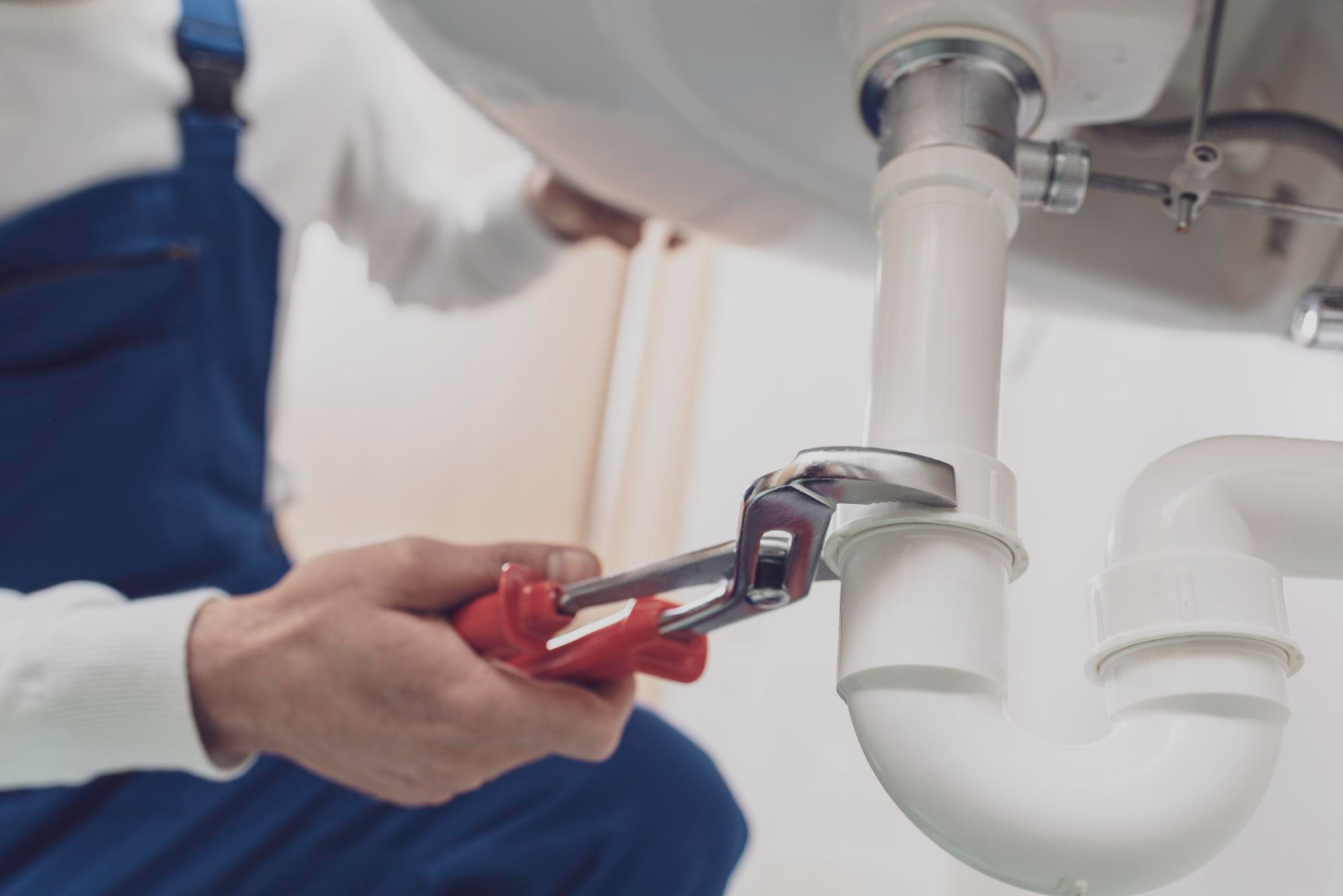


A drain cleaning service company specializes in clearing blockages and buildup from your plumbing system using professional tools and techniques that go beyond what you can do yourself.
Clogged drains are one of the most common plumbing problems homeowners face. When water starts backing up in your sink, shower, or toilet, it can disrupt your daily routine and create unsanitary conditions in your home.
While store-bought drain cleaners might seem like a quick fix, they often fail to solve the underlying problem and can even damage your pipes.
According to the CDC’s Agency for Toxic Substances and Disease Registry (ATSDR), skin contact with sodium hydroxide (lye)—a chemical used in some drain cleaners—can cause severe burns, which is one reason many professionals avoid harsh chemical cleaners and prioritize mechanical cleaning or water-based methods.
Seacoast Sewer & Drain employ trained technicians who can handle everything from simple clogs to serious sewer line backups. They use methods like camera inspections, hydro jetting, and specialized equipment to diagnose and fix drainage issues effectively.
This guide will walk you through everything you need to know about drain cleaning companies, from identifying warning signs to maintaining your drains after service.
Here’s what you’ll find below:
- What does a drain cleaning service company do?
- Signs you need a professional drain cleaning service
- Common causes of drain clogs
- Professional drain cleaning methods used by experts
- Benefits of hiring a professional drain cleaning service company
- Tips to maintain clear drains between professional cleanings
Keep reading! Understanding when to call a professional and what to expect from their services can save you time, money, and frustration.
What does a drain cleaning service company do?
A drain cleaning service company handles clogged pipes and maintains plumbing systems in homes and businesses. These professionals use specialized equipment to remove blockages, inspect pipes, and keep drains flowing properly.
Provides residential and commercial drain cleaning
Drain cleaning companies work with both homeowners and business owners to address different types of plumbing challenges. Your home might need help with kitchen sinks, bathroom drains, or basement floor drains. These residential services focus on the specific needs of household plumbing systems.
Commercial drain maintenance requires a different approach. Businesses like restaurants, hotels, and office buildings face heavier usage and more complex plumbing systems. A drain cleaning company handles larger-scale problems and works around your business hours to minimize disruptions.
The company adjusts its methods based on whether they're working in a small apartment or a large commercial facility. They bring the right equipment and expertise for each situation.
Detects and removes clogs safely and efficiently
Professional drain cleaners identify what's blocking your pipes before they start work. They use camera inspections to see inside your plumbing and locate the exact problem spot. This approach prevents guesswork and unnecessary pipe damage.
Per the U.S. EPA’s sewer cleaning and inspection guidance, visual inspections (including camera-based inspections) are vital for understanding a sewer system’s condition, which supports using video inspection to confirm the blockage type and target the right cleaning method (snaking vs. jetting vs. repair).
Common blockages include:
- Hair and soap buildup in bathroom drains
- Food particles and grease in kitchen sinks
- Tree roots penetrating sewer lines
- Foreign objects accidentally flushed or washed down
- Mineral deposits from hard water
According to the U.S. Environmental Protection Agency (EPA), “inappropriate materials” sent into sewers—including fats, oils, and grease (FOG) and some products labeled “flushable” (like wipes)—can contribute to sewer blockages and overflows, which is why recurring clogs often require professional drain cleaning instead of repeated DIY attempts.
The company removes these clogs using methods matched to your specific blockage. They clear the obstruction completely rather than just poking a hole through it. This thorough approach helps prevent the clog from returning quickly.
Uses advanced tools to prevent pipe damage
Drain cleaning professionals rely on specialized equipment that homeowners don't typically own. Hydro-jetting uses high-pressure water streams to blast away buildup without harming your pipes. This method works well for sewer line cleaning and stubborn blockages.
Motorized drain snakes reach deep into your plumbing system to break up clogs mechanically. Video inspection cameras let technicians see the condition of your pipes from inside. They can spot cracks, corrosion, or other problems that need attention.
These tools get the job done without the harsh chemicals that can damage older pipes. Professional equipment also reduces the risk of pipe breaks or leaks during clogged drain repair. Your plumbing system stays intact while the blockage disappears.
Offers emergency and routine drain cleaning services
You can call a drain cleaning company when disaster strikes or schedule regular maintenance visits. Emergency services handle situations like backed-up sewage, overflowing toilets, or completely blocked drains that need immediate attention. These technicians often work 24/7 to help when problems can't wait.
Routine cleaning prevents emergencies from happening in the first place. Regular maintenance removes buildup before it becomes a complete blockage. Many companies recommend scheduling drain cleaning once or twice a year depending on your usage patterns.
Planned service costs less than emergency calls and helps your plumbing system last longer. The company can also spot potential problems during routine visits before they turn into expensive repairs.
Ensures reliable water flow and prevents backups
A drain cleaning service keeps water moving through your plumbing system as it should. Slow drains get restored to normal speed. Bad odors from standing water or bacterial growth disappear once the pipes are clean.
The service prevents water from backing up into your sinks, tubs, or toilets. This protection matters for your home's hygiene and safety. Commercial properties especially need reliable drainage to meet health codes and serve customers properly.
Professional cleaning also extends the life of your entire plumbing system. When water flows freely, your pipes experience less pressure and corrosion. You avoid the stress and expense of dealing with water damage from overflows or burst pipes.
Signs you need a professional drain cleaning service
Most drain problems start small but get worse over time. Knowing the warning signs helps you catch issues before they turn into expensive repairs or cause water damage to your home.
Slow or clogged sinks, tubs, and showers
Water that drains slowly is one of the clearest signs you need professional help. You might notice water pooling around your feet in the shower or a sink that takes several minutes to empty completely.
A single slow drain usually means a clog in that specific fixture. When multiple drains run slowly at the same time, the blockage is likely deeper in your main sewer line. Hair, soap scum, grease, and food particles build up inside pipes over time and create stubborn clogs.
Store-bought drain cleaners might offer temporary relief. However, they can damage your pipes with harsh chemicals and rarely solve the underlying problem. Professional drain cleaners use specialized equipment like hydro-jetting and drain snakes to remove blockages completely without harming your plumbing system.
Gurgling sounds coming from drains
Strange gurgling or bubbling noises from your drains signal trapped air in your pipes. These sounds typically happen when water tries to move past a blockage, forcing air bubbles up through the drain.
You might hear these noises when you flush a toilet, run the washing machine, or drain a sink. The sounds can come from the same fixture or from a different drain nearby.
Gurgling indicates your drainage system isn't working properly. Air should flow freely through your plumbing vents, but blockages disrupt this normal flow. This problem won't fix itself and usually gets worse without professional intervention.
Foul odors or standing water
Bad smells coming from your drains point to decaying organic matter stuck in your pipes. Food waste, grease, hair, and other debris rot inside your drainage system and create unpleasant odors that drift up through your fixtures.
These smells often resemble sewage or rotten eggs. They become more noticeable when you run water or use specific fixtures. Standing water in sinks, tubs, or around floor drains means your pipes can't handle normal water flow.
Common causes of drain odors include:
- Buildup of grease and food particles
- Trapped hair and soap residue
- Dry P-traps that let sewer gas enter your home
- Clogs in vent pipes
Professional cleaning removes the source of odors and prevents sewage gases from entering your living spaces.
Frequent backups across multiple fixtures
Recurring clogs in the same drain mean you're only treating symptoms instead of fixing the actual problem. When you clear a drain but it clogs again within days or weeks, a deeper blockage exists in your system.
Multiple fixtures backing up at once is a serious warning sign. Water or sewage coming up through floor drains, toilets, or tubs when you use other fixtures indicates a main sewer line blockage. This situation requires immediate professional attention to prevent sewage damage.
Tree roots, collapsed pipes, or severe buildup in your main line cause these widespread problems. Professional plumbers use video camera inspections to locate the exact source of blockages and determine the best solution.
Visible water pooling or flooding
Water backing up onto your floors represents an urgent plumbing emergency. This happens when your drainage system can't handle any more water and forces it back through the lowest points in your home.
You might see water around floor drains, toilets, or in your basement. Dark or dirty water contains sewage and poses serious health risks to your family. Raw sewage carries bacteria and pathogens that can cause illness.
Immediate professional drain cleaning prevents extensive water damage to your floors, walls, and belongings. The longer sewage water sits in your home, the more damage it causes and the higher your repair costs become. Professionals have the equipment and expertise to handle sewage safely and restore your drainage system quickly.
Common causes of drain clogs
Drain clogs happen for several reasons, from everyday items like hair and grease to serious problems like tree roots growing into pipes. Knowing what causes these blockages helps you spot issues early and take action before they turn into bigger plumbing emergencies.
Hair, soap, and grease buildup
Hair is one of the biggest culprits behind bathroom drain clogs. When you shower or wash your hair at the sink, strands fall out and stick to the inside of your pipes. Over time, these strands combine with soap residue to form thick clumps that block water flow.
Soap creates its own problems too. Bar soap contains fats that mix with minerals in your water to form soap scum. This sticky residue coats your pipe walls and traps other debris passing through.
Grease from cooking oils, butter, and fatty foods sticks to kitchen drain walls. It starts as a liquid but hardens as it cools, creating layers that narrow your pipes. Even small amounts of grease add up over weeks and months.
These three substances often work together to create stubborn blockages. Hair catches soap scum, which then traps more hair and debris in an endless cycle.
Food and debris accumulation in kitchen drains
Kitchen drains face constant pressure from food scraps and cooking waste. Coffee grounds are a major problem because they don't break down in water and clump together like wet sand. Rice and pasta expand when wet, creating thick masses in your pipes.
Eggshells and vegetable peels might seem harmless, but they create rough surfaces where other debris gets stuck. The small membrane inside eggshells is especially problematic because it acts like a net for other food particles.
Common kitchen drain blockers:
- Coffee grounds and tea leaves
- Flour and baking ingredients
- Starchy foods (rice, pasta, potatoes)
- Fibrous vegetables (celery, corn husks)
- Fruit pits and seeds
Even if you have a garbage disposal, not everything should go down your drain. Your disposal grinds food into smaller pieces, but those pieces can still combine with grease and create clogs further down your plumbing system.
Tree root intrusion in sewer lines
Tree roots naturally grow toward water sources, and your sewer line provides constant moisture. Small cracks or loose joints in your pipes release water vapor that attracts nearby roots. Once roots find these weak spots, they force their way inside looking for water and nutrients.
Inside your pipes, roots spread quickly. They create dense mats that catch toilet paper, waste, and other materials flowing through your sewer line. These blockages grow larger over time and can completely stop your plumbing system.
Root intrusion happens more often in older homes with clay or cast iron pipes. These materials develop cracks and separations as they age. Trees within 50 feet of your sewer line pose the highest risk, especially fast-growing species like willows, maples, and poplars.
You might notice multiple drains backing up at once when roots block your main sewer line. Gurgling sounds from toilets and drains can also signal root problems.
Old, corroded, or damaged pipes
Pipes don't last forever. Metal pipes corrode from the inside out, developing rust and mineral deposits that narrow the path for water and waste. These rough surfaces catch debris much easier than smooth, new pipes.
Cast iron pipes typically last 50 to 75 years before serious deterioration begins. Galvanized steel pipes have shorter lifespans of 20 to 50 years. As these materials break down, they create rough patches and flaking that reduce your pipe diameter.
Corrosion creates weak spots where pipes can crack or collapse. Ground movement, heavy vehicles passing overhead, or simple age can cause breaks. Even small cracks let soil and debris enter your pipes, creating instant blockages.
Older homes often have pipes that don't meet current plumbing codes. These outdated systems may have poor slope angles or incorrect pipe sizes that make clogs more likely. Sections might sag or develop low spots where waste collects instead of flowing properly.
Foreign objects accidentally flushed or dropped
Small toys, jewelry, and personal items fall into drains more often than you might think. Kids flush action figures, crayons, or small toys down toilets. Cotton swabs, dental floss, and hair ties slip through bathroom sink drains.
These objects don't break down like toilet paper. They get stuck at pipe bends or where your drain lines connect. Once lodged in place, they catch other materials and create larger blockages.
Items that commonly cause foreign object clogs:
- Feminine hygiene products
- "Flushable" wipes (which aren't truly flushable)
- Cotton balls and swabs
- Dental floss
- Small toys and game pieces
- Jewelry and accessories
Toilets face the biggest foreign object problems. Many products labeled as flushable don't break apart in water like toilet paper does. Wipes, paper towels, and similar items keep their shape and create blockages in your pipes or at your municipal sewer connection.
Professional drain cleaning methods used by experts
Professional plumbers use specialized tools and techniques that go beyond basic household methods. These advanced approaches can clear tough blockages, identify underlying issues, and help prevent future drainage problems.
Mechanical snaking for common clogs
A mechanical drain snake, also called a plumber's auger, is a flexible metal cable that rotates to break through blockages in your pipes. The plumber feeds the snake into your drain until it reaches the clog, then activates the rotating mechanism to either break apart the obstruction or hook onto it for removal.
This method works well for typical household clogs caused by hair, soap buildup, and small debris. The snake can reach several feet into your pipes, making it effective for blockages that liquid cleaners cannot handle.
Professional-grade snakes are much more powerful than the small versions you can buy at hardware stores. They come in different sizes and cable thicknesses to match various pipe diameters and clog types. Plumbers choose the right snake based on your specific drainage problem and pipe material.
Hydro jetting for deep cleaning
Hydro jetting uses high-pressure water streams to blast away stubborn clogs and clean your pipe walls completely. The equipment shoots water at pressures ranging from 3,000 to 8,000 PSI through a specialized nozzle inserted into your drain line.
This method removes grease buildup, mineral deposits, and tree roots that mechanical snakes cannot fully clear. The pressurized water scours the entire interior surface of your pipes, restoring them to nearly original condition.
Hydro jetting is particularly useful for main sewer lines and commercial drain systems. The process requires professional equipment and training because improper use can damage older or weakened pipes. Your plumber will assess your pipe condition before recommending this option.
Video inspection to identify hidden problems
Modern drain cleaning includes camera technology that lets plumbers see inside your pipes. A waterproof camera attached to a flexible cable travels through your drainage system, sending live video feed to a monitor above ground.
This inspection reveals the exact location and cause of your blockage. It also shows pipe damage, cracks, corrosion, or tree root intrusion that you cannot detect from the surface.
Video inspection eliminates guesswork and prevents unnecessary digging or pipe removal. The camera records footage that plumbers can review with you, explaining what repairs or cleaning methods your system needs. Many companies use cameras with distance markers to pinpoint problem areas within inches of accuracy.
Targeted repairs or pipe replacement if necessary
Sometimes drain problems require more than cleaning. Your plumber might discover cracked pipes, collapsed sections, or severe corrosion during inspection that need repair or replacement.
Trenchless repair methods allow plumbers to fix pipes without excavating your entire yard. Pipe lining involves inserting an epoxy-coated tube into the damaged pipe, which hardens to create a new pipe within the old one. Pipe bursting breaks apart the old pipe while simultaneously pulling new pipe into place.
Traditional excavation becomes necessary when damage is too extensive for trenchless methods. Your plumber will explain your options based on the specific problems found in your system and recommend the most cost-effective solution for your situation.
Preventative maintenance programs to reduce future clogs
Many drain cleaning companies offer scheduled maintenance plans to keep your plumbing system running smoothly. These programs typically include periodic inspections and cleaning before problems develop into emergencies.
Regular maintenance catches small issues early, preventing them from becoming expensive repairs. Your plumber might schedule annual or bi-annual visits depending on your household size, pipe age, and previous drainage history.
Maintenance programs often include benefits like priority scheduling, discounted service rates, and detailed records of your plumbing system's condition over time. This approach is especially valuable for older homes or properties with large trees near sewer lines.
Benefits of hiring a professional drain cleaning service company
Professional drain cleaning protects your plumbing system and saves you from expensive repairs down the road. Trained technicians use specialized tools to clear blockages safely while identifying potential problems before they become emergencies.
Fast, safe, and reliable unclogging
Professional drain cleaning services clear your drains quickly without the trial and error that comes with DIY methods. Technicians arrive with commercial-grade equipment like motorized augers and hydro-jetting machines that remove stubborn clogs in minutes. These tools work faster than store-bought drain cleaners or manual snakes.
Safety is another major advantage. Professionals know how to handle powerful equipment without damaging your pipes or fixtures. They also avoid the health risks that come with chemical drain cleaners, which can burn your skin or release toxic fumes.
You get reliable results because technicians have the training to identify what's causing the blockage. They adjust their approach based on whether you're dealing with grease buildup, tree roots, or solid objects stuck in the line.
Reduces risk of pipe damage from DIY attempts
DIY drain cleaning often causes more problems than it solves. Chemical drain cleaners can corrode older pipes and create leaks in your plumbing system. Manual snakes can scratch pipe interiors or even puncture weakened sections if you apply too much force.
Professional drain cleaning protects your pipes because technicians understand how different materials react to various cleaning methods. They know when to use gentle techniques for older galvanized pipes and when more aggressive methods are safe for newer PVC or cast iron systems.
This expertise is especially valuable in homes with mixed plumbing materials or in older buildings where pipes may already be compromised. Professionals inspect your system first and choose the safest cleaning approach for your specific situation.
Long-lasting solutions and improved water flow
Professional drain cleaning removes buildup completely rather than just punching a hole through the blockage. This thorough cleaning restores your pipes to near-original diameter, which improves water flow throughout your entire plumbing system. You'll notice drains empty faster and toilets flush with better pressure.
The results last longer because technicians remove all the debris instead of leaving residue that attracts new buildup. Most professional cleanings keep your drains clear for months or even years, depending on usage patterns.
Regular professional maintenance prevents the gradual narrowing of pipes that happens over time. This keeps your plumbing system working efficiently and extends the life of your pipes by reducing strain on the entire system.
Detection of hidden sewer issues
Professional drain cleaning often uncovers problems you didn't know existed. Technicians use camera inspections to look inside your pipes and identify issues like:
- Cracked or collapsed pipe sections
- Tree root intrusion
- Bellied pipes that trap water and debris
- Corroded areas that will fail soon
Early detection saves you money because you can address these problems before they cause major damage. A small crack can be repaired easily, but a complete pipe collapse requires expensive excavation and replacement.
Finding these issues during routine cleaning lets you plan repairs on your schedule instead of dealing with emergency situations.
Peace of mind for both homeowners and business owners
Hiring professional drain cleaning gives you confidence that your plumbing system is properly maintained. You don't have to worry about whether you cleared the blockage completely or if you damaged something in the process.
Many professional services include warranties that guarantee their work. If a drain clogs again within a specified time period, they return to fix it at no additional cost. This protection isn't available with DIY methods.
For business owners, professional drain cleaning prevents disruptions to your operations. A clogged drain can shut down restrooms or kitchen facilities, which affects your customers and employees. Regular professional maintenance keeps everything running smoothly and helps you avoid health code violations.
You also gain access to expert advice about preventing future clogs and maintaining your plumbing system between professional visits.
Tips to maintain clear drains between professional cleanings
Simple daily habits and preventive steps can protect your drains from clogs and extend the time between professional cleanings. These practices help you avoid costly repairs and keep your plumbing system working properly.
Use drain strainers to catch hair and debris
Drain strainers are small mesh or metal screens that fit over your drain openings. They catch hair, food particles, soap chunks, and other solid materials before they enter your pipes.
You should place strainers in all your sinks, showers, and tub drains. Hair is one of the most common causes of bathroom drain clogs, and a strainer can catch most of it.
Clean your strainers at least once a week. Remove trapped debris and rinse the strainer under hot water. This takes less than a minute but prevents buildup in your pipes.
Kitchen sink strainers stop food scraps from going down the drain. Even if you have a garbage disposal, a strainer adds extra protection by catching items that shouldn't be ground up.
Avoid pouring grease, oil, or coffee grounds down drains
Grease and oil coat the inside of your pipes as they cool and harden. This creates a sticky layer that traps other debris and forms clogs over time.
Pour cooking grease and oil into a container instead. Let it cool and solidify, then throw it in the trash. You can also wipe greasy pans with paper towels before washing them.
Coffee grounds clump together when wet and don't break down easily. They settle in your pipes and combine with other materials to create blockages. Dispose of coffee grounds in your trash or compost bin.
These three substances cause some of the most stubborn drain clogs. Keeping them out of your plumbing system prevents problems that often require professional intervention.
Flush drains with hot water periodically
Hot water helps dissolve soap residue, grease, and other materials that stick to pipe walls. Running hot water through your drains once a week keeps them clearer.
Pour a pot of boiling water down your kitchen sink drain weekly. For bathroom drains, let hot tap water run for 30 seconds after each use. This simple step washes away buildup before it hardens.
Hot water works best as a preventive measure, not a solution for existing clogs. It maintains clear pipes but won't remove solid blockages or tree roots.
You can also mix hot water with a small amount of dish soap for extra cleaning power. The soap helps break down grease while the hot water flushes it away.
Schedule routine inspections
Professional plumbers can spot small problems before they become major issues. Annual inspections help you catch early signs of pipe damage, slow drainage, or developing clogs.
A plumber can use cameras to look inside your pipes and check for buildup, cracks, or root intrusion. They can also test your water pressure and drainage speed to identify potential problems.
Most experts recommend scheduling drain cleaning at least once per year. Homes with older plumbing or large families may need service every six months.
Routine maintenance costs less than emergency repairs. Regular inspections help you plan for necessary work instead of dealing with unexpected backups or flooding.
Educate residents or staff on proper waste disposal
Everyone who uses your drains needs to know what can and cannot go down them. Clear guidelines prevent accidental damage from improper disposal.
Create a list of items that should never enter drains. This includes wipes (even "flushable" ones), feminine hygiene products, cotton swabs, medications, paint, and harsh chemicals.
Post simple reminders near sinks and toilets. Signs like "No grease in sink" or "Trash only in toilet" help people remember the rules.
Explain why these rules matter. When people understand that wipes don't dissolve and grease causes clogs, they're more likely to dispose of waste properly. Teaching good habits protects your plumbing and reduces the need for emergency service calls.
Conclusion
Professional drain cleaning services protect your plumbing system and save you money over time. These companies use specialized tools and training to handle clogs that basic home methods cannot fix.
Regular maintenance keeps your drains working properly. Most experts recommend scheduling professional cleaning every 12 to 18 months. This prevents serious problems before they start.
Professional cleaners do more than just remove blockages. They inspect your pipes for damage and find problems early. This helps you avoid expensive emergency repairs later.
The right drain cleaning service brings experience and proper equipment to every job. They clean your pipes safely without causing damage. Many companies also offer eco-friendly options that work well without harsh chemicals.
Your plumbing system needs proper care to work well. DIY methods might help with small clogs, but they often provide only temporary fixes. Professional services give you lasting results and peace of mind.
Finding a reliable drain cleaning company means you have help ready when problems happen. Keep their contact information handy so you can reach them quickly when needed.
Schedule professional drain cleaning with Seacoast Sewer & Drain to diagnose the cause of the clog (including potential sewer line issues) and clear it safely before backups or pipe damage get worse.
Recent Blog Post
Customer Reviews