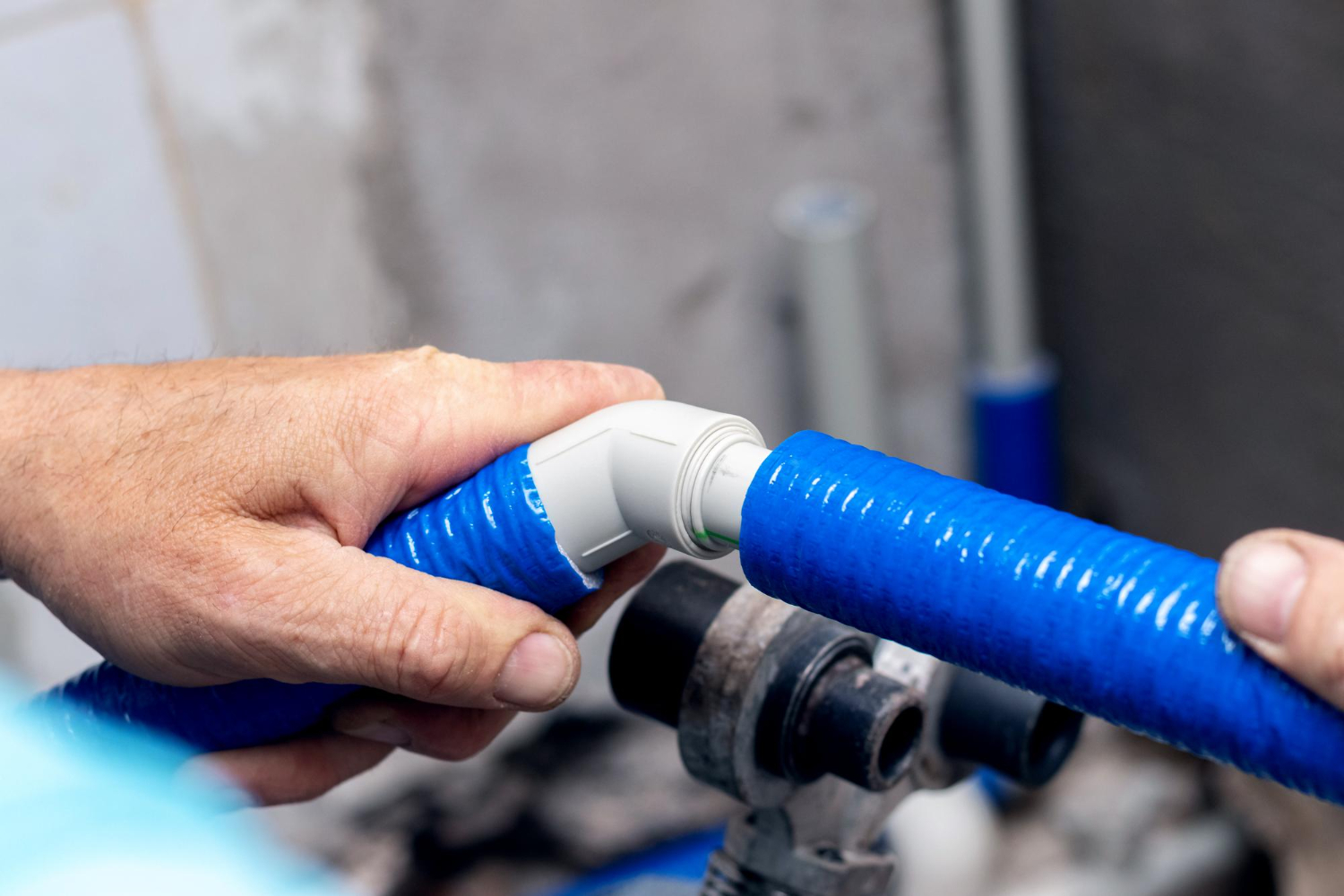


Professional pipe freeze prevention services protect your plumbing system by identifying vulnerable areas and applying proven methods to keep water flowing safely through cold weather.
When temperatures drop during winter months, your pipes face serious risk of freezing and bursting. Water expands by about 9% by volume as it freezes, which helps explain how ice formation can generate enough internal pressure to crack or split plumbing, per the National Institute of Standards and Technology (NIST).
Many property owners don't think about their pipes until a problem occurs. By then, you may already be dealing with burst pipes, water damage, and costly emergency repairs. Taking action before winter weather arrives saves you money and prevents the stress of plumbing emergencies.
Understanding how to protect your pipes makes a real difference in avoiding winter plumbing disasters. In this article, you’ll learn how a pipe freeze prevention service helps reduce frozen pipe prevention risks through winter plumbing protection measures like residential pipe insulation, heat tape, and monitoring.
Here’s what you need to know:
- Pipe freeze prevention service: Safeguard your plumbing this winter
- Why winter pipe protection is critical
- Common causes of frozen pipes
- Professional methods for preventing pipe freezes
- Signs your pipes are at risk of freezing
- Tips for homeowners and businesses to prevent frozen pipes
Keep reading to understand what causes pipes to freeze, how professionals prevent freezing, and practical steps you can take to keep your plumbing safe all season long.
Pipe freeze prevention service: Safeguard your plumbing this winter
Professional pipe freeze prevention services help protect your home or business from the damage caused by frozen and burst pipes through insulation, heating systems, and monitoring. These services target vulnerable areas and provide emergency support during severe cold weather.
What is a pipe freeze prevention service?
A pipe freeze prevention service is a professional solution that protects your plumbing system from winter damage. Trained technicians inspect your property to find pipes at risk of freezing. They then apply specific measures to keep water flowing and prevent ice formation inside your pipes.
The service includes checking outdoor spigots, irrigation systems, and exposed pipes in unheated areas. Technicians look at crawl spaces, attics, garages, and exterior walls where pipes face the coldest temperatures. They assess your building's weak points and create a prevention plan based on your property's needs.
Most services offer both one-time winterization and ongoing monitoring throughout the cold season. You get a detailed assessment of your plumbing system and recommendations for immediate fixes and long-term improvements.
Protecting residential and commercial plumbing from freezing
Residential properties need protection for outdoor faucets, basement pipes, and lines running through exterior walls. Your home's plumbing is especially vulnerable if you have poor insulation or if pipes sit in unheated spaces. Service providers drain outdoor lines and install protective covers on exposed fixtures.
Commercial properties face different challenges because of their size and complex plumbing systems. Warehouses, retail spaces, and office buildings often have extensive piping in unheated areas. Professional services handle large-scale protection including sprinkler systems and industrial water lines.
Both property types benefit from drain-down procedures for seasonal plumbing. Technicians remove standing water from pipes that won't be used during winter months.
Insulating exposed pipes and vulnerable areas
Pipe insulation creates a barrier that slows heat loss and keeps water above freezing temperatures. Foam sleeves, fiberglass wrap, and heat-resistant materials fit around pipes in basements, crawl spaces, and attics. The insulation thickness depends on your local climate and how exposed the pipes are.
Technicians seal gaps and cracks in walls where pipes pass through to the outside. These openings let cold air reach your plumbing even when the pipes themselves are insulated. Caulk and spray foam block these air leaks effectively.
Special attention goes to pipes near windows, doors, and vents. These areas experience temperature drops faster than interior walls. Multiple layers of insulation may be needed in extremely cold regions.
Installing heat tape and temperature monitoring systems
Heat tape is an electrical heating element that wraps around pipes and provides constant warmth. It plugs into a standard outlet and maintains water temperature above freezing. Some heat tape turns on automatically when temperatures drop below a set point.
Professional installation ensures proper spacing and secure attachment to prevent fire hazards. The tape must lay flat against the pipe surface with no overlapping sections. Technicians use heat tape on short pipe runs where insulation alone isn't enough.
Temperature monitoring systems track conditions in vulnerable areas 24/7. Sensors placed near at-risk pipes send alerts to your phone when temperatures approach freezing. You can respond quickly before pipes actually freeze.
Some advanced systems connect to your heating controls and automatically adjust settings to protect plumbing during cold snaps.
Reducing the risk of pipe bursts and water damage
When water freezes inside a pipe, it expands and creates intense pressure on the pipe walls. This pressure causes cracks or complete ruptures that lead to flooding once the ice melts. A single burst pipe can release hundreds of gallons of water into your property.
Prevention services stop ice formation before pressure builds up. Proper insulation and heating keep water in liquid form even during the coldest nights. This eliminates the expansion that damages pipes.
The financial impact of burst pipes includes repair costs, water damage restoration, and potential mold remediation. Prevention services cost a fraction of these emergency repairs. You also avoid the stress and disruption of dealing with flooding in your home or business.
Offering emergency support for extreme weather conditions
Professional services provide rapid response when unexpected cold weather threatens your plumbing. Technicians arrive quickly to install temporary heating or insulation before temperatures drop. This emergency protection works for sudden cold snaps that catch you unprepared.
Many services offer 24/7 availability during winter months. You can call for help if you notice warning signs like reduced water pressure or frost on pipes. Quick action prevents minor freezing from turning into burst pipes.
Emergency services also include thawing frozen pipes safely without causing damage. Technicians use proper heating methods that gradually warm pipes instead of applying direct high heat that can crack them.
Why winter pipe protection is critical
Frozen pipes create serious risks for property owners, from expensive repairs to disrupted daily activities. Taking steps to protect your plumbing system before winter arrives prevents these problems and keeps your home or business running smoothly.
Avoid costly water damage from burst pipes
When water freezes inside pipes, it expands by about 9% of its original volume. This expansion creates intense pressure against pipe walls that can reach thousands of pounds per square inch.
The damage happens quickly once temperatures drop below 32°F for extended periods. A single burst pipe can release hundreds of gallons of water per hour into your walls, floors, and ceilings.
Repair costs often range from $5,000 to $20,000 or more depending on the extent of the damage. Insurance claims for frozen pipe damage average around $10,000 per incident. Water damage also leads to secondary problems like mold growth, structural deterioration, and ruined personal belongings or business inventory.
Maintain reliable water flow during cold months
Frozen pipes block water access throughout your property even if they don't burst. You lose the ability to use sinks, showers, toilets, and appliances that depend on running water.
Winter plumbing protection keeps water flowing when you need it most. Heating systems, washing machines, and dishwashers all require consistent water pressure to function properly.
Businesses face particular challenges when water service stops. Restaurants cannot prepare food or clean dishes. Medical facilities need water for sanitation and patient care. Manufacturing operations grind to a halt without their water supply.
Prevent disruption to business operations or household routines
A frozen pipe emergency forces immediate action that interrupts your normal schedule. You must contact plumbers, wait for repairs, and deal with cleanup efforts that can take days or weeks.
Businesses may need to close temporarily, losing revenue and disappointing customers. Hotels cannot rent rooms without working bathrooms. Offices send employees home when restrooms become unusable.
Homes face similar disruptions during winter months when families gather for holidays. Guests cannot stay comfortably without running water. Simple tasks like cooking meals or doing laundry become impossible until repairs are complete.
Extend the lifespan of plumbing systems
Repeated freeze-thaw cycles weaken pipe materials over time even when pipes don't burst immediately. Small cracks develop that worsen with each winter season.
Metal pipes corrode faster when exposed to freezing stress. Plastic pipes become brittle and prone to splitting. Joint connections loosen as materials expand and contract.
Proper winter plumbing protection maintains your pipes in their intended condition. You avoid premature replacement costs that come from freeze damage accumulation. Well-maintained plumbing systems regularly last 50-100 years depending on materials, while freeze-damaged systems may fail within 10-20 years.
Save money on emergency plumbing repairs
Emergency plumbers charge premium rates for after-hours and weekend calls during winter storms. You pay 1.5 to 3 times the normal rate when pipes freeze at inconvenient times.
Prevention services cost a fraction of emergency repairs. Basic winterization typically runs $100-$300 depending on your property size. Emergency burst pipe repairs start at $500 and quickly climb into thousands of dollars.
Prevention costs vs. emergency repair costs:
Service
Typical Cost
Pipe insulation
$50-$200
Heat tape installation
$100-$300
Professional winterization
$150-$500
Emergency burst pipe repair
$500-$2,000+
Water damage restoration
$2,000-$10,000+
You also save money on water bills when pipes don't leak. A small crack from freeze damage can waste 20-30 gallons per day, adding $50-$100 monthly to your water costs until discovered and repaired.
Common causes of frozen pipes
Frozen pipes happen when specific conditions allow the water inside to reach freezing temperatures. Cold weather alone isn't always the problem—it's usually a combination of temperature drops and unprotected plumbing that creates the risk.
Uninsulated or poorly insulated pipes
Pipes without proper insulation are directly exposed to cold temperatures. When water sits in an unprotected pipe, it can freeze when temperatures drop to 20 degrees Fahrenheit or lower.
The water expands as it turns to ice, which puts pressure on the pipe walls. This pressure can cause cracks or complete ruptures. Insulation acts as a barrier between the cold air and your plumbing.
Even pipes with some insulation can freeze if the material is thin, damaged, or incorrectly installed. Foam pipe sleeves and fiberglass wraps are common insulation options. The best results come from full coverage with no gaps or exposed sections.
Pipes in unheated areas like basements, attics, and crawlspaces
Pipes in basements, attics, and crawlspaces face higher freezing risks than pipes inside heated rooms. These areas typically don't receive direct heat from your home's main system.
Crawlspaces are particularly vulnerable because they often have vents that allow cold air to circulate freely. Attics can drop to near-outdoor temperatures during winter. Basements may stay warmer than these spaces, but pipes near exterior walls or in unfinished areas still face exposure.
Pipes running along exterior walls in these spaces have the highest risk. They face cold from both the unheated interior space and the outside wall.
Extremely cold temperatures or sudden cold snaps
Temperatures at or below 20 degrees Fahrenheit can cause exposed pipes to freeze. A sudden drop from moderate weather to extreme cold is especially dangerous because your plumbing hasn't had time to adjust.
Deep freezes push pipes past their breaking point quickly. The water inside can freeze solid in just a few hours under the right conditions. Wind chill can make the effective temperature even lower, increasing the risk.
Nighttime temperatures pose additional threats because they're often the coldest part of the day. Even if daytime temperatures stay above freezing, overnight drops can still freeze vulnerable pipes.
Drafts and poor home or building insulation
Air leaks let cold outdoor air reach your pipes. Common problem areas include gaps around windows, doors, electrical outlets, and where pipes enter through walls or floors.
Poor wall insulation allows cold to penetrate deeper into your home. This affects pipes inside wall cavities that you might assume are protected. Even small drafts can drop temperatures enough to cause freezing when combined with other risk factors.
Rim joists and sill plates in basements are frequent sources of drafts. Unsealed openings around plumbing penetrations create direct pathways for cold air to reach pipes.
Prolonged periods of vacancy in the property
Vacant properties face increased freezing risks because heating is often turned off or set very low. Without regular heat circulation, indoor temperatures can drop quickly during cold weather.
No one is present to notice warning signs like reduced water pressure or strange sounds. A pipe can freeze and burst without anyone knowing until significant damage occurs. Vacant vacation homes, rental properties between tenants, and foreclosed buildings are especially at risk.
Turning off the water supply doesn't eliminate the risk. Water remaining in the pipes can still freeze and cause damage.
Professional methods for preventing pipe freezes
Professional plumbers use specialized techniques and materials to protect your pipes from freezing temperatures. These methods range from advanced insulation systems to electronic monitoring and emergency response services.
Pipe insulation and wrapping
Residential pipe insulation comes in several forms, each designed for different types of pipes and locations. Foam pipe sleeves are the most common option for protecting exposed pipes in basements, crawl spaces, and attics. These sleeves slip over pipes and provide a thermal barrier against cold air.
Fiberglass insulation offers higher protection levels for pipes in extremely cold areas. Your plumber wraps this material around pipes and secures it with waterproof tape or wire. The thickness of insulation depends on your climate and the pipe's location.
For outdoor faucets and hose bibs, professionals install foam faucet covers that create an insulated pocket of air. They also insulate the pipes leading to these fixtures inside your walls. This dual approach prevents freezing at vulnerable connection points.
Installation of heat tape and thermostats
Heat tape provides active warming for pipes in high-risk areas. Professionals install two types: self-regulating heat tape that adjusts its output based on temperature, and constant-wattage tape that produces steady heat. Self-regulating tape costs more but uses less electricity and poses lower fire risks.
Sealing air leaks around plumbing penetrations and using heat tape/heat cables only as directed (including using UL-approved products) are recommended precautions for reducing frozen-pipe risk, according to NC State Extension.
Your plumber wraps heat tape in a spiral pattern along the pipe's length, never overlapping the tape. They secure it with electrical tape and add insulation over it for maximum efficiency. The tape plugs into a GFCI outlet for safety.
Thermostatic controls take heat tape to the next level. These devices turn the heating system on when temperatures drop below a set point, usually around 38°F. They shut off automatically when pipes warm up, saving energy and reducing fire hazards.
Sealing drafts and insulating surrounding areas
Cold air leaks allow freezing temperatures to reach your pipes. Professionals identify gaps around pipes where they enter your home through walls, floors, or foundations. They seal these openings with expanding foam insulation or caulk rated for exterior use.
Your plumber also addresses ventilation issues in crawl spaces and basements. They may recommend closing foundation vents during winter or installing vent covers. In some cases, they add insulation to crawl space walls rather than just the floor above.
Rim joists where your foundation meets your house frame need special attention. These areas often lack proper insulation and allow cold air to reach pipes. Professionals fill these spaces with spray foam or rigid foam boards.
Regular inspections before winter sets in
Professional pre-winter inspections catch problems before temperatures drop. Your plumber checks all exposed pipes for existing insulation damage or missing protection. They test outdoor faucets and sprinkler systems to verify proper winterization.
During inspections, professionals look for pipes in unheated spaces that lack adequate protection. They identify problem areas like exterior walls, uninsulated attics, and garage locations. Your plumber documents these vulnerable spots and recommends specific solutions.
They also check your home's heating system to confirm it maintains consistent temperatures throughout. Thermostats should be set no lower than 55°F when you're away. Your plumber may suggest installing additional heat sources in problem areas.
Emergency thawing services when needed
Emergency pipe thawing requires professional equipment and expertise to avoid pipe damage. Plumbers use specialized tools like pipe thawing machines that send electrical current through frozen pipes to melt ice safely. This method works faster than external heating and reduces burst risks.
For accessible frozen pipes, professionals apply controlled heat using infrared lamps or heat guns. They start at the faucet end and work toward the frozen section, allowing melted water to escape. They never use open flames or high-temperature tools that could damage pipes.
Your plumber also assesses why pipes froze in the first place. They identify insulation gaps, heating failures, or structural issues that allowed freezing to occur. After thawing, they implement permanent solutions to prevent future incidents.
Signs Your Pipes Are at Risk of Freezing
Knowing the warning signs of pipe freezing helps you take action before damage occurs. Watch for physical changes to your pipes, unusual water behavior, and temperature drops in specific areas of your home.
Frost or condensation on exposed pipes
Visible frost or condensation on your pipes indicates they're reaching dangerous temperatures. When you see ice crystals forming on the outside of pipes, the water inside is likely close to freezing or already frozen.
Check pipes in unheated areas like basements, crawl spaces, attics, and garages regularly during cold weather. Pay special attention to pipes along exterior walls where cold air penetrates more easily.
Condensation appears as water droplets on the pipe surface. This happens when warm, humid air meets the cold pipe exterior. While condensation alone doesn't mean your pipes will freeze, it shows the pipes are significantly colder than the surrounding air.
If you spot frost or heavy condensation, add insulation immediately. Pipe sleeves, heat tape, or foam insulation can protect vulnerable sections before freezing becomes severe.
Slow water flow or drops in water pressure
A sudden decrease in water pressure or slow flow from your faucets signals potential ice blockage forming inside your pipes. When water begins to freeze, it creates partial clogs that restrict normal flow.
Turn on multiple faucets throughout your home to test water pressure. If one faucet has weak flow while others work normally, the problem is likely in that specific pipe section.
Ice blockages often start small and grow larger as more water freezes. You might notice the water slows to a trickle over several hours. This progressive reduction gives you time to act before pipes freeze completely or burst.
Warning signs of restricted flow:
- Water comes out in spurts instead of a steady stream
- Only cold water is affected while hot water flows normally
- Certain fixtures work fine while others barely produce water
- Flow gets weaker as outdoor temperatures drop further
Address slow flow immediately by warming the affected area.
Cracking or bulging pipes
Physical damage to pipes shows that freezing has already begun and pressure is building inside. Water expands by roughly 9% when it freezes, creating enough force to crack metal pipes or bulge plastic ones.
Look for visible cracks, splits, or areas where the pipe appears swollen or deformed. These signs mean the pipe has experienced significant stress and may burst when the ice thaws.
Bulging typically appears as a slight outward curve or bump along a straight pipe section. The bulge marks where ice has formed and pushed against the pipe walls. Even small bulges indicate the pipe's structural integrity is compromised.
Turn off your water supply immediately if you find cracked or bulging pipes. Call a professional plumber before the ice melts, as thawing often triggers ruptures and flooding.
Unusually cold indoor temperatures near pipes
Cold spots inside your home point to areas where pipes face higher freezing risk. If certain rooms, closets, or wall sections feel noticeably colder than the rest of your house, pipes in those areas are vulnerable.
Common cold zones include:
- Bathroom or kitchen cabinets against exterior walls
- Rooms above unheated garages or crawl spaces
- Closets or utility areas with poor insulation
- Spaces near drafty windows or doors
Feel the temperature near pipes with your hand. If the area feels close to freezing or you notice a draft, the pipes are at risk. Cold air leaks from outside or poor insulation allow freezing temperatures to reach your plumbing.
Keep cabinet doors open during extreme cold to let warm air circulate around pipes under sinks. Seal air leaks with caulk or weatherstripping to prevent cold drafts from reaching vulnerable pipes.
Prior history of frozen or burst pipes
Pipes that have frozen before are likely to freeze again unless you've made changes to protect them. Previous freezing indicates those pipe locations have conditions that make them vulnerable to cold temperatures.
Review any past plumbing issues at your property. Ask previous owners or check maintenance records for freeze incidents. The same pipes typically freeze repeatedly because of their location, lack of insulation, or exposure to cold air.
Take preventive action on previously affected pipes before winter arrives. Add insulation, install heat tape, or reroute pipes away from exterior walls. These permanent improvements reduce the chance of repeated freezing.
Buildings in areas that rarely experience hard freezes often have less pipe protection. If your region faces an unusual cold snap, your pipes may lack adequate insulation compared to homes in colder climates.
Tips for homeowners and businesses to prevent frozen pipes
Taking action before temperatures drop protects your plumbing from freezing and bursting. Simple steps like maintaining indoor heat and allowing faucets to drip can prevent thousands of dollars in water damage.
Keep indoor heat consistent, especially in vulnerable areas
If you’ll be away during cold weather, keep the heat on and set the thermostat no lower than 55°F to reduce frozen-pipe risk, according to University of Illinois Extension.
Pay extra attention to areas where pipes are exposed to cold air. Basements, attics, crawl spaces, and garages need consistent heating during winter months. These spaces often lack proper insulation and let pipes get too cold.
Use space heaters in rooms with exposed plumbing if your main heating system doesn't reach those areas well. Make sure to follow safety guidelines and keep heaters away from flammable materials.
Commercial buildings should maintain heat in all areas, including storage rooms and unused offices. Turning off heat to save money during cold weather can lead to much higher repair costs if pipes freeze and burst.
Allow faucets to drip slightly during extreme cold
Let cold water drip from faucets when temperatures fall below freezing. A slow drip keeps water moving through pipes and prevents ice from forming inside them.
You only need a small stream about the width of a pencil lead. This small amount of water movement is enough to prevent freezing without wasting much water.
Focus on faucets connected to pipes that run through unheated spaces or along exterior walls. These locations face the highest risk of freezing during cold weather.
Both hot and cold water lines can freeze, but cold water pipes typically freeze first. If you're not sure which faucets to drip, choose ones on exterior walls or in rooms that feel colder than others.
Open cabinet doors to let warm air reach pipes
Open cabinet doors under sinks and near plumbing fixtures to allow warm air to circulate around pipes. This simple step helps maintain pipe temperature and prevents freezing.
Kitchen and bathroom cabinets often hide pipes that run along exterior walls. These pipes face higher freezing risk because they're exposed to cold air from outside.
Remove any cleaning supplies or items that children or pets could reach before leaving cabinets open. Safety comes first when you're improving air circulation around plumbing.
For commercial plumbing winter prep, check all bathrooms, break rooms, and utility areas for exposed pipes in cabinets. A quick walk-through of your building helps you identify spots that need attention before cold weather arrives.
Monitor pipes during long absences from the property
Check your property regularly if you'll be away during winter months. Daily visits help you catch freezing problems before pipes burst and cause major damage.
Ask a neighbor or friend to stop by your home or business if you can't check it yourself. They should feel pipes for cold spots and look for signs of freezing like reduced water flow.
Install a smart thermostat that sends alerts if indoor temperature drops below your set point. This technology lets you respond quickly if your heating system fails during a cold snap.
Look for these warning signs of frozen pipes:
- Frost on exposed pipes
- Strange smells from drains or faucets
- Low water pressure or no water flow
- Bulging or cracked pipes
Schedule a professional pipe freeze prevention service before winter
Hire a licensed plumber to inspect your plumbing system before winter arrives. They can identify weak points and recommend specific protection measures for your property.
Professional pipe freeze prevention includes insulating exposed pipes, sealing air leaks near plumbing, and installing heat tape where needed. These services cost less than repairing burst pipes and water damage.
Commercial properties benefit from professional winter prep because they often have complex plumbing systems spread across large buildings. A plumber familiar with commercial plumbing winter prep knows where problems typically occur.
Schedule your inspection in early fall before plumbers get busy with emergency calls. This timing gives you enough time to complete any needed repairs or upgrades before cold weather hits.
Professional services often include checking your water heater, testing sump pumps, and examining outdoor faucets and sprinkler systems. This complete approach protects your entire plumbing system from winter damage.
Conclusion
Protecting your pipes from freezing takes planning and action before cold weather arrives. You need to insulate exposed pipes, seal air leaks, and keep your home heated consistently during winter months.
You should inspect your pipes regularly during winter to catch problems early. Check areas that get less heat and places where pipes run along exterior walls.
If you're unsure about your home's weak points, a professional pipe freeze prevention service can identify risks you might miss. These services offer insulation installation, heat tape application, and expert advice specific to your property.
Taking these steps now saves you from dealing with burst pipes later. Frozen pipes can cause thousands of dollars in damage and leave you without water when you need it most. The time and money you spend on prevention is far less than what you'd pay for emergency repairs and water damage restoration.
Your pipes need protection before temperatures drop below freezing. Start with the basics like insulation and proper heating, then add extra measures for pipes in high-risk locations.
To reduce the risk of frozen pipes and the need for emergency pipe thawing, request an on-site estimate for a pipe freeze prevention service from Seacoast Sewer & Drain so a licensed technician can identify vulnerable runs, specify insulation/heat-trace needs, and document a winter-ready protection plan for your property.
Recent Blog Post
Customer Reviews