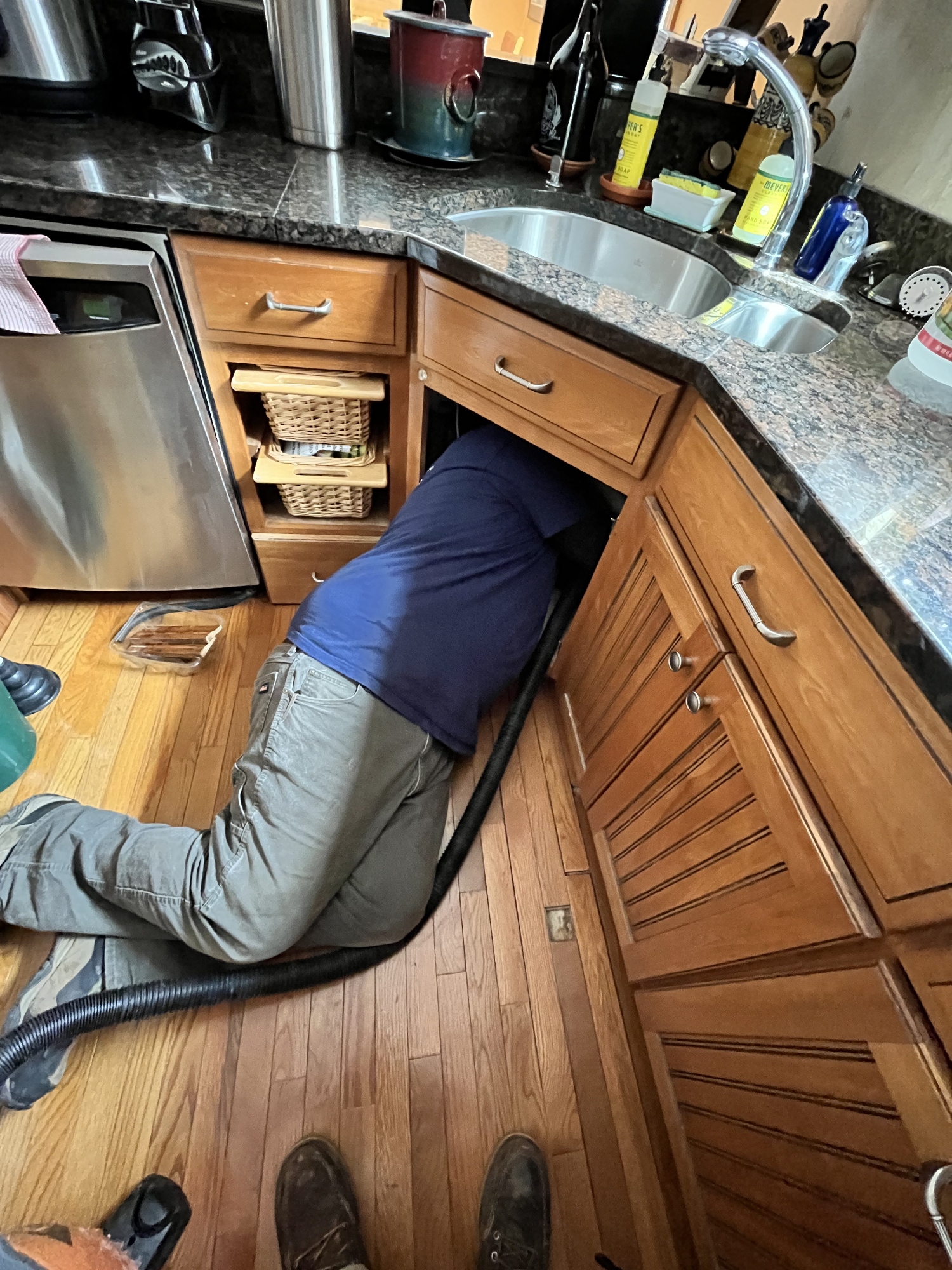


Most homeowners wait until their drains are completely clogged before calling a plumber. This reactive approach often leads to emergency calls, water damage, and expensive repairs that could have been avoided. Preventative drain snaking is a proactive maintenance service that clears buildups from your pipes before they turn into full blockages, saving you money and stress in the long run.
Think of preventative drain snaking like getting an oil change for your car. You don't wait until your engine breaks down to take care of it. The same logic applies to your home's plumbing system.
This guide will walk you through what preventative drain snaking involves, which problems it can stop before they start, and how to know when your drains need attention.
Here's what you need to know:
- What is preventative drain snaking?
- Common problems preventative drain snaking can prevent
- Benefits of scheduling regular drain snaking
- How often should you schedule preventative drain snaking?
- What to expect during a preventative drain snaking service
Keep reading! You'll learn how often to schedule this service and what happens during a typical appointment.
What is preventative drain snaking?
Preventative drain snaking clears early buildup from your pipes before it turns into a complete blockage. This clog prevention service keeps your plumbing system running smoothly and helps you avoid expensive emergency repairs.
How drain snaking removes blockages before they become major issues
A drain snake is a long, flexible metal cable with a coil or auger tip that reaches deep into your pipes. During preventative service, a plumber feeds this tool through your drains to break up grease, hair, soap scum, and other debris that sticks to pipe walls.
The snake's rotating tip grabs onto buildup and pulls it out or breaks it into small pieces that can wash away. This process removes partial clogs that you might not even notice yet but would eventually cause slow drains or complete blockages.
Regular snaking catches problems when they're still minor. A small accumulation of hair and soap might only slow your water flow slightly, but left alone it attracts more debris until water stops draining completely. The snake removes these early-stage deposits before they grow into major clogs that back up water into your home.
Difference between preventative snaking and emergency cleaning
Preventative snaking happens on a scheduled basis before you have drainage problems. A plumber inspects your pipes and removes buildup that hasn't yet caused noticeable issues. This service typically takes less time and costs less because the blockages are smaller and easier to clear.
Emergency cleaning happens after a drain has already clogged and stopped working. You're dealing with standing water, potential overflow, and urgent need for service. Emergency calls often cost more due to after-hours fees and the extra work needed to clear severe blockages.
Preventative Snaking
Emergency Cleaning
Scheduled maintenance visits
Called after complete blockage
Removes early buildup
Clears severe clogs
Lower cost
Higher cost with possible emergency fees
Prevents disruption
Requires immediate response
The main difference is timing. Preventative service works on your schedule, while emergency service happens when your drain forces the issue.
Why regular maintenance matters for homeowners
Your drains collect debris every single day from normal use. Kitchen sinks accumulate grease and food particles. Bathroom drains trap hair, soap, and personal care products. This buildup happens gradually, so you might not notice it until water stops draining.
Scheduling preventative drain snaking once or twice a year keeps pipes clear and extends their lifespan. Regular maintenance prevents the stress and cost of emergency plumbing calls at inconvenient times, like holidays or weekends.
Clean pipes also work more efficiently. Water drains faster, reducing the chance of standing water that can damage fixtures or create unpleasant odors. You avoid the frustration of dealing with slow drains that disrupt your daily routine.
Most importantly, preventative care protects your home from water damage. Backed-up drains can overflow onto floors, causing expensive repairs to flooring, cabinets, and walls. A simple maintenance service costs far less than fixing water damage.
Common problems preventative drain snaking can prevent
Preventative drain snaking addresses several common plumbing issues before they turn into expensive repairs. Regular service targets the buildup of grease, hair, soap scum, mineral deposits, and tree roots that cause most drain problems.
Grease, hair, and debris buildup
Kitchen drains collect grease and food particles every time you wash dishes or cook. The grease sticks to pipe walls and traps other debris, creating thick blockages over time.
According to the U.S. EPA, fats, oils, and grease from residential and commercial sources can partially block or clog sewer lines, which supports scheduling a preventative drain snaking service before grease buildup turns into a full blockage.
Bathroom drains face different challenges. Hair combines with soap and other products to form dense clogs that slow water flow. These clogs often form deep in your pipes where you can't reach them with basic tools.
Regular drain snaking removes these materials before they harden into solid blockages. The snake breaks apart grease deposits and pulls out hair clumps that accumulate in your pipes. This prevents the sudden backups that happen when these materials completely block your drain.
Soap scum and mineral deposits
Soap residue mixes with minerals in your water to create a chalky buildup inside your pipes. This layer gets thicker over time and narrows the space where water can flow.
Hard water makes this problem worse. Calcium and magnesium deposits attach to pipe walls and create rough surfaces that catch more debris. These mineral deposits can reduce your pipe diameter by several inches if left unchecked.
According to the University of Georgia, hard water can cause scale formation in water pipes, which supports the article’s point that mineral deposits can narrow pipe interiors and make routine plumbing maintenance more important.
Drain snaking scrapes away these deposits from your pipe walls. The process restores your pipes to their original diameter and improves water flow. You'll notice drains work faster after removing these layers of buildup.
Slow drains and recurring backups
A drain that empties slowly signals a partial blockage forming in your pipes. You might notice water pooling in your sink or shower before it finally drains away.
These partial clogs grow larger each time you use the drain. Small amounts of new debris stick to the existing blockage until water can barely pass through. Eventually, the drain stops working completely and causes a backup.
Preventative snaking clears these partial blockages before they cause full backups. The service identifies problem areas in your plumbing system and removes developing clogs. This keeps your drains flowing smoothly and prevents emergency situations.
Tree root intrusion in sewer lines
Tree roots naturally grow toward water sources, including your sewer lines. Small roots enter through tiny cracks or pipe joints and expand inside the line.
These roots create major blockages in your main sewer line. They trap toilet paper, waste, and other materials flowing through the pipe. Root intrusions can cause sewage backups throughout your entire home.
Regular sewer line maintenance with drain snaking cuts through small root intrusions before they take over your pipes. The snake's cutting blade removes roots and restores proper flow. This service protects your sewer line from the most damaging type of blockage that requires expensive excavation to fix.
Benefits of scheduling regular drain snaking
Regular drain snaking keeps your plumbing system running smoothly and helps you avoid costly repairs. This preventive service protects your pipes, improves drainage, and gives you confidence that your plumbing won't fail when you need it most.
Reduced risk of emergency plumbing calls
Scheduled drain snaking stops problems before they turn into plumbing emergencies. When you maintain your drains regularly, you remove buildup that slowly accumulates in your pipes over time. This buildup includes soap residue, grease, hair, and other debris that eventually creates complete blockages.
Emergency plumbing calls often happen at the worst times. A backed-up drain on a weekend or holiday means higher repair costs and urgent stress. Professional drain snaking on a regular schedule clears these potential blockages before they cause major issues.
Most plumbing emergencies related to drains are preventable. Regular maintenance identifies weak spots in your drainage system early. Your plumber can address small clogs during routine visits instead of dealing with sewage backups or flooding later.
Longer lifespan for pipes and sewer lines
Your pipes last longer when they stay clean. Buildup inside your drainage system creates pressure on pipe walls and joints. Over time, this pressure leads to cracks, leaks, and complete pipe failure.
Professional drain snaking removes debris that corrodes your pipes from the inside. Chemical cleaners can damage pipe materials, but mechanical snaking safely clears blockages without harsh substances. This gentle approach preserves the integrity of your plumbing infrastructure.
Replacing pipes and sewer lines costs thousands of dollars. Regular snaking services cost a fraction of this amount and extend the life of your existing system by years. Your investment in preventive maintenance pays for itself many times over by delaying expensive replacements.
Improved water flow and drainage efficiency
Clean drains move water quickly and efficiently. When you schedule regular snaking, you maintain proper water flow throughout your plumbing system. Sinks drain faster, showers don't pool water, and toilets flush completely on the first try.
Slow drains are an early warning sign of buildup. Even partial blockages reduce your drainage efficiency and make daily tasks take longer. Professional drain snaking restores your pipes to their full diameter, allowing water to move through at the proper rate.
Better drainage also means less standing water in your fixtures. Standing water creates unpleasant odors and provides breeding grounds for bacteria. Efficient drainage keeps your home cleaner and more sanitary.
Peace of mind with professional maintenance
You gain confidence knowing your plumbing system receives expert care. Professional drain snaking services include thorough inspections of your drainage system. Trained plumbers spot potential problems during routine maintenance visits.
Regular service appointments create a maintenance record for your home. This documentation helps you track the condition of your plumbing over time and proves valuable if you sell your property. Future buyers appreciate homes with documented maintenance histories.
Professional plumbers use specialized equipment that cleans more effectively than store-bought tools. They know how to navigate your drainage system without causing damage. You can trust that the job is done right and your drains will function properly between service visits.
How often should you schedule preventative drain snaking?
Most homes need professional drain snaking once a year, but your specific schedule depends on factors like household size, plumbing age, and usage patterns. Monitoring your drains between visits helps catch problems early.
Recommended frequency for homeowners
Annual drain snaking works well for most households. This yearly service removes buildup before it causes blockages.
If you live alone or have a small household, once per year is usually enough. Homes with four or more people should consider scheduling service twice a year. High-traffic bathrooms and kitchens collect debris faster.
Professional snaking prevents grease, soap scum, hair, and other materials from hardening inside your pipes. Even when drains seem to work fine, buildup happens gradually over months.
Properties with older plumbing systems may need more frequent attention. Pipes installed before 1980 are more likely to develop problems.
Factors that influence drain clog risk
Several factors determine how often you need drain snaking services.
Household size directly affects drain usage. More people means more hair, soap, food particles, and waste going down drains. A family of five creates more buildup than a couple.
Cooking habits matter for kitchen drains. Homes that cook with oils and fats daily need more frequent cleaning. Grease sticks to pipe walls and traps other debris.
Hard water leaves mineral deposits inside pipes over time. These deposits narrow the pipe opening and catch debris more easily. Homes with hard water benefit from twice-yearly snaking.
Tree roots near sewer lines can break into pipes seeking water. Older neighborhoods with mature trees face higher risk of root intrusion. These properties may need quarterly inspections.
Garbage disposal use affects kitchen drain health. Heavy disposal use pushes more food particles into pipes.
Seasonal and real estate considerations
Certain times of the year put extra stress on your drains.
Spring and fall are ideal for scheduling regular drain cleaning. Spring service clears winter buildup, while fall preparation prevents holiday cooking disasters.
Before hosting holidays, schedule drain snaking if it's been more than six months. Thanksgiving and December gatherings mean heavy kitchen and bathroom use.
Before selling your home, have drains professionally cleaned. This prevents inspection problems and shows buyers you maintained the property.
After buying a home, schedule snaking within the first month. You don't know the previous owner's maintenance habits.
Vacation homes need attention before opening for the season. Sitting water and debris can create stubborn clogs.
Tips to monitor your drains between visits
Watch for warning signs that indicate you need service sooner than planned.
Slow drainage is the first sign of buildup. Water that takes more than a few seconds to drain needs attention. Don't wait until water stands in the sink or tub.
According to the CDC, stagnant or standing water in a plumbing system can increase the risk of growth and spread of biofilm-associated bacteria, which reinforces the value of regular drain cleaning and prompt attention to slow drains
Gurgling sounds from drains mean air is trapped by partial blockages. These noises often happen when you run water or flush toilets.
Bad odors coming from drains signal trapped debris breaking down. Food particles and organic matter create smells as they decay inside pipes.
Multiple slow drains suggest a main line problem rather than a single fixture issue. This requires immediate professional service.
Run hot water down drains after each use to help move debris. Pour boiling water down kitchen drains weekly to dissolve grease. Use drain screens to catch hair and food particles before they enter pipes.
What to expect during a preventative drain snaking service
A preventative drain snaking appointment involves several distinct steps that protect your plumbing system. The plumber will examine your drains, clear key pipes, provide guidance on keeping lines flowing, and discuss ongoing care options.
Inspection of your plumbing system
Your plumber starts by examining your entire drainage system to identify potential problem areas. They will locate access points like cleanouts and inspect visible pipes for signs of slow drainage or early blockage formation. This assessment helps determine which drains need attention most.
The plumber may ask about your drainage history and any recurring issues you've noticed. They'll check multiple drains throughout your property, including sinks, tubs, and floor drains. This initial review takes 15 to 30 minutes depending on your property size.
Some professionals use camera inspections during this phase to view the inside condition of your pipes. This reveals buildup, tree root intrusion, or pipe damage that basic visual checks cannot detect.
Snaking and clearing the main and branch lines
The plumber inserts a flexible metal cable into your drains to remove accumulated debris and buildup. They typically start with main lines since these carry the most water and waste from your property. The snake's rotating head breaks apart grease, soap scum, hair, and other materials clinging to pipe walls.
Branch lines connected to individual fixtures receive attention next. The plumber works methodically through your system, spending more time on drains that show signs of reduced flow. Most preventative snaking takes 30 minutes to two hours for a standard residential property.
You'll hear the motor running and may notice water flow improving immediately as blockages clear. The plumber adjusts cable length and rotation speed based on what they encounter in each line.
Post-service recommendations and maintenance tips
After completing the snaking work, your plumber explains what they found and removed from your drains. They'll identify habits or conditions that contribute to buildup in your specific plumbing system. Common advice includes avoiding pouring grease down drains and using drain screens to catch hair and food particles.
Your plumber will suggest a maintenance schedule based on your household size and usage patterns. Most homes benefit from routine plumbing maintenance every 12 to 18 months. Properties with heavy use or older pipes may need service every six months.
You'll receive specific guidance about which drain cleaners are safe for your pipes and which ones cause damage. The plumber may recommend enzyme-based treatments that break down organic matter between professional services.
Optional follow-up services for long-term care
Many plumbing companies offer maintenance plans that include scheduled snaking at discounted rates. These programs ensure your drains receive attention before serious clogs develop. You can typically choose annual, semi-annual, or quarterly service intervals.
Camera inspection services provide detailed views of your pipe interiors and help track changes over time. This technology identifies problems like cracks or root intrusion that require different solutions than standard snaking.
Some plumbers offer emergency response services as part of maintenance agreements. This gives you priority scheduling and reduced rates if unexpected drainage problems occur between regular appointments. You can also request additional services like hydro-jetting for thorough pipe cleaning or repair work if the inspection reveals damage.
Conclusion
Regular drain snaking keeps your plumbing system running smoothly and helps you avoid expensive emergencies. This preventative service removes buildup before it turns into a major blockage. You save money in the long run by addressing small issues early.
Your drains work better when they're professionally maintained. Snaking clears out debris that can build up over time, even if you don't notice any problems yet. This proactive approach protects your pipes from damage and extends their lifespan.
You should schedule drain snaking as part of your regular home maintenance routine. Most homes benefit from this service once or twice a year, depending on usage and pipe age. Your plumber can recommend the best schedule for your specific needs.
Professional drain snaking gives you peace of mind. You won't have to worry about sudden backups or water damage from clogged drains. The service is quick, effective, and far less disruptive than dealing with a plumbing emergency.
Taking care of your drains now means fewer headaches later. Preventative snaking is a simple step that protects your home and keeps your plumbing system healthy for years to come.
Contact Seacoast Sewer & Drain to schedule preventative drain snaking service and clear developing buildup before it turns into backups, slow drains, or costly plumbing repairs.
Recent Blog Post
Customer Reviews