

Winter does not create sewer line problems on the Seacoast. It exposes the ones that were already there. A pipe that has been slowly failing all summer, with roots creeping in or a joint sagging half an inch lower than it should, can go from a minor annoyance to a frozen, backed-up mess the first hard cold snap of the season.
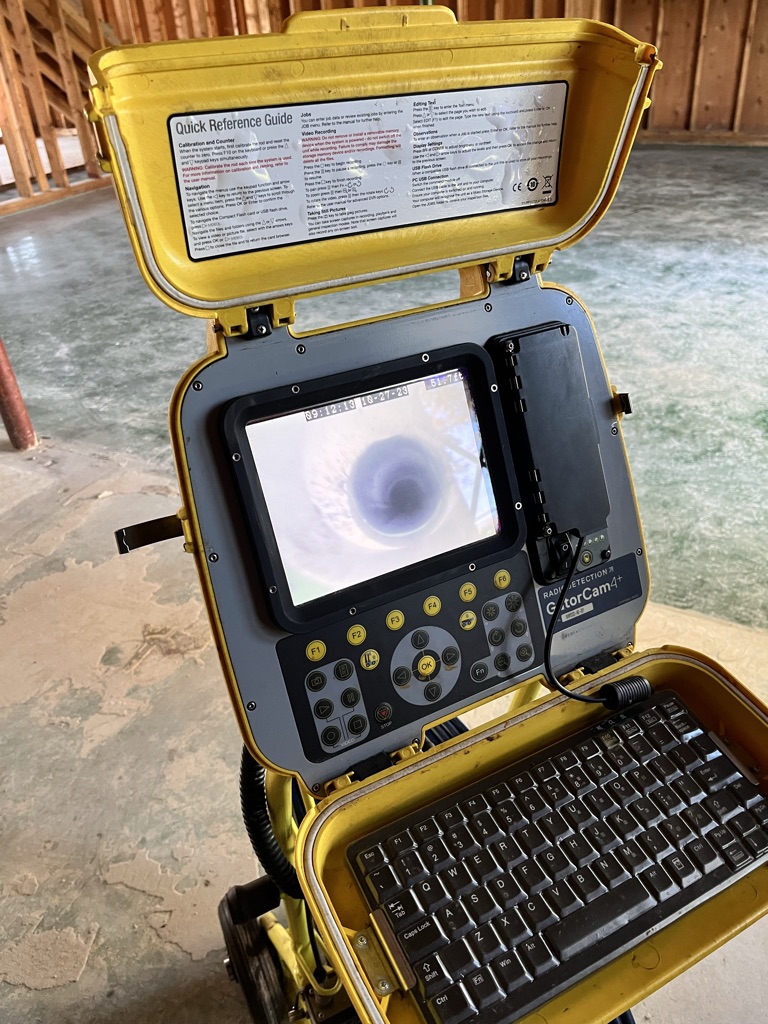
That is exactly what a sewer camera inspection is built to catch before the ground freezes and access gets harder. Instead of guessing at what is happening underground, a technician runs a waterproof camera through the line and watches the pipe's actual condition on a monitor in real time, from the first few feet near the house all the way out to the street connection or septic tie-in.
For homeowners across Portsmouth, Dover, Exeter, and the surrounding Seacoast service area, fall is the natural window to get this done. The ground is still workable, contractors are not buried in emergency calls yet, and any repair recommended by the inspection can happen on a normal schedule instead of an emergency one. This article walks through the signs that mean it is time to book one, what the inspection actually finds, and how to act on the results before the cold sets in.
In this article, you will learn about:
- Warning signs your sewer line needs a camera inspection before winter
- What a sewer camera inspection actually reveals
- Why cold weather makes small sewer problems worse
- How to act on what the inspection finds
Keep reading to find out which symptoms mean you should not wait until spring to look underground.
Warning signs your sewer line needs a camera inspection before winter
Most sewer line problems give a warning before they become emergencies. The trouble is that those warnings are easy to write off as normal quirks of an older home, especially in a region full of century-old housing stock like the Seacoast.
Slow drains are usually the first sign. If more than one fixture in the house is draining sluggishly, especially the lowest drain like a basement floor drain or a tub, that points to a partial blockage somewhere in the main line rather than a single clogged trap. Residential drain cleaning alone will not fix a problem that sits deeper in the line.
Gurgling sounds are the next thing worth paying attention to. A toilet that gurgles when the washing machine drains, or a tub that bubbles when you flush, means air is getting trapped and pushed back through the system because something downstream is restricting flow.
- Recurring backups in the same drain or fixture, even after snaking
- Sewage odor near a floor drain, cleanout, or in the yard
- Unusually lush or green patches of grass over the sewer line's path
- Gurgling or bubbling in a fixture when another fixture is used
- Slow drainage at multiple fixtures at the same time
- Water pooling near a cleanout after heavy rain
Homes built before the 1970s often still have clay or cast iron sewer pipe, and both materials fail in predictable ways over time. Older Portsmouth-area homes carry more sewer backup risk tied to aging pipe than newer construction. Cast iron corrodes from the inside until the bottom of the pipe scales over and narrows.
Age alone is not a reason to inspect, but age combined with any of the symptoms above is. A camera inspection at that point tells you whether you are looking at a five-minute root cut or a section that needs to be replaced before the ground freezes solid.
- Note which fixtures are affected and when the problem happens
- Check the yard for soft spots, sinkholes, or unusually green grass
- Smell for sewage odor near cleanouts, especially after rain
- Call for an inspection rather than repeatedly snaking the same spot
Slow drains that keep coming back
A single slow drain is usually a local clog, something caught in the trap or the first few feet of pipe. A slow drain that comes back within weeks of being cleared is a different problem entirely, and it usually means the blockage is further down the line where a plunger or a store-bought snake cannot reach it.
Repeated drain snaking without a camera inspection is a bit like repeatedly patching the same pothole without ever checking what is happening under the road. It buys time without answering the real question of why the same spot keeps clogging.
- Same drain clogging again within a month of clearing it
- Multiple fixtures slowing down together rather than one at a time
- A snake that hits something at roughly the same distance each time
That last point matters more than people realize. If a technician has snaked the line more than once and the cable consistently stops at a similar distance, that is a strong hint of a structural issue such as a bellied section, a root mass, or a collapsed joint, not a simple soft clog.
Sewage smell near the cleanout or in the yard
A sewage smell that shows up only after heavy rain or during a thaw is often tied to a cracked pipe letting groundwater in, or letting sewage seep out under pressure. Either direction is a problem worth confirming with a camera before winter locks the ground up.
Homeowners sometimes assume a bad smell near a drain camera access point or cleanout is just a loose cap, and sometimes it is. But a persistent odor that returns after the cap is reseated points to a leak somewhere in the run between the house and the street or septic system.
- Odor concentrated near a specific cleanout or yard location
- Smell that gets worse after rain or snowmelt
- Odor combined with soggy or unusually green ground nearby
Old pipe joints and unusually green patches of lawn
A patch of grass that stays noticeably greener and thicker than the rest of the yard, especially in a dry stretch, is one of the oldest and most reliable signs of a leaking sewer line. Wastewater acts like fertilizer, and a crack or separated joint feeding that section of soil will make it grow faster than everything around it.
This sign is genuinely useful because it needs no plumbing knowledge to notice, just familiarity with your own yard. If you can trace that green stripe back toward the house or out toward the street, you have a rough map of where the problem sits before a camera even confirms it.
What a sewer camera inspection actually reveals
A sewer camera inspection is not a guess dressed up as a diagnosis. The camera head, mounted on a flexible rod, physically travels the length of the pipe and sends back a live picture, so what you get at the end is a direct look at the condition of the line rather than an inference from symptoms.
That distinction matters because two problems that look identical from inside the house, a slow drain and a recurring backup, can have completely different causes underground: a root mass, a bellied section holding standing water, a cracked joint, or simple grease buildup. A video drain inspection shows the actual cause directly instead of leaving it to guesswork. Each one needs a different fix, and guessing wrong wastes both time and money.
- Root intrusion at pipe joints, most common in clay and older cast iron
- Bellied or sagging sections where the pipe has settled and holds water
- Cracks, offsets, or separated joints from ground shift or age
- Grease and scale buildup narrowing the interior diameter
- Collapsed or partially collapsed sections in severely aged pipe
- The exact depth and distance of any problem area, for accurate digging if excavation is needed
Because the camera records footage as it goes, the inspection also produces a permanent record of the pipe's condition. That is useful on its own for a home you plan to keep for years, and it becomes essential if you ever need to document a pre-existing condition during a real estate transaction or an insurance claim.
- The technician feeds the camera into an accessible cleanout or fixture
- The camera travels the line while transmitting live video to a monitor
- A locator on the camera head marks the exact position of any problem area on the surface
- The technician reviews the footage and marks distance, depth, and severity of each issue found
Root intrusion and pipe joint separation
Root intrusion happens because tree and shrub roots are drawn to the moisture and nutrients inside a sewer line, and they find their way in through the smallest gap at a pipe joint. Once a root gets a foothold, it thickens over seasons and can eventually crack the pipe from the inside out. Preventing tree root sewer line damage starts with knowing exactly where a root has already gained access.
A camera inspection shows exactly where roots have entered and how far they have spread inside the pipe, which tells a technician whether jetting and cutting the roots is enough or whether the joint itself needs to be repaired or replaced.
- Root mass concentrated at a single joint versus spread across multiple joints
- Whether the pipe material at that joint is cracked or just separated
- How much of the pipe diameter is currently blocked by root growth
Bellied pipes and standing water
A bellied section is a low spot in the pipe run, usually from soil settling unevenly under the pipe over years. Water and solid waste pool in that low spot instead of flowing through, which is why homes with a belly in the line tend to have chronic slow drainage that snaking never fully resolves.
Camera footage shows a belly clearly because the camera itself will show standing water sitting in the pipe rather than the pipe draining clear. Depth and length of the bellied section, visible on camera, determine whether a repair can be localized or whether a longer sewer line excavation run needs to be addressed.
Grease buildup and scale narrowing the pipe
Grease buildup is common in older homes where decades of dishwater and cooking runoff have coated the inside of the pipe. Over time that coating hardens and narrows the usable diameter of the line, which slows drainage even without any structural damage to the pipe itself. In these cases, grease clog removal alone resolves the problem without any structural repair.
Scale buildup in cast iron pipe works similarly but comes from corrosion rather than grease, flaking off the interior wall and gradually choking the pipe from the inside. A camera makes the difference between the two visible immediately, which changes the recommended fix from a straightforward hydro jetting job to a longer conversation about the pipe's remaining service life.
Why cold weather makes small sewer problems worse
A sewer line problem that is merely annoying in October can become a genuine emergency in January, and the reason comes down to what happens to New Hampshire and Maine soil once temperatures drop and stay there.
Frost depth in this region regularly reaches well below the surface in a hard winter, and ground that is frozen solid is both harder to excavate and slower to thaw evenly. A pipe with a slow leak that was tolerable in warm weather can freeze around the leak point once temperatures drop, restricting flow even further and sometimes causing a burst.
- Frozen or partially frozen ground makes emergency excavation slower and more expensive
- A slow leak can freeze solid around the leak site, worsening a blockage
- Snow cover hides yard-level warning signs like wet spots or soft ground
- Contractors book up fast once cold snaps start causing widespread emergencies
- Repairs that would be routine in October become rush jobs in January
Frost depth is not a fixed number either. In northern and eastern Maine, the National Weather Service recorded ground frozen to a depth of 12 inches by the end of a recent December, with the ground staying frozen through the entire month in the northern counties. Farther south along the Seacoast the numbers run milder, but the same pattern holds: once the ground locks up, it stays locked up, and a sewer line already compromised by root intrusion or a bellied section is far more likely to fail completely once that happens.
Rochester and Somersworth homeowners on older municipal connections face a related issue: frost heave can shift the ground enough to stress an already-weakened joint that a camera inspection would have caught months earlier. Once that joint fails mid-winter, excavation crews are working against frozen topsoil instead of loose fall dirt.
- Book the inspection while the ground is still workable
- Get any recommended repair scheduled before the first hard freeze
- Keep a copy of the inspection footage on file for future reference
- Ask about a follow-up inspection interval based on what was found
Frozen ground and excavation delays
Excavating a sewer line repair in frozen ground takes longer, costs more, and is simply harder on the crew and the equipment than the same dig in October. Frost typically penetrates deepest in January and February across the Seacoast region, right around when winter sewer emergencies peak.
A pre-winter camera inspection sidesteps this entirely by identifying problem areas while excavation is still routine. If a repair is genuinely needed, it happens on a normal timeline instead of a rushed one squeezed between snowstorms.
Snow cover hiding yard-level warning signs
Once snow covers the ground, the visual warning signs described earlier in this article, the green patch, the soft spot, the standing water near a cleanout, all disappear under a white blanket until spring thaw. That means a homeowner loses months of visibility into a developing problem exactly when the pipe underneath is under the most stress from cold and ground movement.
A fall sewer line inspection captures the pipe's condition while those signs are still visible and while the ground is still behaving normally, giving you a clear baseline before the season that is hardest on infrastructure begins.
Contractor availability tightens once cold snaps hit
Every winter, sewer and drain contractors across the Seacoast see the same pattern: a hard freeze arrives and the phones start ringing constantly with the same category of emergency drain cleaning calls, all wanting service on the same few days. A homeowner scheduling before that rush gets more flexibility on timing and a technician who is not stretched across a dozen emergencies at once.
How to act on what the inspection finds
Getting the inspection is only half the value. What actually protects your home through winter is what you do with the footage and the technician's findings afterward.
Not every issue a camera finds requires immediate excavation. Some findings, like light root intrusion at a single joint, are addressed with jetting or mechanical cutting, both far less invasive and far less expensive than replacing pipe. Other findings, like a badly bellied section or a section with multiple failed joints, call for excavation and replacement, and sewer replacement cost factors vary based on the depth and length of pipe involved.
- Ask for a copy of the recorded footage, not just a verbal summary
- Get a clear explanation of severity, not just a list of what was found
- Ask what happens if the issue is left alone through winter versus addressed now
- Get a written estimate for any recommended repair before the ground freezes
- Ask whether jetting alone is sufficient or whether excavation is genuinely needed
The right approach depends on severity, not on habit. A technician who reaches for excavation on every finding, or one who dismisses every finding as minor, is not giving you an honest read of the pipe. The footage itself is the best tool you have to ask informed follow-up questions.
- Review the footage and the technician's notes together
- Ask direct questions about severity and urgency
- Get a written scope and cost for any recommended work
- Schedule the repair with enough lead time before hard freezes typically begin
- File the inspection report for future reference or resale documentation
When jetting is enough versus when excavation is needed
Jetting uses high-pressure water to clear roots, grease, and scale without digging anything up, and it is the right first move for the majority of camera findings that involve blockage rather than structural failure. A joint with roots but an otherwise sound pipe wall is a textbook jetting candidate.
Excavation becomes necessary when the pipe itself has failed structurally: a collapsed section, a severely bellied run, or multiple joints that have separated beyond what jetting or lining can address. A step-by-step sewer line excavation process follows once the camera confirms which category a given problem falls into.
Keeping the inspection record for later
A recorded sewer camera inspection is useful well beyond the immediate winter prep. If you sell the home later, having documented proof of the sewer line's condition, and any repairs made afterward, is a genuine asset in a real estate transaction, since it answers a question buyers and their inspectors will otherwise have to guess at.
It is also useful practically the next time a drain acts up. A technician working from an existing inspection record knows immediately whether they are looking at a known bellied section or something new, instead of starting from zero on every service call.
Choosing who runs the inspection
Not every contractor who advertises a camera inspection has the same equipment or experience reading what the footage shows. A reliable sewer line repair contractor will walk you through the footage in plain language rather than handing you a one-line summary and a quote.
Ask whether the footage is recorded and provided to you, whether the technician marks depth and distance on every finding, and whether the same company can also perform the recommended repair if one is needed. That continuity saves a second scheduling headache once the inspection is done.
Conclusion
Winter does not spare sewer lines any more than it spares roofs or driveways, and on the Seacoast, where so much of the housing stock predates modern plumbing standards, a pipe that has been quietly struggling all year rarely waits for a convenient moment to fail. The signs are usually there well before the ground freezes, whether that is a drain that keeps backing up, a smell that will not go away, or a patch of grass that is greener than it has any right to be.
A camera inspection turns those vague warning signs into an actual answer. Instead of guessing whether a slow drain is nothing or the start of something bigger, you get a direct look at the pipe and a clear sense of whether the fix is a quick jetting job or something that needs to happen before the ground locks up for the season.
Getting this done in the fall, while excavation is still routine and contractors are not stretched thin by emergency calls, is simply the easier and cheaper time to deal with whatever the camera finds. If any of the signs in this article sound familiar, it is worth getting ahead of winter rather than finding out the hard way in January.
Seacoast Sewer and Drain runs camera inspections across Portsmouth, Dover, Exeter, and the surrounding Seacoast towns, and you can get in touch with Seacoast Sewer and Drain to schedule one before the cold sets in for good.
Recent Blog Post
Customer Reviews