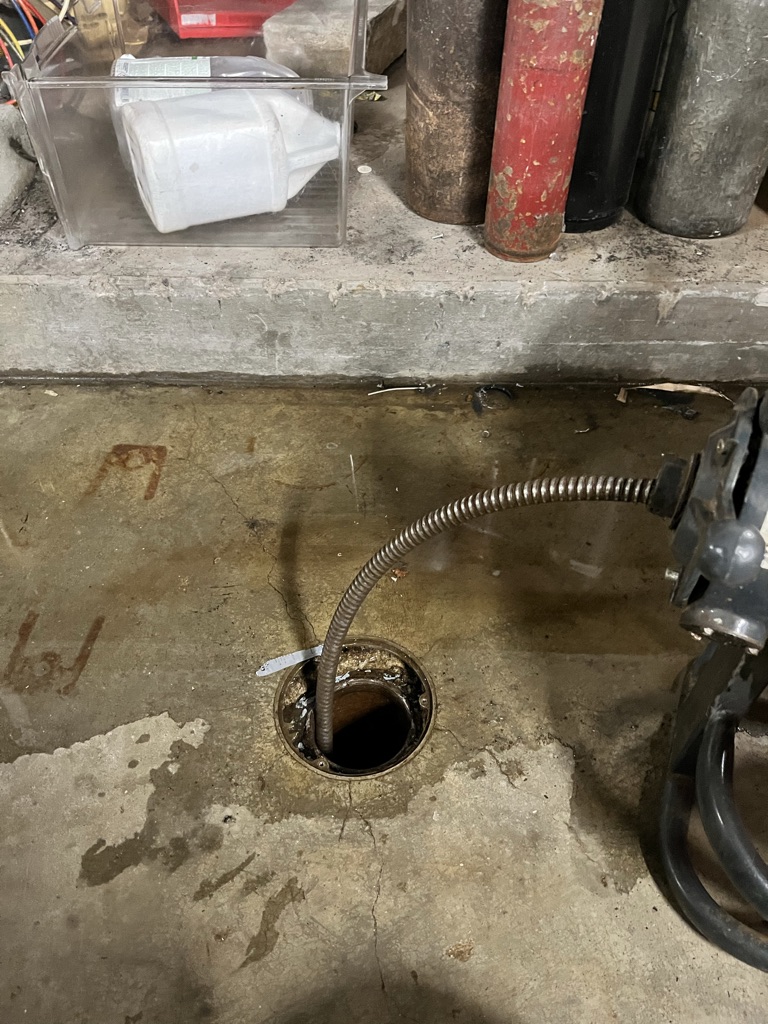


A clogged drain can disrupt your daily routine and create frustrating backups in your sinks, showers, or tubs. When plungers and drain cleaners fail to solve the problem, you need a more effective solution. Residential drain snaking is a proven method that uses a flexible tool to reach deep into your pipes and remove stubborn clogs that other methods cannot reach.
This technique works for many common household drain issues, from hair buildup in bathroom drains to food particles stuck in kitchen pipes. Professional plumbers rely on drain snaking because it clears blockages without damaging your plumbing system.
Understanding how drain snaking works and when you need it can help you make smart decisions about your home's plumbing. In this article, you’ll learn how residential drain snaking removes stubborn household clogs and helps restore proper flow in your home’s plumbing system.
Let's break down to the key points you should consider:
- What is residential drain snaking?
- Common household drain problems snaking can solve
- Benefits of professional residential drain snaking
- Signs your home needs drain snaking
- What to expect during a residential drain snaking service
Keep reading! You will learn what causes drain problems, how professionals handle them, and what signs indicate you need this service.
What is residential drain snaking?
Residential drain snaking uses a flexible metal cable to physically break up and remove clogs inside home plumbing pipes. Professional plumbers rely on this method to restore water flow in sinks, tubs, showers, and main drain lines when simple fixes don't work.
How professional snaking clears household drain blockages
A drain snake, also called a plumbing auger, consists of a long flexible metal cable with a specialized tip designed to tackle blockages. The cable feeds directly into your clogged drain and travels through the pipe until it reaches the obstruction.
Once the snake contacts the clog, the plumber rotates the cable using a hand crank or motorized unit. This rotation allows the tip to break apart or grab onto the blockage material. The twisting motion is particularly effective against common household clogs like hair buildup, soap scum, grease accumulation, and food particles.
Professional plumbers use different types of snakes based on your specific drain problem. Handheld drain augers work well for sink and tub clogs within 25 feet of the drain opening. Motorized augers provide more power for stubborn blockages or clogs located deeper in your plumbing system.
After breaking up the clog, the plumber removes the snake along with the debris. Water can then flow freely through your pipes again.
Difference between snaking and other drain cleaning methods
Snaking uses a physical cable to break up or pull out clogs, while chemical cleaners attempt to dissolve blockages using harsh solutions. Snaking doesn't damage your pipes or leave behind corrosive residue.
Hydro jetting blasts water at high pressure to clean pipe walls, whereas snaking targets specific blockages. Hydro jetting removes more buildup but costs significantly more and requires specialized equipment.
Plunging creates pressure to dislodge shallow clogs near the drain opening. Snaking reaches much deeper into your plumbing system and handles tougher blockages that plungers can't clear.
Method
Best For
Limitations
Snaking
Deep clogs, stubborn blockages
May not remove all pipe buildup
Hydro jetting
Heavy buildup, grease
Higher cost, requires professional
Chemical cleaners
Minor clogs
Pipe damage risk, environmental harm
Plunging
Surface-level clogs
Can't reach deep blockages
Why homeowners rely on expert drain snaking
Professional plumbers have the right equipment and training to snake your drains safely without damaging your pipes. They know how to identify the type and location of your clog before selecting the appropriate snake size and technique.
Licensed plumbers can handle main sewer line clogs that require specialized motorized equipment. These blockages affect multiple drains in your home and need powerful augers that homeowners typically don't own.
Experts also spot underlying plumbing problems during the snaking process. They might discover damaged pipes, tree root intrusion, or structural issues that would cause repeated clogs if left unaddressed.
Professional drain snaking provides a long-term solution rather than a temporary fix. You avoid the risk of pushing clogs deeper into your system or causing pipe damage from improper technique.
Common household drain problems snaking can solve
Drain snakes effectively remove blockages caused by hair, soap, grease, and other debris that accumulate in your home's plumbing over time. These tools can restore proper water flow in sinks, tubs, showers, and even toilets without harsh chemicals or expensive plumber visits.
Hair, soap, and grease buildup in sinks and tubs
Hair combines with soap scum and grease to create stubborn clogs in bathroom and kitchen drains. These materials stick to the inside of your pipes and trap more debris over time.
Your bathroom sink and tub drains are especially prone to hair buildup. When hair mixes with soap residue, it forms a thick mat that blocks water flow. A drain snake can hook these clumps and pull them out completely.
Kitchen sinks face different problems. Grease and food particles coat the pipe walls and narrow the opening. Even if you avoid pouring grease down the drain, small amounts from dish washing build up over months.
According to the U.S. EPA, grease from homes, restaurants, and industrial sources is a leading cause of reported sewer blockages, which supports using residential drain snaking to remove grease-related buildup before it turns into a tougher household clog.
The snake's coiled design grabs onto these sticky substances. As you rotate the tool, it catches the buildup and breaks it apart. You can then pull the debris out or push it through to wider pipes where it won't cause problems.
According to Penn State Extension, hard water can cause soap and scaly deposits in plumbing and can also lead to scale buildup in water heaters, which supports the article’s point that buildup inside household drain lines can restrict flow over time.
Slow draining showers and sinks
Water that takes several minutes to drain signals a partial clog somewhere in your pipes. This happens when debris hasn't completely blocked the drain yet but has reduced the opening enough to slow water flow.
A drain snake reaches 15 to 25 feet into your plumbing system. This range covers most clogs in residential drain lines. You don't need to guess where the blockage is located because the snake will find it as you feed it through the pipe.
When you feel resistance, you've reached the clog. Rotating the snake back and forth breaks up soft blockages or hooks solid ones. After clearing the obstruction, run hot water for several minutes to wash away any remaining debris and confirm the drain works properly.
Toilet and main line clogs
Toilets require a special type of drain snake called a closet auger. This tool has a curved end that fits through the toilet's trap without scratching the porcelain. Standard drain snakes can damage toilet bowls, so always use the right equipment.
Main line clogs affect multiple drains in your home at once. You might notice that flushing the toilet causes water to back up in your shower or that multiple sinks drain slowly. These clogs sit in the main drain line that connects all your plumbing to the sewer.
Main line drain clearing often requires a longer, more powerful snake. Some blockages occur 50 to 100 feet from your home. Professional-grade snakes handle these distances and can break through tougher obstructions like tree roots.
Preventing recurring plumbing issues
Regular drain clog removal stops small problems from becoming major blockages. Snaking your drains once or twice a year removes buildup before it completely blocks water flow.
You can reduce future clogs by using drain strainers in sinks and tubs. These catch hair and food particles before they enter your pipes. Clean the strainers weekly to maintain good water flow.
Avoid pouring grease down kitchen drains. Let it cool and throw it in the trash instead. Run hot water after each use to help clear any soap or grease that made it into the pipes.
Home drain cleaning with a snake gives you control over your plumbing maintenance. You'll save money on plumber visits and prevent emergency situations. Keep a basic drain snake in your home for quick fixes when slow drains start developing.
Benefits of professional residential drain snaking
Professional drain snaking provides homeowners with reliable solutions that go beyond temporary fixes. Trained technicians use specialized equipment to remove blockages completely while protecting your pipes from damage.
Faster and more thorough than DIY methods
Professional plumbers have access to commercial-grade drain snakes that reach deeper into your plumbing system than store-bought tools. These professional augers can extend up to 100 feet into your pipes, while basic DIY snakes typically only reach 25 feet.
The expertise that comes with professional service means your clog gets cleared correctly the first time. Technicians know how to identify the type of blockage and adjust their approach accordingly. They can tell the difference between a simple hair clog and a more serious issue like tree root intrusion.
Your time matters, and a professional can complete most drain snaking jobs in 30 minutes to two hours. DIY attempts often take much longer and may not fully remove the blockage. This leaves you dealing with the same slow drain or backup within days or weeks.
Prevents future backups and emergency calls
Professional drain snaking removes the entire blockage, not just enough material to let water flow again. When you only partially clear a clog, debris continues to build up around what remains. This leads to repeat backups that get progressively worse.
Technicians can also spot warning signs during the snaking process that indicate potential problems. They notice things like pipe corrosion, offset joints, or recurring buildup patterns. This information helps you address issues before they turn into emergency situations.
Regular professional drain cleaning reduces your risk of unexpected plumbing failures. Most plumbers recommend scheduling drain snaking service every 18 to 24 months for maintenance, depending on your household size and usage patterns.
Extends the life of your plumbing system
Chemical drain cleaners create heat and corrosive reactions that can damage your pipes over time. Professional drain snaking uses mechanical action instead of harsh chemicals. This approach protects your pipes from unnecessary wear and deterioration.
Proper snaking technique matters for pipe longevity. Professionals know how to navigate bends and joints without causing scratches or cracks in your plumbing. They adjust cable speed and pressure based on your specific pipe material, whether you have PVC, cast iron, or copper.
Removing clogs before they cause backups also prevents water damage to your home. Standing water from backed-up drains can leak into floors, walls, and cabinets. These repairs cost significantly more than preventive drain maintenance.
Peace of mind with trained technicians
Licensed plumbers carry insurance that protects you if something goes wrong during the service. Your homeowner's insurance typically won't cover damage you cause while attempting DIY plumbing repairs.
Professional technicians understand building codes and proper disposal methods for waste removed from your drains. They follow health and safety protocols that protect both your family and the environment.
You also get accurate diagnostics when you hire a professional. If the snaking process reveals a more serious issue like a broken pipe or major root intrusion, the technician can explain your options clearly. This helps you make informed decisions about your plumbing system based on facts rather than guesswork.
Signs your home needs drain snaking
Your drains give clear warning signs when they need professional snaking. Recognizing these signals early can prevent major plumbing problems and water damage in your home.
Multiple slow drains in the house
When several drains in your home start draining slowly at the same time, you likely have a clog in your main sewer line. This is different from a single slow drain, which usually means a problem in just one pipe.
According to the CDC, stagnant or standing water in a plumbing system can increase the risk for growth and spread of biofilm-associated bacteria, which reinforces the value of addressing slow drains early before reduced flow leaves water sitting in household plumbing.
You might notice that your kitchen sink, bathroom sink, and shower all drain slower than normal. The toilets may also flush weakly or take longer to empty. This pattern tells you that the blockage sits deeper in your plumbing system where all your drain pipes connect.
A main line clog needs drain snaking because liquid drain cleaners cannot reach that far into your pipes. The clog might be made of grease buildup, tree roots, or items that went down multiple drains over time. If you ignore multiple slow drains, the problem gets worse and can lead to sewage backing up into your home.
Gurgling or bubbling sounds in drains
Strange noises coming from your drains mean air is trapped in your pipes. When water tries to flow past a clog, it pushes air back up through the system, creating gurgling or bubbling sounds.
You might hear these noises when you flush a toilet or run water in a sink. The sounds can also come from a different drain than the one you are using. For example, your toilet might gurgle when you drain the bathtub.
These sounds warn you that a blockage is forming in your pipes. The clog restricts water flow and changes the air pressure in your plumbing system. Drain snaking can remove the blockage before it completely stops water from draining.
Water pooling around fixtures or yard
Standing water around your toilets, sinks, or outdoor areas points to a serious drainage problem. Inside your home, you might see water on the floor near your toilet base or under your sinks after using them.
Outside, wet spots or small puddles in your yard can mean your main sewer line is clogged or damaged. The water and waste have nowhere to go, so they seep up through the ground. You might also smell sewage near these wet areas.
This problem requires immediate attention because standing water can damage your floors, walls, and foundation. Drain snaking can clear the blockage causing water to back up. If you see pooling water, turn off your water and call a plumber right away to prevent flooding.
Frequent clogs despite regular cleaning
If you keep dealing with the same clog over and over, basic cleaning methods are not solving the real problem. Your drain might clear temporarily with a plunger or drain cleaner, but the water slows down again within days or weeks.
This cycle means you have a stubborn blockage deep in your pipes that surface treatments cannot reach. The clog might be partially broken up but not fully removed. Materials like hair, grease, and soap scum can build up in layers over time.
Drain snaking reaches further into your pipes than household tools. The metal cable can break through tough clogs and pull out debris that keeps causing problems. Professional snaking also helps identify if you have pipe damage or other issues that make clogs keep coming back.
What to expect during a residential drain snaking service
A professional drain snaking service follows a clear process from start to finish. Your plumber will inspect the problem, remove the clog with specialized equipment, test the results, and provide advice to prevent future blockages.
Initial inspection and assessment
Your plumber starts by asking questions about your drain problem. They want to know when the clog started, what symptoms you noticed, and whether you tried any fixes yourself.
The plumber examines the affected drain and nearby fixtures. They look for signs of water damage, slow drainage, or unusual odors. This helps them understand how severe the blockage is.
They may use a small camera to look inside your pipes. This inspection shows exactly where the clog is located and what caused it. The plumber can see if tree roots, grease buildup, or foreign objects are blocking the pipe.
Based on what they find, the plumber explains the snaking process and gives you a cost estimate. They tell you which type of snake they'll use and how long the job should take.
Using the drain snake to remove blockages
The plumber feeds a long metal cable into your drain opening. The cable is flexible so it can move through the curves and bends in your pipes.
For hand-operated snakes, the plumber manually pushes and rotates the cable. For motorized snakes, an electric motor does the heavy work. The rotating motion helps the snake move deeper into the pipe.
When the snake reaches the clog, the plumber adjusts their technique. They might push through softer clogs like hair and soap buildup. For harder clogs, they use the snake's auger tip to break the blockage into smaller pieces.
The plumber pulls the snake back slowly to remove debris. They may repeat this process several times until the pipe is clear. Stubborn clogs require extra time and effort.
Cleaning up and testing water flow
After removing the clog, the plumber pulls the snake out of your drain. They clean the cable and collect any debris that came out with it.
The plumber runs water through the drain to test if it flows properly. They check the water pressure and drainage speed. If water drains quickly without backing up, the clog is gone.
They inspect nearby drains to make sure the problem didn't affect other fixtures. Sometimes a main line clog impacts multiple drains in your home.
The plumber cleans up the work area and removes any mess from the snaking process. They explain what they found and show you any debris they pulled from the pipe.
Recommendations for maintenance and prevention
Your plumber tells you what caused the clog. This helps you avoid the same problem in the future.
They suggest specific maintenance steps based on your plumbing system. You might need to avoid pouring grease down drains or use drain screens to catch hair. Some homes benefit from regular plumbing maintenance service to catch problems early.
The plumber may recommend professional drain cleaning on a schedule. Older homes or properties with large trees often need more frequent service.
They explain warning signs to watch for, like slow drains or gurgling sounds. Catching these early signs means you can call for service before a complete blockage forms.
Conclusion
Drain snaking offers you a practical solution for clearing common clogs in your home's plumbing system. This method works well for blockages caused by hair, soap scum, food particles, and other loose debris that builds up over time.
You can handle minor drain issues yourself with basic snaking tools, which makes this approach cost-effective. The flexible metal cable breaks through or removes clogs without harsh chemicals that could damage your pipes or harm the environment.
However, you should know that snaking has limits. This method won't fix structural damage, heavy grease accumulation, or tree root invasions. These problems need professional assessment and more advanced solutions like hydro jetting or pipe repair.
You should call a plumber when you notice recurring clogs in the same drain, multiple backed-up fixtures, or slow drainage throughout your home. These signs point to deeper issues that a snake can't resolve.
Regular drain maintenance helps you avoid serious plumbing problems. Using a drain snake periodically keeps your pipes clear and prevents clogs from forming. This simple practice saves you money and prevents the inconvenience of blocked drains.
Remember that drain snaking is one tool in your plumbing maintenance toolkit. It handles everyday blockages effectively but isn't a solution for every drainage problem you might encounter.
Contact Seacoast Sewer & Drain to schedule residential drain snaking and clear stubborn household clogs before they lead to backups, slow drains, or more extensive plumbing repairs.
Recent Blog Post
Customer Reviews