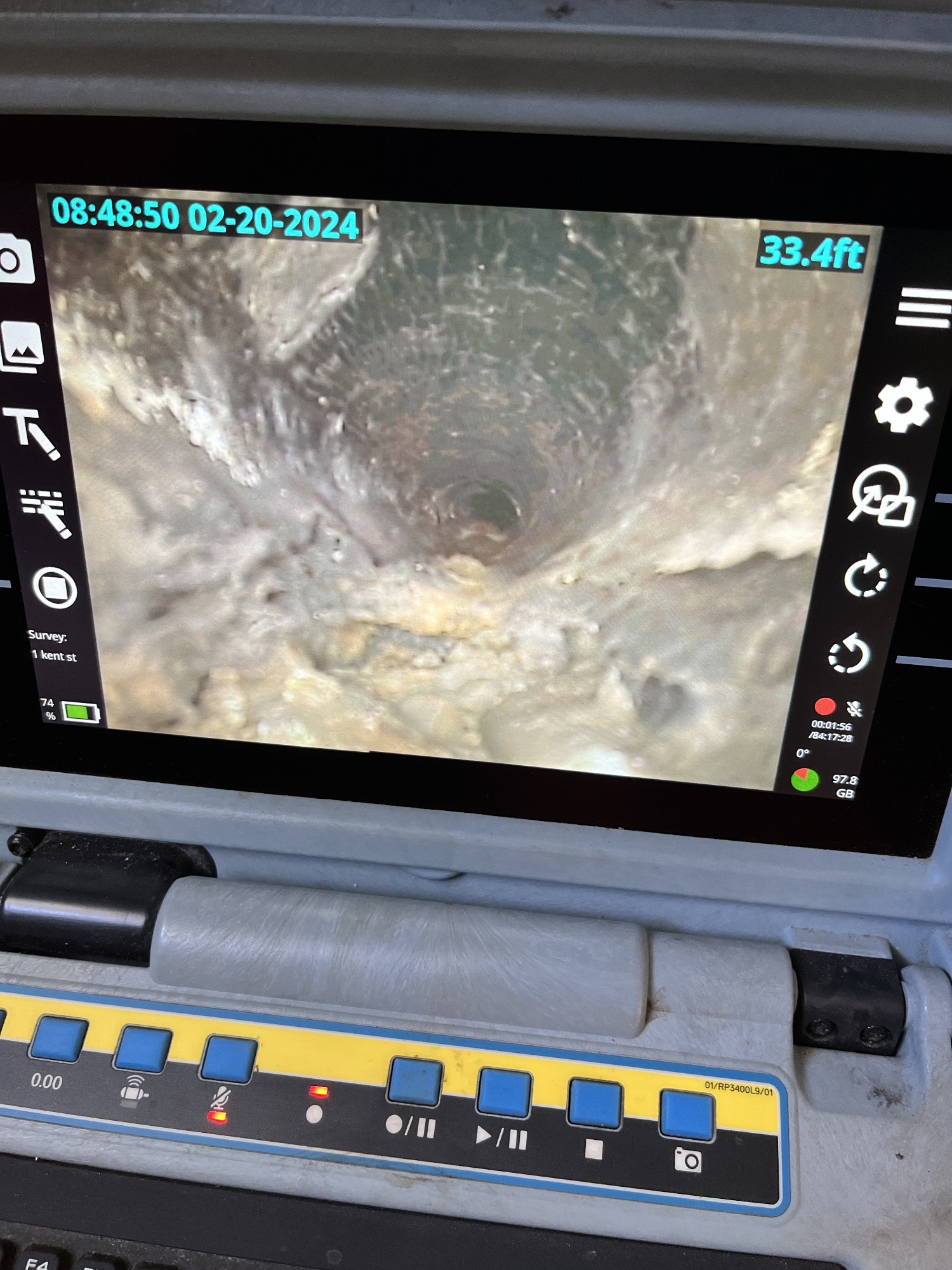


Pipe camera diagnostics in Dover NH allow plumbers to see inside your sewer and drain lines with high-resolution cameras, identifying blockages, cracks, and other issues without invasive digging.
Plumbing problems in your Dover, NH home can be frustrating, especially when you don't know what's causing slow drains or recurring clogs. Traditional methods of finding pipe issues often involve guesswork or digging up your yard to locate the problem.
This technology has changed how plumbers diagnose and fix pipe problems. Instead of making costly repairs based on assumptions, technicians can now pinpoint the exact location and nature of damage in pipes ranging from small household drains to larger sewer lines.
This article will help you understand how pipe camera diagnostics work and why they matter for Dover homeowners.
Let's break down the key points you should consider:
- Pipe camera diagnostics in Dover, NH
- What is pipe camera diagnostics?
- Common sewer and drain issues detected with pipe cameras
- Benefits of professional pipe camera diagnostics in Dover
- Signs you may need a pipe camera inspection
- What to expect during a pipe camera diagnostic service
You'll learn about common problems these cameras can detect, the benefits of using this technology, and when you might need an inspection for your own property.
Pipe camera diagnostics in Dover, NH
Pipe camera diagnostics help you find sewer problems without digging up your yard. A small waterproof camera travels through your pipes and shows what's happening inside them in real time.
This technology works for pipes ranging from 1.25 inches to 12 inches in diameter. The high-definition camera reveals clogs, cracks, tree root damage, and breaks that you can't see from the surface.
What a sewer camera inspection Dover service can find:
- Blockages from grease, waste, or foreign objects
- Cracks and breaks in pipe walls
- Tree roots growing into your sewer lines
- Pipe corrosion or deterioration
- Misaligned or collapsed sections
The process is straightforward. A technician feeds the camera through your drain or cleanout access point. The camera sends live video back to a monitor where you can see the condition of your pipes.
Most inspections take between 30 minutes to an hour depending on your system size. You get an accurate diagnosis without the cost and mess of excavation.
This service saves you money in the long run. Instead of guessing where problems exist, you know exactly what needs repair and where it's located. Many Dover plumbing companies use locating tools alongside the camera to mark the precise spot of any damage.
You should consider a camera inspection if you have slow drains, frequent backups, or before buying a property. It's also useful when trees grow near your sewer lines or if your home is more than 25 years old.
What is pipe camera diagnostics?
Pipe camera diagnostics uses specialized waterproof video cameras to inspect the inside of sewer and drain lines without digging or demolition. This technology shows exactly what's happening inside your pipes in real time.
How video cameras inspect sewer and drain lines
A trained technician inserts a flexible cable with a small camera attached into your drain or sewer line through an existing access point. The camera travels through pipes ranging from 1.25 inches to 12 inches in diameter.
As the camera moves through your system, it sends live video footage to a monitor above ground. The technician can see cracks, blockages, tree roots, and other problems as they happen.
The camera has its own lighting system to capture clear images inside dark pipes. Most systems also record the inspection so you can review footage later. The technician marks the exact location and depth of any problems found during the inspection.
This process works on pipes made from any material, including PVC, cast iron, clay, and concrete. The entire inspection typically takes 30 to 60 minutes depending on the length of your system.
Difference between camera diagnostics and traditional methods
Traditional pipe inspection required digging up your yard to find problems. This meant destroyed landscaping, high labor costs, and days of work to locate a single issue.
Camera diagnostics eliminates guesswork and unnecessary excavation. You know the exact location and nature of problems before any digging starts.
Key differences include:
- Cost: Camera inspection costs a fraction of exploratory digging
- Time: Complete inspections in under an hour instead of multiple days
- Accuracy: See actual conditions rather than making educated guesses
- Property damage: No destroyed driveways, yards, or landscaping
With drain video inspection in Dover NH, you only dig where problems actually exist.
Why Dover homeowners rely on video inspections
Dover's older homes often have aging sewer lines that develop problems over time. Video inspections catch small issues before they become expensive emergencies.
Many Dover homeowners use camera diagnostics when buying a house to check pipe conditions before closing. This reveals hidden problems that could cost thousands to repair later.
The service helps identify recurring clogs and slow drains quickly. Instead of treating symptoms repeatedly, you address the root cause shown on camera.
Video inspections also provide documentation for insurance claims and warranty work. You have proof of damage and its exact location when filing claims.
Common sewer and drain issues detected with pipe cameras
Pipe cameras reveal specific problems inside your sewer and drain lines that would otherwise remain hidden. These include tree roots breaking into pipes, structural failures like cracks and collapses, buildup from grease and debris, and sections that have shifted out of alignment.
Tree root intrusion inside sewer lines
Tree roots naturally seek out water sources, making your sewer lines a prime target. Small cracks or loose pipe joints release moisture and nutrients that attract roots from nearby trees and shrubs. Once roots find an entry point, they grow inside the pipe and expand over time.
Camera inspections show the exact location where roots have penetrated your sewer line. You'll see thin, hair-like roots in early stages or thick, tangled masses that completely block the pipe in advanced cases. The camera also reveals how much damage the roots have caused to the pipe structure itself.
Root intrusion is one of the most common sewer line problem detection Dover issues that cameras identify. The footage helps determine whether you need root removal, pipe lining, or full pipe replacement based on the severity of the invasion.
Cracks, corrosion, and collapsed pipes
Pipe cameras capture clear images of structural damage that threatens your sewer system. Cracks appear as lines or gaps in the pipe walls, while corrosion shows up as rust, deterioration, or thinning of metal pipes. Collapsed sections appear as complete breaks where the pipe has caved in.
Clay and cast iron pipes are particularly vulnerable to these issues. Clay pipes crack from ground shifting or age, while cast iron pipes corrode from chemical reactions with sewage. PVC pipes can crack from improper installation or extreme temperature changes.
According to the U.S. EPA's Deteriorating Buried Infrastructure Management report, cast iron pipes are susceptible to graphitic corrosion — an electrochemical reaction that degrades pipe walls over time — making older pipe materials in homes particularly prone to the kind of internal deterioration that only a camera inspection can accurately identify and locate.
The camera shows you:
- The size and location of each crack
- The extent of corrosion damage
- Whether a collapse is partial or complete
- The condition of surrounding pipe sections
This information helps plumbers plan targeted repairs. Small cracks might only need pipe lining, while collapsed sections require excavation and replacement.
Grease, sludge, and debris buildup
Camera inspections reveal accumulations of grease, soap residue, and other materials coating your pipe walls. Grease appears as thick, yellowish or white deposits that reduce the pipe's diameter. Sludge shows up as dark, slimy buildup along the bottom of the pipe.
You might also see foreign objects like wet wipes, sanitary products, or food waste caught in the line. The camera shows how much of the pipe is blocked and whether the buildup is causing slow drainage or complete blockages.
Regular camera inspections catch these buildups before they create emergency situations. The footage shows plumbers whether hydro jetting, snaking, or other cleaning methods will work best for your specific situation.
Misaligned or sagging pipe sections
Pipes can shift out of alignment due to soil settlement, ground movement, or poor installation. Camera footage shows these problems as visible offsets where pipe sections don't line up properly. Sagging sections, also called bellies, appear as low spots where the pipe has dropped.
These misaligned areas create spots where water and waste collect instead of flowing through. You'll see standing water or sediment buildup in these sections during the inspection. Over time, these low points become prime locations for clogs and backups.
Cameras measure the severity of the misalignment or sag. Minor issues might not need immediate repair, but significant problems require correction to restore proper drainage and prevent future blockages.
Benefits of professional pipe camera diagnostics in Dover
Professional pipe camera diagnostics in Dover gives you clear answers about your plumbing without guessing or tearing up property. This technology saves you money and time while giving you documented proof of what's happening inside your pipes.
Accurate problem identification before excavation
A professional pipe inspection service uses high-definition cameras to show exactly what's wrong with your pipes before any digging starts. The camera travels through your pipes on a flexible rod and sends back real-time video of blockages, cracks, tree root intrusions, and corrosion.
You get to see the exact location and size of problems. This means you won't pay for repairs in the wrong spot or waste money on unnecessary excavation.
The camera can measure how far into the pipe system the problem sits. Your technician marks this distance so repair crews know exactly where to dig if excavation becomes necessary.
Traditional methods required digging multiple holes to find problems. Camera diagnostics eliminates this guesswork and protects your lawn, driveway, and landscaping from unnecessary damage.
Saves money on unnecessary repairs
Camera inspections prevent you from paying for repairs you don't need. When technicians can see inside your pipes, they recommend only the fixes that actually solve your problems.
You avoid the cost of exploratory excavation. Digging up pipes just to look at them can cost thousands of dollars that camera inspection eliminates.
Cost savings include:
- No payment for incorrect diagnoses
- Reduced labor hours for pinpoint repairs
- Less property restoration after targeted fixes
- Prevention of emergency repairs through early detection
Early problem detection stops small issues before they become expensive emergencies. A small crack caught early might need simple sealing, while the same crack ignored could lead to a complete pipe replacement.
Helps plan targeted maintenance
Video documentation of your pipe condition helps you plan maintenance on your schedule instead of dealing with emergencies. You can budget for repairs and schedule work during convenient times.
The footage shows which sections of your system need attention first. You can prioritize repairs based on severity and avoid being caught off guard by sudden failures.
Regular camera inspections track how your pipes change over time. This creates a maintenance history that guides smart decisions about repairs versus replacement.
Your inspection service can create a maintenance schedule based on what they find. Properties with older systems benefit especially from planned inspections that catch problems during early stages.
Provides footage for insurance or real estate needs
The video and images from your pipe inspection create official documentation of your plumbing system's condition. This footage becomes valuable for insurance claims, property sales, and legal matters.
Insurance companies often require proof of damage before approving claims. Camera inspection footage shows exactly what caused backups or failures, making claims processing faster and more successful.
Documentation uses:
Purpose
How footage helps
Insurance claims
Proves cause and extent of damage
Home sales
Shows buyers the system condition
Warranty disputes
Documents pre-existing conditions
Property records
Creates baseline for future reference
Home buyers and sellers use inspection footage to negotiate fairly. Sellers can prove their systems work properly, while buyers know exactly what they're purchasing. This transparency prevents disputes and builds trust during real estate transactions.
Signs you may need a pipe camera inspection
Plumbing problems often start small but can signal bigger issues hiding in your pipes. Recognizing warning signs early helps you address problems before they turn into expensive repairs.
Slow drains or recurring backups
Water that drains slowly from your sinks, tubs, or toilets indicates a blockage somewhere in your pipes. If you notice multiple drains backing up at the same time, the problem likely exists in your main sewer line rather than individual fixtures.
Over-the-counter drain cleaners might provide temporary relief, but they don't solve underlying issues. When drains continue to slow down even after you've tried to clear them, a pipe camera inspection can identify the exact location and cause of the blockage.
Recurring backups are particularly concerning. Tree roots can grow into pipes through small cracks, creating blockages that keep coming back. Grease buildup, deteriorating pipes, or collapsed sections can also cause repeated problems. A camera inspection shows exactly what's causing the backup so your plumber can fix it properly the first time.
Unusual odors coming from drains
Sewer odors in your home indicate gases are escaping from your plumbing system. These smells usually mean something is wrong with your pipes or drainage system.
Foul odors can result from several issues. Cracked or broken pipes allow sewer gas to leak into your home. Dry P-traps might be the culprit in drains you rarely use, but persistent smells despite running water suggest more serious problems.
According to the U.S. EPA's SSO Frequent Questions resource, cracked or faulted sewer joints allow groundwater and snowmelt to infiltrate the sanitary sewer system, overloading it and increasing the risk of backups and overflows — conditions that go undetected without a video inspection of the line.
A pipe camera inspection reveals cracks, breaks, or blockages that trap waste and create odors. The camera can also identify ventilation issues that prevent proper air flow through your drainage system. Finding the source of the smell protects both your health and your home's air quality.
Wet spots or drainage issues in your yard
Unexplained wet areas in your yard often point to underground pipe leaks. You might notice patches of grass that stay green and grow faster than surrounding areas, even during dry weather.
Sewage leaking from damaged pipes acts as fertilizer, creating these unusually lush spots. You might also see indentations or sinkholes forming where soil has eroded around a broken pipe. Standing water or soggy ground when it hasn't rained signals water escaping from your plumbing system.
A pipe camera inspection locates the exact position of breaks or cracks in your underground pipes. This precision means your plumber only needs to dig in one specific spot rather than excavating large sections of your yard to find the problem.
Pre-purchase home plumbing inspections
Getting a pipe camera inspection before buying a home protects your investment. Many older properties in Dover have aging plumbing systems that look fine on the surface but hide serious problems inside the pipes.
A visual inspection can't reveal what's happening inside drain lines and sewer pipes. Tree roots, corrosion, bellied pipes, or deteriorating materials can cost thousands to repair after you've already bought the property.
The camera inspection provides clear evidence of pipe condition. You can use this information to negotiate repairs with the seller or adjust your offer price to account for needed plumbing work. This inspection typically costs a few hundred dollars but can save you from inheriting expensive plumbing problems.
What to expect during a pipe camera diagnostic service
A pipe camera diagnostic follows a clear process from start to finish. The service includes preparing access points, inserting the camera equipment, analyzing live footage, and getting expert recommendations based on what the inspection reveals.
Preparation and access points
Your plumber will start by identifying the best entry point to access your underground pipe system. Common access points include cleanout ports, drains, or toilet connections that provide direct routes into your sewer lines.
Before inserting the camera, the technician may clear any immediate blockages that could prevent the camera from moving through the pipes. This step ensures the equipment can travel smoothly and capture clear footage.
The plumber will explain which access point they plan to use and why it provides the best route for inspecting your specific plumbing concern. They'll also protect your floors and surrounding areas with drop cloths or protective coverings during the setup process.
Live camera insertion and navigation
The technician inserts a waterproof camera attached to a flexible cable into your pipes. This camera includes LED lights that illuminate the dark interior of your plumbing system.
As the camera moves through your pipes, it sends live video footage to a monitor that both you and the plumber can watch. The flexible cable allows the camera to navigate through bends, joints, and turns in pipes ranging from 2 to 36 inches in diameter.
The plumber controls the camera's speed and direction to examine areas of concern more closely. During underground pipe inspection in Dover, NH, this technology lets professionals see exactly what's happening inside your sewer lines without any digging or excavation.
Recording and analyzing the footage
The inspection footage is recorded for detailed review and future reference. Your plumber examines the video feed in real time, looking for specific problems like cracks, corrosion, root intrusion, clogs, pipe misalignment, or structural damage.
Per the U.S. EPA's guide on Optimizing Operation, Maintenance, and Rehabilitation of Sanitary Sewer Collection Systems, structural condition assessment is a primary objective of any pipeline inspection program — and closed-circuit television is identified as a key technique for locating defects, prioritizing repairs, and supporting cost-effective long-term management of collection systems.
The technician may pause or rewind the footage to study problem areas more carefully. Many modern camera systems include distance markers that show exactly where issues are located within your pipe system.
You'll receive a copy of the recorded inspection, often provided digitally the same day. This documentation helps you understand the current condition of your pipes and serves as a baseline for future inspections.
Recommendations for repair or maintenance
After completing the inspection, your plumber will explain what they found and what it means for your plumbing system. They'll identify which issues need immediate attention and which ones you can monitor over time.
You'll receive specific repair recommendations based on the inspection results. These might include hydro jetting to remove blockages, pipe relining for cracks, root removal services, or full pipe replacement in severely damaged sections.
The plumber will provide cost estimates for recommended repairs and explain your options. They can prioritize repairs based on urgency and your budget, helping you make informed decisions about maintaining your plumbing system.
Conclusion
Pipe camera diagnostics give you a clear view of what's happening inside your plumbing system. You don't have to guess about problems or dig up your yard to find issues. The camera shows exactly where blockages, cracks, or tree roots are causing trouble.
Dover NH property owners benefit from this technology because it saves time and money. You get accurate information about your pipes before making repair decisions. This helps you avoid unnecessary work and focus on fixing the actual problem.
Professional technicians in Dover use high-definition cameras to inspect your sewer lines and drains. You receive documentation of your pipe's condition, which helps with planning repairs or maintenance. The equipment can navigate through complex pipe systems to reach problem areas.
Regular video inspections help you catch issues early. You can address small problems before they turn into expensive emergencies. The technology is reliable and gives you peace of mind about your plumbing system's health.
Working with experienced local professionals ensures you get thorough diagnostics. They know how to interpret what the camera shows and recommend appropriate solutions for your specific situation.
Contact Seacoast Sewer & Drain to schedule a professional pipe camera diagnostic in Dover, NH and get an accurate assessment of your sewer lines before a hidden problem turns into a costly emergency repair.
Recent Blog Post
Customer Reviews