

Clogged drains can disrupt your daily routine and cause serious damage to your plumbing system. High pressure drain jetting is a professional cleaning method that uses water at pressures up to 4,000 psi to blast away blockages, grease, debris, and buildup from your pipes without damaging them. This advanced technique works where traditional methods like snaking or chemical cleaners often fail.
You might wonder if this service is right for your home or business. High pressure jetting can clear everything from simple soap buildup to stubborn tree roots, making it a powerful solution for both residential and commercial properties. Understanding how this process works helps you make informed decisions about maintaining your plumbing system.
This guide walks you through the basics of high pressure drain jetting, explaining the technology behind it and when you should consider using it.
Here's what you need to know:
- What is high pressure drain jetting?
- How high pressure drain jetting works
- Common problems solved by high pressure jetting
- Benefits of choosing professional hydro jetting services
- Signs your home or business needs high pressure drain jetting
- What to expect from a professional jetting appointment
Keep reading! You'll learn what problems it solves, the benefits of professional service, and what happens during an appointment.
What is high pressure drain jetting?
High pressure drain jetting uses powerful streams of water to blast through clogs and clean pipes from the inside out. The process can reach pressures between 1,500 and 4,000 PSI to break apart blockages that traditional methods can't remove.
The basics of hydro jetting technology
High pressure drain jetting works through specialized equipment that pumps water through a flexible hose at extremely high pressure. A plumber inserts a nozzle attached to this hose into your drain or sewer line. The nozzle shoots water jets in multiple directions as it moves through the pipe.
The water pressure typically ranges from 1,500 to 4,000 PSI, with flow rates between 2 and 10 gallons per minute. This combination of pressure and volume creates enough force to cut through grease, scale, tree roots, and other stubborn blockages.
The nozzle design matters for the cleaning process. Different nozzles handle different jobs. Some spray water forward to break through clogs, while others spray backward to propel the hose through the pipe and scour the walls clean.
How it compares to traditional snaking
Traditional drain snakes use a rotating cable with a cutting head to bore a hole through blockages. This method creates a path for water to flow but leaves debris stuck to pipe walls. The clog often returns within months.
High pressure drain cleaning removes the entire blockage plus buildup on pipe walls. Your pipes end up as clean as when they were new. A snake only creates a small opening, while hydro jetting clears the full diameter of the pipe.
Snaking works for simple clogs like hair or small objects. But it can't handle grease buildup, mineral deposits, or tree roots as effectively as water jetting. You also risk damaging old pipes with aggressive snaking, while controlled water pressure adjusts to your pipe's condition.
Why it's effective for sewer and large drain lines
Sewer lines and large drains accumulate years of grease, soap scum, and mineral deposits that create thick layers inside pipes. High pressure water cuts through these layers completely.
Tree roots often invade sewer lines through small cracks. The powerful water jets can slice through these roots and flush them out of your system. The pressure also cleans the entire circumference of larger pipes that smaller tools can't reach.
Your sewer system benefits from the thorough cleaning because it prevents future backups. The process removes debris that would eventually cause another clog. Large commercial drains that handle heavy use stay functional longer after hydro jetting compared to other cleaning methods.
How high pressure drain jetting works
High pressure drain jetting uses specialized equipment to blast water through your pipes at forces ranging from 1,500 to 4,000 PSI. The process combines powerful pumps, precision nozzles, and controlled water flow to break apart and flush away blockages without harming your plumbing system.
Inside the powerful jets and nozzles
The hydro jet system starts with a powerful pump that generates intense water pressure. This pump connects to a high-pressure hose designed to withstand forces up to 4,000 PSI without bursting or leaking.
At the end of the hose, specialized nozzles direct water streams at different angles and velocities. These nozzles come in various designs for different jobs. Forward-facing jets break through blockages ahead, while rear-facing jets propel the hose through your pipes and scour the walls clean.
The nozzle design matters because it determines how effectively the water removes specific types of buildup. Some nozzles work best for grease, while others tackle tree roots or mineral deposits. Your plumber selects the right nozzle based on what's blocking your drain.
Water pressure ranges and what they do
Most residential drain cleaning uses water pressure between 1,500 and 4,000 PSI with flow rates of 2 to 10 gallons per minute. Lower pressures around 1,500 to 2,000 PSI handle standard clogs like grease buildup and soap scum in your home's drains.
Medium pressures from 2,000 to 3,000 PSI cut through tougher blockages including hardened scale and tree root intrusions. Higher pressures up to 4,000 PSI tackle severe obstructions in commercial systems or main sewer lines.
The pressure level depends on your pipe material and condition. Older pipes may need gentler pressure to avoid damage, while newer PVC or cast iron pipes can handle maximum force.
Typical process during a professional service
Your plumber begins by inspecting your drain system, often using a camera to locate the blockage and check pipe condition. This step helps them choose the right pressure level and nozzle type for your specific situation.
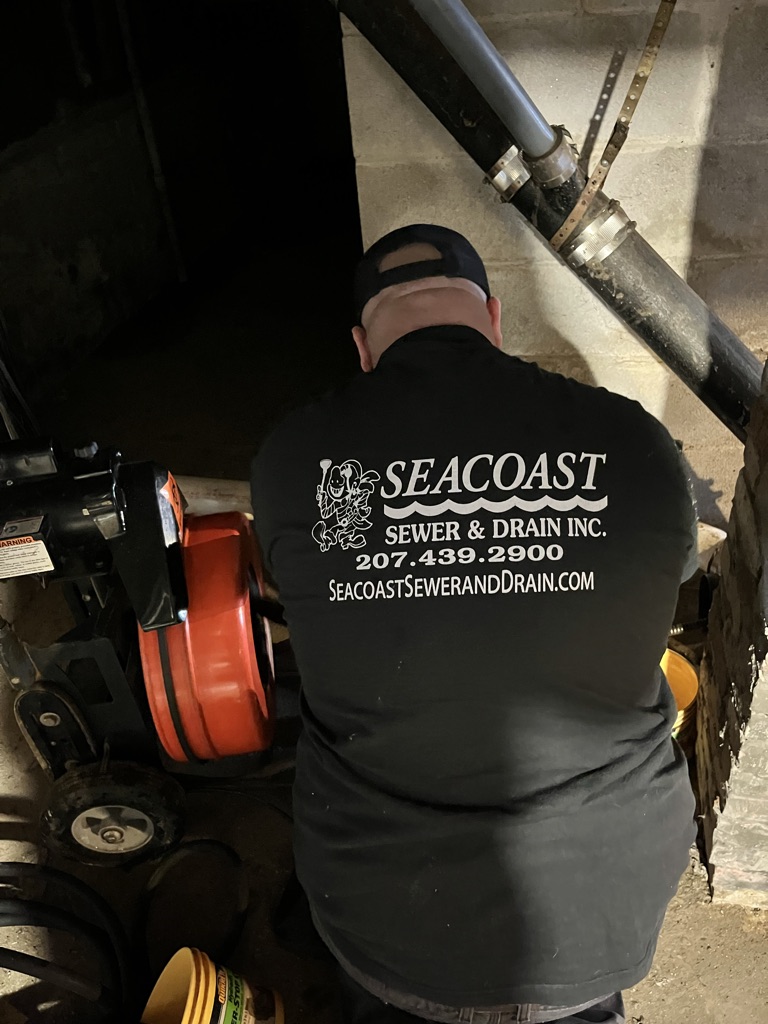
Next, they insert the high-pressure hose with the selected nozzle into your drain access point. The machine activates and sends powerful water streams through your pipes. The water breaks apart debris while simultaneously flushing everything toward the main sewer line.
The entire process typically takes 30 minutes to 2 hours depending on the severity of your blockage and the length of pipe needing treatment. Your plumber may run multiple passes to ensure complete cleaning.
Common problems solved by high pressure jetting
High pressure jetting tackles blockages that regular drain cleaning methods can't handle. This technique uses water streams reaching up to 4,000 psi to break through grease buildup, destroy tree roots, dissolve mineral deposits, and fix drainage issues that keep coming back.
Grease and sludge buildup
Grease, oils, and fats stick to your pipe walls over time. These substances cool and harden inside your drains, creating thick layers that trap other debris. Kitchen sinks and commercial food service drains face this problem most often.
According to the U.S. EPA, fats, oils, and grease from residential and commercial sources can partially block or clog sewer lines, which supports using high pressure drain jetting to remove buildup before it restricts flow.
Traditional drain snakes only poke holes through grease clogs. The buildup stays on the pipe walls and closes back up within weeks. High pressure jetting completely scours the interior surface of your pipes.
The forceful water stream melts and washes away years of accumulated grease. Your pipes get restored to nearly their original diameter. This thorough cleaning prevents quick re-clogging and extends the time between drain clog removal service appointments.
Restaurants and homes with frequent cooking benefit most from this solution. The process handles both soft sludge and hardened grease deposits.
Tree roots and organic debris
Tree roots grow into sewer lines through tiny cracks and pipe joints. They spread inside your pipes searching for water and nutrients. These roots create dense blockages that trap toilet paper, waste, and other organic matter.
According to the U.S. EPA, tree roots entering through defects or openings in a sewer line may cause blockages, which reinforces why hydro jet drain cleaning is often used to clear root intrusions from sewer lines.
Root intrusions cause serious sewer line cleaning challenges. The roots form thick mats that traditional methods can't remove completely. Small pieces left behind regrow quickly and block your line again.
High pressure jetting cuts through root masses with concentrated water streams. The pressure shreds roots into small pieces that flush out of your system. Specialized rotating nozzles scrape roots off pipe walls as they move through the line.
This method removes roots more completely than mechanical cutting tools. After jetting, your sewer line flows freely until new roots grow back. Many homeowners schedule regular jetting to prevent major root blockages from forming.
Mineral deposits and hardened scale
Hard water contains minerals like calcium and magnesium. These minerals accumulate on pipe walls and form rock-hard scale deposits. The buildup narrows your pipes and restricts water flow over time.
Scale creates rough surfaces that catch debris and speed up new blockages. It's especially common in older homes with galvanized steel or cast iron pipes. Chemical drain cleaners can't dissolve these hardened mineral layers.
High pressure water streams break apart scale deposits through mechanical force. The jetting equipment uses various nozzle types to chip away at different hardness levels. Some nozzles rotate to scrub the entire pipe circumference.
The process removes years of mineral buildup in one treatment. Your pipes regain their full diameter and flow capacity. This cleaning extends pipe life and reduces future drainage problems.
Slow drains and recurring backups
Drains that empty slowly signal partial blockages building up in your pipes. You might notice gurgling sounds, bad smells, or water pooling around fixtures. These symptoms get worse over time as blockages grow larger.
Recurring clogs mean previous cleaning methods didn't remove all the buildup. Snaking creates temporary openings but leaves debris clinging to pipe walls. The remaining material quickly rebuilds and blocks your drain again within days or weeks.
High pressure jetting solves persistent drainage issues by cleaning the entire pipe system. The water reaches far into your sewer line, removing blockages that form deep underground. It clears both the main obstruction and all the buildup leading up to it.
You get complete blockage removal instead of temporary fixes. Your drains flow at full speed after treatment. The thorough cleaning means you'll need drain clog removal service less frequently than with other methods.
Benefits of choosing professional hydro jetting services
Professional hydro jetting offers complete pipe cleaning with pressurized water that reaches up to 35,000 PSI, delivering results that basic drain cleaning methods can't match. When experts handle the equipment, you get thorough clog removal, long-term prevention, and improved drainage without risking damage to your plumbing system.
Faster, deeper cleaning than snaking
Traditional drain snakes only punch a hole through clogs, leaving debris stuck to your pipe walls. Hydro jetting service scours the entire interior surface of your pipes, removing grease, mineral deposits, hair, food particles, and even tree roots that have invaded your lines.
The high-pressure water spray reaches every angle inside your pipes. This means you get a complete clean instead of a temporary fix. A plumber can typically finish a hydro jetting job in less time than repeated snaking attempts.
The water pressure ranges from 4,000 to 35,000 PSI depending on your pipe type and clog severity. This force breaks apart stubborn blockages that would resist manual snaking tools or chemical drain cleaners.
Reduces future clogs and maintenance
Hydro jetting removes buildup from your pipe walls rather than just creating a pathway through it. This thorough cleaning means your drains stay clear longer after service.
When professionals clean your pipes down to the original diameter, water and waste flow freely again. You won't deal with slow drains or frequent backups that plague homes with only surface-level cleaning.
Regular hydro jetting service prevents small issues from becoming major problems. Many homeowners and businesses schedule preventive jetting to avoid emergency calls and water damage. The clean pipes resist new buildup formation, which extends the time between needed cleanings.
Safe for pipes when done by experts
Professional plumbers adjust water pressure based on your specific pipe material and condition. They know exactly how much PSI to use for PVC, cast iron, clay, or older pipes without causing damage.
Trained technicians inspect your pipes first, often using camera equipment to check for weak spots or existing damage. This assessment prevents problems before high-pressure water enters your system. They can identify sections that need repair instead of jetting.
Key safety measures professionals take:
- Adjusting PSI for pipe age and material
- Using proper nozzle sizes and types
- Inspecting pipes before and after service
- Avoiding jetting on damaged or collapsed pipes
- Following manufacturer equipment guidelines
Improves overall drain flow performance
Your drains work like new after hydro jetting removes years of accumulated debris. Water exits fixtures quickly without gurgling sounds or slow drainage that signals partial blockages.
The restored pipe diameter allows maximum flow capacity through your plumbing system. Kitchen sinks drain faster, showers don't puddle, and toilets flush completely without multiple attempts.
You'll notice improved performance throughout your entire drainage network. Since hydro jetting cleans the full length of pipes, every connected fixture benefits from the service. This comprehensive cleaning also eliminates odors caused by trapped debris and bacterial growth in your lines.
Signs your home or business needs high pressure drain jetting
Recognizing when your drainage system needs professional attention can prevent costly emergency repairs. Multiple drains that won't clear, bad smells, or repeated backups often signal deeper problems that basic drain cleaners can't fix.
Water backing up repeatedly
When water backs up in your drains more than once, it means you have a blockage that regular cleaning methods aren't solving. You might notice water rising in your toilet when you run the washing machine. Or you might see water coming up in your shower drain when someone flushes a toilet.
These repeated backups happen because something is blocking your main drain line. Store-bought drain cleaners only create a small hole through the clog. The blockage stays in your pipes and continues to cause problems within days or weeks.
According to NYC Department of Environmental Protection, when wastewater cannot move freely through the sewer system because of a blockage or break, it can back up into a home, which supports addressing recurring backups with prompt sewer line cleaning.
High pressure drain jetting removes the entire blockage instead of just punching through it. The powerful water stream clears out grease, soap buildup, and debris completely. This means your drains stay clear for much longer than they would with temporary fixes.
Common backup patterns include:
- Water appearing in floor drains when using upstairs fixtures
- Toilets bubbling when sinks drain
- Multiple fixtures backing up at the same time
- Backups that return within a few days of snaking
Persistent slow drains throughout the system
One slow drain usually means a local clog near that fixture. But when multiple drains move slowly throughout your property, you're dealing with buildup in your main line. Your kitchen sink might drain slowly at the same time your bathroom tub takes forever to empty.
This whole-system slowness tells you that debris has built up along your pipe walls. Each fixture adds more water than the narrowed pipes can handle. The problem gets worse over time as more material sticks to the existing buildup.
Standard drain snakes can't reach buildup in your main sewer line. They also can't remove the layers of grease and minerals coating your pipe walls. High pressure jetting scours the entire interior surface of your pipes clean.
You'll notice the difference right away after jetting. Water flows freely through all your drains at once. The treatment reaches every section of your drainage system, not just the area right around the clog.
Foul odors from drains or yard
Bad smells coming from your drains mean organic matter is rotting inside your pipes. These odors smell like sewage, rotten eggs, or decay. You might notice the smell near drain openings or coming from your yard where sewer lines run underground.
Food particles, grease, hair, and other debris stick to pipe walls and start breaking down. Bacteria feed on this material and create gases that smell terrible. The odor escapes through any drain opening in your home or through cracks in outdoor pipes.
Pouring chemicals down your drain only masks the smell temporarily. The rotting buildup remains stuck to your pipes. High pressure jetting removes all the organic matter that causes these odors.
Signs odors indicate serious buildup:
- Smells that return quickly after cleaning
- Odors near multiple drains
- Sewage smell in your yard
- Stronger smells during hot weather
Older pipes with unseen buildup
Pipes in homes or businesses over 20 years old often have significant buildup you can't see. Years of grease, soap scum, mineral deposits, and debris create thick layers on pipe walls. This narrows the pipe opening and reduces water flow.
Older cast iron and clay pipes develop rough interior surfaces over time. These rough spots catch debris more easily and speed up buildup. Even if you don't have obvious drainage problems yet, decades of use leave substantial deposits inside the pipes.
Regular high pressure jetting maintains older plumbing systems before major problems develop. The treatment removes buildup before it causes complete blockages. This preventive approach extends the life of aging pipes and prevents emergency repairs.
Properties with older plumbing benefit from jetting every 18 to 24 months. This schedule keeps pipes clear and helps you avoid unexpected drainage failures.
What to expect from a professional jetting appointment
A professional jetting appointment follows a clear process from start to finish. The technician will inspect your pipes, perform the cleaning, and evaluate the results to make sure your drain system works properly.
Inspection and prep before jetting begins
The technician starts by asking about your drain problems and any symptoms you've noticed. They need to know if you have slow drains, complete blockages, or recurring clogs.
Before running high-pressure water through your pipes, the plumber uses a specialized camera to inspect the inside of your drain lines. This camera inspection shows the exact location of blockages, the condition of your pipes, and what's causing the problem. The technician looks for grease buildup, tree roots, mineral deposits, or other debris.
This inspection step is important because it tells the plumber if your pipes can handle the high water pressure. Older or damaged pipes might need repairs before jetting can happen safely. The camera also helps the technician choose the right pressure level and nozzle type for your specific situation.
The plumber will locate the best access point to your sewer line, usually through a cleanout port. They'll prepare the work area by laying down protective materials and setting up their equipment.
The jetting process step by step
The technician inserts a specialized hose with a multi-directional nozzle into your drain line through the access point. This hose connects to a machine that pumps water at pressures between 2,000 and 4,000 PSI.
When the water starts flowing, the nozzle releases powerful streams in multiple directions. Rear-facing jets push the hose forward through the pipe while front and side jets blast away blockages and buildup. The high-pressure water cuts through grease, breaks up tree roots up to a quarter-inch thick, and removes scale from pipe walls.
The technician slowly feeds the hose through your entire drain system. They adjust the pressure and control the speed based on what they found during the inspection. The water pushes all debris downstream toward the main sewer line or septic system where it can flow away safely.
Clean-up and post-service evaluation
After completing the jetting, the technician runs the camera through your pipes again. This second inspection confirms that blockages are gone and your pipes are clean. You can see the before and after images yourself on the camera monitor.
The plumber checks that water flows freely through all your drains. They'll also look for any damage that the camera inspection revealed and explain what repairs you might need in the future.
The technician cleans up the work area and properly stores all equipment. They should explain what they found, what they removed, and give you maintenance tips to keep your drains flowing well. Most plumbers provide documentation of the camera inspections for your records.
Conclusion
High pressure drain jetting offers a reliable way to keep your plumbing system working properly. This method uses water streams ranging from 1,500 to 4,000 PSI to remove clogs and buildup from your pipes.
Unlike traditional snaking that only pokes holes through blockages, hydro jetting cleans the entire inside surface of your pipes. This means you get better results that last longer.
The process works for both residential and commercial properties. You can use it on sewer lines, drain pipes, and other plumbing systems that need deep cleaning.
If you notice slow drains, frequent backups, or bad odors coming from your plumbing, high pressure jetting might be the solution you need. This service requires professional equipment and training, so you should hire a licensed plumber to perform the work.
The investment in hydro jetting typically costs more upfront than basic snaking. However, the thorough cleaning means you spend less time and money dealing with repeat problems. Your pipes stay cleaner for much longer periods between maintenance visits.
Contact Seacoast Sewer & Drain to schedule high pressure drain jetting and restore full flow in your sewer and drain lines before buildup leads to repeat backups.
Recent Blog Post
Customer Reviews