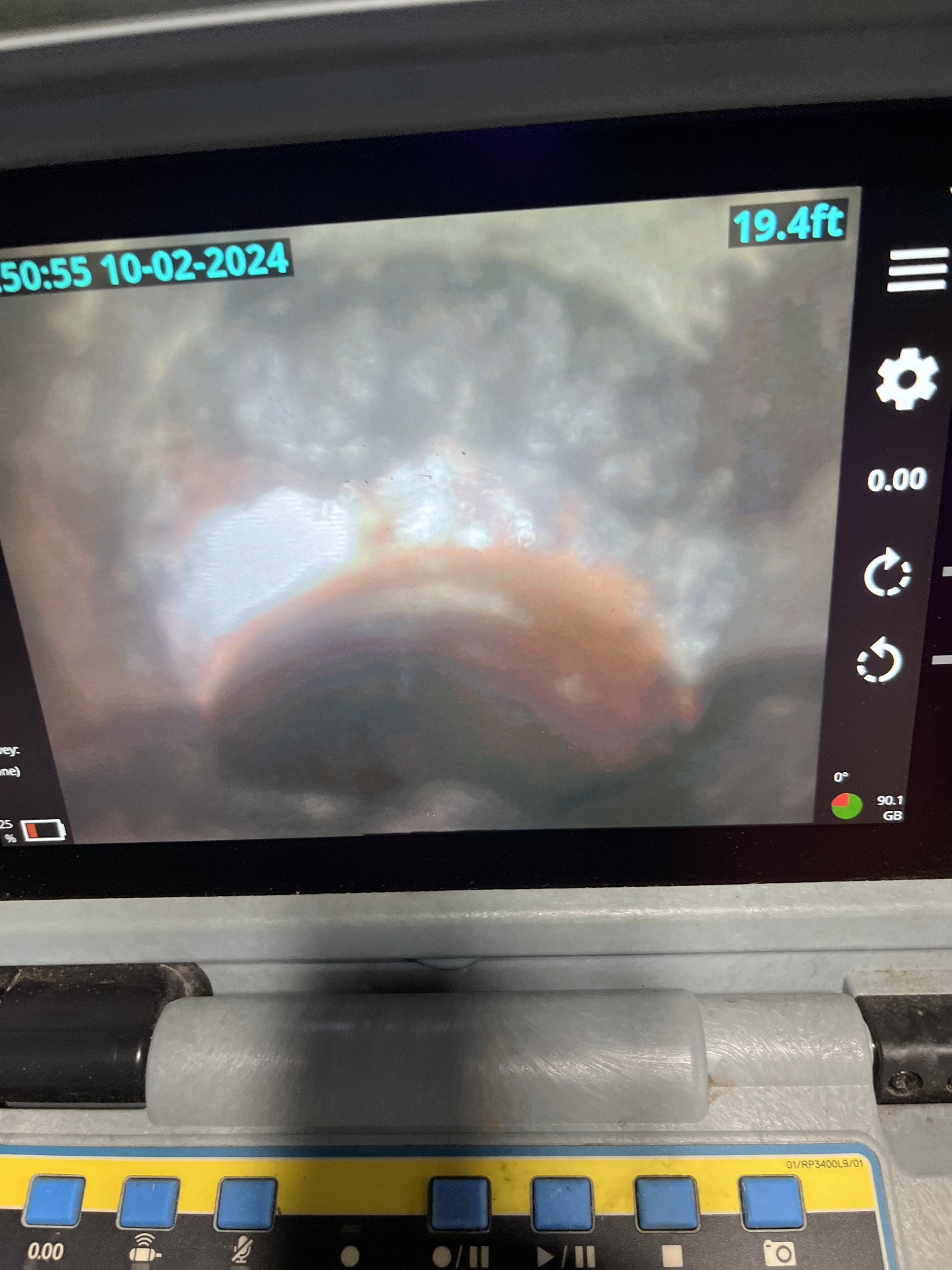


Clogged drains and sewer backups can cause serious damage to your home, but finding the source of the problem used to mean digging up your yard. Video pipe inspection uses specialized cameras to look inside your underground pipes and identify blockages, leaks, and damage without any excavation. This technology has changed how plumbers diagnose sewer and drainage issues.
A small waterproof camera travels through your pipes and sends live video footage back to a monitor. This lets technicians see exactly what's happening inside your sewer lines in real time. They can spot cracks, tree root intrusions, clogs, and other problems that affect how your plumbing system works.
Understanding how video pipe inspection works can help you make better decisions about your home's plumbing. In this article, you'll learn how video pipe inspection works, what common problems it uncovers inside sewer and drain lines, and why it gives homeowners a faster and more cost-effective path to accurate plumbing repairs.
Here's what you need to know:
- Video pipe inspection: A modern approach to sewer line diagnostics
- How video pipe inspection technology works
- Problems commonly found during a sewer camera inspection
- Signs your home may need a drain camera inspection service
- Benefits of scheduling a professional video pipe inspection
- What to expect during a professional underground sewer line inspection
Keep reading! You'll learn what problems this technology can find, when you might need an inspection, and what benefits it offers compared to traditional methods.
Video pipe inspection: A modern approach to sewer line diagnostics
Video pipe inspection uses a waterproof camera to look inside your sewer and drain lines without digging. The camera travels through your pipes on a flexible rod and sends live video to a screen above ground.
This method lets plumbers see exactly what's happening inside your pipes in real time. They can spot problems quickly and know where to focus repairs.
Common issues that video inspection finds:
- Blockages from grease, roots, or debris
- Cracks in pipe walls
- Leaks and structural damage
- Collapsed sections
- Pipe corrosion
The camera provides clear footage of your pipe's condition from the inside. This means plumbers don't have to guess where problems are or dig up your yard to find them.
Detecting sewer line damage becomes faster and more accurate with this technology. The high-resolution camera captures detailed images that show even small cracks or early signs of wear.
You save time and money because your plumber knows the exact location and type of problem before starting work. There's no need for exploratory digging or multiple repair attempts.
The inspection is non-invasive and works for many types of underground pipes. It's useful for sewer lines, storm drains, and lateral connections.
Technicians can record the video for your records or to show you what repairs are needed. This gives you a clear understanding of your pipe's condition and why certain repairs matter.
How video pipe inspection technology works
Video pipe inspection uses specialized cameras mounted on flexible rods or robotic crawlers to capture real-time footage inside drainage systems. The equipment transmits live video to technicians above ground, revealing blockages, cracks, and other issues without excavation.
Inserting high-resolution cameras into drain lines
A technician inserts the camera system through existing access points like manholes, drains, inlets, or vaults. The equipment works in pipes ranging from 2 to 36 inches in diameter.
The camera attaches to either a flexible push rod or a robotic crawler, depending on the pipe size and length. Push rods work well for smaller residential lines and shorter distances. Robotic crawlers navigate larger commercial and municipal pipes that extend hundreds or thousands of feet.
The camera features high-definition imaging and adjustable LED lights to capture clear footage in dark, wet conditions. As the equipment moves through the pipe, it sends a continuous video feed to a monitor at ground level. The technician controls the camera's speed and can pause at any point to examine specific areas more closely.
Modern systems include built-in locators that help pinpoint the camera's exact position underground. This technology tracks depth and distance from the entry point.
Locating blockages and structural damage in real time
The live video feed shows the interior pipe conditions as they actually exist. You can see blockages from grease buildup, debris accumulation, or foreign objects lodged in the line.
The camera reveals structural problems including:
- Cracks and fractures in pipe walls
- Collapsed or sagging sections
- Misaligned pipe joints
- Corrosion and deterioration
- Root intrusions breaking through connections
Per the U.S. EPA's Preventing Stormwater Contamination from Sanitary Sewage, cracked or compromised sewer mains and root infiltration into pipes are primary pathways through which groundwater contaminates sanitary sewer systems — and closed-circuit television inspection is specifically identified as a useful tool for locating these infiltration sources.
Technicians identify the exact location and severity of each problem during the inspection. The video timestamp and distance markers help create accurate records of where issues exist. This information guides repair decisions and helps determine whether spot repairs or full pipe replacement makes more sense for your situation.
Mapping underground sewer line conditions
The inspection process creates a complete visual record of your pipe system. Technicians document pipe material, diameter, alignment, and overall condition throughout the entire line.
The video footage gets stored digitally for future reference. Many inspection reports include detailed maps showing problem locations relative to your property boundaries and landmarks. These maps use GPS coordinates and depth measurements to mark exactly where issues exist underground.
The documentation verifies pipe conditions before and after repairs. Property owners and municipalities use these records for maintenance planning and compliance requirements. The detailed mapping also helps future service providers understand your system layout without starting from scratch.
Problems commonly found during a sewer camera inspection
A sewer camera inspection reveals several types of damage and deterioration that can affect your plumbing system. The most frequent issues include invasive tree roots, structural pipe damage, accumulated debris, and improper pipe positioning.
Tree root intrusion inside underground pipes
Tree roots cause some of the most serious damage found during video pipe inspections. Roots naturally grow toward moisture and can detect even small amounts of condensation or minor leaks around your sewer pipes.
Once roots find a way inside through tiny cracks or loose joints, they expand rapidly. This growth creates major blockages that prevent proper drainage. The roots can also cause sections of pipe to collapse entirely.
Older pipes made from clay, concrete, or cast iron face the highest risk of tree root intrusion. These materials develop small openings over time that give roots easy entry points. Even small root intrusions can quickly become severe problems if left untreated.
Cracked, corroded, or collapsed sewer lines
Structural damage to pipes shows up clearly on camera inspections. Cracks develop from ground shifting, heavy surface loads, or natural pipe deterioration over time. These openings allow wastewater to leak out into the surrounding soil.
Corrosion eats away at metal pipes and creates weak spots that eventually fail. You'll see this most often in older cast iron or steel pipes that have been in service for decades.
Collapsed pipes represent the most severe structural failure. A collapse completely blocks the flow of wastewater and requires immediate repair. The camera inspection identifies exactly where the collapse occurred and how much of the pipe is affected.
When pipes leak or collapse, wastewater contaminates groundwater and erodes soil around the pipe. This damage creates additional structural problems that spread beyond the original issue.
According to the U.S. EPA's Groundwater Contamination guide, sewer pipes carrying waste can leak fluids into surrounding soil and groundwater — and since sewage contains organic matter, bacteria, viruses, and heavy metals, a cracked or failing pipe poses risks that extend well beyond the property where the damage occurs.
Grease buildup and persistent drain blockages
Accumulated grease and debris create thick coating on pipe walls that restricts water flow. Kitchen waste, cooking oils, and fat solidify inside pipes as they cool. This buildup narrows the pipe opening and catches other materials passing through.
Debris accumulation includes items that shouldn't enter the sewer system. The camera reveals exactly what's blocking your pipes and where the blockage sits.
These blockages cause slow drains, backups, and foul odors in your home. Regular buildup also indicates problems with your pipe slope or recurring issues that need correction.
Pipe bellies and offset joints
Pipe bellies form when sections of your sewer line sag below their proper grade. Ground settling or poor initial installation causes these low spots. Water and waste collect in the belly instead of flowing through properly.
Offset joints occur when pipe sections separate or shift out of alignment. This misalignment creates gaps where waste catches and builds up. The camera shows the exact degree of separation and whether the joint has completely failed.
Both conditions prevent proper drainage and create spots where blockages form repeatedly. They also indicate that soil around your pipes has shifted or eroded. You'll need repair or replacement to restore proper function since these problems won't resolve on their own.
Signs your home may need a drain camera inspection service
Certain warning signs indicate problems hidden deep within your plumbing system that require professional investigation. A drain camera inspection service can pinpoint the exact cause and location of issues that are otherwise invisible from the outside.
Recurring backups and slow-moving drains
When you notice water backing up in your sinks, tubs, or toilets more than once, you're dealing with a persistent problem that simple solutions won't fix. Slow-moving drains that happen repeatedly suggest a blockage deep in your pipes.
If you've tried plungers, drain snakes, or chemical cleaners multiple times without lasting results, the issue lies beyond what these tools can reach. A drain camera inspection service can reveal what's causing the repeated clogs, whether it's tree root intrusion, pipe damage, or accumulated debris.
Multiple drains backing up at the same time signals a main line problem rather than an isolated clog. This situation requires immediate professional attention to identify the source before it leads to sewage backups in your home.
Unpleasant sewer odors indoors or outdoors
Sewer odors coming from your drains, yard, or basement indicate gases are escaping from somewhere in your plumbing system. These smells shouldn't be present if your pipes are intact and functioning properly.
A camera inspection can locate cracks, broken seals, or damaged pipes that allow sewer gases to escape. The camera shows exactly where the damage exists so repairs can target the specific problem area.
Persistent odors that don't go away with cleaning or ventilation point to structural issues within your drain or sewer lines. Standing water from leaks can also create foul smells that worsen over time.
Wet areas in the yard without rain
Unexplained wet spots, soggy patches, or areas of unusually green grass in your yard can indicate a leaking sewer line underground. Water from broken pipes saturates the soil and creates these visible signs at the surface.
A drain camera inspection service identifies the exact location and severity of the leak without digging up your entire yard. The camera travels through your pipes to show cracks, breaks, or separated joints that allow water to escape.
Sunken areas in your lawn may also develop as water erodes soil around damaged pipes. The longer these leaks continue, the more damage occurs to both your plumbing system and your property.
Plumbing concerns during real estate transactions
Older homes often have aging plumbing systems that may contain hidden problems not visible during a standard home inspection. A camera inspection provides a clear picture of pipe condition before you purchase a property.
This inspection is particularly important for homes with original plumbing from several decades ago. The camera can reveal corrosion, deterioration, improper installation, or outdated materials that will need replacement.
Sellers can also benefit from camera inspections by identifying and addressing issues before listing their property. Knowing the true condition of your drain and sewer lines prevents surprises during negotiations and protects your investment.
Benefits of scheduling a professional video pipe inspection
Professional video pipe inspection gives you clear answers about your plumbing system's condition without guessing or causing unnecessary damage to your property. This technology helps you make informed decisions about repairs and maintenance while saving time and money.
Accurate diagnosis before excavation begins
A video pipe inspection shows you exactly what's wrong with your pipes before any digging starts. The camera travels through your pipes and sends back real-time images that reveal cracks, blockages, root intrusions, and corrosion. This means you won't waste money digging up the wrong section of your yard or breaking through walls unnecessarily.
The high-resolution camera captures detailed footage that technicians can review and analyze. You get to see the same images, which helps you understand the problem and why specific repairs are needed. This removes the uncertainty that comes with traditional inspection methods.
Key problems identified through video inspection:
- Tree root invasions
- Pipe misalignment or collapse
- Grease buildup and blockages
- Corrosion and deterioration
- Broken or cracked sections
The camera equipment can also measure the depth and location of problems. Technicians mark these exact spots so repair crews know precisely where to work.
Reduced repair costs through targeted solutions
Video inspection cuts your repair costs by pinpointing the exact location and nature of pipe problems. You only pay to fix what's actually broken instead of replacing entire sections based on guesswork. This targeted approach saves hundreds or thousands of dollars compared to exploratory excavation.
The inspection prevents unnecessary landscape restoration costs too. Traditional methods often require digging up large areas of your yard, driveway, or foundation to locate problems. With video inspection, crews dig only where needed, preserving most of your property.
You also avoid paying for repeat repairs. The camera verifies that the initial diagnosis was correct, so you get the right fix the first time. This prevents the frustration and expense of multiple service calls for the same issue.
Faster resolution of sewer line problems
Video pipe inspection speeds up the repair process significantly. Technicians identify problems in minutes rather than hours or days of exploratory work. Once they know what's wrong and where it's located, they can start repairs immediately.
The quick diagnosis means less disruption to your daily routine. You won't have your water shut off for extended periods while crews search for the problem. Most video inspections take 30 minutes to two hours depending on your system's size.
Emergency situations get resolved faster too. When sewage backs up into your home, every minute counts. The camera quickly locates the blockage or break so crews can fix it before more damage occurs.
Preventative maintenance planning for homeowners
Regular video inspections help you catch small problems before they become major emergencies. You can schedule repairs during convenient times instead of dealing with burst pipes or backed-up sewers at inconvenient moments. This proactive approach protects your home from water damage and sewage contamination.
The inspection creates a documented record of your plumbing system's condition. You can track changes over time and plan for future repairs or replacements. This information proves valuable when you need to budget for home maintenance or when selling your property.
Many homeowners schedule inspections every two to three years as part of routine maintenance. Properties with older pipes or large trees nearby benefit from more frequent checks. Spring and fall inspections work well because they catch problems before extreme weather puts extra stress on your plumbing system.
According to the U.S. EPA's Sewer Cleaning and Inspection Operations & Maintenance Fact Sheet, smaller diameter pipes — which make up the majority of residential sewer laterals — contribute to over 90 percent of sewer main backups reported in typical systems, making regular video inspection of these lines a practical priority for homeowners.
What to expect during a professional underground sewer line inspection
A professional will locate access points, guide a camera through your pipes while you watch the footage, and provide a detailed plan based on what the inspection reveals.
Preparing access points for camera entry
The technician starts by finding the best entry point for the camera. This is usually a cleanout—a capped pipe that provides direct access to your sewer line. Cleanouts are typically located outside your home near the foundation, in your basement, or sometimes in a crawl space.
If your property doesn't have an obvious cleanout, the technician may need to access the line through a drain opening or toilet. The plumber will remove the necessary caps or fixtures to create a clear path for the camera equipment.
Before inserting the camera, the technician may run water through your drains to check flow. They'll also assess whether the line needs light cleaning first to get clearer footage. Some blockages can prevent the camera from moving through the pipe, so minor clearing might be necessary.
The preparation phase usually takes 10 to 20 minutes. Your technician will explain which access point they're using and why they chose that location for the inspection.
Reviewing live footage with a technician
Once the camera enters your underground sewer line, you can watch the live feed on a monitor. The waterproof camera is attached to a flexible cable that moves through your pipes, sending real-time video back to the screen.
Your technician will point out important details as the camera travels. You'll see the pipe's interior condition, including any cracks, corrosion, or misaligned joints. The footage shows blockages like grease buildup, tree root intrusion, or collapsed sections.
Most systems include distance markers that track how far the camera has traveled. This helps pinpoint exactly where problems exist in your line. The technician may pause at trouble spots to give you a closer look and explain what you're seeing.
The inspection typically covers the entire accessible length of your sewer line. The technician will record the footage so you have a permanent record of your pipe's condition. This documentation is valuable for insurance claims or future reference.
Receiving a clear repair or cleaning plan
After completing the video inspection, your technician will explain what they found. They'll identify each problem area using the recorded footage and distance measurements from the inspection.
You'll receive specific recommendations based on the actual conditions inside your pipes. Minor blockages might only need hydro jetting or mechanical cleaning. Tree roots may require cutting followed by pipe lining to prevent regrowth.
For structural damage like cracks or collapses, the technician will outline repair options. These might include spot repairs, pipe lining, or full replacement of damaged sections. They'll explain which method works best for your situation and why.
The plan will include cost estimates and timeframes for the recommended work. You'll know exactly where the problems are located, which helps you make informed decisions about repairs.
Conclusion
Video pipe inspection gives you a clear view of what's happening inside your pipes without any digging or guesswork. You can make better decisions about repairs when you see the actual problem on a screen.
This technology saves you time and money. You won't pay for unnecessary work because the camera shows exactly where issues exist. Your plumber can prepare the right tools and parts before starting the job.
The cameras work in different types of pipes, from small drain lines to large sewer systems. You get high-resolution footage that reveals cracks, blockages, root intrusion, and corrosion.
Your property value can increase when you maintain your plumbing system properly. Future buyers appreciate knowing the pipes have been inspected and maintained. You also avoid emergency repairs that cost more and cause stress.
The inspection process is quick and clean. Most inspections take less than an hour, and you can watch the footage with your technician. You'll understand your pipe system better and know when to schedule maintenance.
Video pipe inspection represents a practical solution for modern plumbing challenges. You get facts instead of estimates, and your pipes get the right treatment at the right time.
Contact Seacoast Sewer & Drain to schedule a professional video pipe inspection and get a clear, documented view of your sewer line's condition before a hidden problem turns into an expensive repair.
Recent Blog Post
Customer Reviews