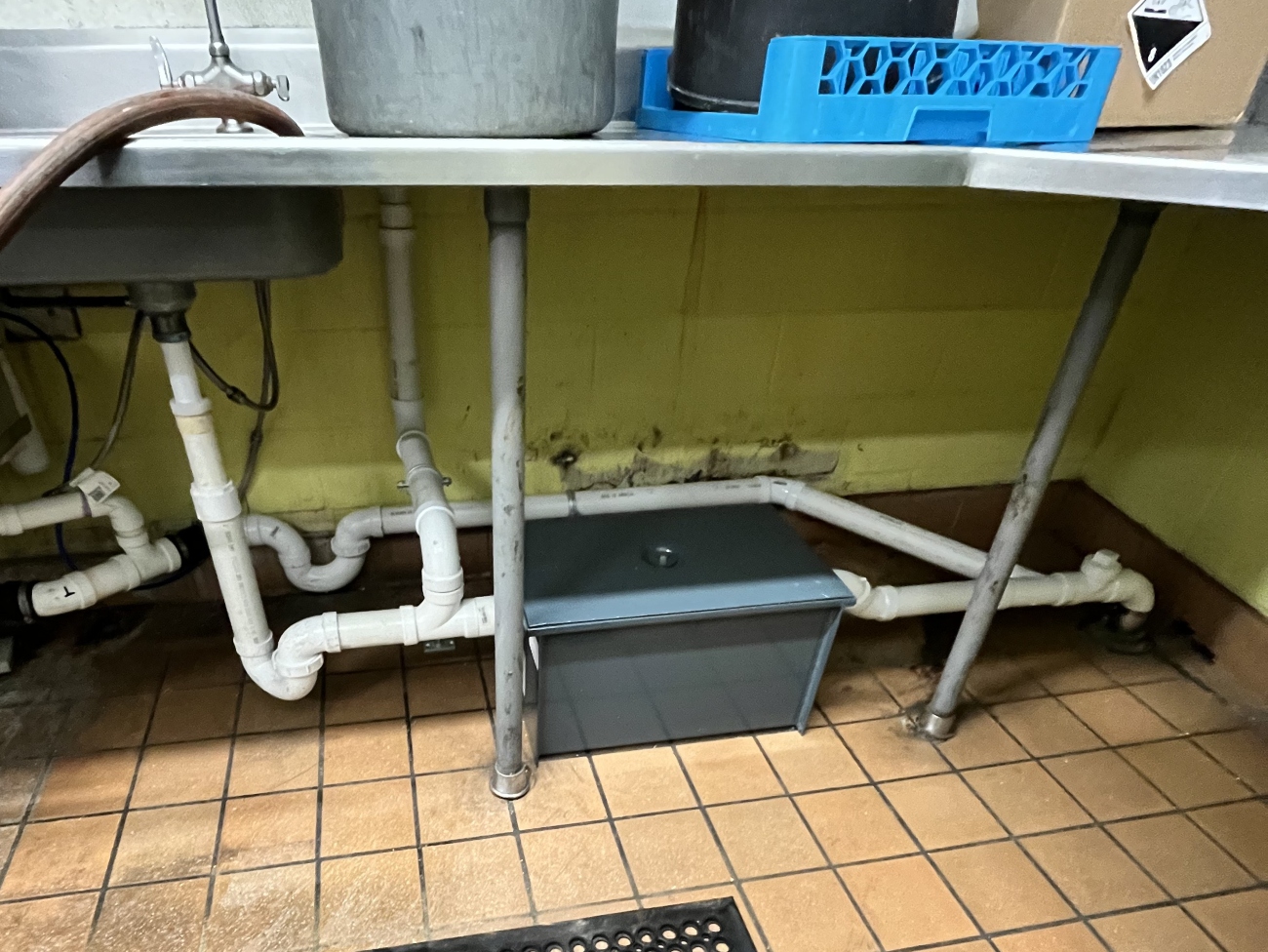


Learning how to prepare your drains for a New England winter is one of the smartest seasonal moves a homeowner in New Hampshire or Maine can make. Winter on the Seacoast does not ease in.
Temperatures swing hard, the ground freezes deep, and any weak point in your drain or sewer system tends to surface at the worst possible moment, usually on a holiday weekend with a full house and zero patience for a backed-up kitchen sink.
Your drains run year round, but cold weather puts them under a different kind of stress. Grease sets up faster on cold pipe walls. Tree roots that fed quietly through a hairline crack all summer now sit inside a slower, colder line. Sump pumps that limped through fall give up when the first heavy thaw arrives. None of this happens because the system suddenly broke.
It happens because winter exposes weaknesses that were already there, and the homes that come through the season cleanly are almost always the ones whose owners did a little work in October and November.
The good news is that most cold weather drain failures are preventable. A homeowner who handles a short list of seasonal checks before the first hard freeze, and knows where the line is between DIY and a call to a sewer and drain contractor, avoids the kind of backups, frozen lines, and emergency calls that fill January and February schedules across the Seacoast region.
In this article, you will learn about:
- Why New England winters punish drains harder than most climates
- Indoor drain prep for kitchens, bathrooms, and laundry rooms
- Outdoor prep for yard drains, cleanouts, and the main sewer line
- Sump pump readiness before the first big thaw
- When to bring in a sewer and drain professional
Keep reading to walk into this winter knowing exactly what your drains need from you, and exactly what to leave to a pro.
Winters in New Hampshire and Maine put drains under real stress
The Seacoast does not have an easy winter. Long freezes get broken up by sudden warm spells, heavy snow turns to rain overnight, and the constant freeze-thaw cycle pushes on every joint, fitting, and section of pipe in your drain system. That movement is one of the biggest reasons winter brings hidden problems to the surface in lines that ran fine all summer.
The soil itself adds to it. According to the U.S. Department of Agriculture Natural Resources Conservation Service, much of New England sits on shallow, rocky, well-drained soils that freeze quickly and deeply once temperatures lock in below freezing. When the ground freezes around a buried sewer lateral, even a small offset or crack becomes a slow drain, or a full backup, as the line shifts with the soil.
Older Seacoast homes carry older drain systems
A big share of the housing stock in Portsmouth, Dover, Exeter, Kittery, and Eliot is old, and that is part of why drain problems run hotter here than in newer markets. Older homes often carry a mix of pipe materials, including cast iron and clay sections that have absorbed decades of freeze-thaw cycles. Each cycle works on existing weak points, especially at joints, transitions, and any spot where roots have already nudged in.
You do not need to replace a whole sewer line to get through a winter. You do need to know what condition your line is in before the ground freezes, because once the soil locks up, your options for diagnosis and repair narrow fast. Heading into winter with an unknown sewer line is rolling dice.
Cold pipe walls change what clogs your drains
In summer, most drain clogs happen because of what gets put down them. In winter, that is still true, but cold pipe walls change the math. Grease that would have moved through a 70-degree pipe in August solidifies on contact with a pipe wall sitting at 40 degrees in December. The kitchen drain that handled the same Sunday dinner all year suddenly cannot.
Cold also slows the bacterial activity that helps break down organic material in your drains. Buildup happens faster, and a routine load of dishes, a long shower, or a holiday meal pushes a marginal line over the edge.
Holiday volume is the final straw
There is no way around it. Thanksgiving through New Year's puts more load on residential drains than any other stretch of the year. More cooking grease. More guests. More laundry. More dishwasher cycles. A drain that was a little sluggish in October becomes a full backup on December 26.
The U.S. Environmental Protection Agency flags fats, oils, and grease as a leading cause of residential sewer blockages nationwide, and the problem compounds in cold climates where pipes run colder and homeowners are more likely to delay a service call during the holidays. The fix is to handle prep work in October and November, not to hope your drains can absorb whatever the season throws at them.
Indoor drain prep starts in the kitchen
Most homeowners can handle the indoor side of winter drain prep themselves, as long as they know what they are looking at. The goal is not deep cleaning. The goal is to clear easy buildup, spot warning signs early, and reduce the load on your lines before peak season.
The kitchen is almost always the right place to start. The kitchen drain takes more abuse than any other line in the house, and it is the single most common source of holiday backups across New Hampshire and Maine.
Grease, scraps, and the disposal myth
Cold pipes and cooking grease are a bad match. Even small amounts of fat, oil, and grease that wash down with hot water during cooking cool and stick to pipe walls within a few feet of the drain. Over a few weeks, that layer narrows the pipe and traps food particles, soap scum, and coffee grounds. By the time you notice a slow drain, the problem is well established.
A short kitchen routine handles most of the risk before winter sets in:
- Scrape plates and pans into the trash or compost, never the sink
- Wipe greasy cookware with a paper towel before washing
- Pour cooking oil into a sealed container for disposal, never down the drain
- Run hot water for 30 seconds after each dishwasher cycle to help residue move through
- If you have a garbage disposal, skip fibrous foods like celery, onion skins, and potato peels
Even with a disposal, the kitchen line still needs attention. The disposal grinds food, it does not eliminate the grease and starch that coat pipe walls downstream. A monthly flush of very hot water, not boiling, followed by a long run of cold water keeps the line moving. If your kitchen sink is already slow, get ahead of it now with grease clog removal before holiday cooking turns it into a full backup.
Bathroom drains and the slow buildup problem
Bathroom drains have a different enemy: hair, soap scum, and the slow accumulation of organic material that builds up in P-traps and along pipe walls. None of it is dramatic, but it adds up, and a marginal bathroom drain in October is a problem bathroom drain in January.
Pull and clean visible drain stoppers in sinks and tubs. Most lift out with a quarter turn or a single screw, and the amount of material that comes out is usually startling. For shower drains, a basic hand snake from a hardware store clears the first few feet of buildup. Anything deeper, or anything that returns within a week, is a sign the line needs professional attention.
In older homes with cast iron drain stacks, watch for slow drains that affect multiple fixtures on the same floor. That pattern usually points to buildup deeper in the stack, and a residential drain cleaning visit before winter is much easier than handling it in February.
Laundry rooms, floor drains, and quiet trouble spots
Laundry drains are easy to forget until they overflow. The combination of lint, detergent residue, and the high water volume of a modern washing machine puts steady pressure on the line, especially in homes where the washer discharges into a standpipe tied to older drain piping.
Take a minute to check your laundry setup before peak season:
- Look at the standpipe during a wash cycle and confirm water does not rise near the top
- Inspect the washer hose lint trap if you have one, and replace it if crusted
- Pour a gallon of water into any utility or floor drain and confirm it drains cleanly
- Note any sewer gas smell near floor drains, which can mean a dry trap or a deeper issue
Floor drains that hold water or smell like sewer gas are worth addressing before snow arrives. A floor drain is the lowest point in your system, and when something goes wrong upstream in winter, that is where the backup shows up first.
Outdoor drain prep before the ground locks up
The outdoor side of winter drain prep is where most homeowners need to be honest about what they can and cannot handle on their own. Surface checks are reasonable DIY. Anything involving the main sewer line, a buried cleanout, or signs of a deeper problem belongs to a sewer and drain contractor with the right equipment.
The reason is timing. Once the ground freezes, options narrow. A sewer line that needs a camera inspection in February is harder to access than the same line in October. A root intrusion that could have been cleared with hydro jetting in the fall becomes a winter emergency call.
Walking the property before the first hard freeze
A simple walk around your property in late October or early November surfaces most outdoor warning signs. Look for:
- Standing water near foundation walls or window wells
- Soft, sunken, or unusually green patches over the path of your sewer line
- Clogged or crushed yard drain grates
- Downspouts discharging too close to the house
- Catch basins or area drains full of leaves and debris
Clearing leaves from yard drain grates and catch basins is straightforward homeowner work. So is extending downspouts away from the foundation. The Federal Emergency Management Agency recommends gutters and downspouts move water at least several feet away from the home, which matters even more in winter when frozen ground forces meltwater straight toward foundations.
Soft or sunken ground over the sewer line is a different story. That pattern often points to a leaking lateral or a shifted section of pipe, and it is not something to diagnose by guesswork.
Finding and protecting your sewer cleanout
Every home should have an accessible sewer cleanout, usually a capped pipe sticking up from the ground near the house, or located in a basement utility area. Knowing where yours is, and confirming the cap is intact and not buried, saves real time in an emergency.
Mark the outdoor cleanout location before snow falls. A small flag, a stake, or a permanent marker on a nearby foundation wall works. When a backup hits at 2 a.m. in January, a technician should not be searching under two feet of snow for a cleanout you forgot existed.
If your cleanout cap is missing, cracked, or sitting below grade where surface water can enter, that is a fall project, not a winter one. Surface water entering a sewer line through a damaged cleanout makes backups dramatically more likely, and freeze-thaw makes the problem worse.
Knowing the condition of your main sewer line
The single most useful step a Seacoast homeowner can take before winter, especially in an older home, is a video sewer inspection. A camera run gives a clear picture of what is happening inside your main line: root intrusion, offsets, cracks, bellies where water pools, and any sections of pipe that are due for repair or replacement.
For homes with a history of slow drains, recurring backups, or large mature trees near the sewer line, a fall inspection often pays for itself by catching a problem while it is still small. According to the U.S. Geological Survey, tree roots are drawn to even tiny moisture leaks in buried pipes, and once a root finds a crack, it spreads aggressively. Catching that in October is a root-clearing appointment. Catching it in February is an emergency excavation.
Sump pump readiness for a Seacoast winter
Sump pumps quietly carry an enormous amount of water out of New England basements every year, and they fail more often in winter than in any other season. Heavy snowmelt, ice damming, and saturated ground all push water toward foundations, and the pump that handled spring rains fine in May might not handle a January thaw running directly into a cold basement.
Winter sump pump failures are also more expensive. A flooded basement in summer is a mess. A flooded basement in January, with sub-freezing temperatures and water that may not get pumped out for hours, is a serious problem.
Testing the pump before peak season
Sump pump testing is one of the easiest and highest-value pieces of winter drain prep. The process takes about ten minutes:
- Confirm the pump is plugged in and the circuit is live
- Pour a five-gallon bucket of water into the sump pit
- Watch the float rise and confirm the pump kicks on
- Confirm water discharges fully and the pump shuts off cleanly
- Listen for grinding, rattling, or a pump that runs without moving water
A pump that hesitates, runs hot, or fails to shut off cleanly is a pump that will not survive winter under load. According to the U.S. Department of Housing and Urban Development, basement moisture and flooding are among the leading causes of indoor air quality problems in cold climate homes, and a failing sump pump is often the root cause.
Checking the discharge line
Even a healthy pump cannot do its job if the discharge line freezes. The discharge pipe leads from the pump to the outside of the home, and in a New England winter it is a prime candidate for ice blockage.
Walk outside and find where the discharge pipe exits the house. Confirm it is clear, sloped away from the foundation, and not buried in last year's leaf pile. Some homeowners install a freeze-resistant discharge fitting, sometimes called an ice guard, which lets water escape if the main discharge freezes. For homes that have had discharge line freeze-ups before, this is a worthwhile upgrade.
When the pump itself needs to be replaced
Most residential sump pumps last roughly 7 to 10 years under normal load, less under heavy use. If yours is older, runs constantly during wet weather, or has needed repairs in the past year, replacing it before winter is far cheaper than replacing it during a flooded basement event.
For homeowners with high water tables or chronic basement moisture, a battery backup pump is worth real consideration. Power outages and heavy snow events tend to arrive together, and a backup pump keeps water moving when the main pump cannot.
Recognizing the line between DIY and a professional call
Winter drain prep has a clear DIY zone and a clear professional zone, and the homeowners who get through winter cleanly know the difference. DIY belongs at the fixture level and at the surface of the yard. Anything involving the main sewer line, recurring backups, sewer gas smells, or a sump pump that is past its life belongs to a sewer and drain contractor.
A short list of warning signs that mean it is time to call:
- Multiple fixtures draining slowly at the same time
- Gurgling sounds from drains when other fixtures are used
- Sewer gas smells inside the home
- Backups in the lowest drains in the house, like basement floor drains or basement showers
- Soft, sunken, or unusually green ground over the sewer line
- A sump pump that runs nonstop or fails to shut off
- Any history of sewer backups in the home, especially in winter
The reason these matter is simple. Each one signals a problem that gets worse with cold weather, not better. Catching them in October or November means a scheduled visit on a normal weekday. Waiting until February means an emergency drain cleaning call in a snowstorm.
What a fall sewer and drain visit usually covers
A typical pre-winter visit from an experienced sewer and drain contractor covers more than most homeowners expect. It usually includes a walk-through of fixture performance inside the home, a check of the cleanout and any accessible exterior drain points, and, when called for, a camera inspection of the main sewer line. If the camera shows root intrusion, buildup, or a problem section of pipe, the technician explains what is there, what can wait, and what should not.
A good contractor will also tell you when a problem does not need fixing. Honest diagnoses are a real differentiator on the Seacoast, where some operators push every customer toward unnecessary replacement work. A camera run that shows a clean line is good news, and good news is part of what you are paying for.
Why Portsmouth, Dover, Exeter, and the southern Maine seacoast see more winter calls than most markets
The Seacoast carries a combination of factors that drive higher winter call volume than typical New England markets. Old housing stock with aged drain systems. Mature trees with established root systems. Coastal weather that swings hard between freeze and thaw. A high concentration of restaurants, hotels, and commercial properties in towns like Portsmouth, Kittery, and York that add even more pressure on shared infrastructure.
For homeowners, the practical takeaway is that fall prep matters more here than it does in milder regions, and the cost of skipping it is higher. The homes that come through winter cleanly are almost always the ones whose owners handled the basics in October and brought in a sewer and drain professional for the things that do not belong to DIY.
Conclusion
Winter on the Seacoast does not give second chances. The drains, sewer line, and sump pump that carry your household through every other season suddenly run under conditions they were not stressed by all year, and any weak point gets exposed. The homes that come through January and February without an emergency call are the ones whose owners did a short list of practical things before the first hard freeze.
A homeowner who handles the indoor basics, walks the property before the ground locks up, tests the sump pump, and gets a clear picture of the main sewer line heading into winter has done the real work.
Everything else is response. And when winter does deliver a problem, the homeowners who already know the condition of their system get faster, cheaper, and cleaner solutions than the ones starting from scratch on a Saturday night.
If your drains have been slow this fall, your sewer line has not been inspected in years, or your sump pump is older than seven years and you have never had it tested under load, now is the moment. Cold weather is not a good time to find out the answer.
For a thorough sewer and drain assessment before winter sets in across Portsmouth, Dover, Exeter, Kittery, Eliot, York, and the surrounding Seacoast region, Seacoast Sewer and Drain is ready to help. Schedule your pre-winter visit today and head into the season knowing exactly what your home needs.
Recent Blog Post
Customer Reviews