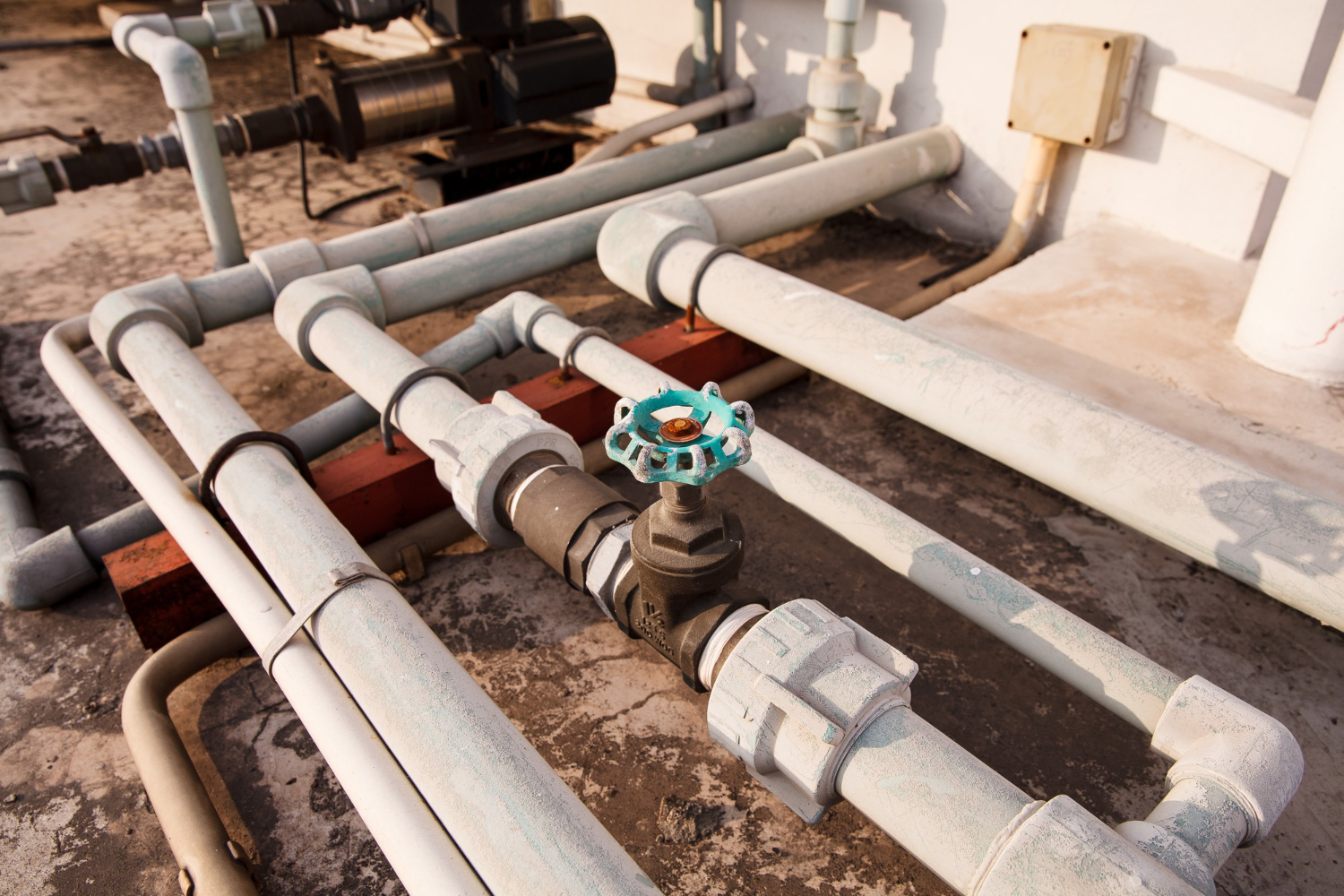


Your home's water line is the main pipe that brings fresh water from the municipal supply or well into your house. Water line replacement costs between $70 to $250 per linear foot, with most homeowners paying around $2,000 to $5,000 for a complete main water line replacement. This is a major home repair that can feel overwhelming, but understanding what's involved helps you make smart decisions about your property.
Water line problems don't always announce themselves clearly. You might notice a spike in your water bill, low water pressure, or wet spots in your yard. These signs could mean your water line has cracks, leaks, or serious damage that needs attention soon.
According to the U.S. EPA WaterSense program, the average household’s leaks can waste nearly 10,000 gallons of water per year, and 10% of homes have leaks that waste 90 gallons or more per day—a reminder that recurring water-line leaks often justify replacement instead of repeated spot repairs.
Replacing a water line is a big project, but it protects your home from water damage and keeps your water supply safe. In this article, you’ll learn what water line replacement involves, the warning signs that indicate your line is failing, and how replacement restores safe, reliable water flow.
Here’s what you need to know:
- What is water line replacement and why is it important?
- Signs you need water line replacement
- Common causes of water line damage
- Water line replacement process
- Benefits of professional water line replacement
- Preventative tips to avoid future water line issues
Keep reading to learn everything you need to know about water line replacement, from spotting warning signs to understanding the replacement process and preventing future problems.
What is water line replacement and why is it important?
Water line replacement involves removing old or damaged pipes that carry water from the main supply to your property and installing new ones. This process keeps your water supply safe, prevents damage to your home, and maintains proper water flow throughout your plumbing system.
Replacing damaged or aging water pipes
Your water line can develop problems over time due to age, corrosion, or physical damage. Most water pipes last between 20 to 50 years depending on the material used. Older pipes made from galvanized steel or lead tend to deteriorate faster than modern materials like copper or PEX.
When pipes reach the end of their useful life, they become brittle and prone to cracks. Tree roots can also invade underground lines, causing breaks and blockages. Ground shifting from frost or settling can stress pipes until they fail.
Broken water line replacement addresses these issues before they cause major problems. Installing new pipes with modern materials provides a long-term solution that can last decades. This proactive approach saves you from repeated repairs and emergency situations.
Preventing leaks and water damage
Leaking water lines waste thousands of gallons of water and create serious damage to your property. Even small leaks can saturate the soil around your foundation, leading to structural issues and basement flooding.
Common signs of water line leaks include:
- Wet spots or standing water in your yard
- Unusually high water bills without increased usage
- Sound of running water when all fixtures are off
- Soft or muddy areas in your lawn
Water pipe replacement eliminates these leaks at the source. New pipes have sealed connections that prevent water from escaping into the surrounding soil. This protects your foundation, landscaping, and prevents mold growth that thrives in damp conditions.
Ensuring consistent water pressure throughout your property
Low water pressure makes daily tasks frustrating. You might notice weak flow from faucets, slow-filling toilets, or poor shower performance. Old or damaged water lines restrict flow through buildup, corrosion, or partial blockages.
Corroded pipes develop rough interior surfaces that create friction and slow water movement. Breaks or cracks reduce pressure by allowing water to escape before reaching your fixtures. Multiple leaks along an aging line compound the problem.
Replacing your water line restores proper diameter and smooth pipe interiors. This allows water to flow freely at the correct pressure. You'll notice immediate improvement in every fixture throughout your property.
Protecting water quality from corroded or broken pipes
Your water quality depends on the condition of the pipes carrying it. Corroded pipes release rust, sediment, and metal particles into your water supply. This discoloration makes water look brown or orange and can stain fixtures and laundry.
Breaks in your water line allow dirt, bacteria, and contaminants from the surrounding soil to enter the system. These pollutants pose health risks and make water unsafe for drinking or cooking. Lead pipes, common in older homes, leach harmful metals that accumulate in your body over time.
Per the U.S. EPA’s Lead and Copper Rule Improvements (LCRI) fact sheet (October 2024), many public water systems are required to fully replace lead service lines and “galvanized requiring replacement” service lines within 10 years (with limited exceptions such as a deferred deadline).
New water lines use safe, approved materials that don't contaminate your water. Modern pipes resist corrosion and maintain water purity from the main supply to your tap. This protects your family's health and provides clean water for all household needs.
Extending the lifespan of your plumbing system
Your entire plumbing system works together as a connected network. When your main water line fails, it creates stress on indoor pipes, fixtures, and appliances. Pressure fluctuations from a damaged line cause wear on washers, valves, and seals throughout your system.
Contaminated water from a broken line carries debris that clogs aerators and damages water heaters. These secondary problems add up to costly repairs beyond the initial water line issue.
Investing in water line replacement protects your entire plumbing infrastructure. Stable pressure and clean water reduce wear on all components. This preventive approach extends the life of your fixtures, appliances, and indoor plumbing by years or even decades.
Signs you need water line replacement
Your home's water line can show several warning signs when it's failing or needs to be replaced. Catching these issues early can help you avoid expensive repairs and water damage.
Frequent leaks or pipe bursts
Repeated leaks in your water line mean the pipes are breaking down. One leak might be a simple fix, but when leaks keep happening in different spots, the entire line is likely deteriorating.
Old pipes lose their strength over time. Corrosion eats away at metal pipes from the inside out. The pipe walls become thin and weak. This makes them prone to sudden breaks or bursts.
If you've had your plumber out multiple times in a short period, replacement is often more cost-effective than constant repairs. Patching one section doesn't fix the underlying problem of aging infrastructure. The next weak point will fail soon after.
Low water pressure or inconsistent flow
A noticeable drop in water pressure throughout your home often points to water line problems. When pipes corrode or develop mineral buildup inside, they restrict water flow.
You might notice weak streams from faucets or showers that once worked fine. Multiple fixtures showing low pressure at the same time suggests an issue with the main line rather than individual fixtures.
Inconsistent flow is another red flag. Your water pressure might be strong one moment and weak the next. This happens when partial blockages or pipe damage interferes with steady water delivery. Hidden leaks in the line can also steal water before it reaches your home, causing pressure drops.
Discolored or foul-smelling water
Brown, yellow, or rusty water coming from your taps indicates corrosion inside your pipes. The discoloration comes from rust particles breaking off and traveling through your water supply.
Common water discoloration issues:
- Brown or rusty water: Iron pipe corrosion
- Yellow water: Advanced pipe decay
- Cloudy water: Air in lines from leaks
Strange odors in your water can mean contamination is entering through cracks or breaks in the line. Soil, bacteria, and other contaminants seep into damaged pipes. This creates health risks for your family.
According to the U.S. EPA, intrusion can occur when non-potable water flows into water mains through leakage points (and other openings), particularly during low/negative pressure events, which is one reason damaged lines can pose both reliability and water-quality risks.
If the discoloration only happens when you first turn on the water, it might be a minor issue. But if it persists after running water for several minutes, your main line needs attention.
Cracks or bulges in visible pipes
Any cracks you can see in exposed sections of your water line need immediate attention. Even small cracks will grow larger over time and eventually cause major leaks or bursts.
Bulges or bubbles in pipes show weak spots where pressure is pushing outward. The pipe wall has lost its structural integrity at that point. These bulges can burst without warning, flooding your property.
Watch for these physical warning signs in any accessible pipe sections. Check areas in your basement, crawl space, or where the line enters your home. Surface damage usually means more extensive problems exist in buried sections you can't see.
High water bills without increased usage
A sudden spike in your water bill is a clear sign something is wrong. If your water use hasn't changed but your bill has increased significantly, you likely have a leak.
Track your monthly water bills and look for unusual jumps. Even a slow leak in your main line can waste hundreds of gallons per day. This adds up quickly on your bill.
Compare your current usage to previous months and years. A gradual increase over time might mean your aging pipes are developing small leaks. Large sudden increases suggest a major leak or break has occurred. Your water meter can help confirm this by checking if it's still running when all water in your home is turned off.
Common causes of water line damage
Water lines fail for specific reasons related to materials, environment, and installation quality. Understanding these causes helps you identify risks early and take action before minor issues become major repairs.
Aging or corroded pipes
Water lines don't last forever. Most metal pipes have a lifespan of 50 to 70 years, depending on the material and water conditions.
Corrosion happens when minerals in your water react with pipe materials over time. This process creates weak spots, pinhole leaks, and eventually complete pipe failure. Galvanized steel pipes are especially prone to rust buildup that narrows the pipe opening and reduces water pressure.
Cast iron and copper pipes also corrode, though at different rates. The pH level of your water affects how quickly corrosion occurs. Acidic water speeds up the process, while alkaline water can slow it down.
If your home was built before 1970, your water lines may already be near the end of their useful life. Visible signs include discolored water, frequent leaks, and declining water pressure throughout your house.
Ground movement or shifting soil
The earth around your water lines is constantly moving, even if you can't see it. Soil expands and contracts with moisture changes, putting stress on buried pipes.
Earthquakes, construction work, and heavy vehicle traffic can all shift the ground enough to crack or break water lines. Even minor settling of your home's foundation can pull pipes out of alignment.
Clay soils are particularly problematic because they swell significantly when wet and shrink when dry. This constant movement creates pressure that pipes can't withstand indefinitely. Rocky soil can also cause damage by putting concentrated pressure on specific points along the pipe.
Nearby construction projects pose risks too. Excavation work can directly strike your water line or disturb the surrounding soil enough to cause failure weeks or months later.
Tree root intrusion
Tree roots seek out water sources, and your water line provides exactly what they need. Roots can detect moisture from small leaks and grow toward them.
Once roots find a crack or loose joint in your pipe, they push inside to access the water directly. The roots continue growing, expanding the opening and eventually blocking the entire pipe. This process happens slowly, often taking years before you notice problems.
Large trees planted near your water line create the highest risk. Oak, maple, willow, and poplar trees have aggressive root systems that spread far from the trunk. Even trees planted 20 to 30 feet away can reach your water line.
Older clay or concrete pipes with joints are most vulnerable. Modern PVC and PEX pipes resist root intrusion better, but persistent roots can still find weak points or connections.
Freezing and thawing cycles
Water expands when it freezes, and this expansion can burst pipes from the inside. Your water line is at risk whenever temperatures drop below 32°F, especially if the pipe isn't buried deep enough.
The frost line depth varies by region. In northern states, pipes must be buried 4 to 6 feet deep to stay below the frost line. Southern areas may only require 1 to 2 feet of depth. Pipes installed above these depths can freeze during cold snaps.
Repeated freeze-thaw cycles cause cumulative damage even when pipes don't burst immediately. The expanding and contracting weakens the pipe material, creating stress fractures that eventually leak or fail.
Exposed sections of pipe where your water line enters your home are particularly vulnerable. Insulation helps, but extreme cold can still penetrate and cause damage.
Poor installation or substandard materials
Installation quality directly affects how long your water line lasts. Improper techniques create weak points that fail years before they should.
Common installation mistakes include incorrect pipe depth, inadequate bedding material, and poorly connected joints. Pipes need proper support and backfill to distribute ground pressure evenly. Sharp rocks or debris left in the trench can puncture pipes over time.
Using substandard materials saves money initially but costs more in the long run. Thin-walled pipes, incorrect fittings, and incompatible materials all lead to premature failure. Some cheaper pipes can't handle normal water pressure or soil conditions.
Unlicensed contractors may not follow local building codes or use approved materials. They might skip critical steps like pressure testing or proper joint sealing. These shortcuts create problems that surface years after installation, often after warranty periods expire.
Water line replacement process
Replacing a water line involves several critical steps that work together to restore your home's plumbing system. The process requires careful assessment, precise execution, and thorough testing to ensure your water supply functions safely and efficiently.
According to the U.S. CDC, germs can sometimes enter home plumbing when water flow is disrupted, such as when water pipes break or when a utility makes repairs—supporting the case for prompt broken water line replacement when integrity is compromised.
Comprehensive inspection and diagnosis
A professional plumber starts by examining your entire water system to identify the source and extent of the problem. They check for visible signs of damage like wet spots in your yard, low water pressure, or discolored water coming from your taps.
The inspection includes checking the age and condition of your pipes. Older homes often have galvanized steel or lead pipes that deteriorate over time. The plumber may use specialized cameras to look inside pipes without digging up your property first.
They also assess whether you need a full replacement or if main water line repair would solve the issue. This diagnosis determines the scope of work, materials needed, and estimated costs. The plumber should provide you with a detailed report of their findings and recommendations for moving forward.
Locating the main water line and affected areas
Finding the exact location of your water line prevents unnecessary digging and property damage. Plumbers use various tools to map out where pipes run underground, from your home to the street connection.
Professional services often call 811 before starting work. This free service marks the location of underground utilities like gas, electric, and telecommunication lines. Knowing where these utilities sit prevents dangerous accidents during excavation.
The plumber marks affected areas with flags or paint to show where they need to dig. They identify access points and plan the most efficient path for replacement work. This planning stage saves time and reduces the amount of yard restoration needed after the job is complete.
Shutting off water supply and preparing the site
You cannot use water in your home during the replacement process. The plumber shuts off water at the main valve, which is typically located near your water meter or where the line enters your property.
They may also coordinate with your local water authority to shut off service at the street level. This ensures no water flows through the line during repair work. The plumber should inform you about how long you will be without water service.
Site preparation involves protecting your landscaping, driveway, or other structures near the work area. Workers use tarps to collect excavated soil and keep your property as clean as possible. They create safe access to the work area and set up any necessary safety barriers.
Replacing damaged pipes with durable materials
Modern water line replacements typically use copper, PEX (cross-linked polyethylene), or HDPE (high-density polyethylene) pipes. Each material offers different benefits:
Material options:
- Copper: Lasts 50+ years, resistant to bacteria, handles high water pressure
- PEX: Flexible, freeze-resistant, easier to install in tight spaces
- HDPE: Extremely durable, resists corrosion, ideal for underground installation
The plumber removes the old damaged pipe through excavation or trenchless methods. Traditional excavation involves digging a trench to access and remove the old line. Trenchless methods like pipe bursting break the old pipe while pulling new pipe into place, which minimizes yard damage.
Workers connect the new pipe to your home's plumbing and the main water supply. They use proper fittings and seals to create watertight connections. All work must meet local building codes and regulations.
Testing the system to ensure proper flow and leak-free operation
After installation, the plumber performs pressure tests to check for leaks. They gradually restore water pressure and monitor all connections for any signs of moisture or dripping.
The testing phase includes running water through your home's fixtures to verify proper flow and pressure. The plumber checks that hot and cold water lines work correctly and that water flows smoothly without air pockets or sputtering.
They may leave the system under pressure for several hours to ensure connections remain sealed. Once testing confirms everything works properly, workers backfill any trenches and begin restoring your yard to its original condition. You should receive documentation of all testing results and warranties for the new water line.
Benefits of professional water line replacement
Professional water line replacement provides lasting solutions that DIY fixes cannot match. Working with trained technicians ensures proper installation, reduces future problems, and protects your investment.
Eliminates recurring leaks and water damage
Professional water line replacement stops the cycle of temporary patches and repeat failures. When you hire trained technicians for residential water line service, they remove old, corroded pipes completely and install new materials built to last decades.
A full replacement addresses hidden weak spots that cause leaks to return. Old pipes often have multiple problem areas that simple repairs miss. Professionals use modern materials like PEX or copper that resist corrosion better than outdated galvanized steel or clay pipes.
This approach prevents water damage to your foundation, walls, and landscaping. Chronic leaks create moisture problems that lead to mold growth and structural issues. By replacing the entire line, you avoid the cost and stress of dealing with water damage multiple times.
Improves water pressure and flow
New water lines restore strong, consistent water pressure throughout your home or business. Old pipes develop mineral buildup and corrosion that narrows the interior diameter and restricts flow.
Professional installation uses properly sized pipes matched to your property's needs. Technicians calculate the right diameter based on:
- Number of fixtures and appliances
- Distance from the main supply
- Peak usage demands
- Local building codes
Commercial water line repair often requires larger capacity lines than residential systems. Professionals ensure adequate flow for high-demand applications like restaurants, medical facilities, or multi-unit buildings.
You'll notice the difference immediately when multiple faucets run simultaneously without pressure drops. Better flow also helps appliances like washing machines and water heaters work more efficiently.
Ensures safe, clean water for your home or business
Professional replacement eliminates contamination risks from deteriorating pipes. Lead pipes and old galvanized steel can leach harmful materials into your water supply.
Licensed plumbers install approved materials that meet current health and safety standards. They understand which pipe types work best for different soil conditions and water chemistry. Modern materials like cross-linked polyethylene (PEX) and copper provide clean water without adding contaminants.
Proper installation also prevents backflow and cross-contamination issues. Professionals install required backflow preventers and maintain correct elevation changes. They test the system after installation to verify water quality meets safety requirements.
This matters especially for commercial properties where water safety standards are strictly regulated. Professional work ensures compliance with health department requirements.
Minimizes long-term maintenance costs
Investing in professional water line replacement saves money over time compared to repeated repairs. Quality installation with durable materials means fewer service calls and emergency fixes.
Professional work comes with warranties that protect your investment. Most reputable companies guarantee their labor for several years and help with manufacturer warranties on materials. If problems occur during the warranty period, repairs cost you nothing.
You also avoid the expense of fixing problems caused by improper installation. DIY mistakes or unlicensed work often create:
- Leaks at connection points from incorrect fitting installation
- Pipe damage from improper trenching or backfill
- Code violations that require expensive corrections
- System failures from using wrong materials or sizes
Professional residential water line service includes proper permitting and inspections. This prevents fines and the cost of redoing work to meet code requirements.
Protects property value and plumbing system integrity
A professionally installed water line maintains your property's market value and appeal. Home inspectors and buyers view updated water lines as a major selling point that reduces their risk.
Documentation from licensed professionals proves the work was done correctly. You can show permits, inspection approvals, and warranties to potential buyers. This transparency builds confidence and can justify a higher asking price.
Professional installation also protects the rest of your plumbing system. Proper water pressure prevents stress on fixtures, appliances, and interior pipes. Correct grading and backfill around the new line protect it from shifting soil and freeze damage.
For commercial properties, system integrity directly affects business operations. Reliable water service prevents closures, maintains health permits, and protects your reputation with customers.
Preventative tips to avoid future water line issues
Taking care of your new water line requires regular attention and smart planning. Simple maintenance steps and proper monitoring can help you avoid expensive repairs and extend the life of your plumbing system.
Regular plumbing inspections
You should schedule professional plumbing inspections at least once every two years to catch problems early. During these inspections, a plumber can identify small leaks, corrosion, or weak spots in your pipes before they turn into major issues.
Between professional visits, you can do your own basic checks. Look for signs of water damage around your property, including wet spots in your yard, unexplained puddles, or damp areas in your basement. Check exposed pipes for rust, discoloration, or mineral buildup.
Pay special attention to the connections where your water line meets appliances and fixtures. These connection points are common spots for leaks to develop. If you notice any problems, address them quickly to prevent further damage.
Monitor water pressure and detect leaks early
Your home's water pressure should stay between 40 and 60 PSI. Pressure above 80 PSI can stress your pipes and cause them to fail over time.
Install a pressure gauge on an outdoor faucet to check your water pressure regularly. If the pressure is too high, you need a pressure-reducing valve to protect your pipes. High water pressure is one of the main causes of pipe damage and shortened pipe life.
Watch your water bill for unexpected increases. A sudden spike in water usage often means you have a hidden leak somewhere in your system. You can also check your water meter before bed and again in the morning when no water is being used. If the meter shows usage during that time, you likely have a leak that needs fixing.
Avoid planting trees near water lines
Tree roots naturally grow toward water sources and can damage your water lines. Roots can wrap around pipes, crack them, or push into joints looking for moisture.
Keep trees and large shrubs at least 10 feet away from your water line. For trees with aggressive root systems like willows, poplars, and maples, maintain an even greater distance. Before planting new trees, contact your local utility to mark underground lines so you know where your water line runs.
If you already have trees near your water line, consider installing root barriers. These physical shields redirect roots away from your pipes. You should also have your water line inspected more frequently if mature trees are present on your property.
Insulate pipes in cold climates
Frozen pipes are a serious threat in cold weather. When water freezes inside pipes, it expands and can cause the pipes to burst.
Wrap exposed pipes with foam pipe insulation, especially in unheated areas like crawl spaces, basements, and garages. Pay extra attention to pipes along exterior walls. The insulation should fit snugly without gaps.
During extreme cold, let faucets drip slightly to keep water moving through the pipes. Moving water is less likely to freeze. You should also keep your home heated to at least 55°F, even when you're away. Open cabinet doors under sinks to let warm air reach the pipes.
Upgrade old pipes with modern materials
Older pipe materials break down over time and become more likely to fail. Galvanized steel pipes corrode from the inside, and clay pipes can crack or collapse.
Modern materials like PEX and HDPE plastic are more durable and resist corrosion. These materials can also flex slightly, which helps them survive ground movement and temperature changes better than rigid metal pipes. They typically last 50 years or more with proper installation.
If your water line is more than 50 years old or made from outdated materials, consider replacing it before problems occur. This proactive approach costs less than emergency repairs after a major failure. A plumber can help you choose the best material for your soil conditions and local climate.
Conclusion
Water line replacement protects your home from serious plumbing problems. Addressing pipe issues early prevents leaks, contamination, and water damage that can cost thousands to fix later.
You should work with licensed plumbers who can evaluate your specific situation. They will assess your pipe condition, property layout, and budget to recommend the best solution for your needs.
Your main water line connects your home to the municipal water supply. When this critical component fails, you lose access to clean water. Modern replacement methods like trenchless technology can reduce excavation and restoration work on your property.
Planning ahead makes the replacement process smoother. Get multiple estimates from reputable contractors. Ask about their experience, licensing, and warranties. A detailed quote helps you understand what work is included and prevents surprise costs.
Most water line projects take a few days to complete. The timeline depends on your pipe length, property conditions, and chosen installation method. Your plumber will explain each step and keep you informed throughout the work.
Request an estimate for water line replacement with Seacoast Sewer & Drain to evaluate your main line, confirm the best replacement approach, and restore safe, consistent water flow with code-compliant materials.
Recent Blog Post
Customer Reviews