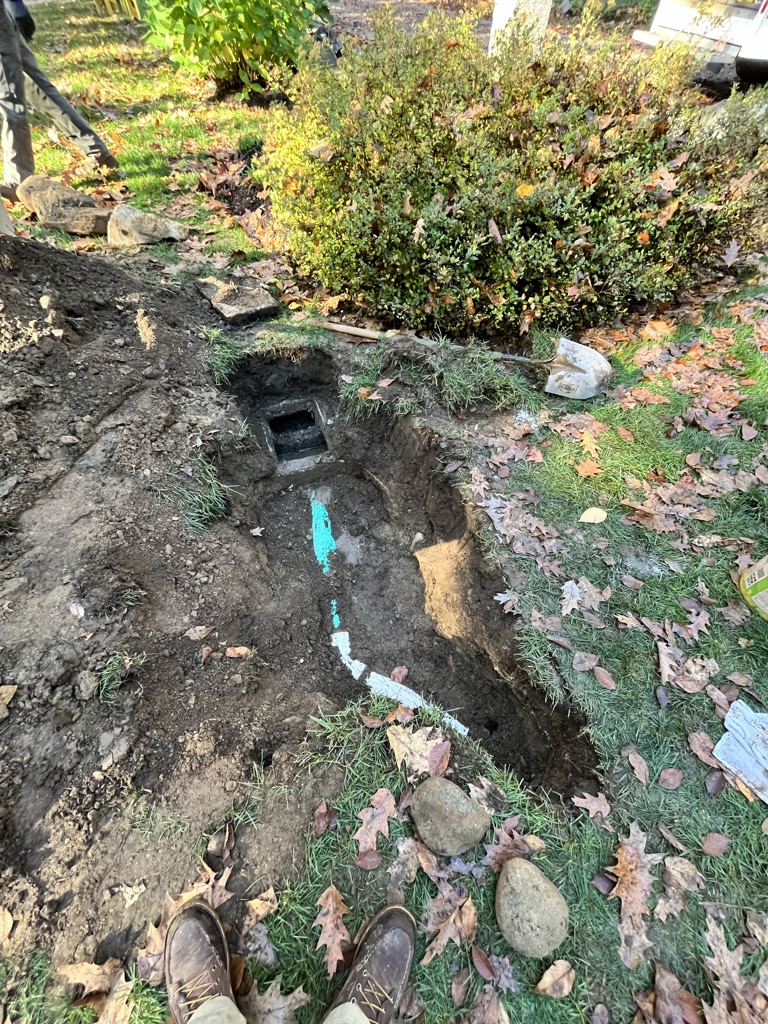


Underground sewer problems rarely announce themselves until the damage is already serious. When pipes collapse, corrode through, or fall victim to years of root intrusion, sewer line excavation service is often the only repair method that addresses the problem at its source.
This process involves digging up the ground to expose your sewer line so professionals can inspect, repair, or replace damaged sections. While excavation might sound like a big job, it's sometimes the only way to fix serious problems like collapsed pipes, tree root damage, or old clay lines that have cracked over time.
Modern plumbers use several tools to find problems before they start digging. Understanding how professionals detect issues and what happens during excavation can help you make better decisions when your sewer system needs repair.
In this article, you'll learn how excavation services solve major sewer problems, what warning signs indicate you may need one, and what the full excavation process looks like from inspection through restoration.
- Understanding sewer line excavation
- Common indicators of hidden plumbing problems
- Steps professionals take during excavation
- Diagnostic technologies before repair
- Why choose an experienced excavation team
Keep reading to understand exactly what sewer line excavation involves and how to choose the right team to handle the job correctly.
Understanding sewer line excavation
Sewer line excavation involves digging into the ground to access damaged pipes that need repair or replacement. This method becomes necessary when pipes have collapsed, severely deteriorated, or can't be fixed with less invasive techniques.
How excavation services solve major sewer issues
Underground sewer repair service through excavation provides direct access to your damaged pipes. Workers dig a trench down to the pipe level, which lets them see the full extent of the problem. This hands-on approach works best for pipes that have completely collapsed or broken into multiple pieces.
The process starts with marking all utility lines in your yard to prevent accidental damage. Excavation crews use specialized equipment to dig carefully around the damaged section. Once exposed, technicians can remove the broken pipe segments and install new ones.
This method allows for complete pipe replacement rather than partial fixes. You get a thorough solution that addresses structural problems traditional camera inspections might miss. The excavation also lets workers inspect surrounding soil conditions and fix any drainage issues contributing to pipe damage.
Differences between excavation and trenchless repair
Traditional excavation requires digging a full trench to reach your sewer line. Trenchless sewer line replacement uses small access points to repair pipes from the inside. Each method serves different situations based on the damage severity.
Excavation takes more time and requires tearing up your yard, driveway, or landscaping. The process can take several days to complete. Trenchless methods typically finish faster with minimal surface disruption.
Trenchless repair works well for pipes with moderate damage like cracks or small breaks. Excavation becomes the better choice when pipes have collapsed completely or the surrounding soil needs attention. Your property layout and the pipe's depth also affect which method works best for your situation.
When excavation becomes necessary
Residential sewer excavation service becomes required when your pipes suffer severe structural failure. Collapsed pipes cannot support trenchless methods because there's no intact pipe structure to work with. Complete pipe deterioration from age or corrosion also demands full replacement through excavation.
Tree root invasions that have crushed or broken pipes often need excavation for proper removal. You may also need this service when the pipe has shifted significantly from its original position due to soil movement.
Local building codes sometimes require excavation for certain repairs or when bringing old systems up to current standards. Deep pipe installations or pipes located under structures like driveways may have no viable trenchless option available.
Common indicators of hidden plumbing problems
Hidden plumbing issues often show warning signs before they turn into major problems. Recognizing these indicators helps you act quickly and avoid costly emergency sewer line excavation.
Repeated sewage backups in the home
Sewage backups happen when wastewater flows back into your home instead of moving through the sewer line. You might notice water backing up in toilets, sinks, or shower drains.
Multiple drains backing up at the same time points to a main sewer line problem. A single clogged drain usually means a local blockage, but when several fixtures back up together, your main line likely has an issue. Understanding the common causes of sewer backup problems in Seacoast NH helps you identify whether the source is a local clog or a deeper structural failure.
These backups occur because tree roots, grease buildup, or broken pipes block the flow of wastewater. The water has nowhere to go except back into your home.
Frequent backups need immediate attention. According to the U.S. Environmental Protection Agency, raw sewage contains bacteria, viruses, protozoa, and intestinal worms that can produce illnesses ranging from gastroenteritis to hepatitis and dysentery. Each backup event damages your property and creates real health risks from that exposure.
Sinkholes or wet spots in the yard
Your yard can reveal what's happening underground with your sewer line. Sinkholes form when a broken sewer pipe leaks water into the soil, washing away the ground beneath the surface.
Wet spots that stay soggy even during dry weather indicate a leak. These areas often appear greener than surrounding grass because sewage acts as fertilizer.
You might notice:
- Depressions or sunken areas in your lawn
- Patches of extra lush, dark green grass
- Areas that smell like sewage
- Soft or spongy ground that wasn't there before
These signs mean sewage is escaping your pipes and saturating the soil. The leak wastes water and contaminates your yard with bacteria.
Strong sewer odors and slow drainage
Sewer gas smells like rotten eggs and indicates a problem with your plumbing system. This odor comes from broken pipes, failed seals, or severe blockages that let gas escape.
The smell might appear inside your home near drains or outside in your yard. Both locations signal that your sewer line needs inspection.
Slow drainage across multiple fixtures means your main sewer line has a partial blockage. Water drains slowly because it can't flow freely through the pipe.
Gurgling sounds from drains or toilets happen when air gets trapped in the line due to a blockage. The trapped air bubbles up through the water, creating the noise you hear.
Steps professionals take during excavation
Professional excavation for sewer line repair follows a systematic process that begins with precisely locating the damaged section, then carefully digging to expose the pipe, and finally completing the necessary repairs or replacement work.
Locating the damaged sewer line
Before any digging starts, professionals need to find the exact location of the problem in your sewer line. They use video pipe inspection equipment to inspect the inside of your pipes and identify where the damage exists. This step prevents unnecessary digging and saves you money on labor costs.
Technicians also mark all underground utilities in the area before excavation begins. Gas lines, water pipes, electrical cables, and communication lines must be identified to avoid dangerous accidents. Professional excavation services contact utility location services and review property drawings to map out what lies beneath your yard.
The inspection results determine the depth and length of the trench needed. Your excavation team measures distances from fixed reference points like your home's foundation or property markers to ensure they dig in the right spot.
Digging and exposing the underground pipe
Once the location is confirmed, excavation crews use professional-grade equipment to dig trenches that provide access to your sewer line. The trench must be wide enough for workers to safely perform repairs while maintaining proper depth and slope requirements for your sewer system.
Safety measures are critical during this phase. One cubic yard of soil weighs as much as a car, making cave-ins a serious hazard. Professionals use trench boxes, shoring, or sloping techniques to protect workers inside the excavation. They never allow workers in unprotected trenches.
The excavation is planned to limit disruption to your property. Crews carefully remove soil and set it aside for backfilling later. They work methodically to expose the damaged section of pipe while keeping the surrounding area as intact as possible.
Repairing or replacing the damaged section
After exposing the pipe, technicians assess the damage and determine whether repair or full replacement is needed. Small cracks or joint separations may only require targeted repairs, while extensively damaged pipes need complete replacement of the affected section.
The repair team removes the damaged pipe segment and installs new piping that meets current plumbing codes. They ensure proper alignment and slope so wastewater flows correctly through your system. All connections are sealed and tested before backfilling begins.
Once repairs are complete, the trench is carefully backfilled with the excavated soil. Crews compact the soil in layers to prevent settling that could damage your yard or the new pipe. The surface is then prepared for restoration to return your property to its original condition. Reviewing the cost factors for sewer replacement in Seacoast NH beforehand helps you budget for this full scope of work, including surface restoration.
Diagnostic technologies before repair
Modern plumbing professionals use specialized equipment to locate and identify sewer line problems before digging begins. These technologies save time and money by pinpointing exact problem locations and determining the severity of damage.
Sewer camera inspection systems
A waterproof camera attached to a flexible cable travels through your sewer line to provide real-time video footage of pipe conditions. The technician feeds this camera through a cleanout access point or existing pipe opening. The camera shows cracks, blockages, root intrusions, and corrosion inside the pipes.
Most camera systems include LED lights and can rotate 360 degrees to capture complete pipe views. The video feed records GPS coordinates and depth measurements at problem areas. This recording helps plumbers create accurate repair plans and shows you exactly what needs fixing.
Pipe camera diagnostics work on pipes ranging from 2 to 36 inches in diameter. The process typically takes 30 minutes to 2 hours depending on your system's size.
Underground line locating technology
Pipe locators use electromagnetic signals or radio frequencies to map underground sewer lines before excavation begins. These tools prevent accidental damage to water lines, gas pipes, and electrical cables during digging. Technicians mark the exact location of pipes on the ground using spray paint or flags.
Electronic line locating equipment can detect pipes buried up to 20 feet deep. The technology identifies pipe depth, direction, and proximity to other utilities. Some advanced systems create digital maps showing all underground infrastructure on your property.
Accurate locating reduces excavation costs by eliminating unnecessary digging. It also protects you from hitting utility lines that could result in service interruptions or safety hazards.
Leak detection and pressure testing
Pressure testing involves sealing pipe sections and filling them with water or air to measure pressure loss. A drop in pressure indicates leaks, cracks, or faulty connections. This method confirms whether pipes need repair before excavation starts.
Acoustic listening devices detect the sound of water escaping from damaged pipes. These electronic sensors amplify underground sounds that human ears cannot hear. Technicians use headphones and follow the strongest signals to pinpoint leak locations.
Dye testing adds colored, non-toxic dye to your plumbing system. If dye appears in your yard, basement, or storm drains, it confirms active leaks. This simple test identifies cross-connections between different plumbing systems. Water line leak detection relies on these same principles and can often confirm whether a leak originates in the sewer or water supply line before any digging begins.
Why choose an experienced excavation team
Professional excavation teams bring the right skills, equipment, and knowledge to handle complex sewer line problems correctly the first time. Their expertise prevents costly mistakes and ensures your underground systems work properly for years to come.
Accurate and long-lasting repairs
Experienced excavation teams know how to identify the root cause of sewer problems before they start digging. They use specialized equipment to locate damaged pipes and assess the extent of the issue. This prevents unnecessary excavation and reduces the overall cost of your project.
According to the American Society of Civil Engineers' 2025 Infrastructure Report Card, the average number of collection system failures for combined water utilities has risen from 2 to 3.3 per 100 miles of pipe over the past decade, a direct result of aging infrastructure across the country. That trend makes hiring an experienced team for residential sewer repair services more important than ever, since the risk of compounding a failure with an improperly executed repair is real.
Proper repair techniques include:
- Correct pipe sizing and material selection
- Proper slope calculation for drainage
- Secure connections that prevent future leaks
- Soil compaction that supports the repaired line
These professionals understand local building codes and permit requirements. They know which materials work best in your soil type and climate. Their repairs meet all safety standards and pass inspections the first time.
A skilled team also documents the entire process. They provide you with records of the work completed, materials used, and warranties offered. This documentation protects your investment if you ever need to sell your home or file an insurance claim.
Prevention of recurring sewer issues
Professional excavators do more than fix the immediate problem. They examine your entire sewer system to spot potential issues before they become emergencies. This comprehensive approach saves you money and stress in the long run.
Licensed teams can identify problems like tree root intrusion, ground settling, or improper installation from previous work. They address these underlying causes during the repair process. This prevents the same section of pipe from failing again in a few months or years.
Common preventable issues include:
- Improper backfill that causes pipe sagging
- Poor compaction leading to ground settling
- Incorrect pipe joints that separate over time
- Inadequate support for heavy pipes
Experienced contractors also recommend maintenance schedules based on your specific system. They can suggest preventive measures like root barriers or regular sewer line inspections. Many offer follow-up services to ensure your repairs hold up over time.
Safe restoration of underground systems
Excavation work involves serious safety risks without proper training and equipment. Professional teams follow OSHA guidelines and local safety codes to protect your property and everyone on site. They know how to work around utility lines, gas pipes, and electrical systems without causing damage.
These experts use the right machinery for your specific job. They operate equipment safely and efficiently to minimize disruption to your property. Their crews understand soil stability and trench safety requirements.
Professional excavators also carry proper insurance and licensing. This protects you from liability if accidents occur during the project. They restore your property correctly after completing repairs, including proper grading and landscaping.
Working with local sewer excavation services means faster response times and knowledge of area-specific challenges. Local teams understand regional soil conditions, weather patterns, and municipal requirements. They maintain relationships with local inspectors and utility companies to streamline the permit process.
When you need help fast, knowing the signs that require a Seacoast emergency plumber can help you avoid delays that let damage worsen while you research options.
Conclusion
Sewer line excavation service requires careful planning and professional expertise. You need to work with qualified plumbers who understand the proper techniques and safety requirements for your specific property.
Your property will need some restoration work after excavation is complete. This might include filling in trenches, replanting grass, or repairing driveways and walkways.
Regular maintenance helps you avoid major excavation projects in the future. Schedule periodic inspections with your plumber to catch small problems before they turn into bigger issues.
You should ask about maintenance tips after your excavation is finished. Your plumber can help you understand what to watch for and when to schedule follow-up inspections. Taking care of your sewer system now prevents costly emergency repairs later. Contact Seacoast Sewer & Drain to get a professional assessment and start the repair process with a team that knows the Seacoast area.
Recent Blog Post
Customer Reviews