

Sewer line inspection signs NH Maine: When to call a professional for your home


Your sewer line works quietly under your property until something goes wrong. Most homeowners in New Hampshire and Maine don't think about their sewer lines until a serious problem forces them to act. But by then, repairs can be expensive and disruptive.
Learning to spot early warning signs of sewer line problems can save you thousands of dollars and prevent messy emergencies in your home. Small clues like slow drains, strange smells, or wet spots in your yard often mean trouble is building beneath the surface. In New England, tree roots, old pipes, and shifting soil make sewer line issues more common than in other regions.
This guide will help you understand what to watch for and when to call for a professional inspection. You'll learn about the most common warning signs, why camera inspections work so well, and how regional factors affect your sewer line's health.
Sewer line inspection signs in NH and Maine can range from subtle drainage slowdowns to unmistakable sewage odors, and knowing which ones point to a serious problem helps you act before minor damage becomes a full pipe failure.
In this article, we cover the key signs your sewer line needs inspection in New Hampshire and Maine.
- Hidden warning signs and escalating problems
- Detecting unusual odors indoors or outdoors
- Recognizing signs of blockages and backups
- Regional risks: tree roots and aging infrastructure
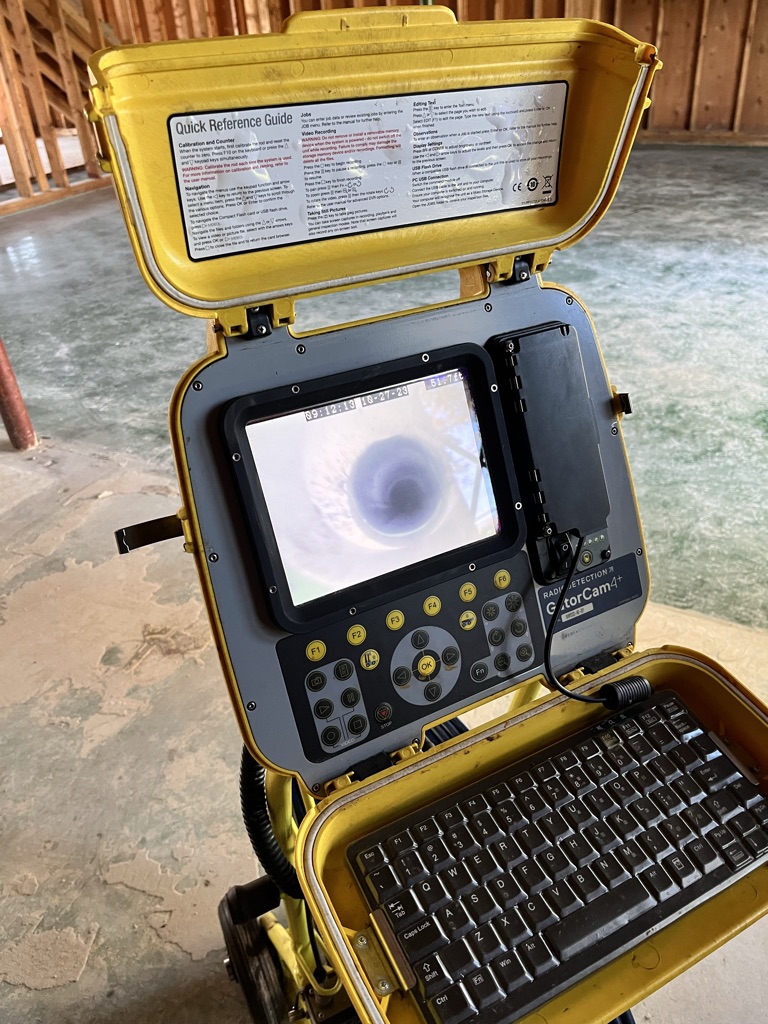
- Advantages of modern camera inspection
Keep reading to learn what specific warning signs to watch for and how catching them early protects your home and your budget.
Hidden warning signs and escalating problems
Sewer line damage often starts small but reveals itself through specific patterns in your plumbing system. Recognizing slow drainage, unusual sounds, and other subtle indicators can prevent thousands of dollars in emergency repairs across New Hampshire and Maine properties.
Slow drains as a clue for main line issues
When a single drain moves slowly, the problem usually stays isolated to that fixture. But when multiple drains throughout your home slow down at the same time, you're likely dealing with a main sewer line blockage.
Pay attention if your toilet, shower, and sink all drain sluggishly within the same timeframe. This pattern indicates an obstruction in your main line rather than individual pipe issues. Tree roots, grease buildup, and pipe deterioration commonly cause these blockages in New Hampshire and Maine homes.
The problem typically worsens during heavy use periods. You might notice slower drainage when running the dishwasher and washing machine simultaneously. This happens because the blockage restricts water flow through your main line, creating a backup effect throughout your entire plumbing system.
Gurgling noises from trapped air
Gurgling sounds from your drains signal air trapped in your sewer lines. When water tries to flow past a blockage or damaged section, it pushes air back through your plumbing system, creating these distinctive noises.
You'll often hear gurgling from toilets when you run water in nearby sinks or showers. The sound indicates negative pressure in your sewer line. A properly functioning system allows air to escape through roof vents, but blockages or damage disrupt this normal flow pattern.
These sounds shouldn't be ignored, especially in older New England homes where aging clay or cast iron pipes frequently develop cracks and root intrusion. The gurgling you hear today could turn into sewage backups within weeks or months.
Benefits of early detection
Catching sewer line problems early saves you significant money and property damage. A camera inspection costs $200 to $500 but can identify issues before they require $5,000 to $15,000 in emergency repairs.
Early detection prevents:
- Raw sewage backups into your basement or living areas
- Soil erosion and foundation damage from leaking pipes
- Contaminated water supplies from cracked sewer lines
- Expensive landscape restoration after emergency excavation
New Hampshire and Maine's freeze-thaw cycles accelerate pipe deterioration. Small cracks identified during routine inspections can be repaired before winter temperatures cause complete pipe failure. Taking action when you first notice warning signs protects your property value and keeps repair costs manageable.
Detecting unusual odors indoors or outdoors
Sewer odors inside your home or around your property signal that waste gases are escaping from your plumbing system. These smells often point to drain vent problems, pipe blockages, or underground leaks that need attention before they worsen.
Odors near drains indicating vent or blockage trouble
When you smell sewer gas near your sinks, tubs, or floor drains, your plumbing vents may be blocked or your drain traps might be dry. Each drain has a U-shaped trap that holds water to block gases from coming up through the pipes. If you don't use a drain for several weeks, that water evaporates and allows smells to enter your home.
Blocked plumbing vents cause similar problems. These vents run from your drains through your roof to let air flow through the system. When leaves, bird nests, or ice block these vents, gases can't escape properly and may come back through your drains.
Common indoor odor sources:
- Dry drain traps in guest bathrooms or basement drains
- Blocked roof vents preventing proper air flow
- Cracked drain pipes behind walls or under floors
- Failed wax rings around toilet bases
You can test dry traps by pouring water down unused drains. If the smell goes away, you found the problem. If odors continue after adding water, you likely have a crack or blockage that needs professional inspection. This is one of the clearest signs of a cracked sewer pipe that warrants immediate professional attention.
Outdoor smells and potential underground leaks
Sewer smells in your yard usually mean your underground sewer line has a crack or break. These odors often appear strongest near the damaged section of pipe. You might notice the smell more on humid days or after rain when moisture brings gases to the surface.
Watch for soggy patches of grass that stay wet even during dry weather. These spots often have greener, faster-growing grass because sewage acts like fertilizer. The area might feel spongy when you walk on it.
Broken sewer pipe symptoms outside your home also include settled or sunken areas in your lawn. As wastewater leaks out, it washes away soil and creates voids underground. Eventually, the ground above collapses into these empty spaces. Persistent yard drainage problems combined with sewage odors are a strong indicator that your sewer line has failed underground.
Check the area between your home and the street where your sewer line runs. Tree roots often crack pipes in this zone as they search for water sources.
When odors persist and what it means
Sewer smells that don't go away after simple fixes indicate serious problems. Persistent odors mean waste gases are continuously escaping somewhere in your system. This happens when pipes have cracks, joints have separated, or your main sewer line has damaged sections.
Warning signs requiring immediate inspection:
- Smells that get stronger over time
- Odors appearing in multiple rooms or drain locations
- Outdoor smells combined with wet spots or settling ground
- Sewage odors plus slow drains or gurgling sounds
These combined symptoms point to broken or failing sewer lines. The longer you wait, the more damage occurs underground. According to the U.S. Environmental Protection Agency, raw sewage from sewer overflows and backups carries bacteria, viruses, protozoa, and intestinal worms that can cause illnesses ranging from mild gastroenteritis to life-threatening conditions including cholera, dysentery, and infectious hepatitis. Leaking sewage can contaminate your soil and potentially reach groundwater sources.
Schedule a professional sewer camera inspection if basic solutions don't eliminate the odors within a few days. Camera inspections show the exact location and extent of damage without digging up your entire yard.
Recognizing signs of blockages and backups
Blocked sewer lines show specific patterns that homeowners can identify before major damage occurs. When wastewater cannot flow properly through your main sewer line, it creates backup situations that affect multiple areas of your home in predictable ways.
Water returning to tubs or showers
When you flush a toilet or run water in your home, wastewater should flow directly into your sewer line and away from your property. If water backs up into your bathtub or shower instead, this indicates a serious blockage in your main sewer line.
This happens because your tub and shower drains sit at the lowest points in your bathroom plumbing system. When the main line becomes blocked, wastewater has nowhere to go except back up through the path of least resistance. You might notice dirty water pooling in your tub after using the washing machine or flushing the toilet.
The water that returns is often gray or brown and may contain sewage particles. This type of backup requires immediate attention because it exposes your family to harmful bacteria and suggests your main sewer line has a significant obstruction. If you reach this stage, contact a seacoast emergency plumber without delay.
What basement backups reveal
Basement floor drains connect directly to your main sewer line and sit at the lowest point in your home's plumbing system. When sewage backs up through these drains, it signals that your main line is either fully blocked or severely restricted.
You might see water pooling around the floor drain or notice a strong sewage odor coming from the basement. The backup often occurs when you use large amounts of water, such as during laundry or after multiple showers. Raw sewage in your basement creates health hazards and can damage your foundation, walls, and belongings.
Basement backups indicate that the blockage exists between your home and the street connection. Tree root sewer line intrusion, collapsed pipes, or accumulated debris in the main line typically cause these severe backup situations.
Multiple fixtures impacted at once
When several drains throughout your home slow down or back up simultaneously, this points directly to a main sewer line problem rather than isolated fixture clogs. You might notice your kitchen sink drains slowly while your bathroom toilet gurgles, or multiple toilets fail to flush properly at the same time.
This pattern differs from single-fixture problems because the blockage exists in the shared main line that serves your entire home. Individual drain clogs only affect one fixture, while main line blockages impact everything connected to that pipe.
Pay attention to whether problems occur in fixtures on different floors or in separate areas of your home. If your upstairs bathroom and downstairs kitchen both experience drainage issues within the same timeframe, your main sewer line likely has a developing clogged drain or main sewer line blockage that needs professional inspection.
Regional risks: tree roots and aging infrastructure
New Hampshire and Maine face unique challenges with sewer systems due to older pipe materials and aggressive tree growth. Seasonal ground movement adds extra stress to already vulnerable infrastructure.
Vulnerability of older clay or cast iron pipes
Many homes built before the 1980s in New Hampshire and Maine have clay tile or cast iron sewer pipes. These materials break down over time, developing cracks and separating at joints where pipe sections connect.
According to the U.S. EPA's Sewer System Infrastructure Analysis and Rehabilitation handbook, sewer pipe failures begin with cracking, crown sag, and offset joints, and prolonged neglect leads to backed-up sewers, groundwater contamination, and local flooding. Cast iron pipes corrode from the inside out, thinning the pipe walls until they crack. Both materials create entry points for tree roots once joints begin to loosen.
Common problems with older pipes:
- Hairline cracks that expand over time
- Separated joints where pipe sections meet
- Corroded sections with weak spots
- Misaligned pipes from ground settling
Homeowners with older systems should consider scheduling pipe camera diagnostics to assess pipe condition before the next winter season.
How tree roots invade sewer systems
Tree roots cause more than 50% of all residential sewer blockages. Your sewer pipes carry nutrient-rich wastewater that attracts nearby tree roots like a magnet.
Roots detect moisture vapor escaping through tiny cracks or loose joints. Once they find these openings, they force their way inside and grow rapidly in the warm, moist environment. Fast-growing species like willows, maples, and poplars are especially aggressive.
The roots start as thin hair-like tendrils but quickly expand inside the pipe. They catch toilet paper, grease, and other debris, creating clogs. Eventually, they can completely fill the pipe or crack it open entirely. A video pipe inspection is the most reliable way to confirm root intrusion and determine how far into the line the damage extends.
Impact of seasonal ground shifting
New England's freeze-thaw cycles put enormous stress on underground sewer lines. Water in the soil expands when it freezes during winter, then contracts when it thaws in spring.
This constant movement causes pipes to shift position and joints to separate. Already weakened pipes with root damage are especially vulnerable to cracking during these seasonal changes. Heavy spring rains saturate the soil, adding extra weight and pressure on aging pipes.
The combination of shifting ground and existing root intrusion often triggers complete pipe failure during spring months. Scheduling a sewer line inspection before winter gives you the chance to address weaknesses before freeze-thaw stress makes them worse.
Advantages of modern camera inspection
Camera technology allows plumbers to see inside your pipes without guessing or digging up your property. This approach delivers accurate information about what's happening in your sewer lines while saving you time and money compared to traditional methods.
Pinpointing blockage locations
A seacoast video drain inspection shows the exact location and cause of any blockage in your pipes. The camera travels through your sewer line and sends back real-time video, which lets technicians mark the precise spot where problems exist. This means repair crews know exactly where to focus their work.
You won't pay for unnecessary exploratory digging when the camera identifies whether tree roots, grease buildup, or collapsed pipes are causing your drainage issues. The camera also measures the distance from your home's entry point, so technicians can map the problem location on your property.
This precision reduces labor time and equipment needs. A drain inspection service provider can often complete the camera work in under an hour, depending on your system's length and complexity.
Informing repair versus replacement
Camera footage helps you make smart decisions about whether to repair damaged sections or replace entire lines. The video shows the condition of your pipe walls, the extent of cracks or corrosion, and whether multiple problem areas exist throughout the system.
When cameras reveal isolated damage in otherwise healthy pipes, targeted sewer line repair often makes sense. But if the inspection shows widespread deterioration, aging materials, or multiple weak points, sewer line replacement becomes the more cost-effective long-term solution.
You receive visual evidence of your pipe's condition rather than relying on estimates. Many service providers can show you the footage and explain what the images mean for your specific situation. This transparency helps you understand why certain recommendations make sense for your property and budget.
Minimizing excavation costs
Traditional sewer line diagnosis required digging multiple test holes to locate problems, which damaged landscaping and drove up labor costs. Camera inspections eliminate most exploratory digging by identifying issues from inside the pipes.
When repairs are needed, crews dig only where necessary. This targeted approach preserves your lawn, driveway, and garden while reducing restoration expenses after the work is complete. In cases where sewer line excavation is unavoidable, knowing the exact location beforehand keeps the scope and cost as contained as possible.
The sewer camera inspection cost typically ranges from $200 to $500, which is far less than the expense of unnecessary excavation and landscape repair. You also avoid indirect costs like replanting grass or repairing irrigation systems that get damaged during exploratory digging.
Conclusion
Your sewer line is one of the most important systems in your home, and it rarely gives you a second warning before a small problem turns into a major one. The warning signs covered in this guide — slow drains, gurgling sounds, persistent odors, backups, and wet spots in your yard — are your early alert system.
Acting on these signs quickly is always less expensive than waiting. A camera inspection costing a few hundred dollars today can prevent thousands in emergency repair or excavation costs later. In New Hampshire and Maine, where aging pipes, tree roots, and frost cycles all work against your sewer system, the risk of inaction is higher than in most other parts of the country.
Don't wait for a complete failure to act. The cost of an inspection is small compared to emergency repairs, foundation damage, or a flooded basement. Find out what's happening inside your pipes now, while the fix is still manageable. Contact Seacoast Sewer & Drain to book a professional camera inspection and get a clear picture of your sewer line's condition.
Recent Blog Post
Customer Reviews