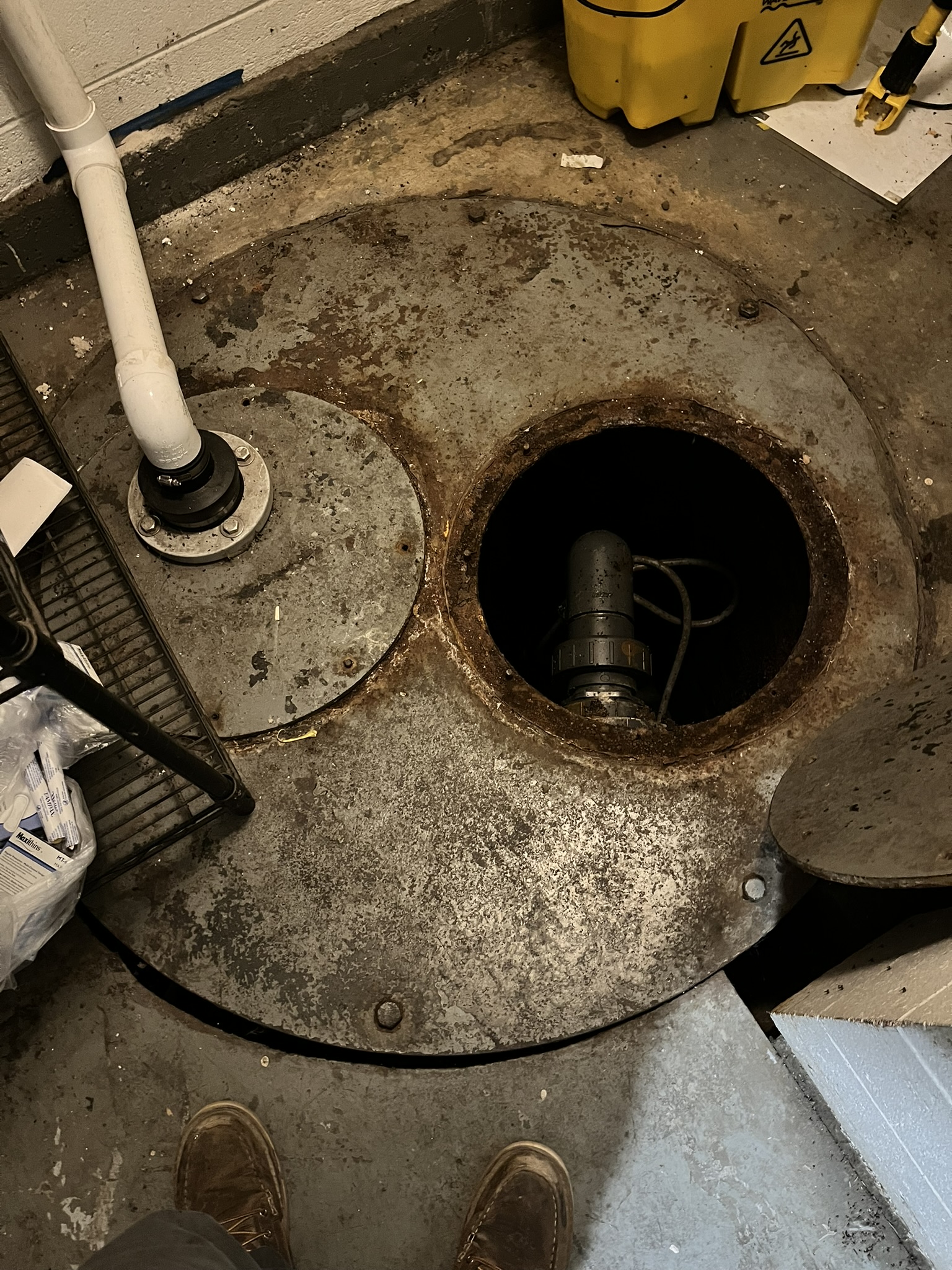


Spring in New England brings melting snow and heavy rain that can quickly flood your basement if your sump pump isn't working properly. Your sump pump sits idle most of the winter, which means it might not be ready when you need it most during the spring thaw. Testing your system now takes less than an hour and can save you thousands of dollars in water damage repairs.
A simple spring checklist helps you spot problems before they turn into basement floods, giving you time to fix issues or replace worn-out parts. Most sump pump failures happen during the busiest season because homeowners skip basic maintenance steps. Your pump needs to handle a sudden increase in water volume as snow melts and spring storms arrive.
This guide walks you through the specific risks New England homes face after winter and shows you how to prepare your sump pump for the wet months ahead. You'll learn how to test your system, what warning signs to watch for, and why regular maintenance protects your home while lowering your long-term costs.
Sump pump spring maintenance is one of the most cost-effective steps a New England homeowner can take, especially given that standard homeowners insurance policies do not cover flood damage from pump failure.
In this article, we cover your complete sump pump spring checklist for New England homes.
- Identifying risks after winter
- Managing increased water volume in spring
- Assessing sump pump performance
- Reducing failure from neglected maintenance
- Lowering costs through preventive maintenance
Keep reading to learn exactly what to check, what warning signs to take seriously, and how a few simple steps now can protect your basement through mud season and beyond.
Identifying risks after winter
Winter weather puts stress on sump pump systems that often goes unnoticed until spring thaw begins. Freezing temperatures, power disruptions, and hidden component wear create conditions that can turn minor issues into basement flooding emergencies when snowmelt and rain arrive.
Winter freezing can damage internal pump components
Freezing temperatures can crack plastic housing and damage the impeller inside your sump pump. Ice formation in the discharge line prevents water from exiting your basement even when the pump runs correctly.
The float switch mechanism becomes particularly vulnerable when temperatures drop below freezing. Ice can lock the float in place or cause it to stick. When this happens, your pump either runs constantly or fails to start when water enters the pit.
Check valves in the discharge pipe often fail after freeze-thaw cycles. A broken check valve lets water flow backward into your basement instead of away from your foundation. This backwards flow wastes energy and reduces your system's ability to handle heavy spring runoff. An early year plumbing inspection can catch these freeze-related failures before the thaw season puts your system under pressure.
Power outages during storms expose pump weaknesses
Winter storms frequently knock out power for hours or days across New England. Your sump pump becomes useless during these outages unless you have battery backup or a water-powered system in place.
Most homeowners discover their lack of backup protection only after finding a flooded basement. Standard electric pumps offer no home water backup prevention without additional equipment. A quality battery backup system costs between $300 and $800 but protects against thousands in water damage.
Test any backup system you installed before winter to confirm it still holds a charge. Batteries lose capacity over time and may not provide enough runtime during extended outages. According to FEMA, a battery backup pump is an effective safeguard against basement flooding that activates automatically when water reaches the float switch, and NFIP flood insurance does not cover water damage caused by sump pump failure, making backup protection essential.
Small failures turn into major spring flooding fast
A pump that struggles to start or makes unusual grinding noises indicates internal wear from winter operation. These early warning signs give you time to repair or replace components before heavy spring rains begin.
Discharge pipes that show cracks, loose fittings, or separation from the pump will fail under pressure when water volume increases. What starts as a small drip becomes a geyser when your pump tries to move hundreds of gallons per hour.
Sediment buildup in the sump pit from winter reduces storage capacity. Less space means your pump must cycle more frequently during spring thaw. This increased workload shortens pump lifespan and increases the chance of motor burnout during peak demand periods. If you see signs you need emergency plumbing service like sudden flooding or complete pump failure, act immediately rather than waiting for conditions to worsen.
Managing increased water volume in spring
Spring weather in New England creates the perfect conditions for basement flooding, with snowmelt, heavy rainfall, and saturated ground all combining to overwhelm sump pump systems. Your pump faces its biggest challenge during this season when water volume can spike without warning.
Rapid snowmelt increases water volume quickly
Snowmelt happens fast in New England when temperatures rise above freezing. A single warm day can melt several inches of accumulated snow, sending large amounts of water into the ground around your foundation.
This melted snow has nowhere to go when the soil is still frozen below the surface. The water pools at ground level and seeps directly toward your basement. Your sump pump may need to run continuously during these periods.
March and April bring the highest risk because snow cover remains heavy while daytime temperatures climb. A foot of snow contains roughly one to two inches of water when melted. If you have snow piled against your foundation, that water flows straight down to your basement level.
Saturated soil raises basement seepage risk
Soil around your foundation acts like a sponge during spring in New Hampshire and Maine. Once it fills with water from rain and snowmelt, hydrostatic pressure builds against your basement walls.
This pressure forces water through any crack or gap in your foundation. Your sump pump basin fills faster as groundwater levels rise and push moisture through the floor and walls.
Spring rains fall on already-wet ground, which cannot absorb additional water. The excess accumulates around your home and seeks the path of least resistance. Your basement becomes a collection point for this water.
Clay-heavy soil common in New England holds water longer than sandy soil. This means the seepage risk extends for days or weeks after each storm. Yard drainage problems and pooling near your foundation are early signs that your sump system is about to face peak demand. Addressing excavation drainage issues around your property before spring can significantly reduce the load on your pump.
Storm surges test pump capacity limits
Spring storms dump heavy rainfall in short periods. Your sump pump must handle sudden spikes in water volume that can overwhelm an undersized or failing system.
A typical spring rainstorm brings one to three inches of rain. Your pump may need to move hundreds of gallons per hour during peak rainfall. If your pump cannot keep up, water backs up into your basement.
Power outages during storms create additional risk. Without electricity, your primary pump stops working exactly when you need it most. A battery backup system prevents flood damage during these critical moments.
Your discharge pipe must move water away from your foundation quickly. Check that melting snow or ice has not blocked the exit point outside your home. If a spring storm causes a sudden backup before you can get a technician out, knowing when to call an emergency plumbing service versus waiting it out can save significant property damage.
Assessing sump pump performance
Testing your pump's basic functions reveals problems before spring storms arrive. A quick assessment of the float switch, discharge line, and motor sound takes less than 30 minutes and helps prevent basement flooding.
Float switch checks show whether activation is working
The float switch controls when your pump turns on and off. You need to test it by manually lifting the float to see if the pump starts immediately.
Pour water into the sump pit until the float rises naturally. The pump should activate before water reaches a dangerous level. If the float sticks or the pump doesn't start, you may have a faulty switch or debris blocking movement.
Check for objects or sludge wrapped around the float mechanism. Even small obstructions can prevent proper activation. Replace a damaged float switch right away because a malfunctioning switch is one of the most common sump pump failure signs that homeowners overlook.
Discharge line inspection prevents hidden blockages
The discharge line carries water away from your foundation. Ice, debris, or dirt can block this pipe during winter months without you knowing.
Walk the full length of your discharge line from the pump to where it exits. Look for cracks, disconnected sections, or frozen areas. Run water through the system and verify it flows freely out the end of the pipe.
Remove the discharge line from the pump outlet and look inside for buildup. A partial blockage forces your pump to work harder and can cause motor burnout. Clear any debris you find and make sure the check valve opens and closes properly when water flows through it. A pipe freeze prevention service performed before winter can prevent many of the discharge line issues that surface at spring thaw.
Listening for unusual motor noise signals wear
Your pump should run smoothly with a consistent hum. Strange sounds often indicate internal wear or damage that needs attention.
Grinding noises suggest damaged impeller blades or bearings. Rattling sounds may mean loose parts or debris in the pump chamber. Loud humming without pumping action indicates a seized or failing motor.
Run your pump and listen carefully for any sound different from normal operation. A pump that struggles or makes noise uses more energy and may fail when you need it most during heavy rain. These are the same kinds of subtle failure signals that a plumbing leak repair service technician looks for when assessing your broader plumbing system.
Reducing failure from neglected maintenance
Spring maintenance directly prevents most sump pump failures in New England homes. Small problems like debris and worn parts become major issues when ignored during the heavy snowmelt season.
Debris buildup restricts pump performance
Dirt, gravel, and sediment settle at the bottom of your sump pit throughout the year. This debris clogs the pump intake and prevents water from flowing properly into the system.
The float switch gets stuck when leaves or other materials block its movement. Your pump won't turn on automatically when water levels rise, which defeats its entire purpose.
Clean your sump pit every spring before the snowmelt begins. Remove all visible debris by hand and wipe down the walls of the pit. Check the intake screen for any material that could block water flow.
Test the float switch by lifting it manually after cleaning. It should move freely without catching on anything.
Old or undersized pumps fail under heavy load
Sump pumps typically last 7 to 10 years with regular use. The motor wears out faster in areas with high water tables or frequent heavy rain. An aging pump may run but lack the power to handle spring's intense water volume.
New England spring conditions demand pumps rated for your specific water volume. A 1/3 horsepower pump handles moderate water, while 1/2 horsepower or higher works better for heavy flow.
Your pump shows signs of aging when it runs continuously, makes grinding noises, or cycles on and off rapidly. These symptoms mean the motor struggles to keep up with demand.
FEMA recommends assessing your sump pump once a year and replacing it if it is more than 10 years old, noting that heavy rain saturates soil and forces groundwater into basements through the sump pit. Replace pumps older than 10 years before spring arrives. Check your home's pumping needs against your current pump's capacity rating on the manufacturer label.
Battery backup systems are often overlooked
Power outages happen during spring storms when you need your sump pump most. Your primary pump becomes useless without electricity, even if it works perfectly.
Battery backup systems sit idle for months and fail when called into action. The batteries lose charge over time or corrode at the terminals. Many homeowners don't realize their backup system is dead until flooding starts.
Test your battery backup every spring by unplugging the primary pump. The backup should activate within seconds and pump water normally. Check battery terminals for white or green corrosion and clean them with a wire brush.
Replace backup batteries every 3 to 5 years regardless of how they test. Mark the installation date on the battery with a permanent marker so you know when replacement is due.
Lowering costs through preventive maintenance
Regular sump pump maintenance costs far less than emergency repairs or flood damage restoration. By investing in routine care and timely replacements, you protect your home from expensive water damage while extending your pump's lifespan.
Routine inspections reduce emergency repair risk
Monthly visual checks take less than five minutes and help you spot problems before they become emergencies. Look for debris in the pit, check that the float switch moves freely, and listen for unusual sounds when the pump runs.
Quarterly inspections should include cleaning the pit and testing the pump by pouring water into the basin. This simple test confirms the float switch activates properly and the pump discharges water correctly.
A sump pump inspection service typically costs between $150 and $300 annually. This investment prevents the average basement flood repair cost of $3,000 to $10,000. Professional inspectors identify worn parts, check valve function, and test backup systems.
Early spring inspections are critical in New England before peak rain and snowmelt season. Catching a failing check valve or worn impeller during routine maintenance costs $50 to $200 in parts. Waiting until failure can mean emergency service fees of $500 or more plus potential flood damage. A pipe repair service visit scheduled at the same time lets you address any related plumbing vulnerabilities in one trip.
Replacing aging pumps prevents unexpected failure
Most sump pumps last 7 to 10 years with proper maintenance. Replacing your pump proactively at the 8-year mark costs $300 to $800 for the unit and installation.
Waiting for complete failure creates risk. A pump that fails during heavy spring rain can flood your basement in hours. According to FEMA, flood damage is not covered by standard homeowners insurance policies, and just one inch of floodwater can cause more than $25,000 in damage. The average New England homeowner faces repair costs including damaged flooring, drywall, furnaces, and personal belongings.
Watch for warning signs that indicate replacement time: frequent cycling, loud grinding noises, visible rust, or pumps running continuously. These symptoms mean your pump works harder and uses more electricity while providing less protection. If you also notice slow drains or backups during heavy rain, you may have a sewer backup problem compounding your sump system's workload.
Professional servicing improves long-term reliability
Annual professional maintenance extends pump life by addressing issues you might miss during basic checks. Technicians clean intake screens, test amp draw to detect motor strain, and verify proper discharge line slope.
Professional service includes checking the backup battery system, which many homeowners forget. A dead backup battery leaves you vulnerable during power outages that often accompany severe storms.
Combining your sump pump inspection with an early year plumbing inspection saves both time and money through reduced service call fees. Many plumbers offer discounted rates for multiple services scheduled together. Including a water line leak detection check at the same visit can uncover hidden leaks that add unnecessary water volume to your sump pit year-round.
Conclusion
Spring maintenance keeps your sump pump ready when New England weather puts it to the test. A few simple checks now prevent basement flooding and water damage later.
Regular maintenance prevents most common failures. When you spot small problems early, you avoid expensive repairs and water damage to your basement.
Battery backup systems give you protection during spring storms when power outages happen. This extra layer of security runs your pump when the electricity goes out.
Mark your calendar to check your sump pump each spring before the heavy rains and snowmelt arrive. New England homes face increased water risk during this season, so annual testing makes sense for most properties.
Keep a record of your maintenance checks. Write down the date and any issues you find. This helps you track your pump's condition over time.
Your sump pump works hard during mud season. Give it the attention it needs now, and it will protect your home when you need it most. Contact Seacoast Sewer & Drain to schedule a spring inspection and make sure your basement protection is ready before the next storm arrives.
Recent Blog Post
Customer Reviews