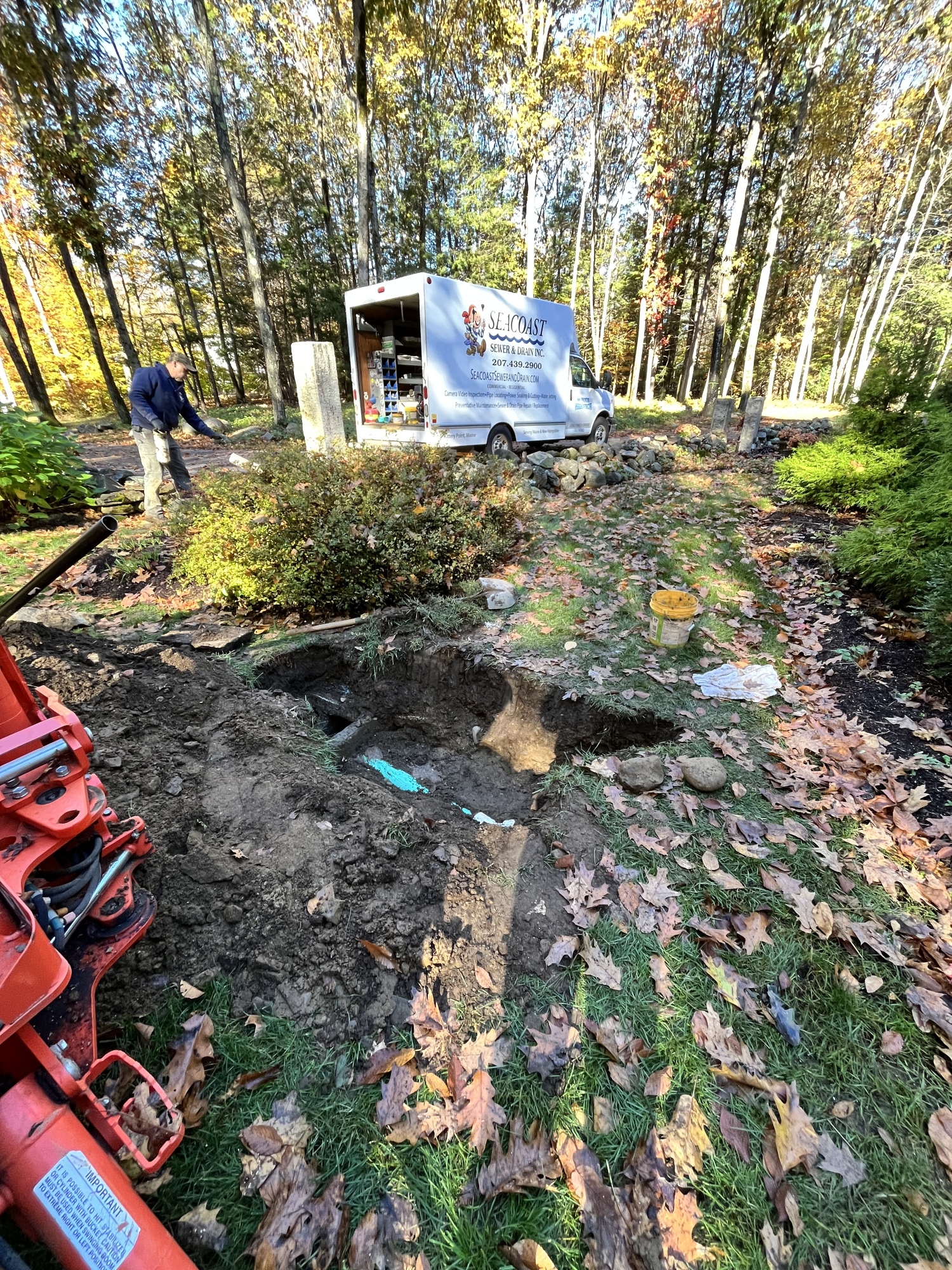


Your home's sewer system handles waste silently every day, and most homeowners never think about it until something goes wrong. When underground pipes collapse, sustain severe blockages, or deteriorate beyond the reach of standard repair methods, sewer excavation becomes the most reliable path to a lasting fix.
Sewer excavation provides direct access to damaged pipes that can't be fixed with standard methods, making it essential for major repairs and replacements. While digging up your yard might seem drastic, it's sometimes the only way to solve serious sewer issues. Understanding when excavation is needed and how it works helps you make smart decisions about your property.
In this article, you'll learn how the process works, what problems require digging, and how it compares to newer trenchless options. We'll also cover the steps involved in a typical excavation project so you know exactly what to expect.
- How excavation facilitates major sewer repairs
- Identifying problems that necessitate sewer excavation
- Mitigating risks through timely excavation
- Comparing sewer excavation and trenchless repair
- Step-by-step process of a sewer excavation project
Keep reading to understand when sewer excavation is the right call and how it protects your property from long-term underground damage.
How excavation facilitates major sewer repairs
Excavation gives plumbers complete visual access to your damaged pipes. They can see exactly what's wrong instead of relying on camera footage alone. This direct access means they can handle severe pipe breaks, collapsed sections, and extensive root damage that blocks your entire line.
Open-cut excavation allows workers to remove the damaged section and install new pipes properly. They can check the surrounding soil conditions and fix any problems that might damage your new pipes later. This method works for any pipe material and any level of damage.
The process also lets technicians replace multiple problem areas during one project. If your sewer line has several weak spots, they can address all of them at once instead of scheduling separate repairs.
How excavation supports major sewer repairs
Excavation provides direct access to damaged sewer lines and enables repairs that other methods cannot accomplish. This approach becomes critical when pipes suffer extensive damage or when modern trenchless techniques won't work for your specific situation.
According to the American Society of Civil Engineers, the nation's public sewer network spans over 800,000 miles, and a large portion of the treatment plants built after the Clean Water Act of 1972 are now approaching or past their designed service life of 40 to 50 years. That aging infrastructure is a major reason why residential sewer repair services become necessary for more homeowners each decade.
When sewer excavation becomes unavoidable
You'll need excavation when your pipes are completely collapsed or severely crushed. Trenchless methods require a structurally sound pipe to work with, so they can't fix pipes that have caved in.
Major root intrusions often require excavation too. Tree roots can grow through your pipes and create thick masses that blockage removal tools cannot clear. The roots may have also cracked or broken the pipe material itself.
Older pipe systems made from orangeburg, clay, or deteriorated cast iron typically need excavation. These materials often crumble during trenchless repairs. Your whole sewer line may need replacement if it's reached the end of its useful life.
Role in long-term plumbing system health
Excavation repairs typically last 50 to 100 years when done correctly. New pipes installed through excavation meet current building codes and handle modern household water usage. You won't face the same problems again for decades.
The method prevents recurring issues because technicians fix the root cause of your problems. They can correct improper slopes, remove invasive tree roots completely, and replace pipes that would keep failing. This saves you money on repeated service calls and temporary fixes.
Excavation also protects your property's foundation and landscaping over time. Leaking sewer lines create voids in the soil and attract roots that damage your yard. A proper excavation repair stops these leaks permanently and preserves your property value.
Identifying problems that necessitate sewer excavation
Some sewer line problems can be fixed with simple repairs, but certain conditions require full excavation to restore proper function. Collapsed pipes, severe root damage, and old corroded lines often need digging to access and replace damaged sections.
Collapsed or broken sewer pipes
A collapsed sewer pipe creates an immediate crisis that demands excavation. When soil shifts, heavy traffic passes overhead, or structural defects worsen over time, your sewer line can cave in completely. This type of damage blocks all wastewater flow and cannot be fixed with trenchless methods or internal repairs.
You'll need excavation when sewer camera inspection shows crushed, flattened, or separated pipe sections. The collapsed area must be dug up so workers can remove the damaged pipe and install new sections. Breaks and cracks that span large portions of the pipe also require excavation, especially when the damage affects the structural integrity of multiple connected sections.
Pipe collapses often happen in older clay or cast iron lines, but they can occur in any material under the right conditions. Ground movement from construction, water main breaks, or natural settling can all trigger a collapse that requires immediate excavation and replacement.
Severe root intrusion and blockages
Tree roots naturally seek out water sources, and even small cracks in your sewer line attract aggressive root growth. Roots can enter through tiny openings and expand to fill the entire pipe diameter. Once roots establish themselves inside the pipe, they trap waste and create stubborn blockages that return shortly after each cleaning attempt.
According to the U.S. Environmental Protection Agency, tree root intrusion into sewer lines is the second most common cause of line blockages across U.S. collection systems, ranking just behind the buildup of oil and grease. That fact underscores why root intrusion jetting alone often can't deliver a permanent fix when roots have compromised the pipe walls.
Minor root intrusions can sometimes be cleared with hydro jetting or root-cutting equipment. But severe cases require excavation to remove the affected pipe section and stop the problem permanently. You need excavation when roots have completely taken over pipe sections, caused structural damage to the pipe walls, or created multiple points of entry along a single stretch of line.
The excavation allows workers to remove compromised sections and install root-resistant materials. This approach addresses both the immediate blockage and the underlying vulnerability that allowed roots to invade.
Aging infrastructure and corrosion issues
Older sewer systems deteriorate over time through normal wear, chemical exposure, and environmental factors. Cast iron pipes corrode and rust through their walls. Clay pipes become brittle and crack. Even modern materials can degrade when exposed to harsh conditions for decades.
Your aging sewer line may need excavation when inspection shows widespread corrosion, multiple weak spots, or pipes approaching the end of their expected lifespan. Patching one section doesn't help when the entire line suffers from the same age-related decline. Full excavation lets you replace long stretches of failing pipe before catastrophic failure occurs.
Weather impacts also accumulate over the years and weaken underground infrastructure. Freeze-thaw cycles, soil movement, and groundwater exposure all contribute to the gradual breakdown of sewer materials. When these factors combine with old age, excavation becomes the only practical solution to restore reliable service. A sewer line inspection can confirm how far the deterioration has progressed before you commit to a full replacement.
Mitigating risks through timely excavation
Acting quickly when sewer problems appear can prevent small issues from becoming major disasters. Timely excavation protects your property, keeps your plumbing system working, and saves you from expensive emergency repairs.
Stopping recurring sewage backups
Recurring sewage backups signal a serious problem in your underground pipes. When you notice repeated clogs or slow drains, excavation lets professionals access the damaged section and fix the root cause. Understanding the common causes of sewer backup problems in Seacoast NH can help you identify whether excavation is needed before a full emergency develops.
Old pipes often collapse or develop cracks that trap debris and create constant blockages. Tree roots can break through weakened pipe walls and grow inside the line. These problems won't go away with temporary fixes like snaking or chemical cleaners.
Common signs you need excavation:
- Multiple backups in the same drain
- Sewage odors in your yard or basement
- Wet spots or sinkholes above your sewer line
- Gurgling sounds from drains and toilets
When you excavate and replace damaged pipe sections, you eliminate the underlying cause of backups. This approach addresses the structural failure instead of just treating symptoms. Your drains will work properly again without the constant worry of another backup.
Preventing property and foundation damage
Leaking sewer lines release wastewater into the soil around your home. This contaminated water erodes the ground beneath your foundation and creates voids that lead to settling and cracks.
The longer a leak continues, the more soil washes away. Your foundation may develop structural problems that cost tens of thousands of dollars to repair. Excavating the damaged pipe early stops the leak before it undermines your home's stability. A plumbing leak repair service can assess whether the damage is confined enough for a targeted fix or whether full excavation is the more practical path.
Sewage leaks also kill grass and plants in your yard. The saturated soil becomes soft and unstable. You might notice sunken areas or unusually green patches of grass where wastewater fertilizes the ground.
The underground sewer repair importance becomes clear when you consider the alternative costs. Fixing foundation damage requires extensive work including underpinning, crack repair, and yard restoration. These repairs far exceed the cost of timely sewer excavation.
Improving long-term system reliability
Excavation gives you a chance to upgrade old infrastructure before complete failure occurs. Many homes still have clay or cast iron pipes that have reached the end of their useful life. These materials deteriorate over time and become prone to breaking.
Modern pipe materials like PVC or HDPE last 50 to 100 years with minimal maintenance. When you excavate to repair one section, you can replace larger segments with durable materials. This investment reduces future repair needs and extends your system's lifespan.
Proper excavation also allows technicians to correct installation problems. Pipes with improper slope don't drain efficiently and collect debris. Excavating lets workers reset the line at the correct angle for optimal flow.
You gain peace of mind knowing your sewer system won't fail unexpectedly. Regular maintenance combined with timely excavation when problems appear keeps your plumbing reliable for decades. Scheduling an early year plumbing inspection is a practical way to catch developing issues before they escalate into full excavation emergencies.
Comparing sewer excavation and trenchless repair
When you face sewer line problems, you need to choose between two different repair approaches. Each method has specific situations where it works best, and understanding the differences helps you make the right decision for your property.
Key differences between both methods
Traditional excavation requires digging a trench to access your damaged sewer line directly. Workers use heavy equipment to remove soil, concrete, or landscaping above the pipe. This method gives plumbers full access to inspect and replace the entire line.
Trenchless repair uses existing access points to fix your pipes without major digging. The two main techniques are pipe lining, which creates a new pipe inside the old one, and pipe bursting, which breaks the old pipe while pulling in a new one.
Cost factors differ significantly:
- Excavation typically costs less per foot for the actual pipe work
- Trenchless repair avoids additional expenses for property restoration
- Excavation requires paying for landscape replacement, driveway repair, or concrete restoration
- Trenchless projects finish faster, reducing labor costs
Timeline and disruption vary greatly:
- Trenchless repairs often complete in one to two days
- Excavation can take several days to weeks, depending on restoration needs
- Your yard, driveway, or landscaping stays mostly intact with trenchless methods
- Traditional digging leaves your property torn up during the repair process
When trenchless repair is enough
Trenchless methods work well when your existing pipe is moderately damaged but structurally sound enough to support new lining. You can use this approach for pipes with cracks, small holes, or root intrusions that haven't caused complete collapse.
Your sewer line must have proper slope and alignment for trenchless repair to succeed. Pipes with severe bellying or significant misalignment need excavation instead. The existing pipe diameter also matters because lining reduces the interior space slightly.
Most pipes made from clay, cast iron, or PVC qualify for trenchless repair. You need access points at both ends of the damaged section, which usually exist through cleanouts or existing entry points. A video pipe inspection is the most reliable way to confirm whether the pipe is structurally sound enough for lining.
When full excavation is required
Complete excavation becomes necessary when your sewer line has collapsed or severely deteriorated. Pipes with major structural failure cannot support trenchless repair methods safely.
You need traditional digging when your line runs at the wrong slope or has shifted significantly from its original position. Excavation allows workers to re-grade the line properly and ensure proper flow. This method also works best when you need to reroute the sewer line to avoid tree roots or other obstacles.
Extremely old pipes that have reached the end of their lifespan often require full replacement through excavation. If your pipe material has become brittle or corroded throughout, trenchless repair won't provide a lasting solution.
Access limitations sometimes make excavation your only option. When existing access points are blocked or unavailable, workers must dig to reach the damaged section. Contacting sewer line repair contractors who are experienced with both methods ensures you get an honest assessment of which approach is right for your situation.
Step-by-step process of a sewer excavation project
Sewer excavation follows a clear sequence that starts with identifying the problem and ends with restoring your property. Each phase requires specific tools, safety measures, and skilled workers to handle the work properly.
Inspection and problem identification
Before any digging begins, technicians must locate the exact problem in your sewer system. They use Seacoast video drain inspection equipment that travels through your pipes to record video footage of cracks, blockages, or collapsed sections. This inspection shows where the damage is and how severe it is.
The inspection also reveals what type of repair you need. A small crack might only require a patch, while a fully collapsed pipe needs complete replacement. Technicians mark the problem areas on the surface above using paint or flags.
Your plumber will also check for other underground utilities near the work site. Gas lines, water mains, and electrical cables must be located before excavation starts. This step prevents dangerous accidents and costly damage to other systems.
Digging and pipe access process
Workers dig trenches to reach the damaged sewer pipe sections. The trench depth depends on how deep your sewer line sits, which can range from a few feet to over ten feet down. Heavy machinery like backhoes handles most of the digging work.
Safety measures are critical during this phase. Workers install trench supports to prevent soil collapse, especially when digging deeper than four feet. The trench walls must stay stable throughout the entire project.
Once the pipe is exposed, workers remove contaminated soil around it carefully. They create enough space to work on the pipe while keeping the trench as narrow as possible. This approach limits damage to your yard and reduces the amount of soil that needs removal.
Repair, replacement, and site restoration
Workers remove the damaged pipe sections and install new ones in their place. Modern sewer pipes are typically made of PVC or other durable materials that resist corrosion and tree root damage. Each pipe section connects securely to prevent future leaks.
After the new pipes are in place, workers test the system. They check for proper slope, secure connections, and correct water flow before filling the trench.
The final phase involves backfilling the trench with soil and compacting it in layers. This prevents future settling that could damage your lawn or driveway. Workers remove all debris and excess materials from your property. They restore the surface by replacing grass, pavement, or other materials that were removed during excavation. Understanding the cost factors for sewer replacement in Seacoast NH helps you budget accurately for this final phase, including surface restoration.
Conclusion
Sewer excavation is a critical service that protects your property and health. When you face serious pipe damage or blockages, excavation often becomes the most reliable solution. Modern tools and methods help reduce the disruption to your yard and daily life.
Working with qualified professionals makes a real difference. Licensed plumbers use proper equipment and follow local codes. They also provide warranties on their work, which gives you peace of mind.
The excavation process may seem invasive, but it delivers lasting results. Your contractor will restore your property after completing the repair. The investment protects your home's foundation and keeps your family safe from health hazards.
You now know why sewer excavation matters for maintaining a functional plumbing system. When problems arise, you can make informed decisions about repairs. Choose experienced contractors who use the right tools and techniques for your specific situation. Contact Seacoast Sewer & Drain to schedule an assessment and get expert guidance on the best repair approach for your property.
Recent Blog Post
Customer Reviews