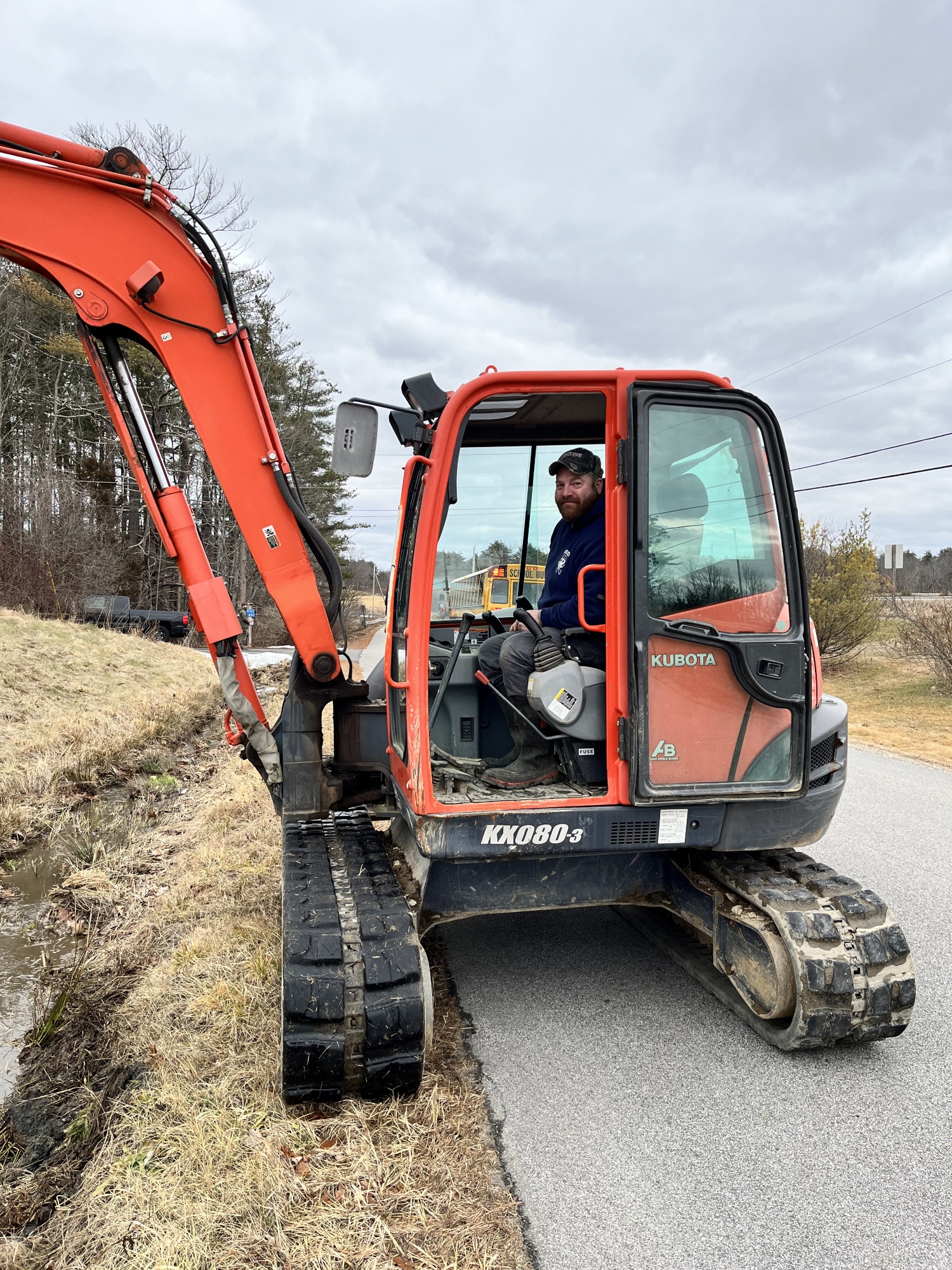


Sewer failures rarely wait for a convenient moment, and when they happen, the company you hire determines whether the repair holds for decades or needs to be redone within a few years. A sewer line excavation company brings together heavy equipment, licensed crews, and the diagnostic tools required to fix underground damage that standard plumbing cannot touch.
A sewer line excavation company handles the complete process of digging up and repairing underground sewer pipes when damage is too severe for simple fixes. The work can take several days or weeks depending on the problem. These specialists use machinery to carefully remove soil, access buried pipes, and complete repairs while minimizing damage to your yard and property.
Understanding what these companies do and how to choose the right one helps you make better decisions when sewer problems strike. You'll learn what services they offer, what causes sewer lines to fail, how to spot problems early, what the repair process looks like, and how to pick a qualified contractor for your project.
- Services provided by excavation specialists
- Underlying causes of sewer line failure
- Warning signs pointing to excavation needs
- Overview of the excavation and repair process
- Selecting a qualified excavation contractor
Keep reading to learn what separates a qualified sewer excavation company from an under-equipped one, and how to protect your home by making the right call.
Services provided by excavation specialists
Excavation specialists handle complex underground work that requires specialized equipment and training. These companies focus on digging, replacing, and repairing sewer lines rather than basic plumbing fixes.
Core services offered by excavation specialists
Excavation companies provide sewer line repair and replacement when pipes are damaged beyond basic fixes. They use heavy machinery to dig trenches and access underground pipes that standard plumbers cannot reach.
These specialists handle new sewer line installation for both residential and commercial properties. The work includes digging trenches, laying pipes, and connecting systems to municipal lines.
Vacuum excavation allows companies to expose pipes without damaging surrounding utilities. This method uses high-pressure water and suction to safely remove soil around sensitive areas.
Line boring creates pathways for new pipes without open trenching. This technique minimizes surface disruption and works well under driveways or landscaped areas.
Many excavation specialists also offer diagnostic services using sewer camera inspection. They can identify cracks, blockages, and root intrusions before recommending specific repair methods.
Difference between general plumbers and excavation experts
General plumbers handle above-ground fixtures and minor drain issues. They fix leaks, install toilets, and clear simple blockages using standard tools.
Excavation specialists possess licenses and equipment for underground work. They operate backhoes, excavators, and trenchless repair systems that general plumbers do not have. Their teams understand soil conditions, depth requirements, and municipal codes for underground infrastructure.
A residential sewer excavation company focuses on projects that require digging below ground level. They coordinate with utility companies to locate existing lines and prevent damage during excavation.
Standard plumbers typically refer customers to excavation specialists when problems occur in the main sewer line. The equipment and expertise needed for these jobs exceeds what most plumbing companies maintain.
When excavation companies are required
You need an excavation company when your main sewer line collapses or breaks. These failures cause sewage backups throughout your home that cannot be fixed with simple drain cleaning.
Tree root intrusion often requires excavation services. Roots can crack pipes and create blockages that grow back even after clearing. Excavation allows complete pipe replacement in affected sections.
Old clay or cast iron pipes deteriorate over time and need replacement. A sewer line repair company can remove damaged sections and install modern PVC pipes that last decades longer.
New construction projects require excavation specialists to install sewer connections. They dig trenches, lay pipes at proper grades, and connect systems to street mains according to local building codes.
Underlying causes of sewer line failure
Sewer lines fail due to three main problems: invasive tree roots that break through pipes, old materials that corrode and weaken over time, and soil movement that puts pressure on underground systems.
Tree root intrusion and pipe blockages
Tree roots cause major damage to sewer lines because they naturally grow toward water sources. Your sewer pipes contain moisture and nutrients that attract roots from nearby trees and shrubs. Small roots can enter through tiny cracks or loose pipe joints, then expand inside the line.
Once roots get inside, they grow larger and form dense masses that block water flow. The roots act like nets that catch toilet paper, grease, and other waste materials. This creates clogs that back up into your home.
According to the U.S. Environmental Protection Agency, tree root intrusion ranks as the second most common cause of line blockages in U.S. sewer systems, trailing only oil and grease buildup. That makes root intrusion jetting a critical first-response tool, but when roots have already broken through the pipe walls, excavation becomes the only permanent fix.
The root growth also damages the pipe structure itself. As roots expand, they put pressure on the pipe walls and make existing cracks worse. Clay and concrete pipes are especially vulnerable because they have more joints where roots can enter. Even a small root intrusion can turn into a serious problem within months.
Aging or corroded sewer infrastructure
Older sewer pipes break down naturally as materials degrade over time. Cast iron pipes typically last 50 to 75 years before rust weakens the walls. Clay pipes can last longer but become brittle and crack easily. Orangeburg pipes, made from wood pulp and tar, often fail after just 30 to 50 years.
Corrosion happens when chemicals in wastewater eat away at pipe materials. The damage starts small but creates weak spots that eventually collapse. You might not notice the problem until the pipe fails completely.
Weather conditions and temperature changes also speed up deterioration. Freeze-thaw cycles cause expansion and contraction that cracks pipes. Ground moisture affects different materials in different ways, with some corroding faster in wet soil. Scheduling pipe freeze prevention service each fall is one practical way to reduce cold-weather stress on aging lines before damage accumulates.
Ground shifting and pipe collapse
Soil movement puts stress on underground sewer lines that they were not designed to handle. When soil settles unevenly, it creates pressure points along the pipe that cause breaks or separations at joints.
Construction activity near your property can damage sewer lines through vibration or direct impact. Heavy equipment compacts soil and shifts the ground in ways that bend or crack pipes. Excavation work sometimes breaks lines accidentally.
Natural events like earthquakes, floods, or sinkholes create sudden ground movement that your sewer system cannot withstand. Even minor settling from poor initial installation can cause problems years later. Pipes need proper bedding and backfill support, or they will sag and develop low spots where waste collects and clogs form.
Warning signs pointing to excavation needs
Sewer line problems don't appear overnight. Your plumbing system sends clear signals when underground pipes are failing and need excavation to fix or replace them.
Repeated drain backups in multiple fixtures
When one drain backs up, you might have a simple clog. But when multiple drains in your home back up at the same time, this points to a serious problem in your main sewer line. You might notice water backing up in your shower when you flush the toilet, or your kitchen sink might overflow when you run the washing machine.
These backups happen because your main sewer line is blocked or damaged underground. Tree roots can grow into pipes through small cracks. Pipes can collapse from age or shifting soil. Old clay or cast iron pipes may have deteriorated completely.
If you've tried drain snaking service or using chemical cleaners without success, the problem is likely deep in your sewer line. A professional video pipe inspection can show exactly where the damage is. When the blockage or damage is severe, excavation becomes necessary to reach the pipe and fix it properly.
Wet patches or sinkholes in your yard
A broken sewer line leaks wastewater into the soil around it. This creates soggy areas in your yard that stay wet even during dry weather. The grass above a leaking pipe often grows faster and looks greener than surrounding areas because sewage acts like fertilizer.
More serious leaks can wash away soil and create sinkholes or depressions in your yard. These low spots may start small but grow larger as more water escapes from the damaged pipe. The ground might feel soft or unstable when you walk on it.
Pooling water that smells bad or has a dark color confirms sewage is leaking from your line. Don't ignore these wet spots. A leaking sewer line can contaminate your soil and groundwater. Water line leak detection methods can help confirm whether the source is a sewer lateral or a supply line before excavation begins.
Strong sewage odors around your property
Sewer pipes are sealed systems that shouldn't release any odors. When you smell sewage in your yard, near your foundation, or inside your home, gas is escaping through cracks or breaks in the pipe. This smell is distinct and unpleasant.
The odor might be strongest in one area of your yard, which helps pinpoint where the damage is located. Inside your home, sewage smells can come up through drains when the main line is compromised. These gases include methane and hydrogen sulfide, which are both hazardous to breathe.
A persistent sewage smell means your sewer line has failed and needs immediate attention. The same breaks that let gas escape are also letting raw sewage leak into the ground. If the odor appears suddenly alongside multiple slow drains, treat it as a signal to call an emergency plumbing service rather than waiting for a scheduled appointment.
Overview of the excavation and repair process
Sewer line excavation follows a specific sequence that starts with finding the problem and ends with a fully functional system. Companies use proven methods to dig up, fix, and test your sewer lines with minimal disruption to your property.
Inspection and locating the damaged section
Before any digging begins, technicians inspect your sewer system to find the exact location and extent of damage. They typically use Seacoast video drain inspection equipment that travels through your pipes to show cracks, blockages, tree root intrusion, or collapsed sections. This step saves time and money because crews only dig where necessary.
Technicians also mark all utility lines on your property before excavation starts. This includes water lines, gas pipes, electrical cables, and communication lines. Hitting these utilities during excavation can cause service disruptions, expensive repairs, or safety hazards.
The inspection determines whether traditional excavation is required or if trenchless sewer line replacement might work instead. Trenchless methods need less digging but only work in specific situations where pipes aren't completely collapsed or heavily damaged.
Digging and exposing underground pipes
Once the problem area is marked, excavation crews dig trenches to reach your underground sewer pipes. The size and depth of these trenches depend on how deep your sewer line sits and how much pipe needs repair or replacement.
Workers use backhoes, excavators, and other heavy equipment to remove soil carefully. They create trenches wide enough to work safely while accessing both sides of the damaged pipe. This part of the process can take several days depending on soil conditions, the depth of your pipes, and weather.
Your yard, driveway, or other surfaces may need to be torn up to reach the sewer line. Excavation companies track what they remove so they can restore your property correctly after repairs finish.
Repair, replacement, and system testing
After exposing the damaged section, workers either repair or replace the affected pipes. Minor damage might only need a patch or joint repair. Severe damage requires cutting out the bad section and installing new pipe.
Technicians connect new pipes using proper fittings and ensure all joints are sealed correctly. They bed the pipes in gravel or sand to provide stable support and proper drainage around the line.
Before refilling the trench, crews test the repaired system. They run water through the line and may use cameras again to verify the repair worked. Some companies perform pressure tests to check for leaks. Once testing confirms everything works properly, workers backfill the trench with soil and compact it in layers to prevent future settling. Reviewing the cost factors for sewer replacement in Seacoast NH before work begins helps you plan for the full scope, including surface restoration after backfill.
Selecting a qualified excavation contractor
Finding the right sewer excavation contractor requires careful evaluation of their credentials, availability, and capabilities. These factors determine whether a company can handle your project safely and effectively.
Licensing, insurance, and experience
A qualified sewer excavation contractor must hold proper state and local licenses to operate legally in your area. These licenses confirm that the company meets minimum standards for technical knowledge and safety practices. You should ask to see current license numbers and verify them with your state's licensing board.
Insurance coverage protects you from liability if accidents or property damage occur during excavation work. Request proof of both general liability insurance and workers' compensation coverage. General liability should cover at least $1 million in damages, while workers' comp protects you if crew members get injured on your property.
Experience matters significantly in sewer excavation work. Companies that have operated for several years understand local soil conditions, drainage patterns, and common pipe problems in your region. Ask potential contractors how long they've been in business and how many sewer line projects they complete annually. Knowing how to identify reliable sewer line repair contractors in Portsmouth, NH can help you ask the right vetting questions before you commit to anyone.
Emergency availability and response times
Sewer line failures don't follow business hours. Emergency sewer excavation services become necessary when sewage backs up into your home or when a complete line collapse occurs. You need a contractor who offers 24/7 emergency response for these urgent situations.
Ask potential contractors about their typical response time for emergencies. Many established companies can arrive within 1 to 2 hours of your call. Some contractors charge premium rates for after-hours service, so clarify their emergency pricing structure upfront.
Year-round availability also matters in areas with harsh weather. Your contractor should be equipped to handle winter excavation when frozen ground makes digging more difficult. Knowing the signs that call for a Seacoast emergency plumber helps you act before a bad situation becomes a total system failure.
Equipment and technology used for repairs
Modern sewer excavation contractors use specialized equipment that makes repairs faster and less invasive. Mini excavators fit in tight spaces between buildings or in backyards where full-size machines can't operate. Vacuum excavation trucks remove soil without damaging nearby utility lines.
Pipe camera diagnostics help contractors locate the exact problem area before digging. This technology reduces the excavation area needed and lowers your total project cost. Some contractors also offer trenchless repair methods that require minimal digging for certain pipe problems.
Ask what types of equipment a contractor owns versus rents. Companies that own their machinery typically complete jobs faster and maintain better control over project timelines.
According to the U.S. EPA's 2022 Clean Watersheds Needs Survey, at least $630 billion will be needed over the next 20 years to maintain and modernize the nation's wastewater and stormwater systems. That scale of aging infrastructure means demand for qualified excavation contractors will only grow, making it more important than ever to choose a company with the right tools and a documented track record.
Conclusion
Your sewer line system needs proper care and maintenance to work correctly. When problems happen, working with a professional excavation company makes the repair process easier and more reliable.
Excavation companies bring the right tools and experience to handle your sewer line issues. They understand local regulations and can complete the work safely. Whether you need traditional digging or newer trenchless methods, these professionals know which approach fits your situation best.
The right excavation company will assess your property before starting work. They explain the process clearly and help you understand what to expect. This planning prevents surprises and keeps your project on track.
Your yard and property will need some recovery time after excavation work. Professional companies take steps to minimize damage and restore your landscape when possible. They also provide guidance on caring for the area after repairs finish.
Choosing an experienced sewer line excavation company protects your home and saves you money in the long run. Quality work prevents repeat problems and extends the life of your sewer system. Take time to research local companies, read reviews, and ask questions before making your decision. Contact Seacoast Sewer & Drain to get a professional assessment from an experienced local team that handles the full scope of underground sewer repair.
Recent Blog Post
Customer Reviews