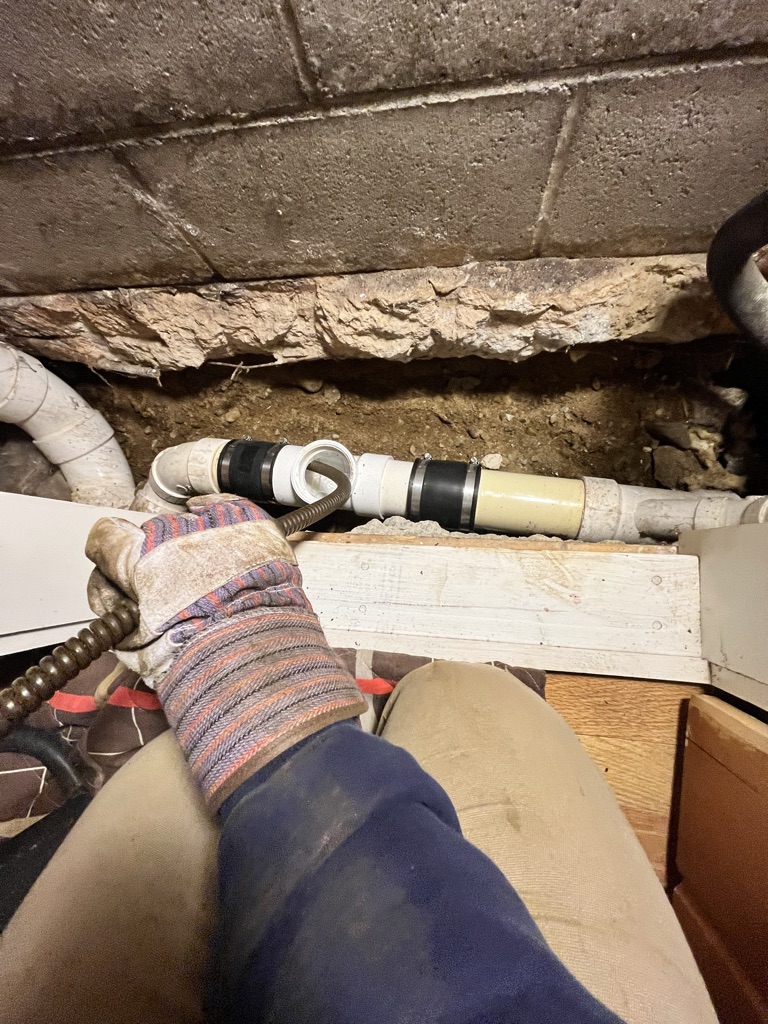


Drain clogs that keep coming back are one of the most frustrating problems a homeowner can face. Unlike a one-time blockage caused by something obvious, recurring clogs signal that something deeper is wrong with your plumbing system. Understanding the difference between a surface symptom and a real underlying cause is the first step toward fixing the problem for good.
Dealing with the same clogged drain over and over can feel like a never-ending problem. You clear it out, and a few weeks later, water starts backing up again. If this sounds familiar, you're not alone — many homeowners in New Hampshire and Maine face this exact issue.
Recurring drain clogs usually mean there's a deeper problem in your plumbing system that temporary fixes can't solve. The real causes often hide inside your pipes, from grease buildup and tree roots to damaged sewer lines. Understanding what's actually happening beneath your property can help you stop the cycle of repeat clogs.
This guide will walk you through the most common reasons drains keep clogging in New Hampshire and Maine homes. You'll learn why quick fixes don't last, what's really going on in your pipes, and when it's time to look beyond the surface problem.
In this article, we cover the most common causes of recurring drain clogs in New Hampshire and Maine homes.
- Mistaking symptoms for underlying drain issues
- Impact of everyday grease and waste in pipes
- Tree root intrusion in aging sewer lines
- Problems caused by old or damaged plumbing
- Consequences of incomplete drain cleaning
Keep reading to learn what's actually happening inside your pipes and how to stop the cycle of repeat clogs before it leads to serious plumbing damage.
Mistaking symptoms for underlying drain issues
A clog that clears with a plunger or snake but returns days or weeks later isn't truly resolved. The visible blockage is often just a sign of a structural or buildup problem deeper in your plumbing system.
Temporary fixes don't remove deeper buildup
When you plunge a drain or pour chemical cleaner down the pipe, you might restore water flow for a short time. But these methods only push debris aside or dissolve the surface layer of the clog.
The actual problem — grease coating your pipe walls, soap scum layers, or mineral deposits — stays in place. Each time you use that drain, more material sticks to the existing buildup. The opening gets narrower until water backs up again.
Chemical drain cleaners can make things worse over time. They eat away at pipes and create rough surfaces where debris catches more easily. Your drain might work for a few days, but you haven't addressed why the clog formed in the first place.
Repeat clogs often point to pipe-wide issues
If the same drain clogs every month or two, something beyond normal use is causing blockages. Tree roots can grow into sewer lines through small cracks, creating a net that catches waste. Pipes that have settled or shifted may have low spots where water pools and debris collects.
Older cast iron or clay pipes deteriorate from the inside out. The rough, corroded surface grabs hair, food particles, and other waste that would normally flow through smooth pipes.
A belly in your sewer line — where the pipe sags due to soil settling — creates a permanent trap for solid waste. No amount of snaking will fix a structural defect like this. You need a sewer line inspection to see what's actually happening inside your pipes.
Ignoring early signs leads to bigger repairs
Slow drains are your first warning that buildup is restricting flow. When you ignore this and wait until water completely stops draining, the underlying issue has likely worsened.
A small crack that lets roots in will expand as roots grow thicker. Partial pipe collapse will continue to worsen under soil pressure. What might have required spot repair or cleaning when caught early can turn into a full sewer line replacement.
Multiple drains backing up at once means your main sewer line has a serious blockage or damage. At this stage, you're facing sewer backup risks and potential property damage. Early professional diagnosis through camera inspection identifies problems while they're still manageable and less expensive to fix.
Impact of everyday grease and waste in pipes
Materials that go down your drains every day create layers inside your pipes that narrow the openings and catch more waste over time. Grease, soap, and food particles stick to pipe walls and build up until water can barely flow through.
Kitchen grease hardens over time and traps debris
When you pour grease down your kitchen drain, it stays liquid for only a short time. As it cools, the grease hardens and sticks to the inside of your pipes. This creates a coating that gets thicker with each time you wash greasy pots or plates.
The sticky layer acts like a net that catches other materials. Small food bits, coffee grounds, and other debris get trapped in the grease instead of flowing through. Over weeks and months, this buildup grows until it blocks most of the pipe.
Common sources of grease buildup include:
- Butter and cooking oils
- Meat fats and bacon grease
- Salad dressings and mayo
- Dairy products like milk and cream
According to the U.S. Environmental Protection Agency, the most common cause of sewer line blockages reported nationally is the buildup of oil and grease, with tree root intrusion ranking as the second-most frequent cause. Even small amounts of grease add up. A thin film left from regular dishwashing combines with soap and other waste to form a tough clog that keeps coming back unless you remove the entire buildup. Scheduling a professional grease clog removal service is often the only way to fully clear these deposits from pipe walls.
Soap scum reduces pipe diameter in bathrooms
Soap combines with minerals in your water to create a chalky residue called soap scum. This material coats the inside of bathroom pipes and builds up layer by layer. Unlike grease, soap scum forms a hard surface that's difficult to remove.
Bar soap creates more scum than liquid soap because it contains more fats. The scum narrows your pipes gradually, which is why you might not notice a problem right away. Hair and toothpaste mix with the soap scum to make the blockage worse.
In homes with hard water, soap scum forms faster and thicker. According to the U.S. Geological Survey, calcium carbonate scale from hard water can gradually close up the interior of pipes the same way cholesterol narrows blood vessels, resulting in reduced water flow and lower pressure throughout your home. The minerals in the water react with soap more strongly, creating stubborn deposits throughout your plumbing system.
Food particles worsen partial blockages
Small bits of food seem harmless when they go down your drain. But they stick to existing grease buildup and soap scum instead of washing away. Rice, pasta, and bread expand when wet, taking up more space inside your pipes.
Starchy foods break down slowly and create a paste-like substance. This paste fills in gaps around other debris and speeds up how fast your drain gets completely blocked. Even homes with garbage disposals face this problem when ground-up food particles coat pipe walls.
Coffee grounds are especially bad because they clump together when wet. They settle in low spots of your pipes and form dense masses that trap everything else flowing through.
Tree root intrusion in aging sewer lines
Tree roots naturally grow toward moisture and nutrients, making old sewer pipes with even tiny cracks an easy target. Once roots enter the pipe, they expand over time and create blockages that trap waste and cause recurring backups.
Roots enter through small pipe cracks
Tree roots don't need large openings to invade your sewer line. A crack as small as a hairline or a slightly loose pipe joint gives roots enough space to start growing inside.
Older sewer pipes develop these vulnerabilities over time. Clay pipes, which were common in homes built before the 1980s, crack and separate at joints as they age. Cast iron pipes corrode and develop weak spots. Even modern PVC pipes can crack if the ground shifts or settles.
Trees and large shrubs send out root systems that can extend two to three times wider than the tree's canopy. These roots actively search for water sources, and your sewer line carries a steady supply of moisture. The warm, nutrient-rich environment inside the pipe attracts roots even more once they detect it.
Growth expands and traps waste inside lines
After roots enter your sewer pipe, they spread quickly inside the dark, moist environment. The roots grow in thin, hair-like strands at first, but they thicken and branch out as they absorb water and nutrients from the wastewater.
These growing roots create a net-like barrier inside your pipe. Toilet paper, waste, grease, and other materials get caught in this tangle. The blockage builds up over time, reducing water flow through the line.
You might notice your drains running slower than usual or hear gurgling sounds from toilets and sinks. These are early warning signs that roots are restricting flow. A seacoast video drain inspection can identify root intrusion early, before it fills the entire pipe and causes a complete sewage backup in your home.
Seasonal ground shifts worsen root intrusion
The ground around your sewer pipes moves throughout the year, and these shifts put extra stress on pipes that already have root problems. During winter freeze-thaw cycles, soil expands and contracts, which can widen existing cracks where roots have entered.
Spring and summer bring active root growth periods. Trees need more water during warm months, so their roots push deeper and spread faster into your sewer line. Heavy spring rains can also shift soil and create new gaps in pipe joints.
Dry summer conditions make the problem worse in a different way. When the soil dries out, tree roots search more aggressively for water sources. Your sewer line becomes even more attractive to thirsty roots during drought periods. Addressing tree root sewer line damage before these seasonal shifts worsen it can save you from much more expensive excavation repairs later.
Problems caused by old or damaged plumbing
Aging plumbing systems create physical conditions inside your pipes that make clogs return even after cleaning. Deteriorated materials, structural failures, and corroded surfaces change how water and waste move through your lines.
Collapsed or cracked pipes restrict flow
Pipes that have collapsed or developed cracks create physical barriers that trap waste and debris. These damaged sections act like permanent obstacles in your plumbing system. Water slows down as it tries to pass through the restricted area, which lets solid materials settle and accumulate.
Cracks in your pipes often start small but grow wider over time. Ground movement, freeze-thaw cycles, and age-related deterioration all contribute to pipe damage. When a pipe partially collapses, the narrowed opening catches everything from toilet paper to food particles.
Tree roots frequently enter through small cracks and make the problem worse. The roots expand inside your pipes as they search for water and nutrients. This combination of structural damage and root intrusion is a major sewer line blockage cause that standard drain cleaning cannot fix.
Corrosion increases rough interior buildup
Corroded pipes develop rough, uneven interior surfaces that grab onto passing materials. Metal pipes corrode from the inside out as water and waste chemicals wear away the protective lining. The resulting pits and bumps on the pipe walls catch hair, grease, and other debris.
Cast iron and galvanized steel pipes are especially prone to this type of deterioration. These materials rust and create scale buildup that narrows the pipe diameter. What starts as a smooth interior becomes increasingly rough over decades of use.
The textured surface from corrosion acts like sandpaper, slowing water flow and catching particles. Even after you clear a clog, the corroded sections immediately start collecting new debris. This cycle continues until you address the cracked sewer pipe repair or replace the damaged sections entirely.
Misaligned joints catch debris repeatedly
Pipe joints that have shifted out of alignment create lips and gaps where materials accumulate. Poor installation, settling foundations, and soil movement all cause pipes to separate slightly at connection points. These misaligned sections form catch points that trap waste before it reaches the main sewer line.
The offset between two pipe sections disrupts smooth water flow. Solid materials bump against the protruding edge and get stuck. Even a small misalignment of a quarter inch can cause recurring blockages.
Sagging pipes develop similar problems at low points where gravity allows debris to settle. These sections fill with waste that hardens over time and creates permanent restrictions in your drainage system. A residential sewer repair assessment can confirm whether misalignment is the source of your recurring problem.
Consequences of incomplete drain cleaning
When a drain cleaning service only removes part of the blockage, the clog often returns within days or weeks. This creates a cycle of temporary fixes that waste money and allow underlying problems to worsen.
Snaking may not remove full blockage
A plumber's snake can break through clogs and restore water flow, but it doesn't always remove all the buildup inside your pipes. The snake creates a hole through the blockage rather than clearing the entire pipe diameter. Grease, soap scum, and mineral deposits often remain stuck to the pipe walls.
These leftover materials continue to narrow your drain opening. New debris catches on the rough surface and builds up faster than before. Within a short time, you face the same slow drainage and backups.
Common materials left behind by snaking:
- Hardened grease layers
- Soap residue buildup
- Scale from hard water
- Tree root fragments
The snake also can't address damaged pipes or bellied sections where waste settles. If your pipe has sagged or developed low spots, a basic drain snaking service will only provide temporary relief.
Hydro jetting is sometimes required for full cleaning
High pressure drain jetting uses high-pressure water streams to scour the entire interior surface of your pipes. This method removes stubborn buildup that snaking leaves behind. The pressurized water reaches up to 4,000 PSI and cleans pipes down to their original diameter.
This cleaning method works well for grease accumulation, mineral scale, and tree root invasions. It eliminates the rough surfaces where new clogs form quickly. Most residential drain cleaning providers recommend hydro jetting for recurring problems because it provides longer-lasting results.
Hydro jetting costs more upfront than basic snaking. However, it reduces the frequency of future cleanings and extends the time between service calls. Your pipes stay clearer for months or even years after a thorough hydro jetting.
Camera inspection identifies the real source of the issue
A video pipe inspection reveals what's actually happening inside your drain lines. The camera travels through your pipes and sends back real-time footage of cracks, root intrusions, and structural problems. You can see exactly where blockages form and why they keep coming back.
This inspection shows whether you have bellied pipes, separated joints, or collapse points that trap debris. It also reveals if tree roots have penetrated your sewer line or if corrosion has damaged older pipes. Without this visual evidence, you're treating symptoms instead of causes.
The camera helps your plumber determine whether you need pipe repair service, replacement, or just more thorough cleaning. Many recurring clogs stem from pipe damage that cleaning alone cannot fix.
Conclusion
Recurring drain clogs in New Hampshire and Maine homes point to problems that need real solutions. Temporary fixes like plungers and chemical cleaners might clear a clog once, but they won't stop the pattern from repeating.
You need to address what's actually causing the clogs to return. A professional camera inspection shows exactly what's happening inside your pipes. This helps you understand whether you're dealing with buildup, damage, or blockages from roots.
Prevention saves you time and money. Installing drain strainers catches debris before it enters your pipes. Avoiding grease disposal down drains reduces buildup. Regular maintenance keeps small issues from turning into bigger problems.
When clogs keep coming back despite your efforts, it's time to call a professional plumber. They have the tools and knowledge to diagnose the real problem and provide lasting solutions. Waiting too long can lead to pipe damage, sewage backups, and costly emergency repairs.
Your plumbing system works best when you take a proactive approach. Don't accept recurring clogs as normal. Find out what's causing them and fix the problem properly. Contact Seacoast Sewer & Drain to schedule a professional inspection and get a lasting solution.
Recent Blog Post
Customer Reviews