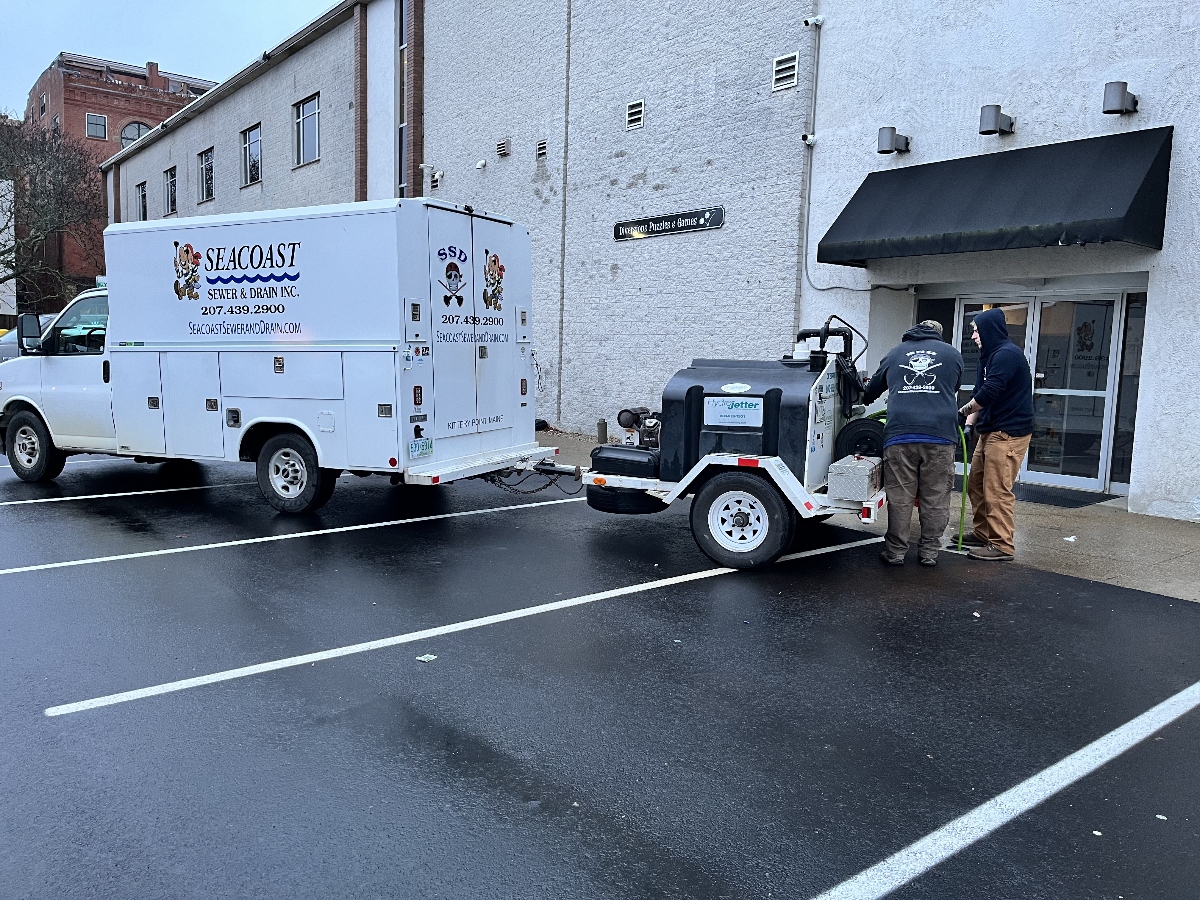


Hydro jetting vs. power snaking: Which drain cleaning method is right for you?


When your drain backs up or slows down, choosing the wrong cleaning method can waste your money and leave the root cause untouched. Both hydro jetting and power snaking are proven drain cleaning methods, but they work in very different ways and suit very different problems. Understanding the difference helps you pick the right solution the first time.
Power snaking uses a rotating cable to break through blockages, creating a hole that lets water flow again. Hydro jetting uses high-pressure water streams up to 4,000 PSI to blast away grease, roots, and mineral deposits from your pipe walls. Each method has specific situations where it works best.
Your drain system's condition, the type of clog you're dealing with, and your long-term maintenance goals all play a role in which approach makes sense. This guide will walk you through how each method works, when to use them, and what you need to consider for keeping your drains clear.
In this article, we cover everything you need to know about hydro jetting vs. power snaking.
- Understanding the differences in drain cleaning approaches
- When power snaking is most effective
- Benefits of hydro jetting for thorough pipe cleaning
- Assessing your drain system's needs
- Long-term drain care and prevention
Keep reading to understand which method fits your situation so you get a lasting fix instead of a temporary patch.
Understanding the differences in drain cleaning approaches
Power snaking and hydro jetting work in completely different ways to clear blocked pipes. Snaking breaks through the immediate clog, while hydro jetting removes all buildup from the pipe walls.
Power snaking punches through clogs but doesn't clean pipe walls
A drain snake uses a long, flexible metal cable with a blade or auger at the end. The cable rotates as it moves through your pipe to break apart the blockage. This method creates a hole through the clog so water can flow again.
The snake only clears a path through the center of the pipe. It leaves grease, soap scum, and other buildup stuck to the pipe walls. This buildup often causes another clog within weeks or months.
Snaking works well for simple blockages like hair clumps or single objects stuck in the line. It's a quick solution that costs less than hydro jetting. However, it doesn't address the root cause of most recurring drain problems.
Hydro jetting uses high-pressure water to fully clear buildup
Hydro jetting shoots water through your pipes at 3,000 to 8,000 pounds per square inch (PSI). The high-pressure stream scours the entire inside surface of the pipe. It removes grease, mineral deposits, tree roots, and years of accumulated debris.
The water pressure is strong enough to cut through almost any blockage. It also cleans the pipe walls completely, leaving them nearly as clean as new pipes.
This method works best for stubborn clogs, recurring blockages, and preventive maintenance. The deep cleaning helps your drains stay clear for much longer than snaking.
The wrong method can lead to recurring blockages
Choosing the wrong drain cleaning method wastes your money and time. If you use snaking on a pipe filled with grease buildup, you'll need another service call soon. The grease remains on the walls and causes new clogs quickly.
Using hydro jetting on old, damaged pipes can make cracks worse. The high water pressure might break weak sections of pipe. Your plumber should inspect the pipe condition before choosing a cleaning method.
Best applications for each method:
- Power snaking: Simple clogs, newer pipes, budget-friendly option
- Hydro jetting: Heavy buildup, tree root intrusion, long-term prevention
The blockage type and pipe condition determine which drain cleaning method works best for your situation.
When power snaking is most effective
Power snaking works best for straightforward blockages close to accessible drain openings and serves as a quick, budget-friendly option for many common household clogs. However, this method has limitations in its cleaning scope and may not address underlying buildup issues in your pipes.
Best for simple clogs near drains or fixtures
Power snaking excels at removing blockages within 25 to 50 feet of your drain opening. The rotating cable can break through hair clumps, soap buildup, and small objects lodged in your bathroom sinks, tubs, and toilets.
Your plumber can typically clear these simple obstructions in less than an hour. The auger blade cuts through soft materials and pushes debris forward or pulls it back out through the drain opening.
This method works particularly well for toilet paper buildup, hair clogs in shower drains, and food particles stuck in kitchen sink lines. If you're dealing with a single backed-up fixture rather than multiple drains, a sewer snaking service can usually solve your problem quickly and affordably.
May leave grease and debris behind in pipes
The snake only creates a hole through your clog rather than cleaning the entire pipe interior. Grease, mineral deposits, and other sticky substances remain attached to your pipe walls after snaking.
This leftover buildup causes your drains to clog again faster than they would after a more thorough cleaning. The snake removes enough material to restore water flow, but it doesn't address the conditions that caused your blockage.
You might notice your drains working fine immediately after snaking, but the same problems could return within weeks or months. The coating left behind also provides a surface for new debris to stick to more easily.
Often used as a first-response solution
Most plumbers start with power snaking because it costs less and requires minimal setup time. Your plumber can assess whether this basic approach will solve your drainage problem before recommending more intensive methods.
A residential drain snaking service provides immediate relief for urgent clogs without the higher expense of hydro jetting. The equipment fits easily in a service truck and doesn't require special water hookups or extensive preparation.
If snaking fails to restore proper drainage or your pipes clog repeatedly, your plumber will then suggest more thorough cleaning options. This step-by-step approach saves you money when simple solutions work for your specific situation.
Benefits of hydro jetting for thorough pipe cleaning
Hydro jetting uses high-pressure water streams between 3,000 and 4,000 PSI to clean your pipes completely, removing buildup that traditional methods leave behind. This approach cleans the entire inner surface of your pipes rather than just creating a hole through clogs.
Removes grease, sludge, and mineral buildup
Hydro jetting scours the walls of your pipes clean. The high-pressure water spray hits pipes from multiple directions, blasting away grease, sludge, and mineral deposits that stick to pipe surfaces.
Kitchen drains collect grease over time. Bathrooms develop soap scum and mineral deposits. These substances coat your pipes and reduce water flow even when you don't have a complete blockage.
According to the U.S. Environmental Protection Agency, fats, oils, and grease are one of the leading causes of sanitary sewer overflows nationally, contributing to roughly one in every five overflow events. That makes thorough grease removal from pipe walls one of the most important things a grease clog removal service can do for your plumbing system. Hydro jetting delivers that level of clean in a single visit.
The pressurized water removes these coatings completely. Your pipes end up as clean as they were when first installed. This thorough cleaning prevents future buildup from forming as quickly.
More effective for recurring or deep blockages
If you deal with the same clog every few months, hydro jetting addresses the root cause. Snaking typically punches a hole through blockages but leaves residue on pipe walls. This leftover material lets new clogs form faster.
Hydro jetting results often last two years or longer compared to snaking's 3-12 months of relief. You save money over time despite the higher upfront cost. Hydro jetting in Dover NH and throughout the Seacoast region typically ranges from $350 to $700 or more depending on the severity of your blockage and pipe accessibility.
Deep clogs from tree roots, hardened grease, or years of buildup need the power that only hydro jetting provides. Root intrusion jetting breaks apart stubborn obstructions that drain snakes cannot remove.
Helps restore full pipe flow capacity
Your pipes lose flow capacity as buildup accumulates on the inner walls. Even without a complete blockage, this narrowed passage slows drainage and creates standing water.
Hydro jetting restores pipes to their original diameter. Water flows freely again because nothing restricts the passage. You'll notice faster drainage in sinks, showers, and toilets.
This complete restoration also reduces strain on your plumbing system. Pipes work more efficiently when water moves through them at the intended rate. Better flow means fewer backups and less stress on pipe joints and connections.
Assessing your drain system's needs
Your drain system's condition, age, and type of blockage determine which cleaning method will work best. Older pipes need careful handling, while heavy buildup requires more powerful solutions.
Older pipes may require gentler cleaning methods
Older plumbing systems made from clay, cast iron, or corroded metal pipes need special care during cleaning. These materials can crack or break under high water pressure from hydro jetting. If your home was built before 1970, your pipes might be too fragile for hydro jetting's 4,000 PSI force.
Power snaking works better for older pipes because it uses mechanical force instead of water pressure. The flexible cable can navigate through pipes without putting stress on weak spots or joints.
According to the U.S. EPA's 6th Drinking Water Infrastructure Needs Survey, the nation needs $312.6 billion just to replace or refurbish aging and deteriorating pipelines, reflecting how widespread the problem of old pipe infrastructure truly is. Many homes in New Hampshire and Maine still rely on original plumbing that is decades past its expected service life. A video pipe inspection is the safest way to assess pipe condition before any cleaning method is applied.
Signs your pipes might be too old for hydro jetting include visible corrosion, previous leaks, or original plumbing that hasn't been replaced in decades.
Severe buildup usually requires hydro jetting
Heavy grease accumulation, mineral deposits, and tree root invasions need hydro jetting's full cleaning power. Power snaking only pokes a hole through these blockages, leaving buildup stuck to pipe walls. This means your drains will clog again within weeks or months.
Hydro jetting removes all debris from pipe walls, not just the center blockage. The high-pressure water scrubs the entire interior surface clean.
You likely need main line jetting if your drains back up frequently despite regular snaking. Other signs include slow drainage throughout your home, gurgling sounds from multiple fixtures, or sewage odors coming from drains.
First-time clogs or simple hair blockages usually respond well to power snaking. This saves money and gets your drains working quickly.
Camera inspection helps determine the safest option
A sewer camera inspection shows exactly what's inside your pipes before any cleaning starts. The camera reveals pipe material, blockage type, cracks, and buildup severity. This information helps your plumber choose the right cleaning method without guessing.
The inspection identifies problems that might get worse with the wrong cleaning approach. You'll see tree roots, separated joints, or corrosion that needs repair before aggressive cleaning.
Pipe camera diagnostics cost extra but prevent damage from using the wrong method. They also help plumbers give accurate price estimates based on your actual pipe condition.
Long-term drain care and prevention
Choosing the right cleaning method affects how often you'll need service and how long your pipes will last. The difference between temporary fixes and lasting solutions depends on proper maintenance strategies and working with qualified technicians.
Incorrect cleaning leads to frequent service calls
Using the wrong method for your specific drain problem creates a cycle of repeated clogs. Snaking removes blockages temporarily but leaves grease and buildup on pipe walls. This residue catches more debris within weeks or months, bringing the same problem back.
Hydro jetting cleans pipe walls completely, which stops buildup from starting again quickly. Properties with recurring clogs often spend more money on multiple snaking visits than they would on one thorough high pressure drain jetting service. You'll see this pattern especially in kitchen drains where grease accumulates or in older homes with scale buildup.
Professional residential drain cleaning services track these patterns and recommend the method that breaks the cycle instead of continuing it. Without proper cleaning, you might need service every few months instead of every few years.
Professional diagnosis saves long-term repair costs
A trained plumber uses camera inspections to see exactly what's blocking your drain before choosing a method. This inspection reveals whether you have simple clogs, heavy buildup, tree roots, or damaged pipes. Choosing hydro jetting for pipes that are already cracked or collapsed can cause serious damage.
The upfront cost of proper diagnosis prevents expensive emergency repairs later. You'll know if your pipes need replacement before high-pressure cleaning causes breaks. You'll also avoid paying for snaking services that can't handle your specific blockage type.
Professional assessment identifies problems like cracked sewer pipe repair needs or root intrusion early, when solutions cost less than waiting for a complete pipe failure.
Maintenance planning extends pipe lifespan
Scheduled hydro jetting every 18-24 months keeps commercial drains clear and prevents emergency backups. Residential properties benefit from maintenance every 2-3 years, depending on usage and pipe age. Regular cleaning removes buildup before it hardens and damages pipe interiors.
Your maintenance schedule should account for what goes down your drains. Restaurants need more frequent service than homes because of grease volume. Homes with older cast iron pipes benefit from regular cleaning that removes corrosive buildup.
Maintenance frequency guidelines:
- Restaurants and food service: Every 6-12 months
- Multi-family properties: Every 12-18 months
- Single-family homes: Every 24-36 months
- Properties with trees near sewer lines: Every 18-24 months
Consistent maintenance costs less than emergency drain cleaning service calls and extends your plumbing system's functional life by years.
Conclusion
Both hydro jetting and power snaking work well for clearing drain clogs. The right choice depends on what's blocking your pipes and how serious the problem is.
The cost difference matters. Snaking costs less upfront and handles most basic clogs. Hydro jetting costs more but delivers a thorough cleaning that lasts longer.
You should call a professional plumber to inspect your pipes first. They can tell you which method fits your situation. Some pipes can't handle the high pressure from hydro jetting, especially older ones.
If you deal with recurring clogs every few months, hydro jetting might save you money over time. You'll spend less on repeat service calls. But if this is your first clog or you just need a quick fix, snaking usually does the job.
Your plumber will consider your pipe material, age, and the type of blockage before recommending a solution. Contact Seacoast Sewer & Drain to get a professional assessment and find the right cleaning method for your pipes.
Recent Blog Post
Customer Reviews